Mastering Modern Social Media Content Planning: A Comprehensive Strategy for Efficiency and Growth in 2026


The landscape of digital marketing continues to evolve at a breakneck pace, forcing organizations to move away from ad-hoc posting and toward structured, data-driven frameworks. As social media platforms mature and consumer expectations shift, social media content planning has transformed from a simple scheduling task into a core business strategy. Industry professionals emphasize that a repeatable, comprehensive planning process prevents team burnout, ensures brand consistency, and directly ties daily social media outputs to broader organizational goals.

Understanding the Mechanics of Content Planning
At its core, content planning on social media involves determining what to publish, when to release it, and how each piece aligns with overarching marketing objectives. Effective planning extends far beyond filling a calendar; it requires mapping out specific topics, formats, and multi-channel campaigns well in advance.

Organizations that fail to implement a structured planning process often find themselves reacting to daily trends, leading to inconsistent messaging and wasted resources. By batching content creation—developing multiple assets around a single core theme—marketing teams can significantly boost their operational efficiency. For instance, a single long-form research report or whitepaper can be strategically repurposed into a comprehensive thread, a short-form video script, an infographic carousel, and individual text-driven discussion posts. This multi-format approach maximizes the return on investment for every creative asset without demanding proportional increases in staff or budget.
Furthermore, a well-constructed content plan acts as a strategic shield against burnout. When teams operate with clear visibility into upcoming campaigns, product launches, and seasonal events, they eliminate the frantic scramble that often compromises creative quality. Crucially, proactive planning does not preclude real-time agility; rather, it creates a stable baseline that allows social media managers to respond confidently to breaking industry news or emerging cultural moments without disrupting their overarching strategy.

The Ten-Step Blueprint for Strategic Content Execution
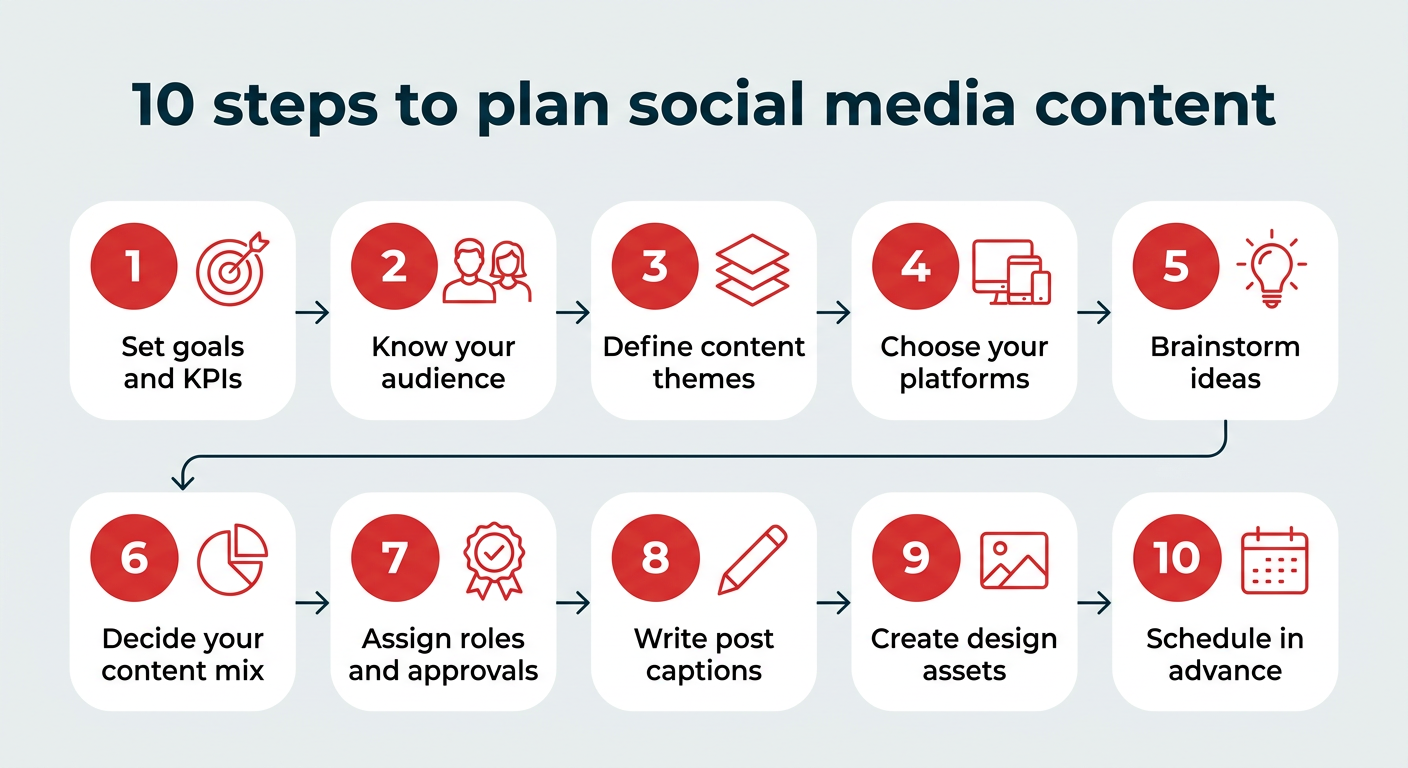
Industry experts recommend a structured, ten-step methodology to transition from reactive posting to proactive enterprise-level social media management.

Setting Goals and Key Performance Indicators (KPIs)
Every successful social media plan begins with clearly defined objectives. Whether the aim is building brand awareness, driving website traffic, or generating qualified leads, goals must be paired with measurable KPIs. Vague aspirations like increasing engagement are replaced by specific targets, such as achieving a 20% lift in monthly impressions or boosting conversion rates by a defined percentage within a specific quarter. Limiting a campaign to two or three primary goals ensures the content remains focused and impactful.
Audience Research and Persona Development
Effective content must be grounded in the actual behaviors and preferences of the target audience rather than internal assumptions. Leveraging built-in analytics alongside advanced social listening tools allows organizations to identify the precise language, pain points, and unprompted topics that resonate with their consumer base. Documenting these insights in a centralized knowledge base ensures the entire marketing, sales, and support team operates from a unified understanding of the customer.

Defining Content Pillars and Themes
Content themes act as strategic guardrails for a brand’s digital presence. By establishing three to five core pillars that directly ladder up to organizational goals, teams create a reliable roadmap for ideation. If a proposed post does not fall neatly into one of these designated categories, it is typically excluded from the strategy, preserving the brand’s narrative focus.
Prioritizing Platform Selection
Spreading resources thin across every available social network is a common pitfall for modern marketing departments. Guided by audience research and business goals, teams must prioritize the two or three channels where their target demographics spend the majority of their time. Each platform demands a tailored approach regarding tone, visual format, and publishing cadence.
Systematic Ideation and Brainstorming
To maintain a steady pipeline of fresh ideas, high-performing teams establish regular brainstorming workflows, dedicate communication channels for concept sharing, and harvest insights from customer-facing departments. Grounding these ideas in historical performance data ensures that future campaigns build upon proven successes.
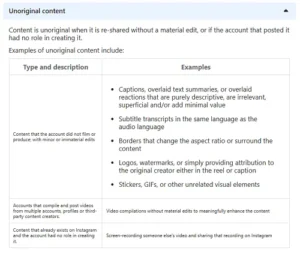
Balancing Original and Curated Content
A robust content mix typically balances original thought leadership with curated industry content. While original assets establish brand authority, carefully vetted third-party content keeps channels active and relevant without overburdening creative teams. Establishing a healthy ratio—frequently starting around 40% original and 60% curated material—maintains audience interest and positions the brand as a helpful industry resource.

Assigning Responsibilities and Approval Workflows
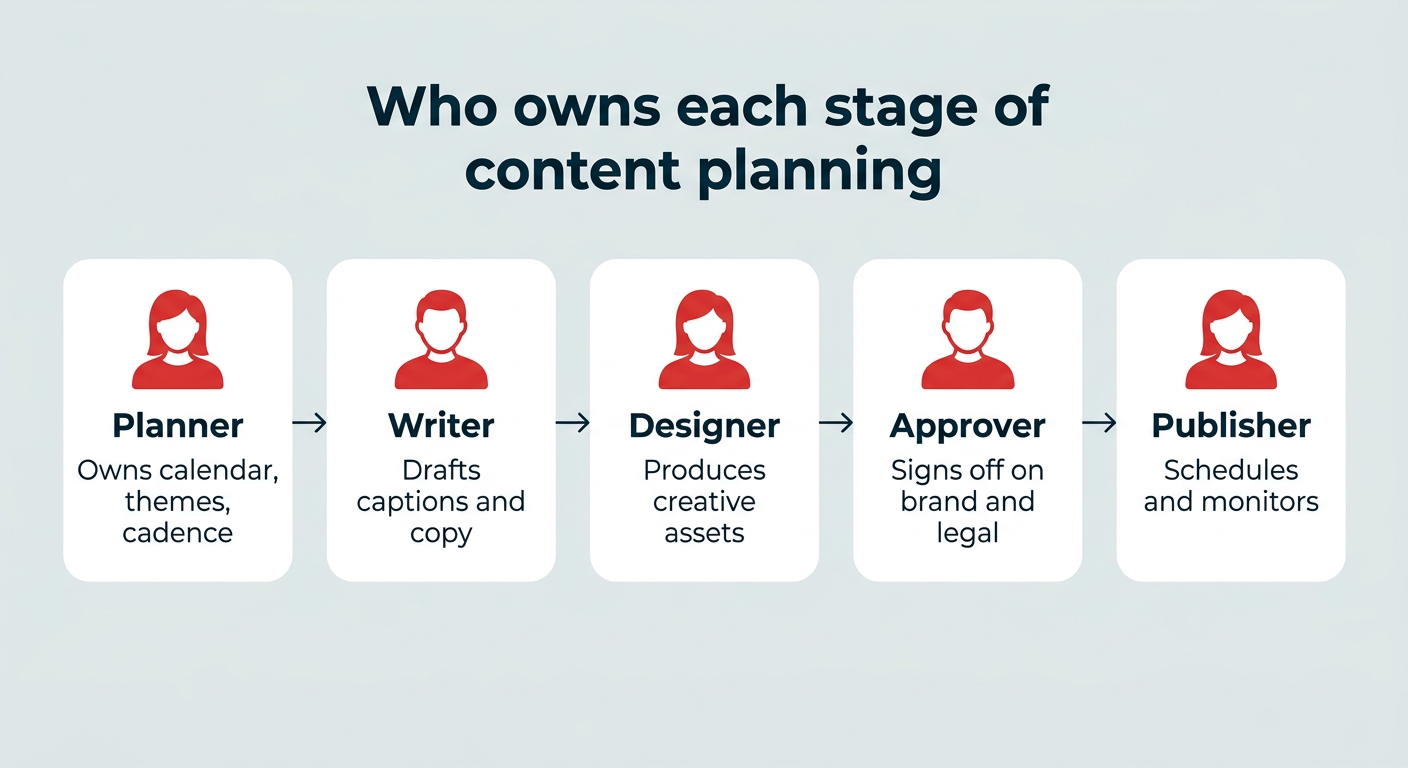
Ambiguity in task ownership is a primary driver of operational friction. Modern social media management requires clear designations for planners, writers, designers, approvers, and publishers. In enterprise environments—particularly within highly regulated sectors such as finance, healthcare, and legal—incorporating mandatory compliance reviews into the standard timeline is essential to mitigate brand risk and legal exposure.
Drafting Contextual Captions
Writing copy prior to executing visual design ensures that text length and messaging intent drive the creative process. Many contemporary organizations utilize AI-assisted writing tools as accelerators to rapidly generate draft captions, thematic angles, and hashtag variations, which are then meticulously reviewed and refined by human copywriters before final approval.

Producing Visual Design Assets
With approved captions and structural concepts in place, design teams can produce high-impact visual assets without encountering last-minute bottlenecks. Utilizing centralized asset management applications and collaborative planners ensures that all creative materials align with brand identity guidelines before entering the publishing queue.
Advanced Scheduling and Timing Optimization
Publishing consistency is critical, but timing dictates visibility. Modern digital platforms utilize algorithmic data to determine the optimal windows for audience engagement. By leveraging automated publishing tools and audience intelligence features, organizations can schedule content across multiple networks to deploy precisely when target demographic segments are most active.
The Evolution of AI in Content Planning
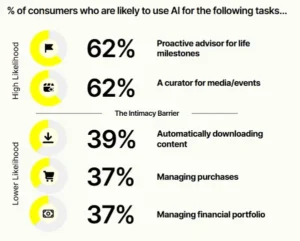
As artificial intelligence becomes increasingly embedded in marketing operations, its primary role has shifted from generating unedited content from scratch to accelerating research, drafting, and timing decisions. Industry surveys indicate that while the vast majority of marketing professionals explore generative AI tools, realizing significant, measurable benefits requires deliberate training and strict adherence to brand guidelines.
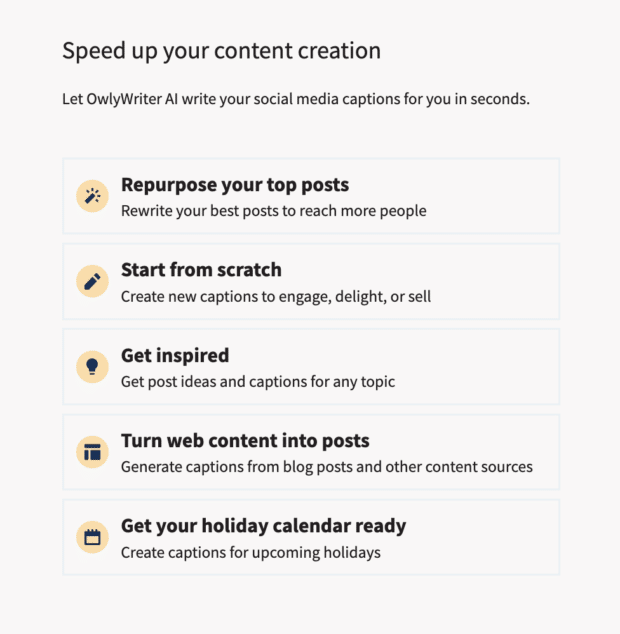
In practice, AI streamlines the initial phases of campaign development by rapidly synthesizing broad briefs into multi-platform post variations and surfacing emerging industry conversations via automated listening apps. However, market research highlights a growing consumer demand for authentic, human-centric messaging. Consequently, organizations must maintain rigorous human oversight over all AI-generated outputs to protect brand reputation, ensure factual accuracy, and comply with industry regulations.
Measuring Success and Iterating for Continuous Improvement

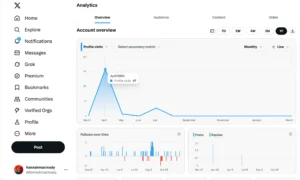
A social media content plan is a dynamic operational asset rather than a static document. Continuous evaluation against established KPIs transforms raw data into actionable insights. Marketing teams typically execute weekly reviews to monitor real-time trends, monthly assessments to identify broader thematic patterns, and quarterly audits to reevaluate overarching goals, platform mixes, and publishing frequencies.
By closing the feedback loop—allocating more calendar space to high-performing formats like video carousels while phasing out underperforming themes—enterprises ensure their digital strategy continuously matures, driving sustainable growth and measurable business impact in an increasingly competitive online ecosystem.