Mastering the Social Media Workflow: Essential Strategies, Structures, and Tools for Modern Marketing Teams

In the fast-paced landscape of digital marketing, maintaining a consistent, high-performing online presence requires far more than sporadic bursts of creativity. As brands scale their digital operations across multiple platforms, the absence of a structured process inevitably leads to missed deadlines, fractured brand voices, and costly compliance errors. A social media workflow provides a repeatable, step-by-step framework that governs how marketing teams create, review, publish, and evaluate digital content. By establishing clear operational cadences, organizations can protect their brand equity, optimize resource allocation, and accurately measure return on investment.

Understanding the Core Anatomy of a Social Media Workflow
At its foundational level, a social media workflow outlines the lifecycle of digital content from ideation to post-campaign analytics. Rather than relying on ad-hoc publishing, high-performing marketing departments implement specialized workflows tailored to specific operational needs. These typically include basic operational workflows, daily posting schedules, internal approval gates, content batching frameworks, and influencer collaboration pipelines.
Each framework serves a distinct purpose in keeping complex operations running smoothly. For instance, while a daily posting workflow focuses on swift execution and real-time agility, an approval framework introduces vital internal checkpoints. Together, these systems eliminate bottlenecks and ensure that every piece of published material aligns with overarching corporate objectives.

The Strategic Advantages of Structured Workflows
Implementing a well-designed social media workflow yields significant operational dividends. Industry data consistently demonstrates that structured teams experience fewer publishing errors, higher audience engagement rates, and reduced employee burnout.
Key benefits of adopting a formalized workflow include:
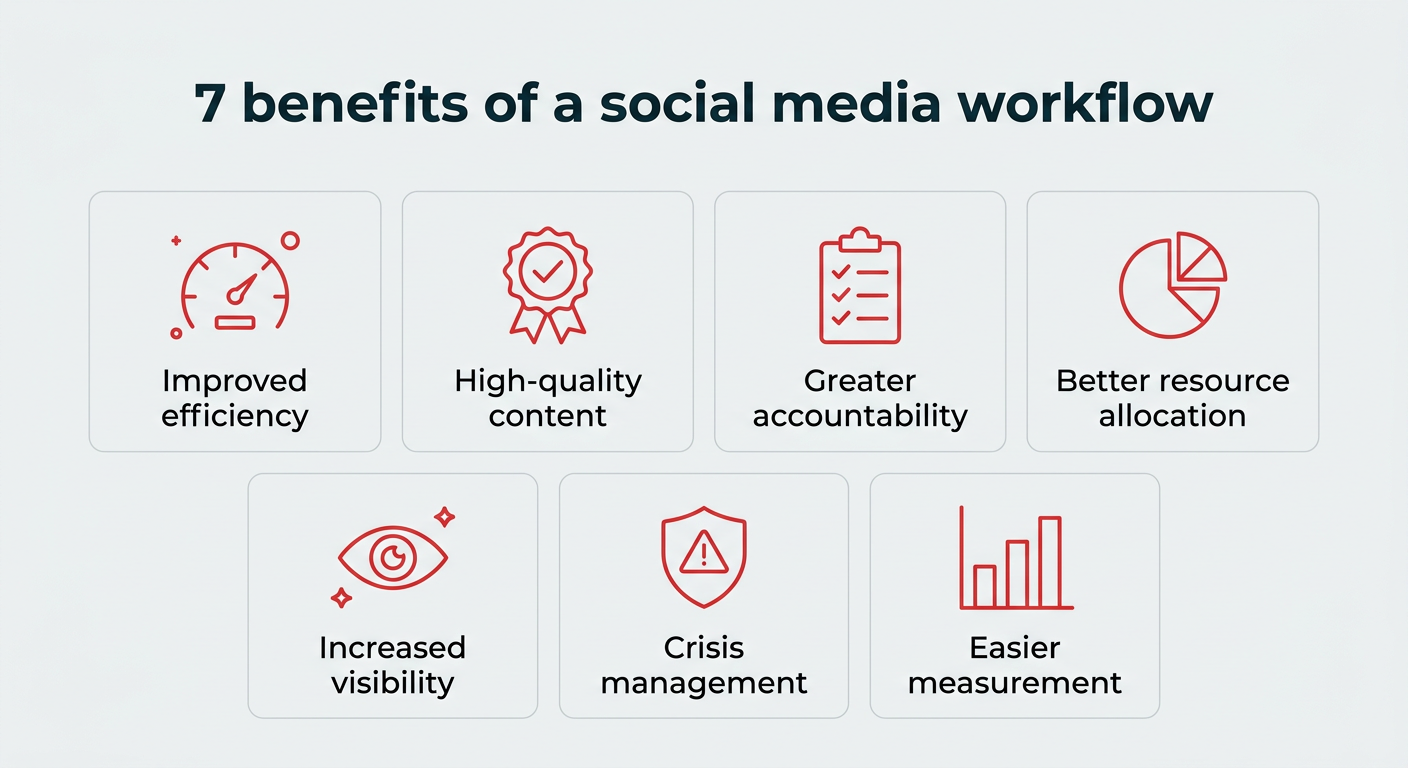
- Enhanced Brand Consistency: Standardized templates and messaging guides ensure that a brand’s voice remains uniform across LinkedIn, Instagram, TikTok, and X (formerly Twitter).
- Mitigated Risk and Compliance: Multi-tiered review processes catch non-compliant claims or sensitive material before content goes live, protecting the enterprise from regulatory penalties and public relations crises.
- Improved Efficiency and Output: Batching content creation and standardizing recurring tasks allows teams to produce significantly more content in less time.
- Transparent Accountability: Clearly assigned roles eliminate ambiguity regarding who is responsible for drafting, editing, scheduling, and analyzing performance metrics.
Five Essential Workflows for Modern Marketing Teams
Most sophisticated marketing departments utilize a portfolio of workflows rather than relying on a single, monolithic process. Understanding the specific mechanics of these workflows is vital for scaling operations efficiently.
1. The Basic Social Media Workflow
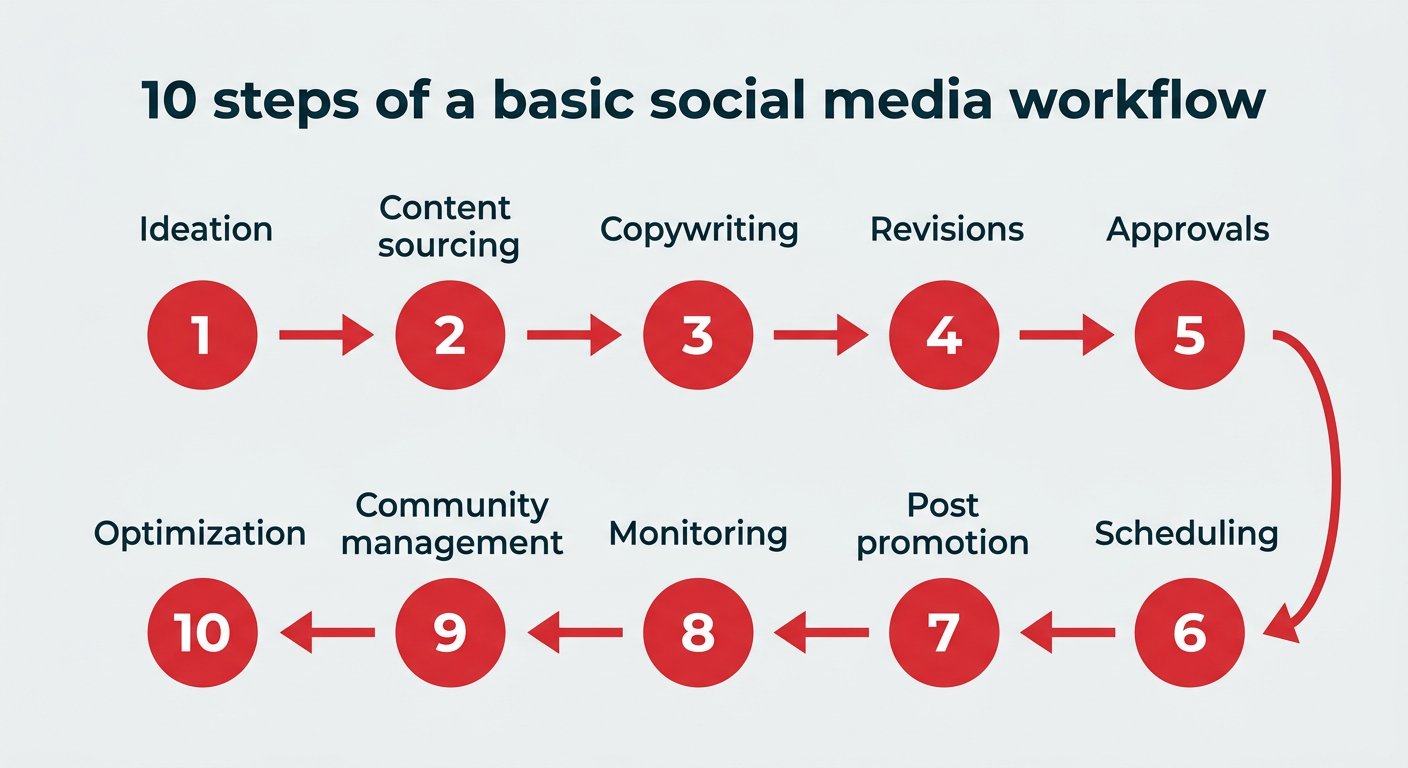
Serving as the foundation for all other operational processes, the basic workflow encompasses the ten core steps of daily social media management. This lifecycle begins with trend research and brainstorming, moves through copywriting and asset creation, proceeds to compliance review and scheduling, and concludes with post-publication community management and performance tracking. Documenting this foundational sequence ensures that new team members can seamlessly onboard and execute campaigns without friction.
2. The Social Media Posting Workflow
Focused specifically on daily execution, this eight-step workflow governs the tactical creation and distribution of content. It emphasizes the balance between scheduled content and real-time responsiveness, allowing social media managers to capitalize on trending topics while maintaining a reliable baseline publishing schedule.
3. The Social Media Approval Workflow
Particularly critical for enterprises operating in heavily regulated sectors—such as finance, healthcare, and government—the internal review workflow safeguards the organization against legal liabilities. By routing content through predefined approval gates, organizations ensure that all material satisfies legal, regulatory, and brand-safety standards before reaching the public eye.
4. Content Batching Frameworks
Content batching has emerged as a premier strategy for combating creator fatigue. By consolidating the production phase—filming multiple videos or writing a month’s worth of copy in a single dedicated window—teams can build robust content reserves. This approach decouples the chaotic day-to-day creation cycle from the steady rhythm of publishing.
5. Influencer Collaboration Pipelines
As influencer marketing matures into a multi-billion-dollar industry, treating creator partnerships as structured campaigns rather than isolated transactions is paramount. An influencer workflow standardizes vetting, contract negotiation, content review, and performance attribution, making successful creator partnerships easily repeatable.

Best Practices for Building and Maintaining Workflows
Building an effective workflow requires striking a delicate balance: providing enough structure to guarantee compliance and consistency without creating bureaucratic gridlock. Industry experts recommend adhering to seven core implementation strategies.
First, establish unambiguous roles and responsibilities. Ambiguity regarding task ownership is the leading cause of missed deadlines and duplicated effort. Common specialized roles include content creators, copywriters, graphic designers, compliance officers, and community managers.
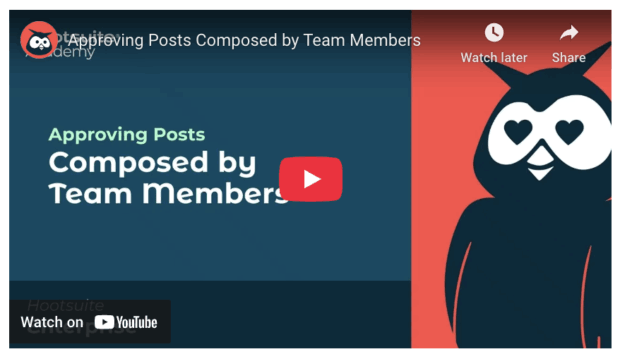
Second, thoroughly understand industry-specific regulatory frameworks. Organizations operating under stringent guidelines—such as HIPAA regulations in healthcare or FINRA mandates in financial services—must integrate compliance checks directly into their workflows to avoid severe financial penalties.
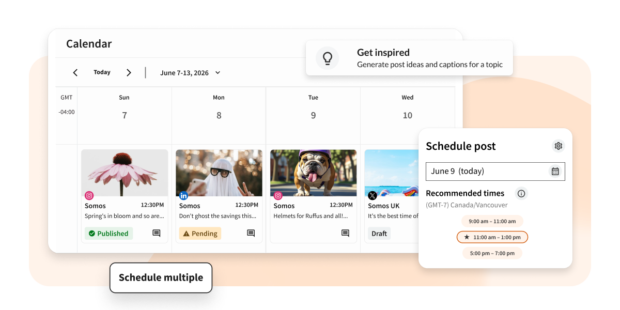
Third, leverage centralized social media calendars to plan campaigns weeks or months in advance. Advanced scheduling tools allow teams to visualize their content mix, balance promotional and educational messaging, and eliminate last-minute scrambling.
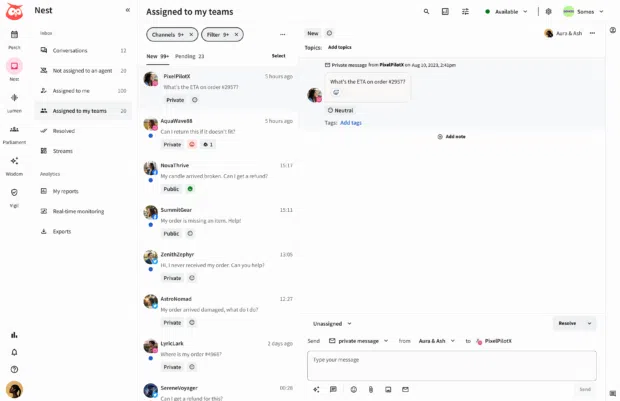
Fourth, meticulously document the process through standardized operating procedures (SOPs). Written documentation ensures that workflows remain resilient in the face of staff turnover and agency transitions.
Fifth, prioritize digital security. Implementing strict permission hierarchies, multi-factor authentication, and regular audits of publishing access prevents unauthorized posting and protects enterprise accounts from malicious takeovers.
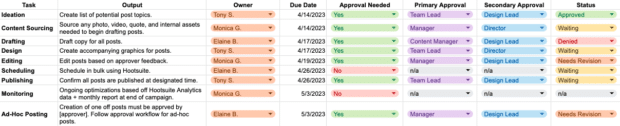
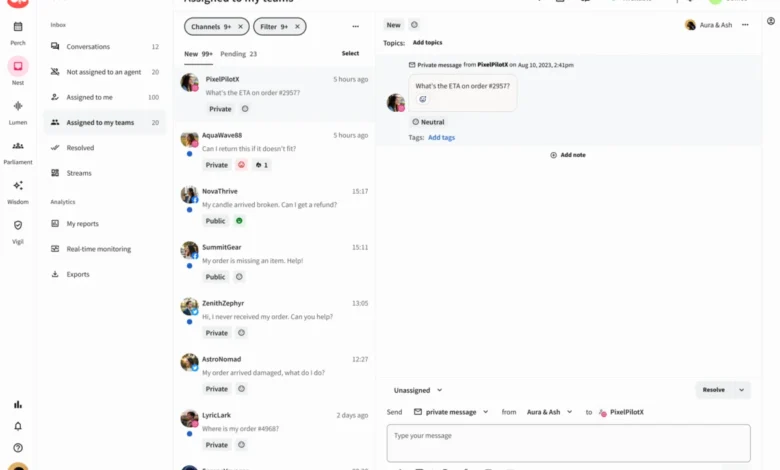
Sixth, integrate a unified social media inbox. Managing inbound direct messages, comments, and customer service inquiries across multiple networks requires centralized tools that route conversations to the appropriate team members while tracking response times.
Seventh, strategically incorporate artificial intelligence into time-consuming bottlenecks. Modern marketing teams increasingly utilize AI to accelerate first-draft copywriting, generate performance reports, and triage routine customer inquiries via intelligent chatbots. However, industry analysts emphasize that AI adoption must be treated as a governance challenge rather than a simple tooling race. While artificial intelligence can dramatically compress production timelines, human oversight remains mandatory for final quality control and brand safety.
Measuring Workflow Efficiency and Overcoming Common Pitfalls
To ensure continuous improvement, marketing leaders must measure workflow health using quantitative metrics. Key performance indicators include average content production time, review cycle duration, the frequency of missed publishing deadlines, and the volume of compliance revisions required per campaign. Conducting quarterly workflow audits enables teams to identify emerging bottlenecks and prune redundant steps as the organization scales.
Common pitfalls, such as over-engineering approval processes or failing to train team members on new SOPs, can quickly undermine even the best-designed systems. By keeping workflows lean, maintaining open lines of communication, and investing in comprehensive management platforms like Hootsuite, Google Sheets, Asana, or Notion, organizations can transform their social media operations from a chaotic daily scramble into a predictable, high-performing engine for brand growth.