Navigating the Intricate Landscape of Meta Ad Specifications: A Comprehensive Guide for Digital Marketers


The dynamic realm of digital advertising demands meticulous attention to detail, with adherence to platform-specific guidelines being paramount for campaign success. On Meta’s expansive ecosystem, which includes Facebook, Instagram, Messenger, and its Audience Network, understanding and implementing the correct ad sizes and specifications is not merely a technicality but a strategic imperative. This guide provides a detailed overview of the current Facebook (Meta) ad sizes, offering critical insights into optimizing visual and video content across various placements to maximize reach, engagement, and return on investment.

The Indispensable Role of Precise Ad Specifications
In an era where visual content dominates online consumption, the presentation of advertisements profoundly influences user perception and campaign effectiveness. Meta’s platforms, with a combined global audience exceeding 3.07 billion daily active users as of Q4 2023, represent an unparalleled opportunity for advertisers. However, this vast reach comes with a complex set of technical requirements designed to ensure a seamless user experience and optimal ad delivery. Incorrect ad sizing can lead to several detrimental outcomes, including pixelation, cropping of essential elements, distorted aspect ratios, and reduced visibility, all of which can severely undermine an ad’s impact and lead to wasted advertising spend. Meta’s algorithms prioritize high-quality, properly formatted content, often penalizing non-compliant assets with lower distribution and higher costs per impression.

The evolution of Meta’s advertising guidelines has largely mirrored shifts in user behavior and technological advancements. The pervasive adoption of mobile devices, for instance, has driven a strong emphasis on vertical video formats and responsive designs. Similarly, the rise of short-form video content, epitomized by Reels, has necessitated distinct specifications to cater to its immersive, full-screen nature. This continuous adaptation by Meta underscores the importance for marketers to stay updated with the latest specifications, ensuring their creative assets are always optimized for the diverse environments in which they appear.
A Snapshot of Key Meta Ad Sizes and Formats
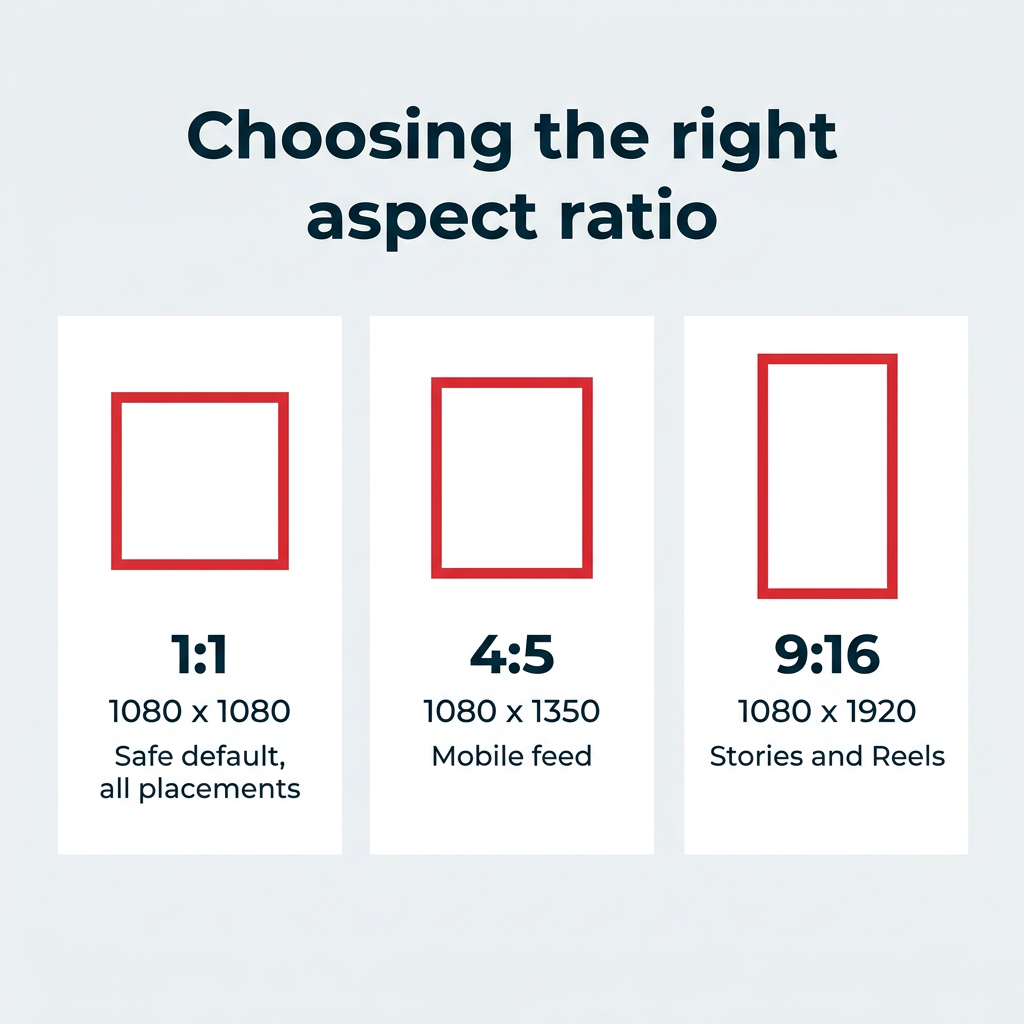
To provide a quick reference for advertisers, the following table summarizes the recommended specifications across Meta’s most popular ad placements. This serves as a foundational overview before delving into the nuances of each format.
| Placement | Recommended Size (px) | Aspect Ratio | File Types | Max File Size |
|---|---|---|---|---|
| Feed (Image) | 1440 x 1440 or 1440 x 1800 | 1:1 or 4:5 | PNG, JPG | 30MB |
| Feed (Video) | 1440 x 1440 or 1440 x 1800 | 1:1 or 4:5 | MP4, MOV, GIF | 4GB |
| Carousel | 1080 x 1080 or larger | 1:1 (or 4:5 for Advantage+ catalog) | PNG, JPG, MP4, MOV, GIF | 30MB (image), 4GB (video) |
| Stories | 1440 x 2560 | 9:16 | PNG, JPG, MP4, MOV, GIF | 30MB (image), 4GB (video) |
| Reels (Image Overlay) | 1080 x 1080 or larger | 1.91:1 to 1:1 | PNG, JPG | 30MB |
| Reels (Video) | 1440 x 2560 | 9:16 | MP4, MOV, GIF | 4GB |
| In-stream Video | 1080 x 1080 or larger | 16:9 or 1:1 | MP4, MOV, GIF | 4GB |
| Marketplace | 1080 x 1080 or larger | 1:1 | PNG, JPG | 30MB |
| Right Column | 1080 x 1080 or larger | 1:1 | PNG, JPG | 30MB |
| Search Results | 1080 x 1080 or larger | 1:1 | PNG, JPG, MP4, MOV, GIF | 30MB (image), 4GB (video) |
| Business Explore | 1080 x 1080 or larger | 1.91:1 to 1:1 | PNG, JPG, MP4, MOV, GIF | 30MB (image), 4GB (video) |
| Collection | 1080 x 1080 or larger | 1:1 or 9:16 | PNG, JPG, MP4, MOV, GIF | 30MB (image), 4GB (video) |
| Audience Network Banner | 320 x 50 | Banner | PNG, JPG | 30MB |
| Audience Network Interstitial | 320 x 480 or 480 x 320 | 9:16 or 16:9 | PNG, JPG, MP4, MOV | 30MB (image), 4GB (video) |
It is crucial to note that "Facebook ad sizes" and "Meta ad sizes" are interchangeable terms, referring to the identical specifications applicable across Meta’s family of applications.
In-Depth Analysis of Key Ad Placements and Formats
Facebook Feed Ads: The Core Engagement Zone
The News Feed remains the most recognized and heavily utilized ad placement on Facebook, acting as an endless scroll of content. Advertisers can deploy single image, single video, or carousel ads within the feed. The strategic choice of aspect ratio here can significantly impact ad visibility, particularly on mobile devices, which account for over 81.8% of Facebook’s user access.

-
Image Feed Ads:
- Recommended Sizes: 1440 x 1440 pixels (1:1) or 1440 x 1800 pixels (4:5).
- Aspect Ratios: 1:1 (square) or 4:5 (vertical).
- File Types: PNG, JPG.
- Max File Size: 30MB.
- Text: Up to 125 characters recommended; headline up to 40 characters; link description up to 20 characters.
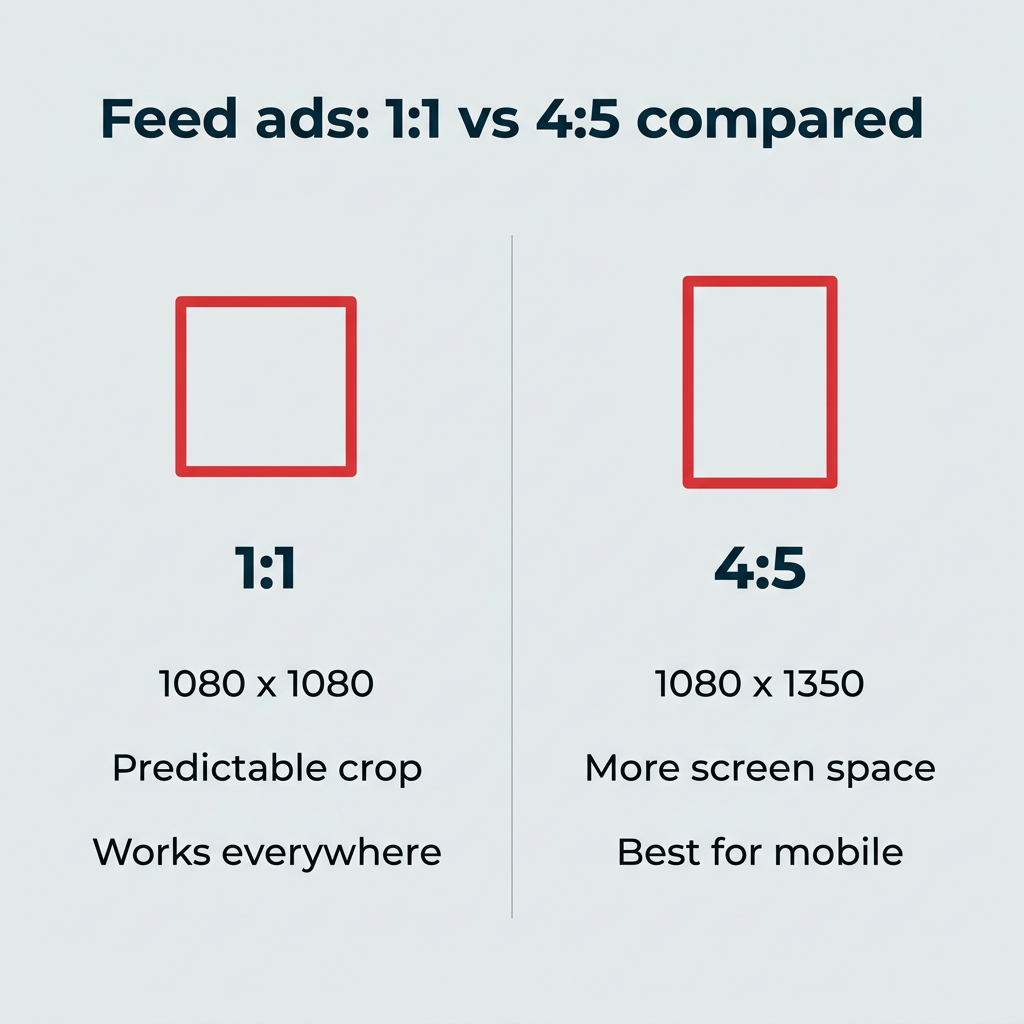
- Analysis: For mobile feeds, the 4:5 aspect ratio is often preferred as it occupies more screen real estate, reducing visual competition. However, a 1:1 aspect ratio offers greater versatility and predictable cropping across multiple placements, making it a safer default for broad campaigns.
-
Video Feed Ads:
- Recommended Sizes: 1440 x 1440 pixels (1:1) or 1440 x 1800 pixels (4:5).
- Aspect Ratios: 1:1 or 4:5.
- File Types: MP4, MOV, GIF.
- Max File Size: 4GB.
- Video Length: Minimum 1 second, maximum 241 minutes. Recommended 15 seconds or less for optimal engagement.
- Text: Same as image ads.
- Analysis: Video content continues to drive higher engagement rates. Optimizing video length for mobile consumption and ensuring the initial seconds capture attention are critical.
Carousel Ads: Dynamic Storytelling and Product Showcase
Carousel ads allow advertisers to feature between two and ten images or videos, each with its own link, offering a versatile format for showcasing multiple products, features, or a narrative sequence.
- Recommended Size: 1080 x 1080 pixels or larger per card.
- Aspect Ratio: 1:1 (square) is standard. A 4:5 ratio is also supported specifically for Advantage+ catalog carousel ads, offering expanded mobile visibility for e-commerce.
- File Types: PNG, JPG (images), MP4, MOV, GIF (videos).
- Max File Size: 30MB (image), 4GB (video).
- Text: Up to 125 characters; headline up to 40 characters; link description up to 20 characters.
- Analysis: Carousel ads are particularly effective for e-commerce, allowing users to browse multiple items within a single ad unit. The ability to link each card to a different URL provides granular control over the user journey.
Stories and Reels Ads: Immersive, Full-Screen Experiences
Stories and Reels represent Meta’s answer to short-form, vertical video content, demanding a full-screen, immersive approach to advertising. These formats are designed for quick consumption and high engagement, often accessed via mobile.

- Recommended Size: 1440 x 2560 pixels.
- Aspect Ratio: 9:16 (full vertical).
- File Types: PNG, JPG (images), MP4, MOV, GIF (videos).
- Max File Size: 30MB (image), 4GB (video).
- Video Length: Stories ads play for 10 seconds; image Stories display for 5 seconds. Reels video ads can be up to 90 seconds.
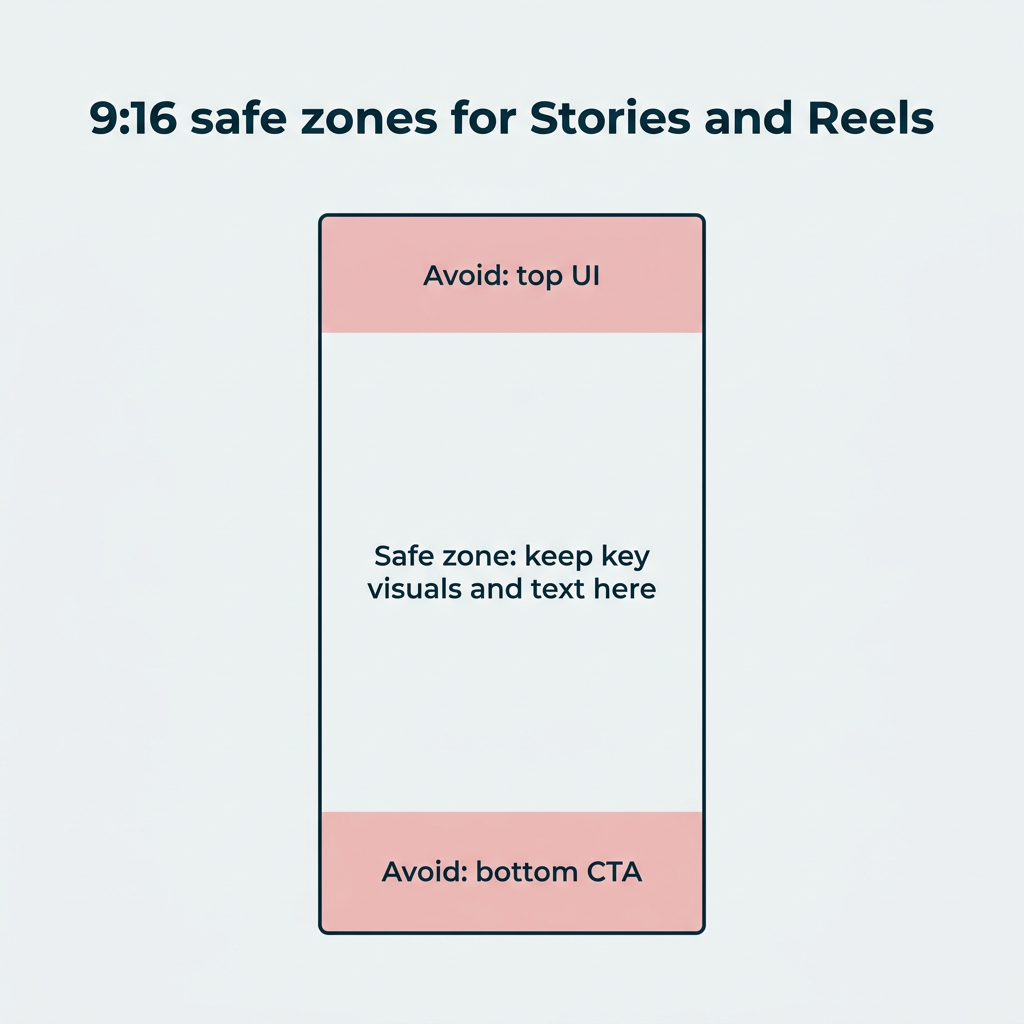
- Safe Zones: Crucially, advertisers must design with "safe zones" in mind. UI elements (profile icons, text overlays, CTA buttons) typically occupy the top and bottom 250 pixels of a 9:16 canvas. Key visuals and calls to action should be centered within the 1080 x 1420 pixel area to avoid obstruction.
- Analysis: These formats thrive on authenticity and fast-paced visuals. For Reels, the option to use image overlays provides a less intrusive advertising method, requiring a compelling image and concise copy.
In-Stream Video Ads: Reaching Engaged Viewers
In-stream video ads interrupt or accompany organic video content, including live streams, offering a highly engaged audience.
- Recommended Size: 1080 x 1080 pixels or larger.
- Aspect Ratio: 16:9 (horizontal) or 1:1 (square).
- File Types: MP4, MOV, GIF.
- Max File Size: 4GB.
- Video Length: Shorter, non-skippable ads are common, but longer, skippable options (after 5 seconds) are also available.
- Analysis: The context of in-stream ads means viewers are already consuming video content, making them receptive to video advertisements. The choice between 16:9 and 1:1 depends on the primary content’s aspect ratio and desired user experience.
Collection Ads: Streamlined E-commerce on Mobile
Collection ads are a highly effective format for e-commerce, linking directly to a product catalog and allowing users to browse products within an Instant Experience – a full-screen, mobile-optimized landing page – without leaving Facebook.

- Recommended Size: 1080 x 1080 pixels or larger for product images.
- Aspect Ratio: 1:1 (square) for catalog images. The hero image/video can be 1:1 or 9:16.
- File Types: PNG, JPG (images), MP4, MOV, GIF (videos).
- Max File Size: 30MB (image), 4GB (video).
- Analysis: This format simplifies the path to purchase, reducing friction for mobile users. Leveraging Advantage+ product catalogs for automatic generation can significantly streamline campaign management for retailers.
Marketplace Ads: Capitalizing on Purchase Intent
Facebook Marketplace ads target users with high purchase intent, appearing alongside organic listings within the Marketplace tab and often leveraging Advantage+ placements to reach relevant audiences across Facebook.
- Recommended Size: 1080 x 1080 pixels or larger.
- Aspect Ratio: 1:1 (square).
- File Types: PNG, JPG.
- Max File Size: 30MB.
- Analysis: Given the transactional nature of Marketplace, these ads should be clear, concise, and highlight product benefits immediately. The "sponsored" label clearly distinguishes them from organic listings.
Additional Placements: Expanding Reach Beyond the Main Feeds

Beyond the primary placements, Meta offers several niche advertising opportunities that cater to specific user behaviors and desktop environments.
-
Right Column Ads:

- Recommended Size: 1080 x 1080 pixels or larger.
- Aspect Ratio: 1:1.
- File Types: PNG, JPG.
- Max File Size: 30MB.
- Analysis: Exclusive to desktop, these image-only ads are smaller and often used for driving website traffic or brand awareness. Meta advises against text on the image due to its compact size, prioritizing clear visuals.
-
Search Results Ads:
- Recommended Size: 1080 x 1080 pixels or larger.
- Aspect Ratio: 1:1.
- File Types: PNG, JPG, MP4, MOV, GIF.
- Max File Size: 30MB (image), 4GB (video).
- Analysis: Appearing on Facebook’s search results page, these ads are highly effective for targeting users with explicit intent, such as those searching for specific products, services, or events. Alignment with search queries is key for performance.
-
Business Explore Ads:

- Recommended Size: 1080 x 1080 pixels or larger.
- Aspect Ratio: 1.91:1 to 1:1.
- File Types: PNG, JPG, MP4, MOV, GIF.
- Max File Size: 30MB (image), 4GB (video).
- Analysis: Found when users explore similar businesses from an organic post on mobile, this placement offers a discovery opportunity for brands within relevant categories.
-
Audience Network Ads:
- Banner: 320 x 50 pixels (Banner aspect ratio), PNG, JPG, 30MB.
- Interstitial: 320 x 480 or 480 x 320 pixels (9:16 or 16:9), PNG, JPG, MP4, MOV, 30MB (image), 4GB (video).
- Analysis: Meta’s Audience Network extends ad reach beyond Facebook and Instagram to third-party apps and websites, providing diverse placements like banners and full-screen interstitials. Creative assets must be adapted to these external environments.
Evolution of Meta’s Ad Guidelines and Implications

Meta’s advertising guidelines are not static; they evolve to reflect technological advancements, user preferences, and platform priorities. A notable historical change was the deprecation of the "20% text rule" on images, which previously restricted ads with too much text on visuals. While Meta no longer strictly enforces this, internal data and industry best practices still suggest that ads with less text on the image tend to perform better, benefiting from broader delivery and lower costs. This indicates a continuing preference for visually dominant, concise creative.
The shift towards mobile-first consumption has profoundly influenced Meta’s ad strategy, prioritizing formats like Stories and Reels. This has pushed advertisers to develop assets that are inherently vertical and designed for rapid engagement. Furthermore, Meta’s investment in AI-driven solutions, such as Advantage+ placements, automates ad delivery across various placements based on performance potential, making it even more critical for advertisers to provide versatile creative assets that can adapt gracefully to different aspect ratios and environments.

Strategic Implications for Advertisers
The detailed specifications provided by Meta carry significant implications for digital marketing strategies:

- Creative Adaptability: Advertisers must develop creative assets that are highly adaptable. This often means designing with multiple aspect ratios in mind or creating distinct versions for different placements. For instance, a square image (1:1) might be a safe general choice, but a vertical image (4:5) or video (9:16) will likely outperform it in mobile feed or Stories/Reels, respectively, due to increased screen dominance.
- User Experience Focus: Adherence to guidelines directly impacts user experience. Ads that load quickly, are visually appealing, and fit seamlessly into the platform’s interface are less likely to be skipped or ignored. This translates to higher engagement rates and better brand perception.
- Performance Optimization: Correctly sized and formatted ads are favored by Meta’s algorithms, leading to better ad delivery, lower costs per impression, and ultimately, improved campaign performance metrics such as click-through rates (CTR) and conversions. A/B testing different aspect ratios for a given placement can provide valuable insights into audience preferences.
- Resource Allocation: Creative teams and agencies must allocate resources efficiently to produce a range of assets. Investing in tools that facilitate responsive design or automatically adapt creatives can be highly beneficial.
- Data-Driven Decisions: Continuous monitoring of paid ad analytics is essential. Advertisers should analyze performance across different placements and formats to understand which specifications yield the best results for their specific campaigns and target audiences.
Conclusion
In the intricate and highly competitive landscape of Meta advertising, mastering the technical specifications for each ad placement is a non-negotiable aspect of successful digital marketing. From the expansive News Feed to the immersive Reels and the conversion-focused Collection ads, every format demands precise adherence to recommended sizes, aspect ratios, and file types. By understanding the rationale behind these guidelines and strategically optimizing creative assets, advertisers can ensure their messages are delivered with maximum clarity, impact, and efficiency, ultimately driving superior engagement and achieving their campaign objectives within Meta’s vast digital ecosystem. As Meta continues to innovate, staying informed and adaptable will remain the cornerstone of effective advertising on its platforms.
Related posts: