Meowdoku Captivates Mobile Puzzle Enthusiasts as a Cat-Themed Evolution of Classic Number Games

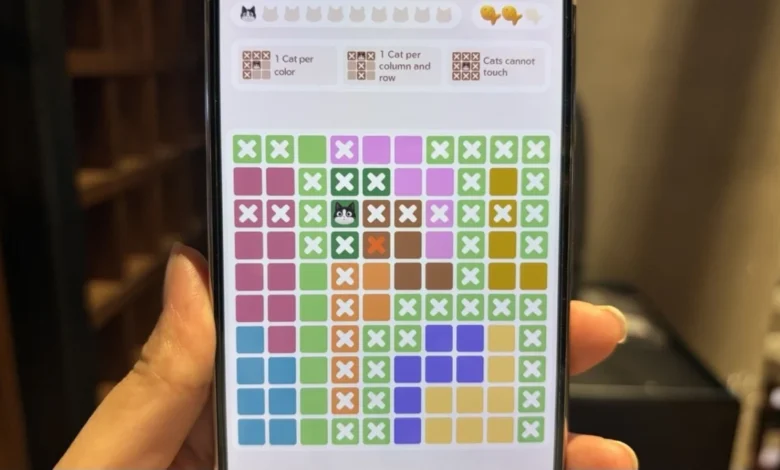
The landscape of mobile casual gaming has seen a significant shift toward minimalist, tactile puzzle experiences designed to alleviate cognitive fatigue and mental overstimulation. Among the latest entries to capture mainstream attention is Meowdoku, a casual Android title developed by Oakever Games. Blending the structural logic of traditional Sudoku with charming feline aesthetics and color-matching mechanics, the game has quickly risen in popularity across social media platforms, including Reddit, TikTok, Instagram, and YouTube. However, despite its viral success and high user retention, the game’s monetization model—specifically the absence of an ad-free paid tier—has sparked widespread discussion among mobile gamers regarding user experience and developer monetization strategies in modern application design.
The Mechanics of Meowdoku: Reimagining Sudoku Through a Feline Lens
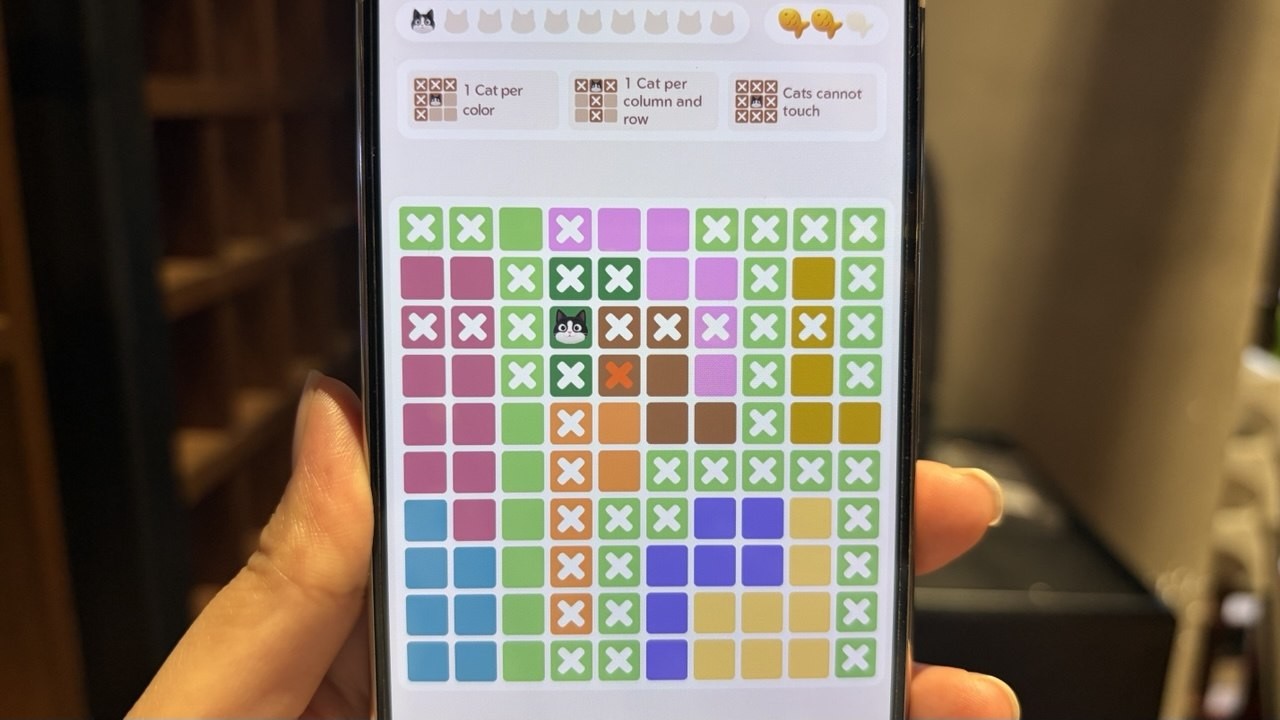
At its core, Meowdoku reinterprets the foundational principles of Sudoku, substituting traditional Arabic numerals with distinct cat avatars and color codings. Traditional Sudoku requires players to fill a 9×9 grid so that each column, row, and smaller subgrid contains all digits from one to nine without repetition. Meowdoku adapts this logic into a more accessible format suitable for short, casual gaming sessions typically enjoyed during transit or brief daily waits.
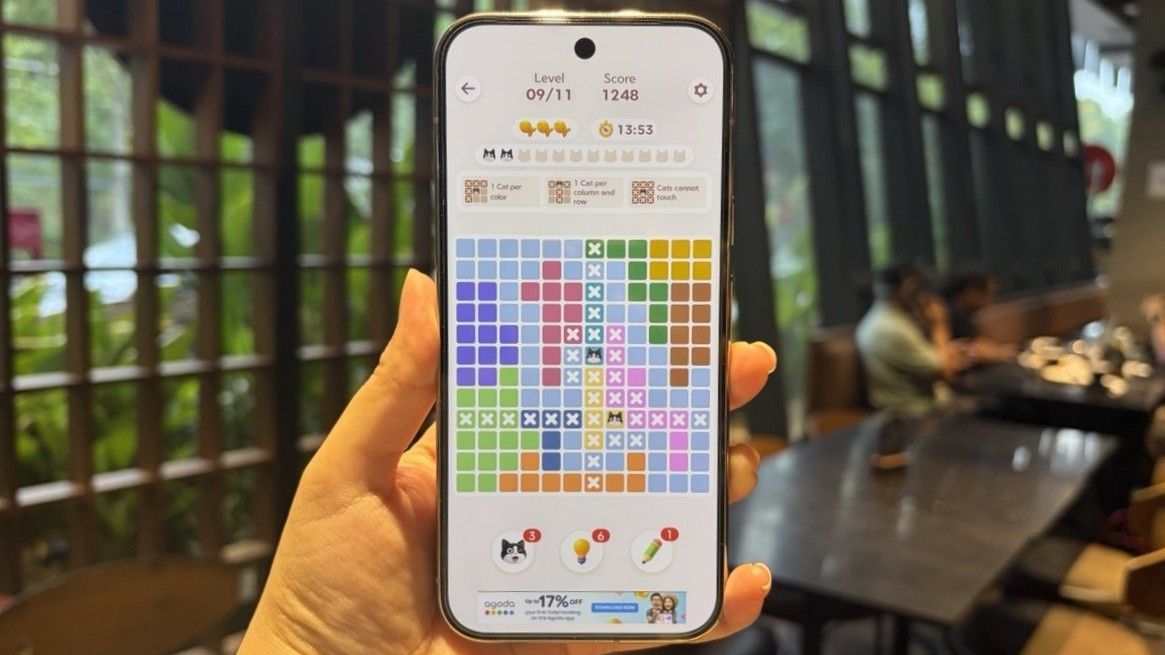
The game operates on three primary spatial rules:
- Each row and column must contain exactly one cat.
- Each designated color category must be represented only once within the active puzzle constraints.
- Cats cannot be positioned in immediately neighboring blocks, introducing a spatial exclusion constraint that diverges from standard number-placement logic.
Players are given a limited threshold of three incorrect placements before failing a level, necessitating a restart. To assist users through increasingly complex stages, the game incorporates a hint system. Hints can be replenished through in-game progression rewards or by viewing incentivized video advertisements. Additionally, the application features rotating daily challenges alongside its core linear progression stages, providing ongoing engagement for returning players.
The Casual Mobile Gaming Boom and the Rise of Hyper-Casual Hybrids
The rapid adoption of Meowdoku reflects a broader trend within the mobile application market toward "hybrid-casual" games. These titles combine the simple, mechanics-driven gameplay of hyper-casual games—which typically require minimal emotional or intellectual investment—with the progression loops and retention mechanics of mid-core puzzle titles.
In recent years, market data from mobile intelligence firms such as Sensor Tower and data.ai indicates a sustained consumer preference for puzzle and sorting games on mobile platforms. Users increasingly seek low-friction digital environments to decompress from high-stress professional and academic routines. By stripping away complex lore and replacing numbers with universally appealing visual elements like cats, developers can lower the barrier to entry for demographic groups that might otherwise bypass traditional numerical logic puzzles.
Furthermore, the game’s viral trajectory underscores the growing influence of organic, user-generated discovery on platforms like TikTok and Instagram Reels. Rather than relying solely on traditional user-acquisition campaigns, titles like Meowdoku often gain momentum through word-of-mouth recommendations and shared screenshots of challenging grid configurations among peer groups.
Monetization Friction: The Absence of an Ad-Free In-App Purchase Option
Despite widespread praise for its gameplay design and aesthetic execution, Meowdoku has encountered significant user criticism concerning its ad frequency and monetization structure. Unlike many contemporary mobile games that offer a one-time in-app purchase (IAP) to permanently remove third-party advertisements, Oakever Games has not implemented a paid ad-free tier for the Android version.
Players are frequently subjected to mandatory interstitial video advertisements following the completion of nearly every individual level. This heavy reliance on ad impressions has led to friction within the player base. Across various online forums and community boards, users have expressed a willingness to financially support the developers through direct purchases if an ad-free option were made available.
The current monetization approach highlights a persistent challenge in mobile game publishing: balancing revenue generation through ad impressions with long-term user retention and satisfaction. While forced interstitial ads maximize immediate revenue per active user—particularly in titles with high daily session counts—they risk alienating dedicated players who experience ad fatigue. Industry analysts note that failing to provide a premium buyout option can cap a game’s long-term lifetime value (LTV) potential, as frustrated users may eventually abandon the application despite enjoying the core gameplay loop.
Industry Implications and Future Outlook for Oakever Games
The community response to Meowdoku offers valuable insights for independent and mid-sized game developers navigating the crowded Android and iOS marketplaces. As user acquisition costs continue to rise across digital ad networks, developers must carefully evaluate their monetization frameworks to sustain player engagement without inducing churn.
For Oakever Games, the strong organic demand and vocal user base present a clear commercial opportunity. Introducing a non-consumable, one-time microtransaction to disable third-party advertisements could capture revenue from monetizable segments of the player base that currently rely on ad blockers or simply choose to exit the app rather than sit through repetitive commercial breaks. Such a feature would align Meowdoku with industry standards set by comparable puzzle franchises, enhancing overall brand loyalty and customer satisfaction.
As mobile gaming continues to evolve, titles that successfully merge accessible logic mechanics with charming visual design will likely remain prominent fixtures on app store charts. Whether Meowdoku and its developer will adapt their monetization strategies to address community feedback remains to be seen, but the game’s current traction demonstrates the enduring appeal of well-crafted, bite-sized puzzles in the modern digital ecosystem.