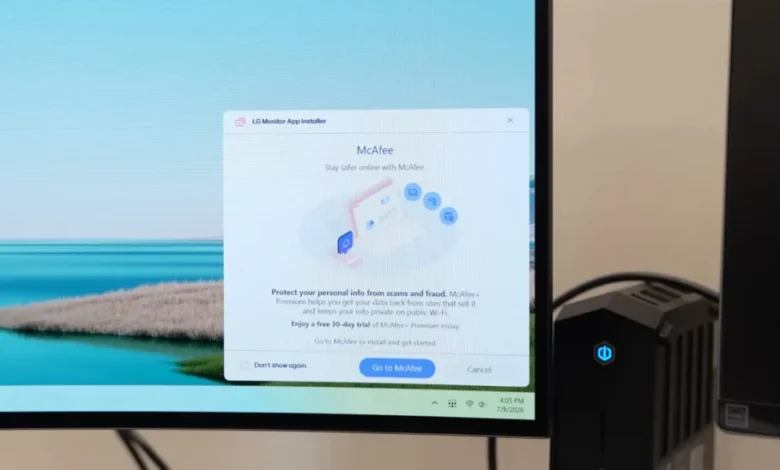
Owners of high-end LG monitors are reporting the surreptitious installation of an application dubbed "LG Monitor App Installer" onto their Windows systems, frequently accompanied by intrusive advertisements, all without explicit user prompt or permission. This practice has ignited a significant controversy, raising profound concerns regarding user privacy, data security, and the ethics of device manufacturers leveraging system-level access for commercial purposes. The situation is particularly vexing for consumers who have invested substantial sums, often exceeding $1,000, in what they expected to be premium, ad-free display hardware, only to find their systems compromised by unwanted software and marketing.
The Genesis of the Controversy: Covert Installation and Data Harvesting
The core of the issue lies in the discovery by numerous users that "LG Monitor App Installer" and its associated promotional content are appearing on their personal computers without any clear opt-in or installation dialogue. This uninvited presence is not merely a nuisance; security researchers and tech commentators have highlighted the alarmingly broad permissions the installed application ostensibly possesses. According to cybersecurity expert Burke, once installed, the LG application "technically possesses permission to use ‘all system resources’," a claim that immediately triggers red flags within the cybersecurity community.
Even more concerning are the specific types of data the app is reportedly authorized to collect. Burke further elaborated that the application can "collect geolocation, device data, online activity, contacts, user credentials, transactions, and more." This extensive data harvesting capability transcends typical operational requirements for a monitor’s companion software, venturing deep into personal and potentially sensitive user information. The absence of consent for such data collection transforms a seemingly innocuous device utility into a significant privacy threat, undermining the fundamental expectation of digital autonomy. The implications of an application with such wide-ranging access operating silently in the background are profound, raising questions about potential data breaches, unauthorized profiling, and the monetization of user data without explicit knowledge or agreement.
A Timeline of Escalation and Discovery
The practice of LG monitors installing companion apps without explicit consent is not entirely new, with some reports suggesting its existence for several years. However, recent observations indicate a concerning expansion and intensification of this behavior. Burke, for instance, noted a recent uptick in pop-up advertisements appearing on LG monitors he had purchased as far back as three years ago, suggesting either a retrospective activation of these features or an update to the underlying software mechanism. This indicates a creeping expansion of the practice, affecting not just new devices but also those already in consumers’ homes, retroactively changing the terms of engagement without notification.
The issue gained significant public traction following an investigation by popular tech channel Gamers Nexus. Their detailed report and accompanying evidence, including a screenshot demonstrating the LG app installing via Windows Update, provided concrete proof and amplified user complaints. This journalistic exposure brought the issue to the forefront of tech discourse, prompting wider scrutiny from the community and other media outlets. While the specific list of affected monitors provided by Gamers Nexus in the original report was not exhaustive, their findings, combined with Microsoft’s permissive policies regarding Universal Windows Platform (UWP) device apps, suggest that a broader range of LG monitors could be implicated in this controversial practice. The lack of a definitive list from LG or Microsoft only adds to user uncertainty and concern.
The Mechanism: Windows Update and Microsoft’s UWP Policies
A critical aspect of this controversy involves the role of Microsoft’s operating system and its policies for device applications. The "LG Monitor App Installer" is described on the Microsoft Store as an application designed for users to "easily install and use apps supported by your monitor through LG Monitor App Installer," with McAfee listed as one of the potential integrations. This description, while seemingly benign, masks the underlying mechanism that facilitates its silent installation.
Microsoft’s Universal Windows Platform (UWP) device app framework allows for specific functionalities that enable this kind of automatic installation. According to a Microsoft support page for Windows developers, UWP device apps can be "automatically install[ed] when the user connects their device to the PC." This occurs under specific conditions: if the user has not explicitly opted out of "Recommended Settings" during the Windows installation process, and if they are connected to the internet and signed into the Microsoft Store. The documentation itself acknowledges the potential pitfalls of this automated process, stating: "The automatic installation feature does not provide a notification to the user when the app is installed. Some users may find this experience confusing and frustrating and give your app a bad rating." This admission by Microsoft highlights a known vulnerability in their system that device manufacturers like LG appear to be exploiting, prioritizing seamless integration over user notification and consent. The lack of transparent communication from both LG and Microsoft regarding this auto-installation process further compounds user frustration and erodes trust.
Industry Precedent and the "Bloatware" Epidemic
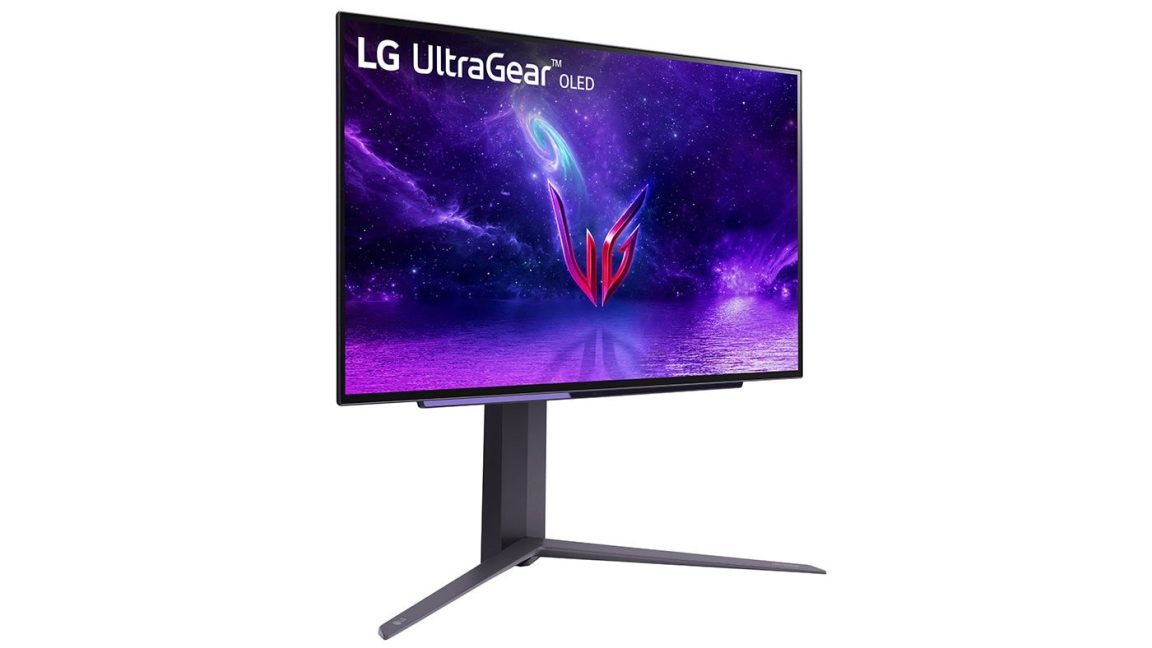
The situation with LG monitors is not an isolated incident but rather echoes a long-standing struggle against "bloatware" or "crapware" in the computing industry. Numerous hardware vendors have faced public criticism for bundling unwanted software with their devices, often installing it without clear user consent. Examples cited include gaming peripheral manufacturers like Razer and Logitech, as well as motherboard producers such as Asus and Gigabyte. These companies have historically been accused of pushing additional software, sometimes for advertising, sometimes for dubious "enhancements," onto user systems, often degrading performance and user experience.
However, the case of LG monitors presents a particularly egregious example due to several factors. Firstly, monitors are generally considered "dumb" peripherals, requiring minimal, if any, proprietary software to function optimally. Unlike a complex gaming mouse that might benefit from a dedicated utility for macro programming or RGB customization, a monitor’s core function is simply to display an image. The necessity for an "App Installer" that demands extensive system permissions and collects sensitive data is highly questionable. Secondly, the premium price point of LG’s monitors—often positioning them as high-end, professional, or enthusiast-grade displays—creates a stark contrast with the expectation of a clean, unencumbered user experience. Consumers purchasing such expensive equipment anticipate a superior product, not one that compromises their privacy or bombards them with ads. This perceived betrayal of trust can be particularly damaging to a brand’s reputation.
Official Responses and the Void of Information
In the wake of these mounting concerns, Ars Technica, a prominent technology news outlet, reached out to LG for comment. Their inquiries specifically addressed the purpose of the LG Monitor App Installer, the range of affected monitor models, and the critical privacy concerns raised by its broad data collection capabilities. A representative from LG acknowledged receipt of these questions, confirming that the company was aware of the developing situation. However, critically, no substantive response was provided by LG ahead of the publication of the initial reports. This silence from LG, while not an admission of guilt, contributes to an information vacuum, leaving consumers without clear explanations or reassurances. The lack of transparency from a major electronics manufacturer in the face of such significant user complaints often exacerbates public distrust and fuels speculation.
Broader Impact and Implications for the Future
The LG monitor controversy carries significant implications for consumer rights, industry standards, and the future of digital privacy:
Consumer Rights and Expectations: The incident underscores a growing tension between manufacturers’ desire for integrated ecosystems and data collection, and consumers’ fundamental right to privacy and control over their purchased devices. When a device costing over a thousand dollars becomes a vector for unsolicited ads and extensive data harvesting, it fundamentally alters the value proposition and erodes consumer trust. This could lead to calls for stricter consumer protection laws regarding pre-installed software and data collection practices on hardware.
Regulatory Scrutiny: The broad scope of data collection—including geolocation, online activity, and even user credentials—could attract the attention of data protection authorities in regions with robust privacy regulations, such as those under GDPR in Europe or CCPA in California. Companies found to be collecting such data without explicit, informed consent face substantial fines and reputational damage. This situation could serve as a test case for how existing privacy frameworks apply to device-level software installations.
Microsoft’s Responsibility: The controversy also places Microsoft’s UWP device app auto-installation policy under renewed scrutiny. While designed for convenience, the current implementation clearly has loopholes that can be exploited by manufacturers to install unwanted software without user knowledge. Microsoft may face pressure to revise these policies, perhaps by requiring explicit user consent for any companion app installation, regardless of "Recommended Settings," or by providing clearer, more prominent notifications when such installations occur. This incident highlights the need for platform providers to balance developer flexibility with user security and privacy.
Industry Standards and Transparency: This episode could serve as a wake-up call for the broader hardware industry. The public backlash against LG might encourage other manufacturers to adopt more transparent practices regarding pre-installed software, data collection, and advertising on their devices. A shift towards opt-in models for non-essential software and clearer communication about data practices would benefit consumers and help rebuild trust across the industry.
User Empowerment and Mitigation: For affected users, the immediate implications involve the need to identify and potentially uninstall the "LG Monitor App Installer" and any associated bloatware. This often requires a degree of technical savvy that not all users possess. Furthermore, the incident emphasizes the importance of carefully reviewing privacy settings during operating system installation and being vigilant about what software is running in the background. Tools for system monitoring and ad-blocking may become increasingly essential for users seeking to reclaim control over their digital environments.
In conclusion, the situation with LG monitors and the unconsented installation of ad-laden, data-hungry software represents a significant challenge to consumer privacy and trust in the modern tech landscape. It highlights the complex interplay between hardware manufacturers, software platforms, and user expectations, calling for greater transparency, stricter policies, and a renewed commitment to user autonomy in the digital age. As consumers increasingly demand more control over their data and devices, the industry will be compelled to adapt or face sustained backlash and potential regulatory action.