Microsoft’s July Patch Tuesday Unleashes a Record-Breaking 570 Security Updates, Fueled by AI-Driven Vulnerability Discovery

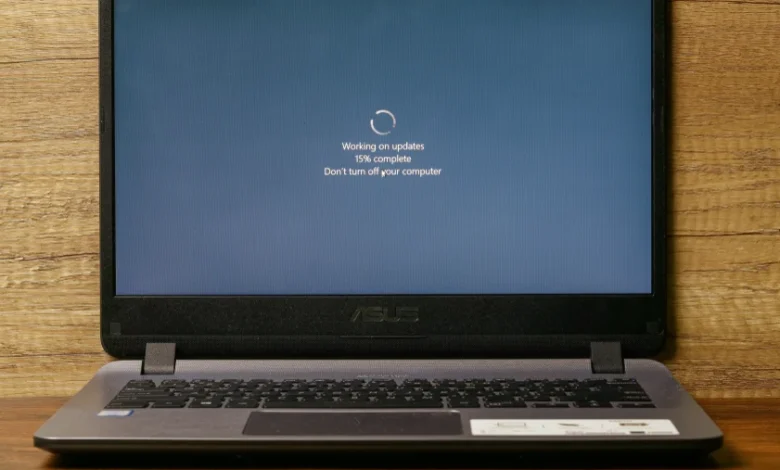
Microsoft Corp. today released software updates to plug at least 570 security holes in its Windows operating systems and other software, almost triple the number of vulnerabilities the software giant fixed in its record-smashing Patch Tuesday release last month. Microsoft attributed the burgeoning patch counts to vulnerability discoveries aided by artificial intelligence.
The sheer volume of patches released by Microsoft on this particular Patch Tuesday, July 9, 2026, marks a significant escalation in the ongoing cybersecurity arms race. This release not only dwarfs previous records but also signals a fundamental shift in how software vulnerabilities are being discovered and addressed, with artificial intelligence emerging as a powerful, albeit double-edged, sword. The company’s proactive approach, while commendable in its thoroughness, also highlights the escalating complexity of securing modern software ecosystems.
A Barrage of Patches: Understanding the Scope and Severity
This latest Patch Tuesday delivered an unprecedented 570 security fixes, a stark contrast to the approximately 200 vulnerabilities addressed in the previous month’s release. This surge is directly linked to the increasing efficacy of AI-powered tools in identifying potential weaknesses within Microsoft’s vast software portfolio. The implications of this exponential growth in patch counts are far-reaching, demanding increased vigilance from IT departments and end-users alike.
Among the 570 vulnerabilities addressed, a concerning nearly 60 were classified as "critical." This designation signifies flaws that could allow malicious actors to gain remote control of a Windows device with minimal user interaction. Such vulnerabilities are prime targets for exploitation, as they offer a low barrier to entry for cybercriminals seeking to compromise systems for data theft, ransomware deployment, or launching further attacks.
Furthermore, Microsoft’s July update addressed three zero-day vulnerabilities, a category of flaws that are actively being exploited in the wild before a patch is available. The fact that two of these zero-days were already under active attack underscores the urgency with which users need to apply these updates. Zero-day exploits are particularly dangerous due to the lack of prior knowledge and defense mechanisms against them, often leading to widespread damage before security vendors can develop and distribute fixes.
Critical Vulnerabilities and Emerging Threats
The July Patch Tuesday included fixes for several critical vulnerabilities, two of which were identified as elevation of privilege flaws. These types of bugs allow an attacker to gain higher-level permissions on a compromised system, effectively transforming them from a standard user into an administrator. This grants them broad control over the affected device, enabling them to install malicious software, steal sensitive data, or disrupt operations.
Two specific elevation of privilege vulnerabilities highlighted in this release are:
- CVE-2026-56155: This flaw resides in Active Directory Federation Services (AD FS), a component crucial for single sign-on and identity management in enterprise environments. Exploiting this vulnerability could allow an attacker to gain elevated privileges within an organization’s network, potentially leading to a complete compromise of sensitive data and systems.
- CVE-2026-56164: A vulnerability in Microsoft SharePoint, a widely used collaboration and document management platform, also falls into the elevation of privilege category. Compromising SharePoint can grant attackers access to a vast amount of organizational data, including confidential documents, employee records, and project plans.
Another notable vulnerability addressed is CVE-2026-50661, a security feature bypass in Windows BitLocker. BitLocker is a full-disk encryption feature designed to protect data at rest. This bypass vulnerability, if exploited by an attacker with physical access to a device, could allow them to circumvent encryption and access sensitive data. While Microsoft indicated this bug has been publicly disclosed but not actively exploited, the potential for data breaches remains a significant concern for organizations and individuals who rely on BitLocker for data security.
The AI Revolution in Cybersecurity: A Double-Edged Sword
Microsoft Executive Vice President Pavan Davuluri, in a blog post on July 9, 2026, explicitly linked the increased volume of security updates to the growing role of artificial intelligence in vulnerability discovery. He stated that "The pace of vulnerability discovery is changing with advances in AI making it possible to find more issues, faster, across more code, with new mechanisms that can accelerate both discovery and analysis."
This statement confirms a trend that cybersecurity researchers have been observing for some time: AI is becoming an indispensable tool for both defenders and attackers. For Microsoft and other software vendors, AI algorithms can sift through vast codebases with unprecedented speed and accuracy, identifying complex patterns and potential weaknesses that might elude human analysts. This has led to a more proactive approach, allowing companies to discover and patch vulnerabilities before they can be exploited.
However, the same AI advancements that empower defenders also equip attackers. The ability of AI to analyze code and identify vulnerabilities at scale means that malicious actors can also accelerate their exploit development process. This creates a dynamic where the window of opportunity for attackers might shrink, but their capacity to launch widespread attacks in that shortened window increases.
A New Frontier: AI-Powered Exploits and the Exploitability Index
The rapid advancement of AI in vulnerability discovery is prompting a re-evaluation of traditional cybersecurity metrics. Jack Bicer, director of vulnerability research at Action1, drew attention to CVE-2026-48561, a critical remote code execution flaw in Microsoft Copilot, with a CVSS threat score of 9.6. This vulnerability, if exploited, would allow an unauthorized attacker to execute arbitrary code over a network. Microsoft’s advisory noted that an attacker could exploit this by hosting a malicious website that triggers crafted prompts to Copilot through Microsoft Edge for Android when a user visits the site. This particular example highlights how AI-powered features themselves can become targets or vectors for attack.
Microsoft has long utilized an "exploitability index" to estimate the likelihood of a vulnerability being exploited. However, some experts argue that this index, historically based on human ingenuity, may no longer accurately reflect the capabilities of AI-driven threat actors.
Satnam Narang, senior staff research engineer at Tenable, pointed out the limitations of Microsoft’s exploitability index in the face of AI. He cited an example where Microsoft initially rated a SharePoint zero-day vulnerability as "less likely" to be exploited, despite it being added to CISA’s Known Exploited Vulnerabilities list shortly after. Narang further referenced findings from Anthropic’s Red Team, where their AI model, Mythos Preview, was able to generate proof-of-concept exploits for a significant percentage of vulnerabilities rated as "Exploitation Less Likely" or "Exploitation Unlikely."
Narang’s assessment underscores a critical challenge: "What this means is that our way of looking at Patch Tuesday has changed, because the exploitability index is centered around humans, not AI tools, and as these tools continue to improve, defense needs to improve alongside it." This suggests a need for a recalibration of how vulnerabilities are prioritized and how quickly patches are deployed, taking into account the accelerated pace of AI-assisted exploit development.
The Industry-Wide Shift: A New Era of Patching Cadence
Microsoft is not alone in responding to the evolving threat landscape. Chris Goettl at Ivanti observed that the surge in Microsoft’s patch volume coincides with a broader industry trend of increasing patch cadence. Major software vendors are accelerating their update schedules to address vulnerabilities more frequently.
For instance, Adobe announced a shift to twice-monthly security bulletins, published on the second and fourth Tuesdays of each month, also citing AI as a catalyst for their faster patch cycles. Companies like Cisco, Mozilla, and Oracle are also releasing updates more frequently. In June 2026 alone, Google issued over 900 security fixes, demonstrating the widespread pressure on software providers to keep pace with the discovery and exploitation of vulnerabilities. This collective effort reflects a growing recognition within the industry that a more agile and responsive patching strategy is essential for maintaining robust cybersecurity.
Recommendations for Users and Organizations
Given the monumental scale of this July Patch Tuesday release, end-users and IT administrators are advised to proceed with caution. While applying security updates promptly is crucial, the sheer volume of patches introduces a higher probability of introducing system stability issues.
Key recommendations include:
- Prioritize Critical and Zero-Day Updates: While all patches are important, zero-day vulnerabilities and critical flaws should be addressed with the utmost urgency. Organizations should have robust systems in place to identify and deploy patches for these high-risk issues immediately.
- Consider a Staggered Rollout: For large organizations, deploying such a massive batch of updates simultaneously can be risky. A staggered rollout approach, starting with a pilot group of less critical systems, can help identify potential conflicts or stability problems before widespread deployment.
- Backup Data: As always, backing up Windows systems and critical data before applying any operating system updates is a prudent measure. This ensures that data can be restored in the unlikely event of a patch-related failure.
- Monitor for Stability Issues: After applying updates, closely monitor system performance and stability. Be prepared to roll back updates if significant issues arise.
- Stay Informed: Keep abreast of security advisories from Microsoft and other vendors, as well as from reputable cybersecurity research firms. Understanding the nature and potential impact of vulnerabilities is key to effective risk management.
The July 2026 Patch Tuesday is a watershed moment, illustrating the profound impact of AI on cybersecurity. It underscores the need for continuous adaptation in defense strategies, a heightened awareness of emerging threats, and a commitment to rigorous patching and security best practices across the entire software ecosystem. The arms race has undoubtedly entered a new, faster phase, and the cybersecurity community must evolve accordingly.