Oura Files Fresh Lawsuit Against Rival Ultrahuman, Threatening U.S. Smart Ring Expansion

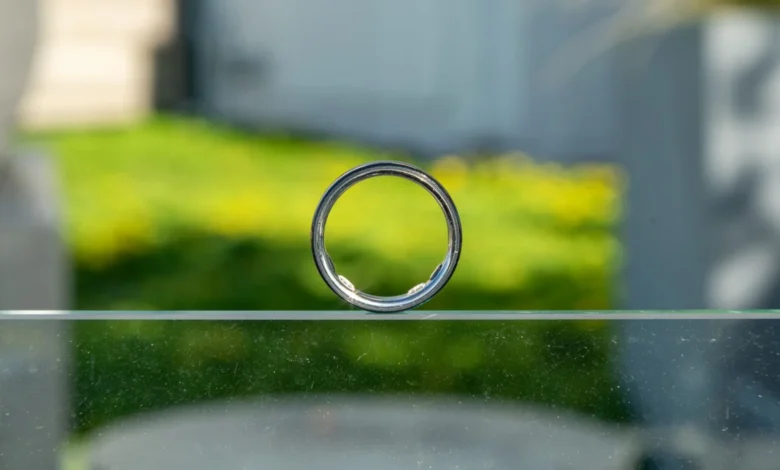
The smart ring market has long been defined by fierce competition, rapid innovation, and aggressive legal maneuvering. The rivalry between industry pioneer Oura and fast-rising competitor Ultrahuman reached a new boiling point following the filing of a fresh patent infringement lawsuit. Oura has targeted Ultrahuman’s flagship device, the Ring Pro, alleging that the wearable violates several core design and internal component patents. This latest legal challenge threatens to disrupt Ultrahuman’s strategic comeback into the lucrative United States market, setting the stage for another high-stakes courtroom battle over intellectual property in the booming wearable technology sector.
According to legal filings and industry reports, Oura’s latest lawsuit centers around critical internal hardware components. Specifically, Oura claims that the Ultrahuman Ring Pro unlawfully incorporates patented designs related to the ring’s curved battery, circuit board, internal magnets, and specialized sensors. The timing of the lawsuit has raised eyebrows across the tech industry. Oura was officially granted patent number 12,769,363—covering several of these internal hardware configurations—on October 20. Just two days later, Oura initiated legal action against its rival, seeking substantial monetary damages alongside injunctive relief aimed at halting the distribution of the disputed hardware.
Oura’s leadership has made no secret of its frustration regarding what it views as systematic intellectual property theft. In a formal statement released following the filing, an Oura spokesperson did not mince words. "Ultrahuman has a history of copying Oura’s innovations, as demonstrated by the 2025 International Trade Commission ruling against the company," the spokesperson stated. "Ultrahuman introduced a redesigned ring but failed to address continued infringement of Oura’s patents."
Ultrahuman, however, has firmly pushed back against the allegations. Mohit Kumar, co-founder and CEO of Ultrahuman, addressed the timing and substance of the lawsuit directly in statements to technology publications. Kumar highlighted the unusual proximity between the patent’s approval date and the initiation of the lawsuit. "Oura has now chosen to assert different patents, including one that was issued just two days before this lawsuit was filed," Kumar noted. Despite the looming legal threat, Ultrahuman maintains that the current lawsuit has not secured an emergency injunction, meaning the Ring Pro remains fully available for purchase by consumers across the United States.
A History of Escalating Tensions and Cross-Litigation
To understand the current friction between Oura and Ultrahuman, one must examine the broader timeline of their escalating feud. The rivalry extends far beyond this single patent dispute, characterized by a series of tit-for-tat legal actions and strategic positioning on the global stage.
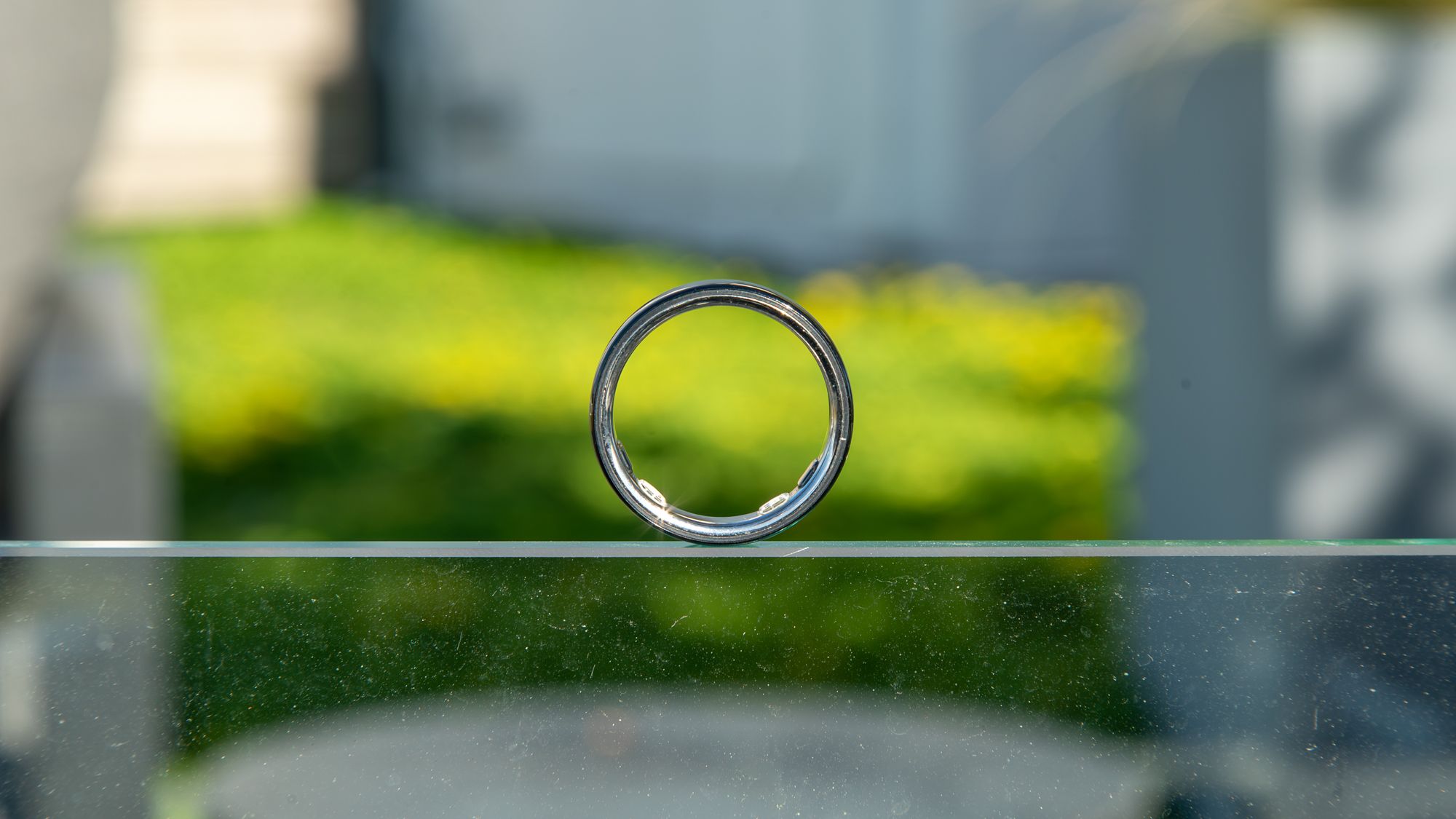
For years, Oura dominated the smart ring landscape largely unchallenged, establishing a robust portfolio of patents covering form factors, internal sensor placement, and biometric tracking algorithms. However, as the wearable health market expanded, international competitors emerged eager to capture market share. Ultrahuman carved out a distinct niche by emphasizing open health data and accessible software features, positioning itself as a consumer-friendly alternative to Oura’s ecosystem.
The legal hostility boiled over in 2025 when the rivalry shifted from the marketplace to the courtroom. In a counter-offensive move, Ultrahuman filed a high-profile lawsuit against Oura, accusing the market leader of infringing upon its own patented smart ring technologies. That dispute specifically targeted Oura’s Ring 4, with Ultrahuman claiming that its rival had misappropriated key innovations related to advanced sleep tracking, circadian rhythm monitoring tools, and comprehensive women’s health features.
Beyond hardware and algorithmic patents, the philosophical divide between the two companies has fueled consumer and industry debate. Ultrahuman positioned its legal actions not merely as routine patent defense, but as a broader mission to champion open health data and highlight international innovation. Furthermore, the companies employ fundamentally different monetization strategies. Ultrahuman offers its suite of advanced tracking features, metrics, and insights without a recurring paywall through its software ecosystem, known as PowerPlugs. In contrast, Oura relies heavily on a subscription-based model, requiring users to pay a monthly fee to access their comprehensive biometric data and long-term health insights.
Strategic Expansion Amid Regulatory and Legal Hurdles
The stakes of the current lawsuit are particularly high for Ultrahuman due to its rocky history with U.S. market entry. The company previously faced significant regulatory and logistical hurdles, including import restrictions and legal challenges that temporarily stifled its presence in the United States.
The launch of the Ultrahuman Ring Pro was designed to be the company’s definitive ticket back into the American market, offering consumers an alternative equipped with a remarkable 15-day battery life and advanced health monitoring capabilities, such as its biointelligent "Jade" AI assistant. By attempting to block the Ring Pro through patent litigation, Oura is directly threatening Ultrahuman’s commercial momentum in the world’s largest consumer technology market.
Despite the legal cloud hanging over its hardware, Ultrahuman has continued to push forward with aggressive software updates and ecosystem expansions throughout 2026. In an effort to differentiate its product and deliver clinical-grade value to users, the company recently announced a strategic partnership with HealthEx. This integration allows users to seamlessly sync their official medical records directly into the Ultrahuman application. By bridging the gap between consumer wearable data and formal clinical records, users can compare their smart ring insights against professional medical diagnostics and share concrete reports with their healthcare providers.

Additionally, Ultrahuman rolled out a specialized feature known as "Heart Scan" for the Ring Pro. Designed to provide rapid cardiovascular assessments, the tool requires just sixty seconds of data collection to deliver a snapshot of the user’s heart condition. These continuous software and service enhancements underscore Ultrahuman’s strategy to build a sticky, health-centric ecosystem that transcends simple hardware sales, even as legal battles threaten its physical distribution channels.
Broader Implications for the Smart Ring Market
The ongoing legal warfare between Oura and Ultrahuman carries significant implications for the broader wearable technology industry. As smart rings transition from niche novelty items to mainstream health and fitness staples—with tech giants like Samsung and Apple casting their gaze toward the form factor—intellectual property rights will dictate market survival.
For Oura, aggressive patent enforcement is a crucial mechanism to protect the immense capital investments it made in establishing the smart ring category. By aggressively litigating against competitors using freshly issued internal-component patents, Oura aims to establish legal precedents that could deter other international manufacturers from entering the U.S. market with similar form factors.
Conversely, for emerging players like Ultrahuman, navigating these legal minefields is a necessary trial of global expansion. The outcome of this lawsuit—and whether courts ultimately grant injunctions against disputed hardware components—will shape how freely international companies can compete against entrenched market leaders in North America.
As the legal proceedings unfold in the coming months, industry analysts will be closely monitoring how both companies balance courtroom strategies with ongoing product innovation. Whether through binding settlements, licensing agreements, or further litigation, the resolution of this dispute will permanently alter the competitive landscape of the smart ring industry, ultimately determining consumer choice and pricing models for years to come.