Renowned Illustrator John Kenn Mortensen Brings His Macabre Vision to Video Games with Dark Fantasy Deckbuilder FLASK

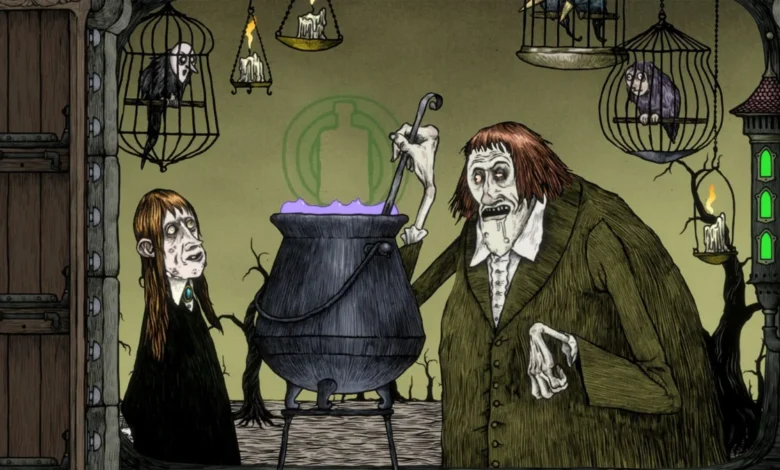
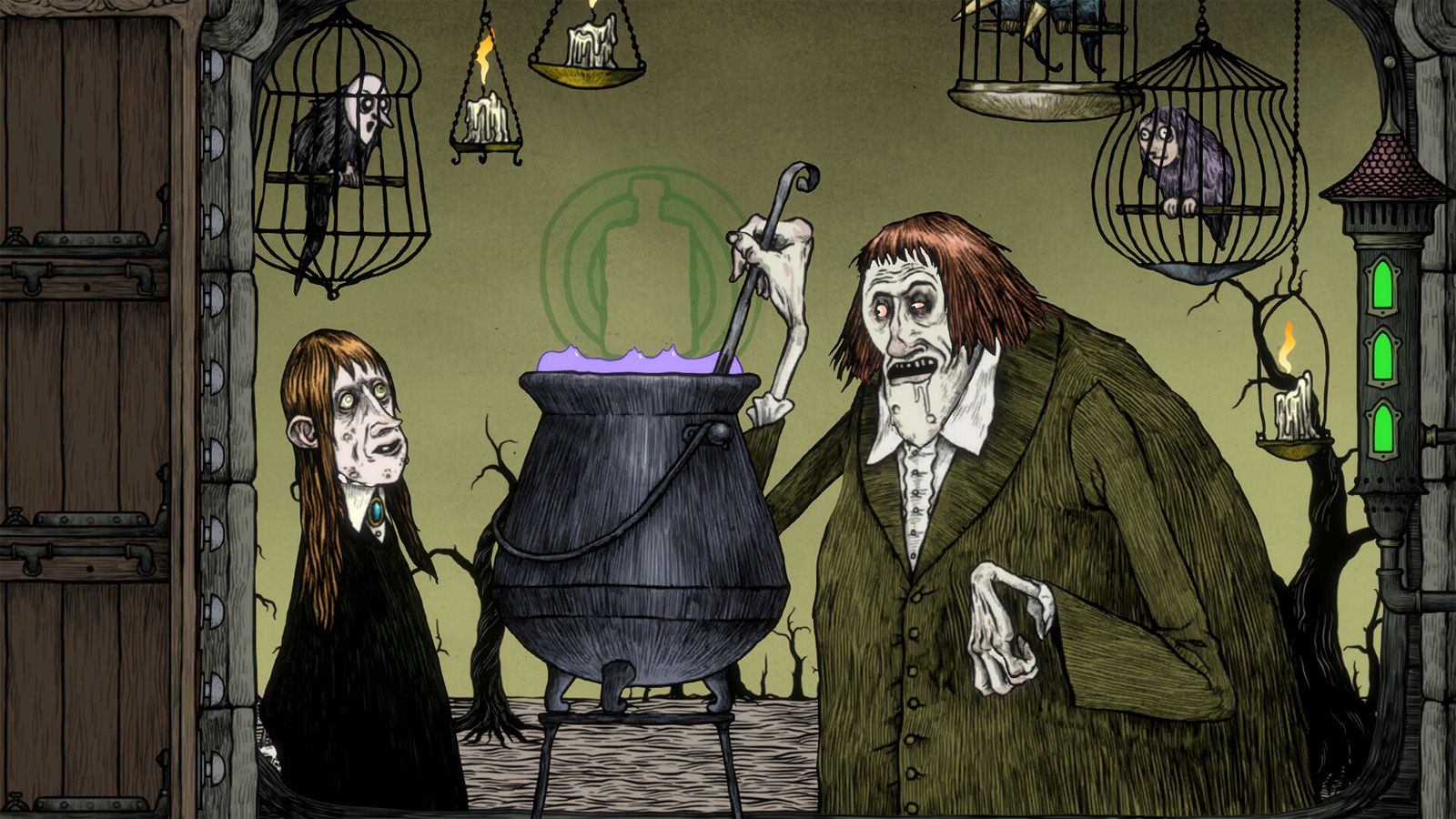
The boundary between traditional pen-and-paper illustration and interactive digital entertainment continues to blur as acclaimed Danish artist John Kenn Mortensen steps into the video game industry. Best known for his unsettling, grotesque, and deeply atmospheric sticky-note and paper sketches, Mortensen has partnered with independent studio Chop Chop Games to establish the visual foundation for FLASK, a dark fantasy roguelike deckbuilder. Released on Steam to coincide with the Halloween season, the title marries medieval gloom, aggressive thrash metal sensibilities, and dark humor into a playable dark fantasy ecosystem. This collaboration marks a significant milestone not only for the artist—whose career spans books, comics, television, and gallery exhibitions—but also for indie game development seeking distinctive, auteur-driven aesthetics in an increasingly crowded digital marketplace.
Background Context and Inspirations
Mortensen’s signature artistic style has long resonated with fans of the macabre. Characterized by dense, erratic line work, hunched oddballs, and towering monsters lurking just beyond the edge of visibility, his monochrome drawings evoke a sense of Victorian gothic horror mixed with childhood nightmares. Describing his artistic philosophy, Mortensen often compares his work to a darkened room with a single door left slightly ajar, letting in a sliver of revealing light.
The aesthetic blueprint for FLASK draws heavily from two distinct cultural pillars: Jim Henson’s 1986 cult classic fantasy film Labyrinth, which celebrates its 40th anniversary milestone, and the relentless, high-octane energy of thrash metal pioneers Slayer. This unusual pairing informs both the game’s creature design and its narrative tone. Rather than presenting a straightforward high-fantasy epic, FLASK introduces players to a world where ancient and terrifying magic coexists with mundane, darkly humorous societal anxieties—such as the looming threat of a wizard struggling to pay the mortgage on his crumbling tower.

Chronology and Development Odyssey
The partnership between Mortensen and Chop Chop Games—spearheaded by studio co-founders and developers Dario and Michael—began with established mechanical frameworks. Before Mortensen’s monsters entered the picture, the studio laid down the core mechanics typical of modern roguelike deckbuilders and auto-battlers, emphasizing theory-crafting and tactical card play.
Once the foundational gameplay loop was established, the integration of Mortensen’s art style required a delicate and lengthy transition. For an artist accustomed to working entirely solo with pen on paper, adapting to a collaborative digital pipeline presented unprecedented hurdles. The core challenge involved translating his stark, monochrome drawings into a vibrant, interactive digital medium without sacrificing the tactile, hand-crafted authenticity of his original sketches.
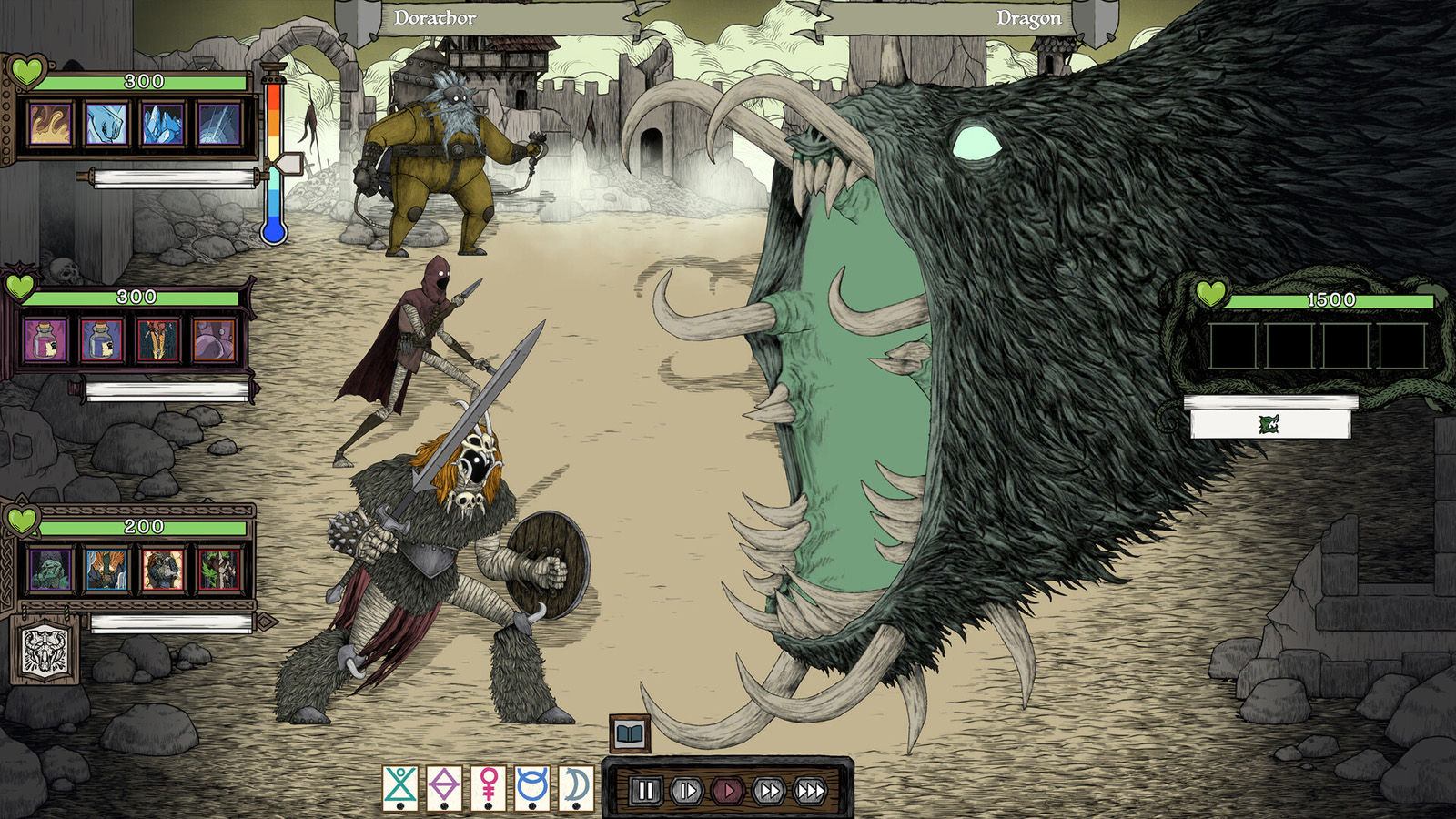
To achieve this, Chop Chop Games assembled a dedicated digital art team tasked with serving as a bridge between Mortensen’s traditional drawings and the game’s user interface. Working closely with external and internal digital artists, the team established a guiding rule: Mortensen’s signature visual style would represent the "real world" of the game, while contributing artists interpreted that world to design readable, functional card art and dynamic environmental backdrops. Through careful experimentation with color theory, lighting, highlights, and deep shadows, the team managed to inject spatial depth into flat line art, ensuring that the visual aesthetic and mechanical systems felt inextricably linked.
Industry Implications and the Evolution of Indie Art Styles
The collaboration on FLASK highlights a broader trend within the independent video game sector: the elevation of distinct, traditionally trained fine artists to principal creative roles. As the indie market expands, developers increasingly rely on unique, non-traditional visual identities to stand out against procedural generation and homogenized digital art pipelines.
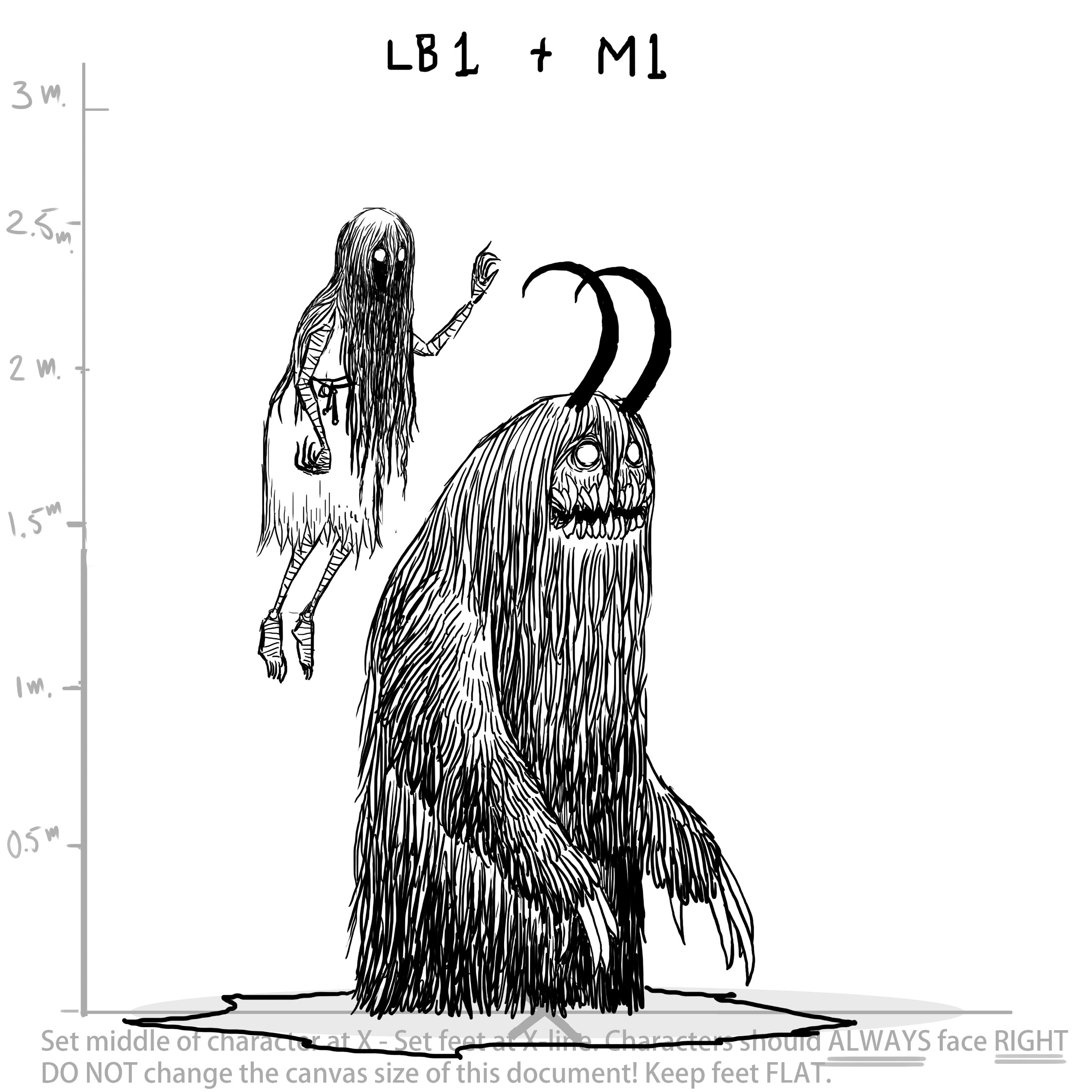
For Mortensen, moving into video games is merely the latest room explored in a diverse professional "house." Throughout his career, he has fluidly transitioned across television animation, live-action projects, print illustrations, and gallery spaces. His entry into game design demonstrates that traditional illustrators can successfully preserve their distinct voices within collaborative development teams, provided there is a strong mutual respect for the source material. Furthermore, the commercial and critical reception of FLASK serves as a test case for how hand-drawn, paper-born illustration can anchor complex digital mechanics like deckbuilding without sacrificing legibility or atmospheric tension.
Broader Impact and Future Outlook
As FLASK makes its debut on Steam, the project serves as a compelling proof-of-concept for cross-medium artistic collaborations. By anchoring intricate auto-battler mechanics in a cohesive, hand-crafted dark fantasy world inspired by classic puppetry and extreme metal, Chop Chop Games has delivered an experience that appeals equally to strategy enthusiasts and fine art collectors.
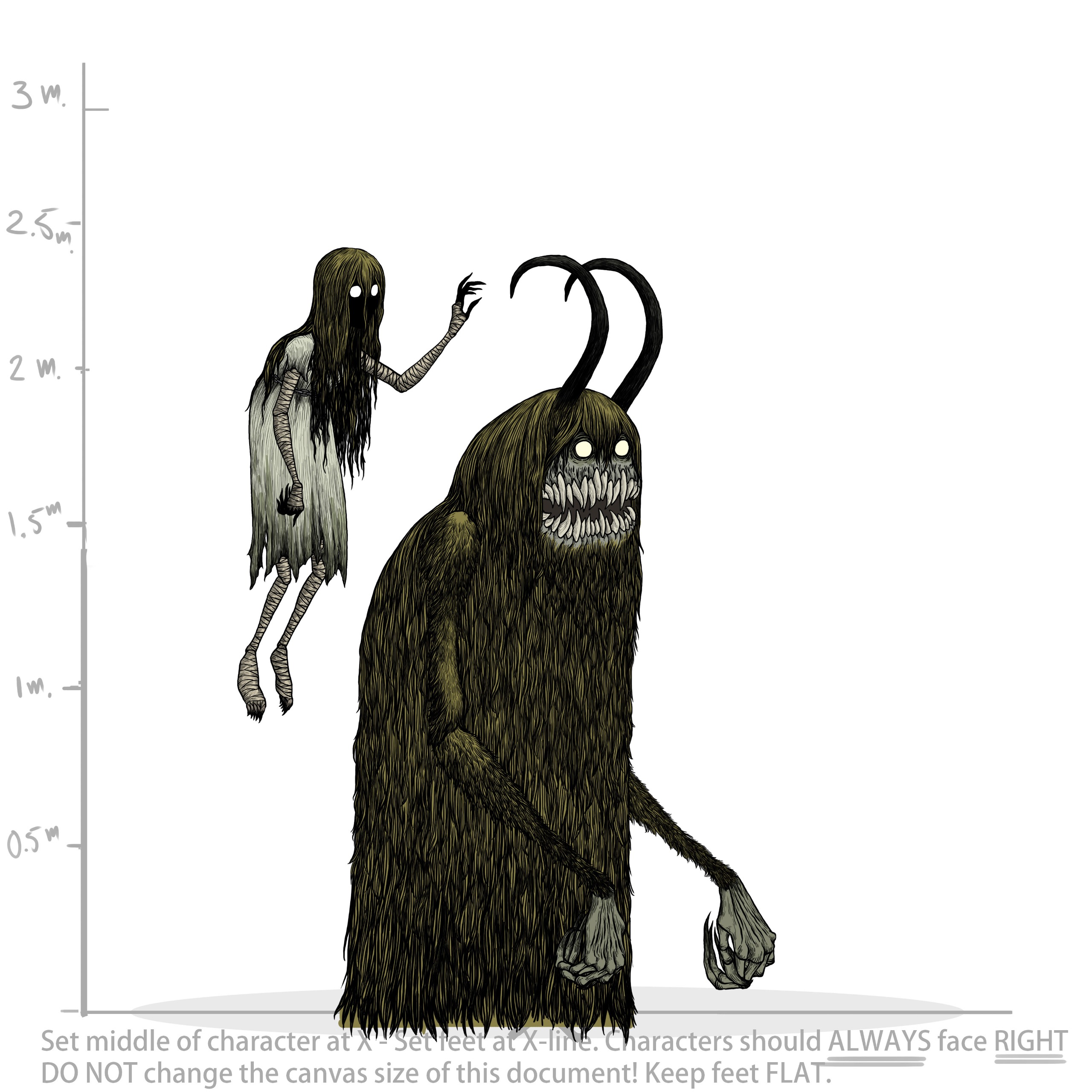
For Mortensen, the experience of building a digital world alongside a multidisciplinary team has unlocked a wealth of fresh creative directions. While he remains deeply rooted in his traditional methodologies, the technical challenges overcome during the development of FLASK—such as implementing color and environmental depth—are expected to influence his independent illustration and future multimedia endeavors. As digital storefronts continue to prioritize artistic distinction, projects like FLASK point toward a promising future where traditional craftsmanship and interactive technology meet in the dark.