The Future of Filmmaking and the Democratization of Cinema through Lightcraft Spark

The traditional architecture of Hollywood, long defined by a rigid hierarchy of studio executives, massive capital requirements, and exclusive access to high-end hardware, is currently undergoing a fundamental transformation. For decades, the barrier to entry for aspiring filmmakers was a formidable checklist: multi-million dollar budgets, deep industry connections, studio backing, and a fleet of expensive cameras operated by massive crews. However, the emergence of viral sensations like The Backrooms and Obsession has signaled a paradigm shift. These projects, often characterized by their ambitious narratives and unique aesthetics, were built outside the traditional studio system using accessible tools like Blender. The global success of The Backrooms—which reportedly generated $367 million in global impact on a negligible initial production budget—demonstrates a growing audience appetite for new ideas and diverse voices that bypass the conventional gatekeeping mechanisms of the film industry.
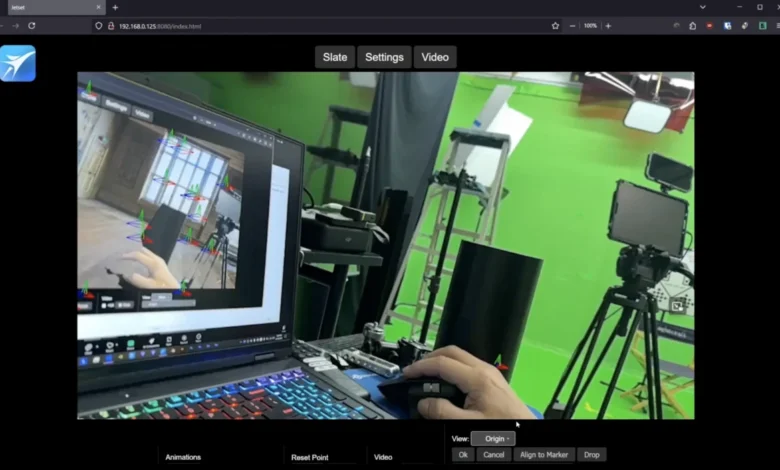
At the center of this technological revolution is Eliot Mack, CEO and co-founder of Lightcraft Technology. Mack posits that the current era is defined by the unprecedented speed at which new talent can rewrite the established rules of cinema. According to Mack, the next significant shift in filmmaking is not merely about reducing costs but about democratizing the entire creative process. This evolution is being spearheaded by platforms like Lightcraft Spark, an AI-assisted filmmaking environment designed to bridge the gap between a written screenplay and 3D production planning. By integrating creative decisions into a shared 3D space, Spark allows filmmakers to explore, test, and visualize their worlds long before the cameras begin to roll.
The Technological Foundation of Lightcraft Spark
Lightcraft Spark is positioned not just as a software tool, but as a comprehensive creative backbone for modern production. Set for a major reveal at SIGGRAPH 2026, the platform is built on several key technological pillars: a screenplay-centric interface, a centralized 3D database, and real-time collaboration capabilities accessible via web browsers or mobile devices. This "script-first" focus is specifically designed to empower writers and creatives who may be new to the technical rigors of 3D filmmaking, allowing them to see how their narrative beats translate into a visual environment.

Historically, filmmaking has been segmented into "islands"—pre-production, production, and post-production—that rarely communicate effectively. This lack of integration often leads to projects being "made three times over," with significant data loss and creative confusion at each transition. Spark addresses this by providing a common data backbone, utilizing industry-standard technologies such as Universal Scene Description (USD) and high-precision tracking. This ensures that a creative decision made during the writing phase—such as the positioning of a character or the lighting of a scene—is preserved throughout the entire production pipeline.
A Chronology of the Indie Revolution
The journey toward this technological inflection point has been building for over two decades. The early 2000s saw the rise of digital cinematography, which lowered the cost of capturing images. The 2010s introduced powerful, free, or low-cost software like Blender and Unreal Engine, which brought high-end visual effects (VFX) within reach of individual creators. By the early 2020s, the "YouTuber-to-A24" pipeline became a reality, exemplified by Kane Parsons, the teenage creator of The Backrooms.
Parsons utilized Blender to create a 30,000-square-foot virtual set, a feat that would have cost millions in a traditional physical environment. His ability to pre-visualize and execute complex horror sequences caught the attention of major studios, leading to a feature film deal with A24. This trajectory illustrates a new reality: studios are no longer just gatekeepers; they are increasingly acting as talent scouts, scouring platforms like YouTube and Reddit for creators who have already proven their ability to build a "rabid community base."
Redefining the Studio-Creator Relationship
As tools like Spark become more prevalent, the traditional role of the Hollywood studio is expected to undergo a significant realignment. Eliot Mack suggests that the industry will move away from an "overseer and decider" model toward something resembling modern venture capital or a high-powered incubator. In this new ecosystem, the studio provides the resources to scale a project that has already been conceptually proven through digital tools.

The "seeing is believing" scenario enabled by Spark allows filmmakers to show, rather than just pitch, their vision. Traditionally, pitching a film required executives to mentally convert a black-and-white script into a visual experience—a process fraught with misunderstanding. By providing a 3D "screen test" for a film’s aesthetic and tone, Spark enables creators to set their own terms. Instead of starting in a studio mailroom, talent like Curry Barker and Kane Parsons can enter negotiations with a fully realized visual proof-of-concept, forcing studios to pitch to the creators rather than the other way around.
Impact on Aesthetics and Genre
The rise of micro-budget viral films has introduced a new aesthetic to the cinematic lexicon: raw, imperfect, and emotionally resonant. While traditional studios often prioritize "polish," the success of recent indie hits suggests that audiences value "heart" and "spectacle" in equal measure. Lightcraft Spark is designed to amplify these unique aesthetics rather than forcing them into a standardized "studio-grade" look.
The platform automates the mundane technical tasks that often bog down small teams, such as data tracking and shot organization. This allows filmmakers to focus on the creative "playground." Mack notes that while horror has traditionally been the "on-ramp" for new talent due to its lower budget requirements and high audience engagement, the democratization of 3D tools will likely see this talent move into more expansive, long-form genres. As creators gain the ability to build vast worlds at a fraction of the previous cost, the distinction between "indie" and "blockbuster" will continue to blur.
The Five-Year Outlook: A Systematic Shift
Looking five years into the future, the "typical" indie production will likely bear little resemblance to the workflows of today. The "solitary, isolated process" of staring at a blank page is expected to be replaced by a collaborative, playful environment where writers, directors, and DPs workshop scenes in a virtual 3D space from day one.
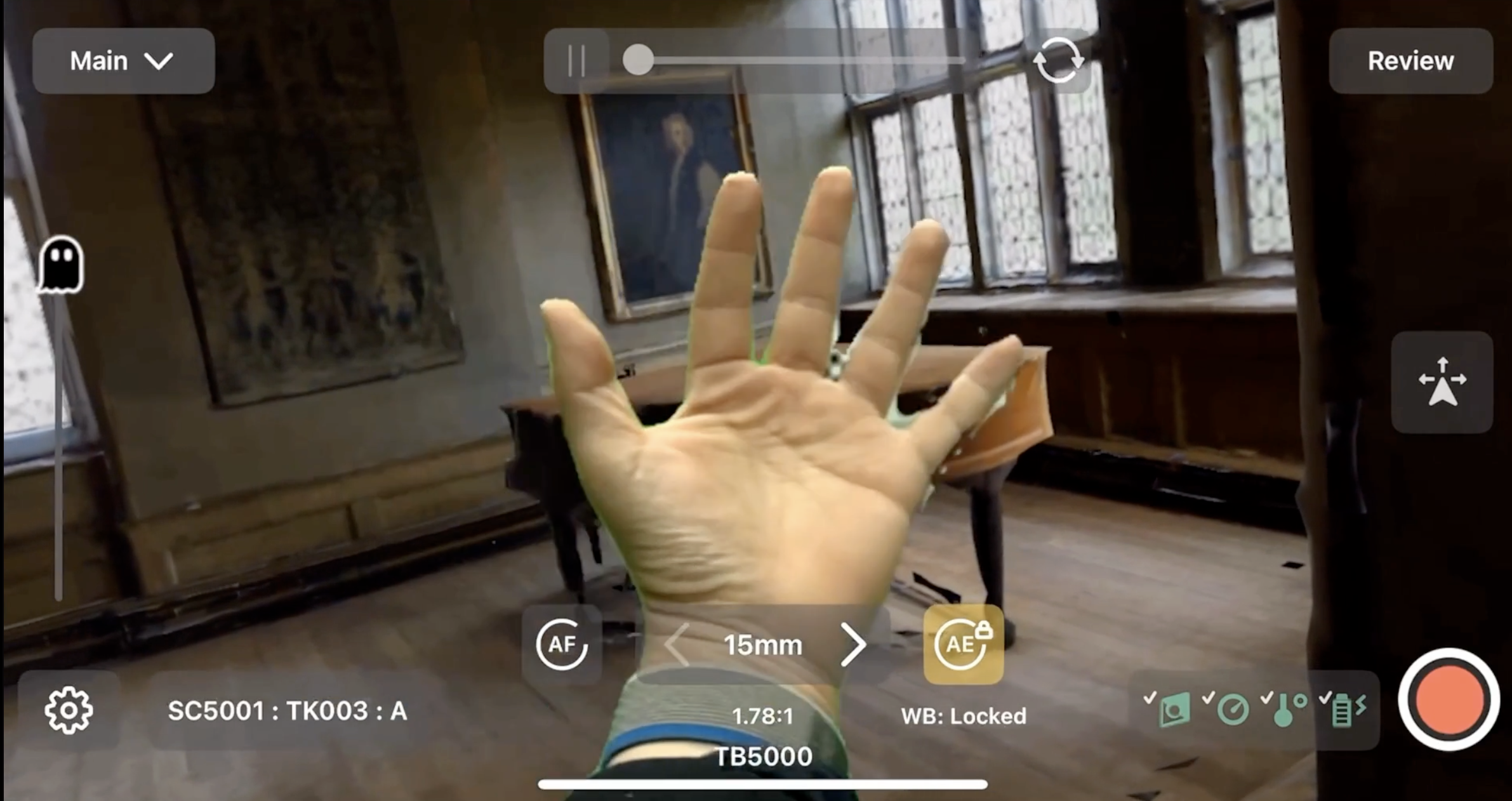
In this future, "pre-shooting" a project will become the industry status quo. By the time a crew arrives on a physical set, every camera angle, lighting setup, and movement will have been tested and refined in Spark. This level of preparation was what allowed The Backrooms to maintain high production values on a relatively lean budget. Furthermore, the "black hole" of post-production will be illuminated, as every shot is tracked and viewed in situ within the centralized 3D database.
Broader Implications for the Creative Class
The democratization of filmmaking technology carries profound implications for the global creative class. By removing the financial and institutional barriers to entry, platforms like Spark are enabling a more diverse range of stories to reach the screen. The focus is shifting from "what a financial class wants to finance" to "what a creative class wants to make."
This shift also addresses the long-standing issue of "consistency at scale." Small to mid-sized teams have historically struggled to maintain visual consistency across hundreds of VFX shots. By organizing everything around the screenplay and a shared 3D source of truth, Spark ensures that everyone on a team—regardless of their physical location—is working from the same "ground truth."
Ultimately, the goal of Lightcraft Technology and the Spark platform is to make the filmmaking process feel less disjointed and more intuitive. As Mack concludes, the future belongs to those who can move "light and fast," using technology to clear the road for storytelling that transports and connects with audiences. The success of micro-budget pioneers has already proven that the rules have changed; tools like Spark are simply ensuring that those changes become systematic and repeatable for the next generation of filmmakers.