Roblox Rolls Out New Age-Gated Account Types Amidst Intensified Child Safety Scrutiny

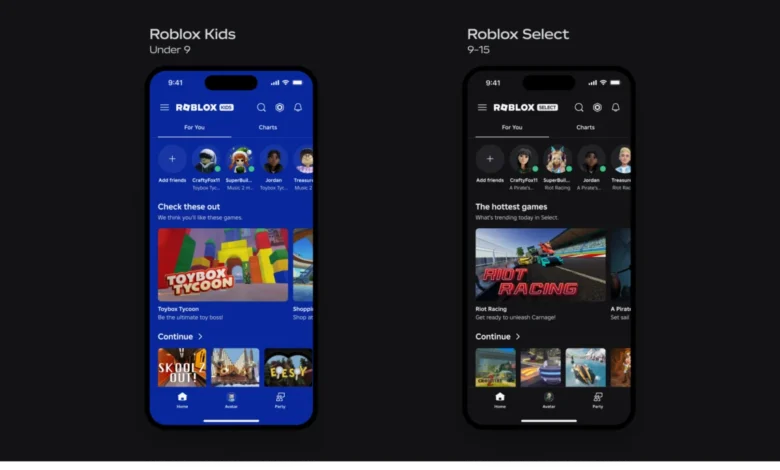
Roblox, a global immersive platform, announced on Monday the introduction of new account types specifically designed to provide children and younger teenagers with age-appropriate access to its vast ecosystem of games and chat functionalities. This significant strategic shift, slated for a global rollout beginning in early June, comes as the company continues to navigate a complex landscape of child safety concerns, regulatory pressure, and ongoing legal challenges. The move represents a concerted effort to enhance user safety and align with evolving expectations for platforms catering to a young demographic.
The implementation of these tiered accounts is a direct consequence of Roblox’s mandatory age verification system, which was globally enforced for all users wishing to access chat features in January 2026. This foundational age-check technology will now serve as the primary mechanism for assigning users to their respective new account categories. Notably, users who opt not to complete the age verification process will face immediate restrictions, gaining access only to a curated selection of games rated suitable for younger audiences. This policy underscores Roblox’s commitment to ensuring that content consumption is aligned with verified age, even if it means limiting access for unverified users.
A Multi-Tiered Approach to User Access
The new system categorizes users into three primary age groups, each with distinct access privileges and content restrictions, alongside a specific tier for highly mature content:
- Roblox Kids (Ages 5-9): This account type is tailored for the platform’s youngest users, restricting access to games with "Minimal" or "Mild" content ratings. These ratings specifically encompass experiences featuring occasional mild violence, mild crude humor, and occasional mild fear, ensuring a largely benign environment. Crucially, chat functionality will be disabled by default for users in this category. For communication to occur, parents must actively select and approve specific individuals with whom their child is permitted to chat, providing a robust layer of parental control over social interactions.
- Roblox Select (Ages 9-15): Designed for pre-teens and younger teenagers, "Roblox Select" accounts will grant access to games rated up to "Moderate." This tier allows for a broader range of experiences while still maintaining safeguards against highly mature content. Users within this category will be able to engage in chat with others within a similar age group, fostering social interaction under more controlled conditions than a fully open chat environment.
- Standard Roblox (Ages 16 and Up): This tier serves as the default for users aged 16 and above, offering access to the broader spectrum of content available on the Roblox platform, excluding explicitly restricted content.
- Restricted Content (Ages 18 and Up): Only users who are verified to be 18 years or older will be able to access "Restricted Content." This category specifically includes experiences featuring strong violence, romantic themes, strong language, and other mature subject matter. This delineation is critical for segregating adult-oriented content from the general user base, particularly minors.
Roblox has indicated that a transition period will be provided, allowing existing users ample time to complete the age-check process and be appropriately assigned to their new account types. This phased approach aims to minimize disruption for its massive user base, which, according to recent reports, boasts over 70 million daily active users globally, with a significant proportion being under the age of 16.
Enhanced Parental Control and Oversight

A key feature of the new account structure is the enhanced parental control options. Parents will retain the ability to override default restrictions for their children’s accounts, allowing them to approve specific games that might otherwise be unavailable. For instance, if a younger sibling with a "Roblox Kids" account wishes to play a game with an older sibling that falls outside their default access, a parent can grant explicit permission for that particular game. This granular control empowers parents to tailor their children’s Roblox experience while still benefiting from the platform’s new safety defaults. This flexibility acknowledges the diverse family dynamics and individual needs, ensuring that safety measures do not entirely stifle shared experiences.
Rigorous Game Screening for Younger Audiences
To ensure the integrity of the age-gated content, both "Roblox Kids" and "Roblox Select" accounts will exclusively feature games that have successfully passed Roblox’s stringent three-step screening criteria. This multi-layered vetting process is designed to proactively identify and filter out inappropriate content before it reaches younger users.
- Developer Verification: The initial step focuses on the creators themselves. Developers aspiring to have their games considered for "Roblox Kids" or "Roblox Select" accounts must first meet specific eligibility requirements. This includes, for developers under the age of 16, completing ID verification or maintaining a verified connection to a linked parent account. Additionally, all eligible developers must have two-step verification enabled on their accounts, adding a crucial layer of security. Furthermore, developers will now need an active Roblox Plus subscription. Launched just last week at $4.99 per month, Roblox Plus offers exclusive benefits, discounts on in-game items, and avatars. This new subscription will supersede Roblox Premium, which will cease accepting new sign-ups after April 30, 2026. This requirement for developers suggests a strategic move by Roblox to both monetize its creator tools and potentially use the subscription as an additional layer of vetting or commitment from developers.
- Real-time Evaluation: Following developer verification, Roblox will conduct a real-time evaluation of games. This involves a cohort of users aged 16 and older who will play the games first, providing crucial feedback and submitting reports. Roblox states that this feedback will be instrumental in assessing the overall experience and identifying potential issues before games are made available to younger users. Complementing this human review, Roblox will also deploy its sophisticated multimodal moderation system, leveraging AI and other technologies to automatically evaluate whether games violate its community standards and content policies.
- Gameplay Criteria and Content Maturity Labels: The final stage involves a thorough assessment of the game’s actual content and gameplay. Games must adhere to specific gameplay criteria and possess the appropriate content maturity label, ensuring that the experience aligns with the designated age group. This system of maturity labels, similar to those used in traditional gaming, provides clear guidance on the nature of content within each experience.
Background: A Response to Mounting Pressure and Legal Challenges
These comprehensive changes are not occurring in a vacuum but rather emerge from a period of intense scrutiny and legal challenges for Roblox. The platform has faced a wave of lawsuits from several U.S. states, including notable actions from the Attorneys General of Louisiana and Texas. These lawsuits, filed in August and November 2025 respectively, explicitly accused Roblox of prioritizing profit over child safety, alleging that the platform’s environment exposed young users to dangerous risks.
The legal actions followed damning investigative reports, including a detailed feature by Bloomberg in 2024 and research from Hindenburg Research, which highlighted critical vulnerabilities within the platform. These reports brought to light concerning issues such as the exposure of young users to explicit content, predatory grooming attempts, and exploitative monetization practices within user-generated content (UGC) experiences. The inherent nature of Roblox as a UGC platform, where millions of creators can publish experiences, presents unique moderation challenges that have drawn the attention of regulators and child safety advocates worldwide.
The increasing global focus on online child safety, exemplified by legislation like COPPA in the U.S. and GDPR-K in Europe, has placed significant pressure on major digital platforms to implement more robust protective measures. Roblox, with its vast and predominantly young user base, has been particularly under the microscope. This new age-gated account structure can be seen as a direct, albeit delayed, response to these pressures, aiming to demonstrate a proactive commitment to safeguarding its younger users.

Broader Implications and Future Outlook
The rollout of these new account types carries significant implications for Roblox’s vast ecosystem of users, developers, and its overall business strategy.
For users, the changes promise a safer, more tailored experience, particularly for children. Parents are likely to welcome the increased transparency and control, potentially boosting trust in the platform. However, some older teenagers (16-17) who might not have readily available ID for verification could face frustration if their access is restricted to "younger" content. The transition period will be crucial in mitigating initial user friction.
For developers, the new requirements, particularly the Roblox Plus subscription and the multi-step screening process, could introduce both opportunities and challenges. While it might streamline content discovery for family-friendly games, it could also create additional hurdles for smaller or independent developers. The incentive to create content that adheres to "Minimal," "Mild," or "Moderate" ratings will likely increase, potentially shaping the future content landscape of the platform towards more family-appropriate experiences. The requirement of a paid subscription for developers is also a clear monetization strategy, linking developer engagement to Roblox’s revenue streams beyond traditional in-game purchases.
From a regulatory perspective, these measures position Roblox as a leader in self-regulation within the UGC space, potentially influencing how other platforms approach age verification and content moderation for minors. It could serve as a blueprint or at least a significant point of reference in ongoing discussions about online child safety legislation globally. By taking decisive action, Roblox aims to preempt further legal challenges and strengthen its reputation as a responsible platform.
The introduction of Roblox Plus, alongside these safety initiatives, also indicates a strategic evolution in Roblox’s monetization and platform management. By tying developer eligibility to a subscription, Roblox is not only creating a new revenue stream but also potentially fostering a more professional and committed developer community, which could indirectly contribute to higher quality and safer content.
In conclusion, Roblox’s new age-gated account types represent a pivotal moment for the platform. Driven by intense public scrutiny and legal challenges, these comprehensive changes underscore a renewed commitment to child safety and age-appropriate experiences. While the rollout and its long-term effects on user engagement and the developer community remain to be fully seen, this initiative marks a significant step towards creating a more secure and trusted digital environment for its millions of young users, potentially setting a new standard for the immersive online platforms of the future. The effectiveness of these measures will ultimately be judged by their ability to foster a truly safe space while maintaining the platform’s innovative and engaging spirit.