Samsung Galaxy S27 Series Rumors Hint at Major Camera and Battery Overhauls Following Recent Unpacked Event

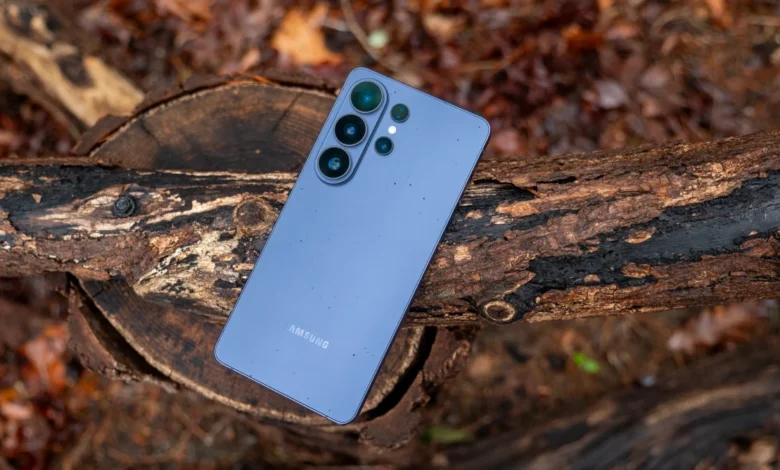
Following a bustling week marked by significant revelations at its latest Galaxy Unpacked event, Samsung is already generating buzz with early rumors circulating about its forthcoming flagship smartphone lineup, the Galaxy S27 series. These whispers suggest potential monumental shifts in core hardware components, specifically in camera technology and battery innovation, signaling a renewed strategic direction for the South Korean tech giant. The developments, still in their preliminary testing phases, could redefine the user experience for future Galaxy devices, setting a new benchmark in a fiercely competitive global smartphone market.
A Strategic Shift in Imaging: The Sony Sensor Speculation
One of the most intriguing rumors stems from Dutch publication Galaxy Club, corroborated by GSMArena, which suggests that the standard Galaxy S27 and Galaxy S27 Plus models might forgo Samsung’s proprietary ISOCELL camera sensors in favor of components from industry leader Sony. This would represent a significant departure from Samsung’s long-standing strategy of largely utilizing its in-house ISOCELL sensors for the main cameras in its flagship devices, particularly in regions where it also deploys its Exynos chipsets.
Samsung has historically maintained a dual-sourcing strategy for key components, most notably with its chipsets, often equipping its flagships with Qualcomm Snapdragon processors in markets like the United States and China, while using its Exynos chips in Korea and Europe. A similar approach with camera sensors, incorporating Sony’s technology, could indicate a pragmatic move to leverage the best available components to enhance photographic capabilities. The rumor specifically points to a 50-megapixel main sensor from Sony currently undergoing application testing for the S27 and S27 Plus. If these tests prove successful, and the integration proceeds to mass production, it could lead to a tangible improvement in image quality, particularly in areas where Sony sensors have traditionally excelled, such as dynamic range, low-light performance, and color accuracy.
The decision to potentially integrate Sony sensors could be driven by several factors. Sony Semiconductor Solutions is a dominant force in the image sensor market, supplying components to numerous leading smartphone brands. Their sensors are often lauded for their advanced engineering, robust pixel technology, and sophisticated image processing capabilities at a hardware level. For Samsung, adopting Sony’s proven technology could provide an immediate boost to the camera performance of its non-Ultra flagships, potentially closing the gap with competitors who already heavily rely on Sony’s offerings or pushing the envelope further. It also aligns with a broader industry trend where even major manufacturers are open to sourcing components from rivals if it translates into a superior end-product. This diversification could also mitigate potential supply chain risks associated with relying solely on internal manufacturing capacities for such critical components.
The Power Evolution: Silicon-Carbon Batteries on the Horizon
Alongside camera enhancements, the Galaxy S27 series is also rumored to benefit from advancements in battery technology. Tipster Lanzuk, posting on the Korean platform Naver, indicates that silicon-carbon battery technology is currently "undergoing application testing" for Samsung’s next-generation smartphones. This isn’t entirely new territory for Samsung, as the company has already integrated this cutting-edge battery tech into its latest foldable devices. The inclusion in the S27 series would mark a significant expansion of its adoption across Samsung’s premium portfolio.
Silicon-carbon batteries represent a notable upgrade over traditional lithium-ion batteries, primarily due to silicon’s much higher theoretical energy storage capacity compared to graphite, which is typically used in battery anodes. By incorporating silicon into the anode material, these batteries can achieve a higher energy density, meaning more power can be packed into the same physical volume or weight. This translates to either longer battery life for the same size, or a thinner, lighter device for the same battery capacity. Additionally, silicon-carbon composites can potentially support faster charging speeds and offer improved thermal management, which is crucial for preventing overheating and extending battery longevity.
Lanzuk’s report, however, notes that the battery capacity has "supposedly not increased" in the current testing phase. While this might initially temper enthusiasm, it’s a common characteristic of early-stage development for new battery chemistries. The focus at this juncture is often on validating the technology’s stability, safety, and integration capabilities rather than immediately maximizing capacity. Once the fundamental kinks are ironed out, engineers can then optimize for capacity, often by refining material composition or increasing the overall cell size within design constraints. The fact that Samsung’s latest foldables already feature this technology suggests a degree of confidence and ongoing commitment to its implementation, even if the capacity gains are incremental initially.
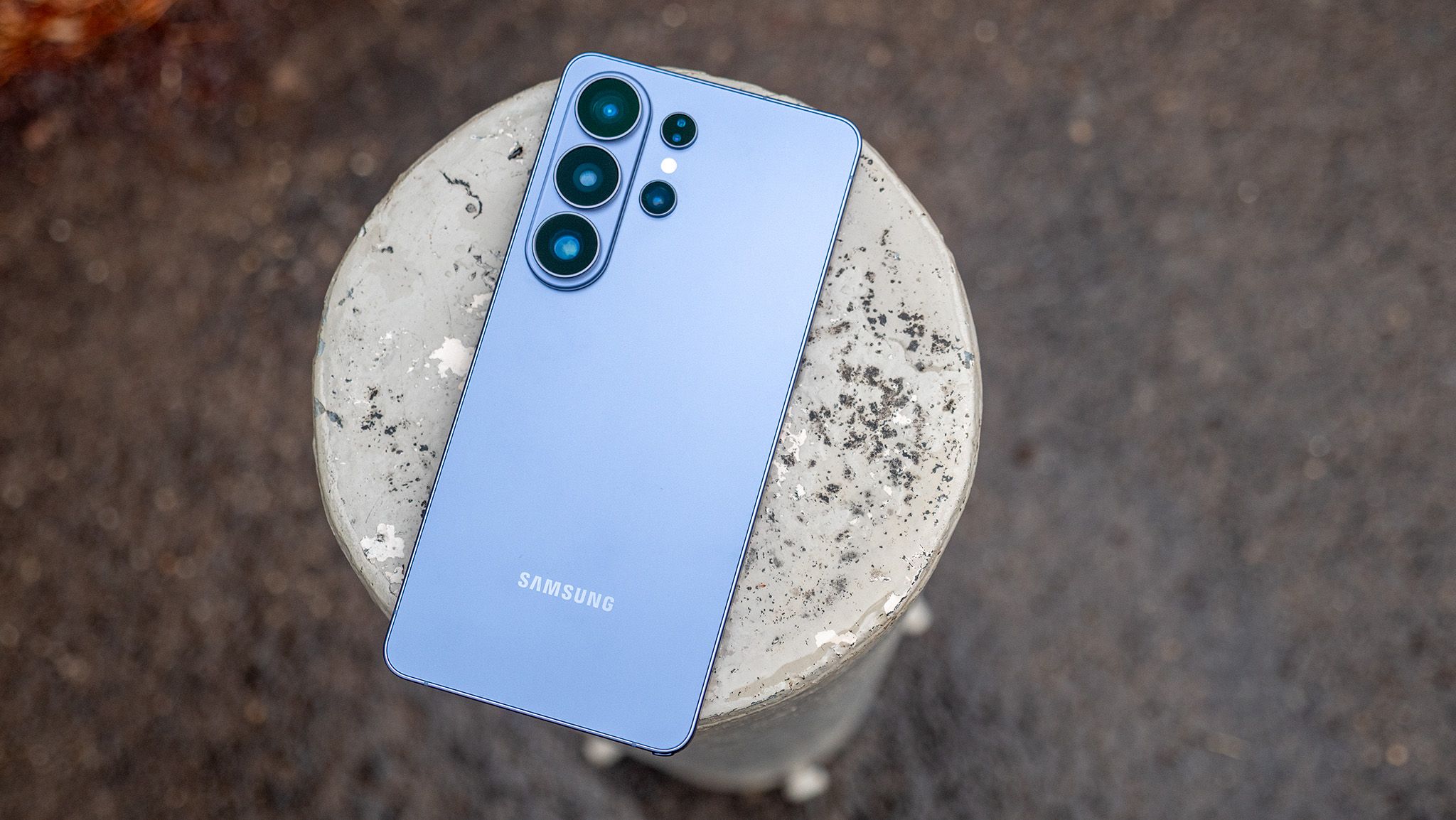
The move towards silicon-carbon batteries is crucial for Samsung to maintain competitiveness. While Samsung has made strides in battery efficiency, it has faced criticism for not always matching the raw battery capacities or rapid charging speeds offered by some Chinese competitors like Honor, Xiaomi, and OnePlus. Brands such as Honor, with devices like the Magic V6 (or V2 globally), have often pushed the boundaries of battery size and charging wattage, making battery life a key differentiator. By embracing silicon-carbon tech, even if capacity increases are staggered, Samsung is investing in a foundational technology that promises superior performance characteristics in the long run, positioning itself for future leaps in battery endurance and charging convenience.
Expanding the S27 Lineup: The Potential "Pro" Model
Further complicating (or enriching) the Galaxy S27 narrative are persistent rumors about an expanded lineup. Speculation suggests Samsung could introduce a fourth model to its S-series next year, potentially dubbed the "Galaxy S27 Pro." This would mark a significant shift from the current three-tier structure (standard, Plus, Ultra) and could be aimed at capturing a specific segment of the premium market.
The "Pro" model is rumored to feature camera capabilities that sit closer to the high-end Ultra experience but might differentiate itself with "entirely new sensors" or a unique combination of lenses, offering a distinct photographic proposition. Such a strategy could be designed to bridge the gap between the more accessible standard and Plus models and the ultra-premium, feature-packed Ultra variant. It would cater to users who desire advanced camera features and premium build quality without necessarily needing all the cutting-edge, often higher-priced, specifications of the Ultra model, such as its most advanced zoom capabilities or highest-megapixel sensor.
Introducing a Pro model could also be a response to market segmentation trends observed in the smartphone industry, where competitors like Apple and various Android brands offer "Pro" variants that balance price and premium features. This allows Samsung to target a broader demographic within the high-end market, potentially increasing overall sales volume and market share by providing more choice at different price points for premium-seeking consumers. The success of such a model would hinge on its ability to offer a compelling feature set that justifies its existence between the Plus and Ultra, particularly in camera performance and possibly display technology or design elements.
The Flagship Vision: Galaxy S27 Ultra’s Camera Ambitions
While the standard and Plus models might see a shift to Sony sensors, the top-tier Galaxy S27 Ultra is rumored to continue Samsung’s pursuit of photographic excellence with its in-house ISOCELL technology. Earlier reports suggested the S27 Ultra could sport an ISOCELL HP6 sensor, maintaining the impressive 200-megapixel resolution seen in its predecessors.
The megapixel count, while a prominent marketing figure, is only one aspect of camera performance. Samsung’s ISOCELL HP series sensors have demonstrated advanced capabilities in pixel binning – combining multiple pixels into one larger, more light-sensitive pixel – to deliver superior low-light performance and detail. The rumored HP6 sensor would likely bring further refinements in this area, along with improvements in autofocus speed, dynamic range, and video recording capabilities. The focus for the Ultra model often extends beyond raw megapixel counts to encompass larger sensor sizes, advanced optical image stabilization (OIS), and sophisticated computational photography algorithms that enhance the final image.
The S27 Ultra’s camera system is expected to remain a cornerstone of its appeal, featuring a versatile array of lenses, including ultra-wide, telephoto, and potentially periscope zoom lenses, all optimized to deliver a comprehensive and high-quality photography experience. The combination of hardware advancements and Samsung’s ever-improving software processing aims to solidify the Ultra’s position as one of the best camera phones on the market.
Industry Context and Competitive Landscape
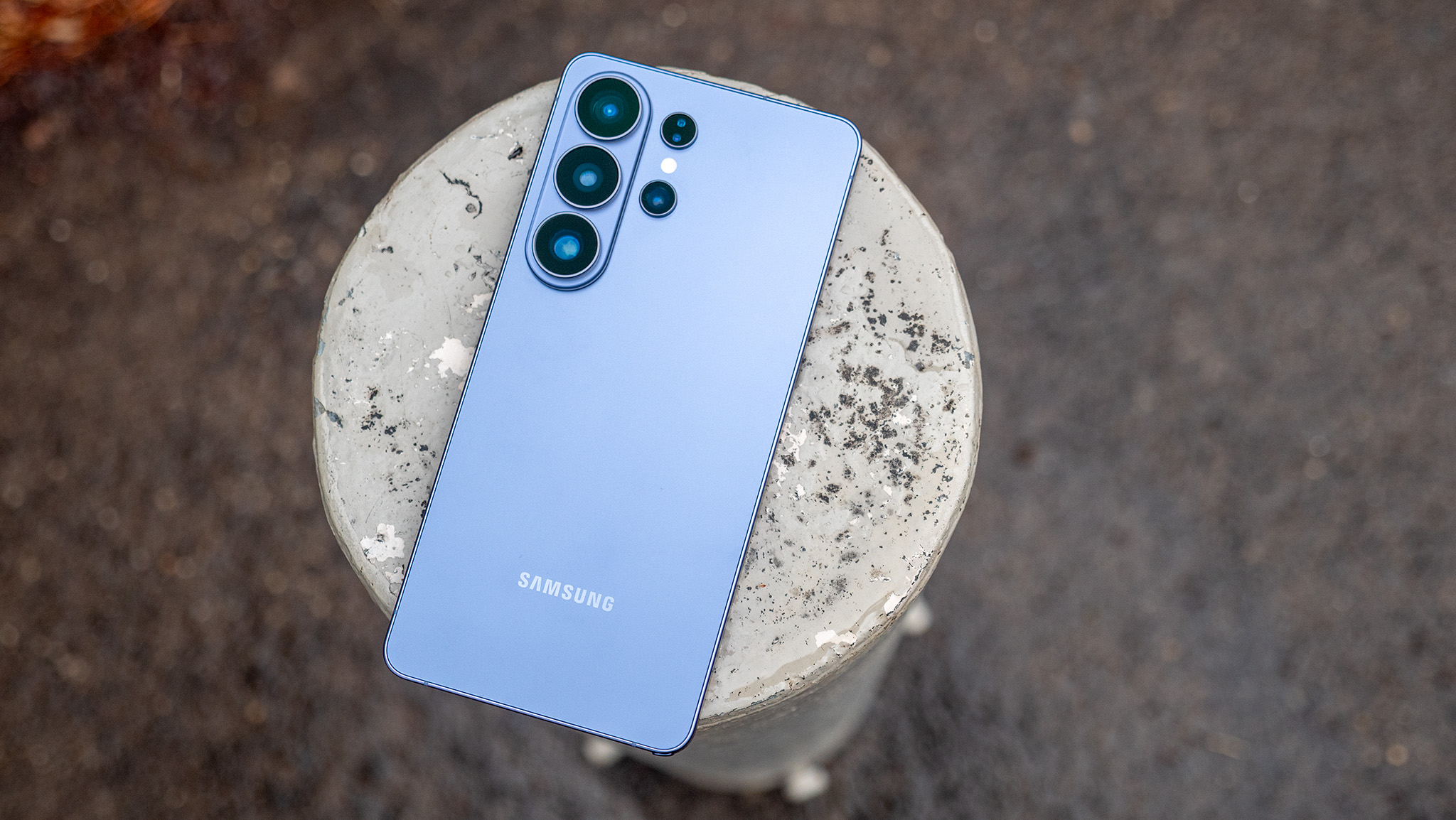
These rumored changes for the Galaxy S27 series are unfolding against a backdrop of intense competition and evolving consumer expectations in the global smartphone market. Samsung, a perennial leader, constantly strives to innovate to maintain its edge against rivals such as Apple in the premium segment, and a growing number of aggressive Chinese manufacturers like Xiaomi, Huawei, Honor, and OnePlus, who are increasingly offering high-spec devices at competitive prices.
Camera technology and battery life consistently rank as top priorities for consumers when purchasing a new smartphone. Therefore, any significant upgrade in these areas could substantially bolster Samsung’s competitive standing. A potential shift to Sony sensors for some models could be interpreted as Samsung acknowledging and leveraging external strengths to deliver a superior product, rather than solely relying on internal component development. This flexible sourcing strategy is not uncommon in the tech industry and can lead to more robust and higher-performing devices.
Similarly, the adoption of silicon-carbon battery technology is a forward-looking move. As devices become more powerful and screens more demanding, battery innovation is critical. While Chinese brands have often led the charge in raw charging speeds, Samsung’s focus on energy density improvements could lead to more efficient power management and potentially longer overall device usage, which is arguably more impactful for the average user than ultra-fast charging alone. The integration of this technology across its flagship line would demonstrate Samsung’s commitment to sustained innovation in a fundamental area.
The Road Ahead: Testing, Development, and Market Anticipation
It is imperative to underscore that these are early-stage rumors, and as such, they are subject to significant changes. The "testing" phase for both the camera sensors and battery technology indicates that Samsung is still evaluating the feasibility, performance, and cost-effectiveness of these components. The development cycle for flagship smartphones is extensive, often spanning over a year, involving numerous iterations of hardware and software integration, rigorous quality assurance, and supply chain optimization. "Nothing is finalized" at this point, as stated in the reports, means that while these are definite areas of exploration for Samsung, the final product specifications could look different.
Market anticipation for the Galaxy S27 series will undoubtedly build as more details emerge. Samsung typically unveils its new S-series flagships in early calendar year, often in January or February, following months of leaks and official teasers. The period leading up to these launches is critical for gauging consumer sentiment and competitor responses. The industry will be closely watching whether these rumored advancements translate into tangible improvements that resonate with users and reviewers.
Samsung’s Innovation Trajectory: A Broader View
These rumors provide a glimpse into Samsung’s ongoing innovation trajectory and its strategic balancing act between leveraging in-house capabilities and integrating best-in-class external components. For years, Samsung has championed its Exynos chipsets and ISOCELL camera sensors as key differentiators, representing its prowess in semiconductor manufacturing. However, the pragmatic decision to incorporate Qualcomm Snapdragon chips in certain markets and, potentially, Sony camera sensors in the upcoming S27 series, reflects a willingness to adapt and optimize its product offerings for global competitiveness.
The interplay between internal R&D and strategic external partnerships is a hallmark of modern tech giants. By selectively sourcing components, Samsung can ensure its devices are equipped with the most advanced technologies available, irrespective of their origin, while still pushing its internal divisions to innovate further. This dynamic approach ensures that the Galaxy S series remains at the forefront of smartphone technology, delivering consistent improvements in performance, photography, and user experience.
In conclusion, the early whispers surrounding the Samsung Galaxy S27 series paint a picture of significant evolution. From a potential diversification in camera sensor suppliers to a broader adoption of advanced silicon-carbon battery technology, Samsung appears poised to introduce a new generation of flagships designed to push boundaries. While these advancements are still in the testing phase, they underscore Samsung’s continuous drive to innovate and adapt in a fiercely competitive market, ultimately aiming to deliver a more refined and powerful mobile experience to consumers worldwide. The final form these innovations take will be eagerly awaited by enthusiasts and industry observers alike.