6 iPhone Duo and iPhone 18 Pro features Apple copied from Samsung, Motorola, and Google

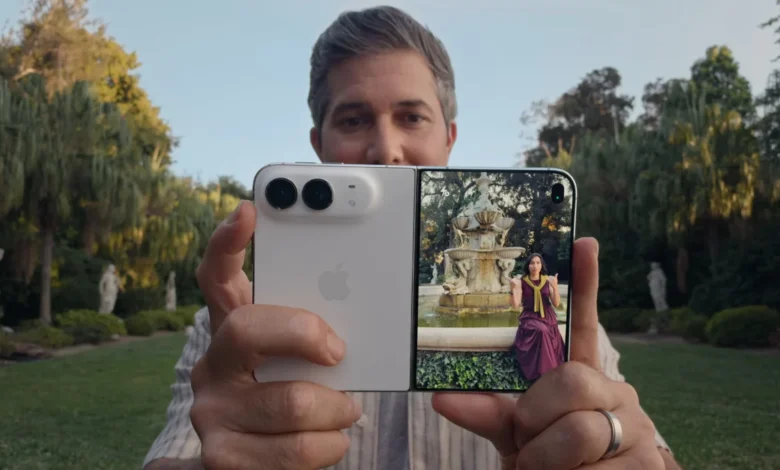
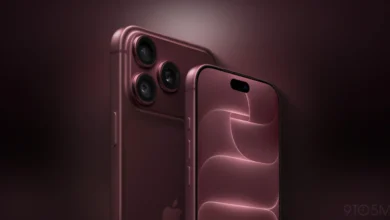
The technology landscape reached a notable milestone on September 9, 2026, when Apple officially took the wraps off its latest hardware generation during its annual autumn keynote event. While the introduction of the iPhone 18 Pro series represented the expected iterative progression for the company’s flagship candy-bar smartphones, the real headline of the evening was Apple’s official debut in the foldable smartphone market with the long-rumored iPhone Duo.
For nearly a decade, consumers and tech enthusiasts have watched Android original equipment manufacturers (OEMs)—most notably Samsung, Google, and various Chinese brands—pioneer, iterate, and refine the foldable device category. From early structural durability concerns to the modern ultra-thin book-style designs, the Android ecosystem essentially served as a multi-year testing ground for flexible display technology.
Now that Apple has formally entered the arena with the iPhone Duo, industry analysts and consumers alike are examining the device not just for its engineering merits, but for its striking similarities to features that Android manufacturers introduced years prior. A closer inspection of the iPhone Duo and the iPhone 18 Pro lineup reveals a recurring dynamic in consumer technology: while Apple is frequently late to emerging product categories, its arrival often validates the market and brings refined polish to concepts first introduced by its competitors.
The Evolution of the Foldable Form Factor: Passport-Style Dimensions
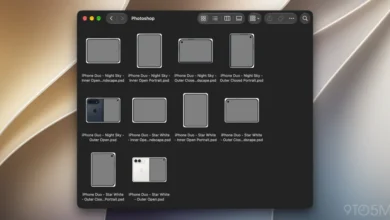
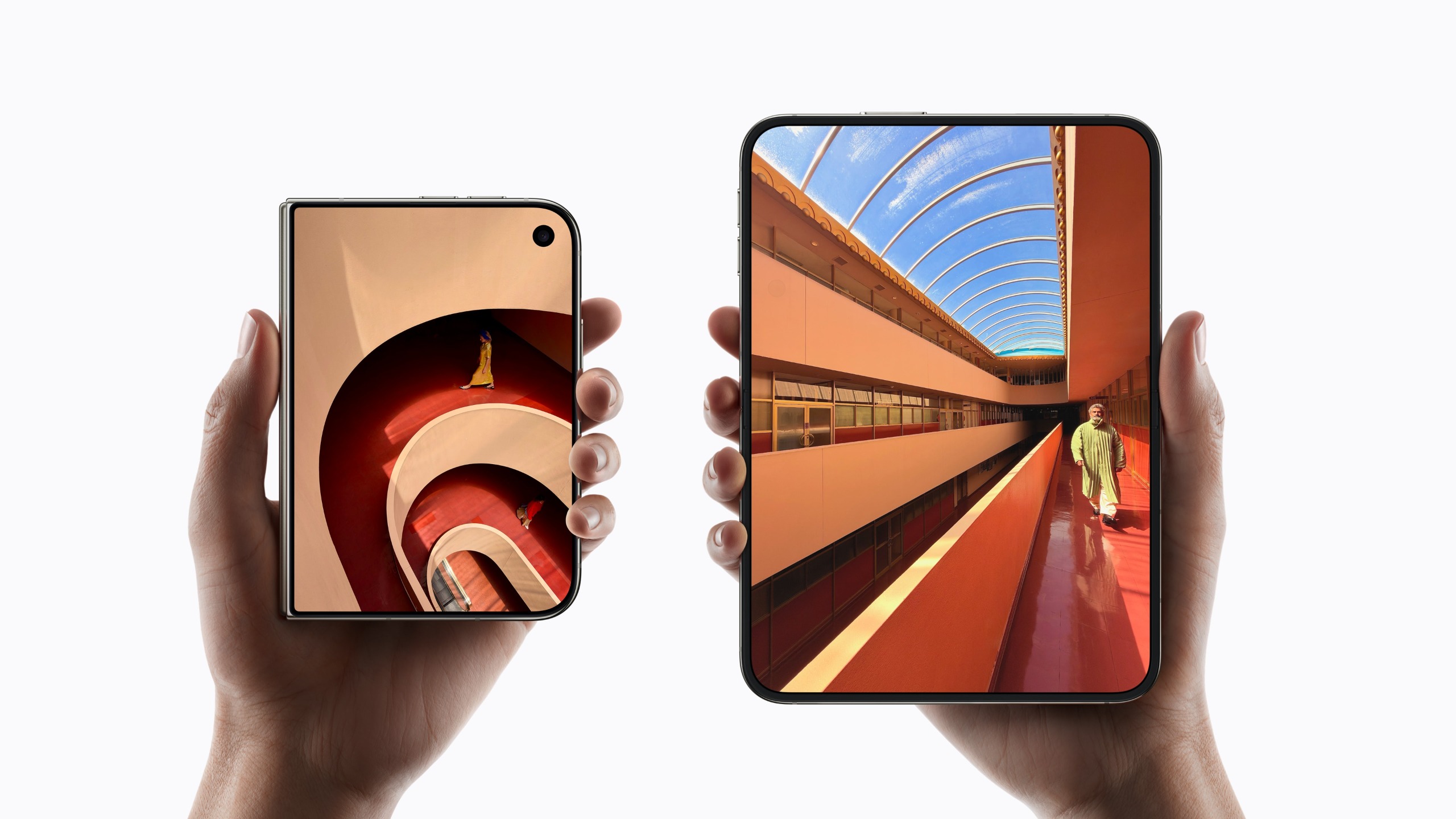
When Apple unveiled the iPhone Duo, the company emphasized its ergonomic design, specifically highlighting its shorter and wider "passport-style" form factor. When folded, the device presents a manageable, wide cover display that opens up into a expansive 7.6-inch tablet-like inner screen.
However, this specific dimensional philosophy is far from revolutionary within the broader mobile industry. Google broke away from the tall, narrow smartphone-like cover displays popularized by early Samsung devices when it introduced its first-generation Pixel Fold, opting instead for a wider, more natural aspect ratio. Samsung subsequently adopted a similar approach with the Galaxy Z Fold 8, while competitors like Xiaomi showcased comparable proportions with devices such as the Xiaomi 18 Fold at major industry showcases like IFA 2026.
By embracing a wider exterior footprint, Apple is acknowledging what Android users have known for some time: a broader cover display provides a vastly superior typing and viewing experience when the phone is closed, minimizing the need to unfold the device for basic, quick tasks. While Apple’s manufacturing tolerances, hinge design, and material science undoubtedly contribute to a premium in-hand feel, the structural geometry of the iPhone Duo follows an established blueprint.
Display Innovations and Stylus Support: Echoes of the Galaxy Z Fold
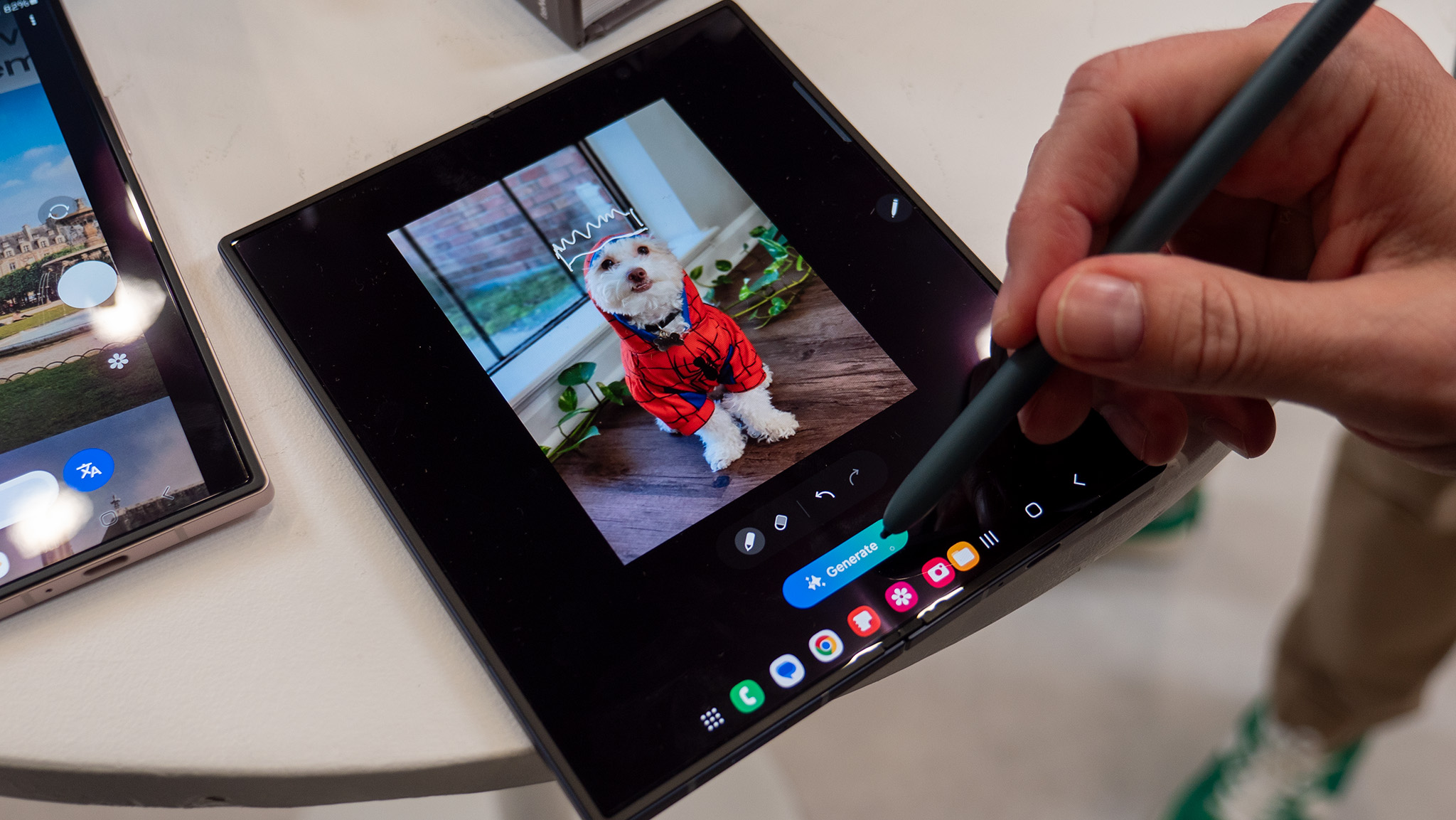
Beyond physical dimensions, the iPhone Duo incorporates several advanced display and input technologies that mirror prior Android implementations. Notably, the device offers Apple Pencil support across both its inner and outer displays, allowing users to sketch, annotate documents, and handwrite notes seamlessly.
Longtime mobile observers will immediately recognize this as a feature space heavily explored by Samsung. The South Korean tech giant introduced stylus compatibility via the S Pen to its Galaxy Z Fold series years ago, establishing a dedicated user base among enterprise professionals and creative mobile users before gradually shifting its design priorities in later iterations. Other foldable manufacturers, such as Motorola with the Razr Fold, have similarly integrated stylus functionality into their flexible portfolios.
Furthermore, the iPhone Duo features an under-display camera tucked beneath its flexible inner panel. Samsung famously utilized under-display camera technology across multiple generations of its foldable line before phasing it out due to trade-offs involving camera clarity and pixel density over the display element. Whether Apple’s proprietary engineering has successfully resolved the visual blemishes traditionally associated with under-display camera sensors remains a point of intense curiosity for display analysts.
Combatting Glare: Anti-Reflective Coatings on Flexible Glass
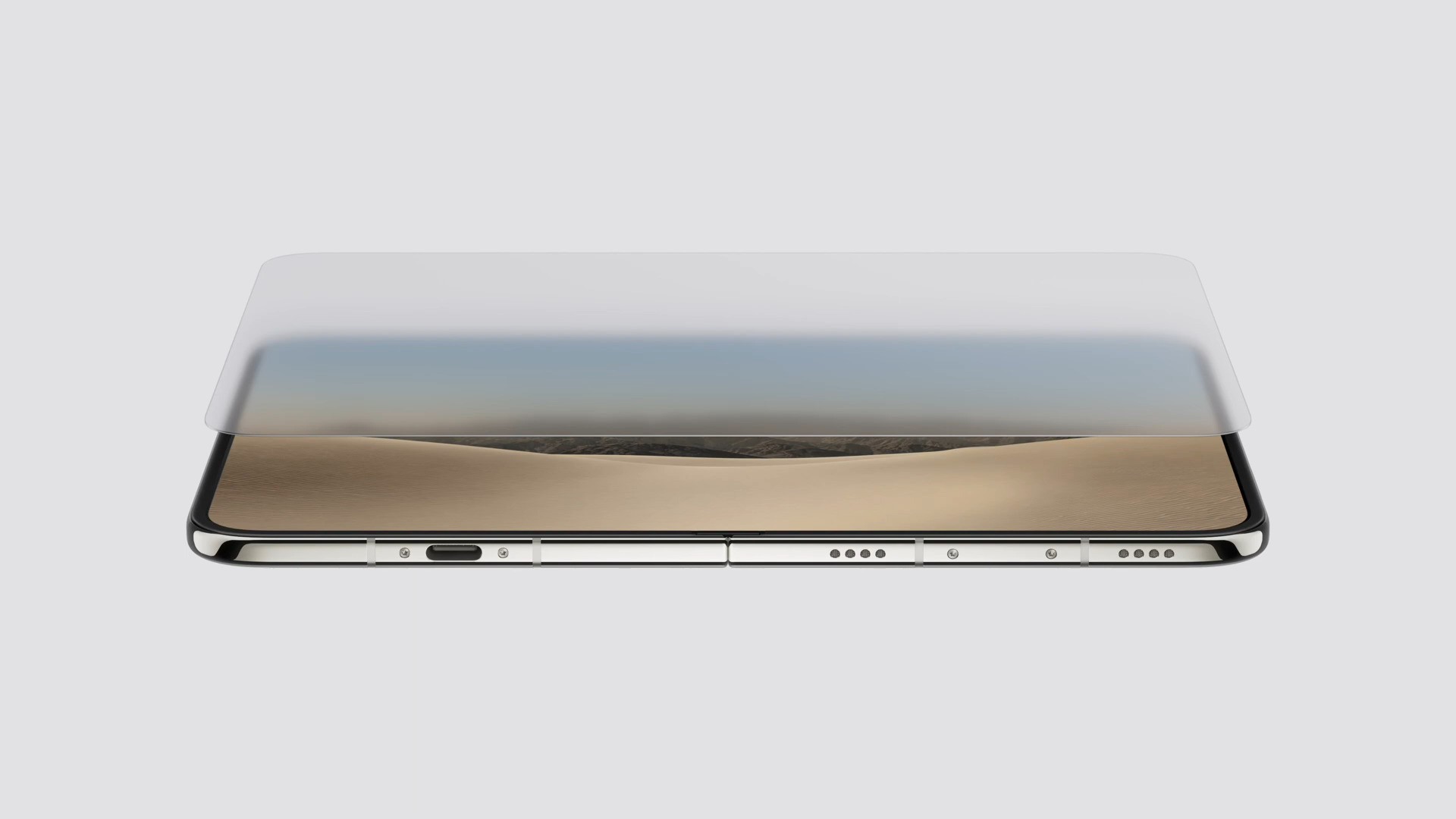
One of the standout hardware talking points during Apple’s presentation was the iPhone Duo’s 7.6-inch inner display, specifically its specialized matte nano-texture finish. Functionally acting as an advanced anti-reflective coating, this surface treatment addresses one of the most persistent pain points of foldable displays: excessive glare caused by the polymer and ultra-thin glass layers required to make a screen bendable.
While Apple positioned this innovation as a breakthrough for outdoor visibility and media consumption, Samsung beat them to the punch earlier in the year with the release of the Galaxy Z Fold 8 Ultra, which similarly integrated advanced anti-reflective optical treatments on its internal folding screen. Both companies are tackling the same fundamental physics problem—diffusing ambient light without sacrificing color accuracy or sharpness—proving that display physics dictates similar solutions across competing operating systems.
Hinge Engineering and Flex Mode Functionality
The mechanical engineering of the iPhone Duo introduces a multi-stop hinge capable of holding the device securely at various intermediate angles. This structural capability enables what Apple demonstrated as hands-free media viewing and tabletop photography using the rear camera array.
For Android veterans, this functionality is instantly recognizable as Samsung’s "Flex Mode," a software and hardware integration that has been a core pillar of the Galaxy Z Fold ecosystem for years. Samsung has spent generations optimizing its user interface, third-party application ecosystem (including partnerships with Google, Microsoft, and Meta), and camera software to take full advantage of a phone propped up at a 90-degree angle. Apple’s introduction of a comparable mode underscores the necessity of a stable, adjustable hinge in any modern book-style foldable device.
Professional Camera Controls Come to the iPhone 18 Pro
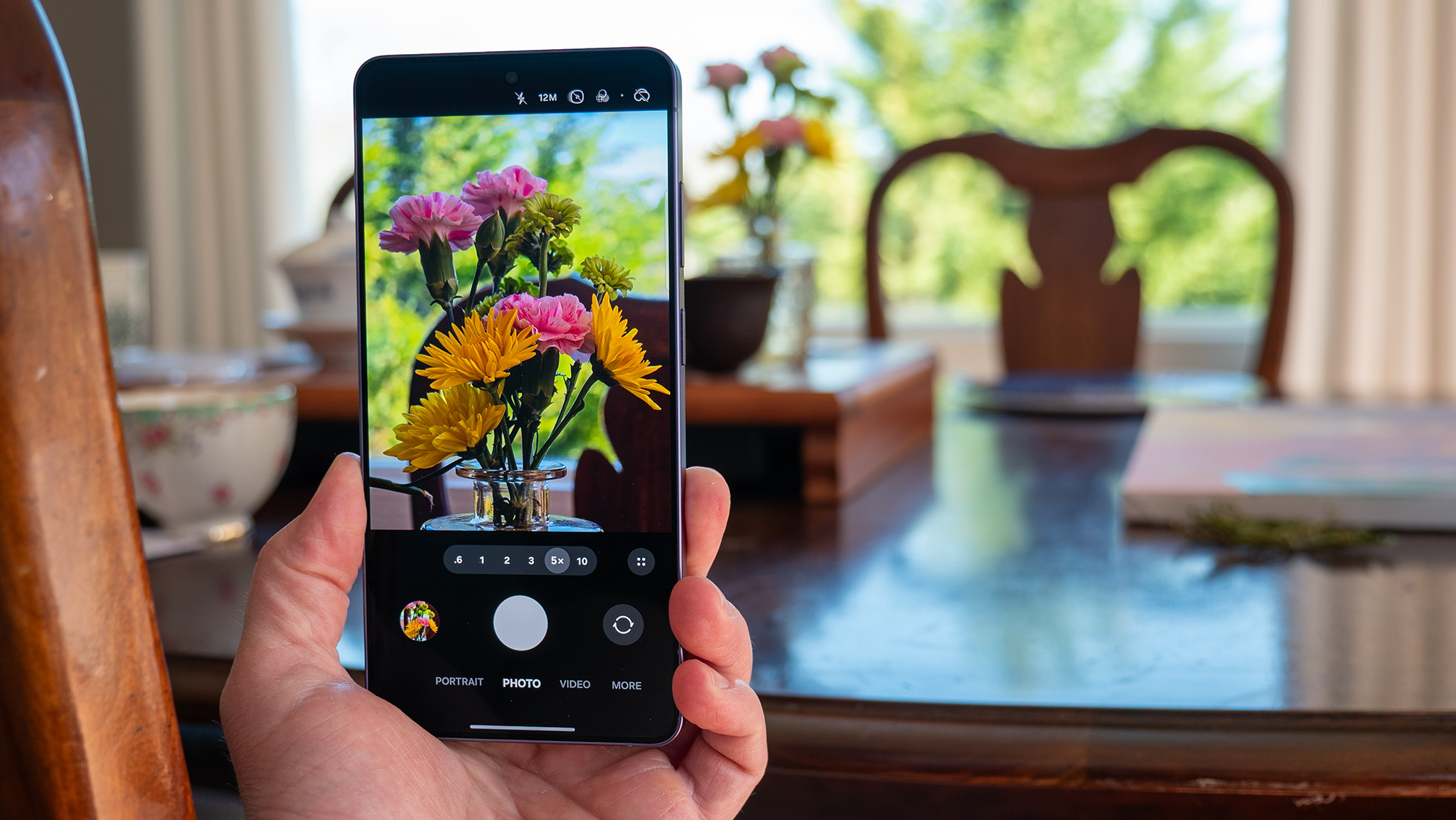
Shifting focus to Apple’s traditional flagship lineup, the iPhone 18 Pro models introduce a long-awaited software addition that prosumers have demanded for years: dedicated manual camera controls, branded by Apple as "Pro Controls."
For the first time natively within Apple’s default camera application, users can manually manipulate shutter speed, ISO, aperture settings, and white balance, moving away from relying purely on computational photography and automatic exposure algorithms.
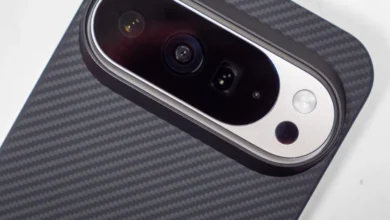
While this marks a significant milestone for mobile photographers deeply embedded in the iOS ecosystem, manual camera interfaces have been a foundational staple of Android flagships for over a decade. Manufacturers like Samsung, Sony, and Xiaomi have long offered robust "Pro" or "Manual" shooting modes, granting creators granular control over their raw image capture parameters. The inclusion of these controls on the iPhone 18 Pro signals Apple’s growing acknowledgment that a segment of its professional user base desires hardware-level creative control without being forced to rely exclusively on third-party App Store solutions.
Multitasking Software: Split-Screen, App Pairs, and Dual View
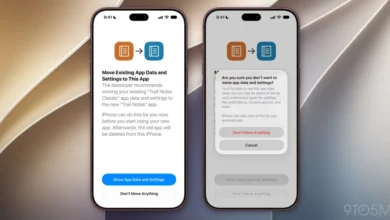
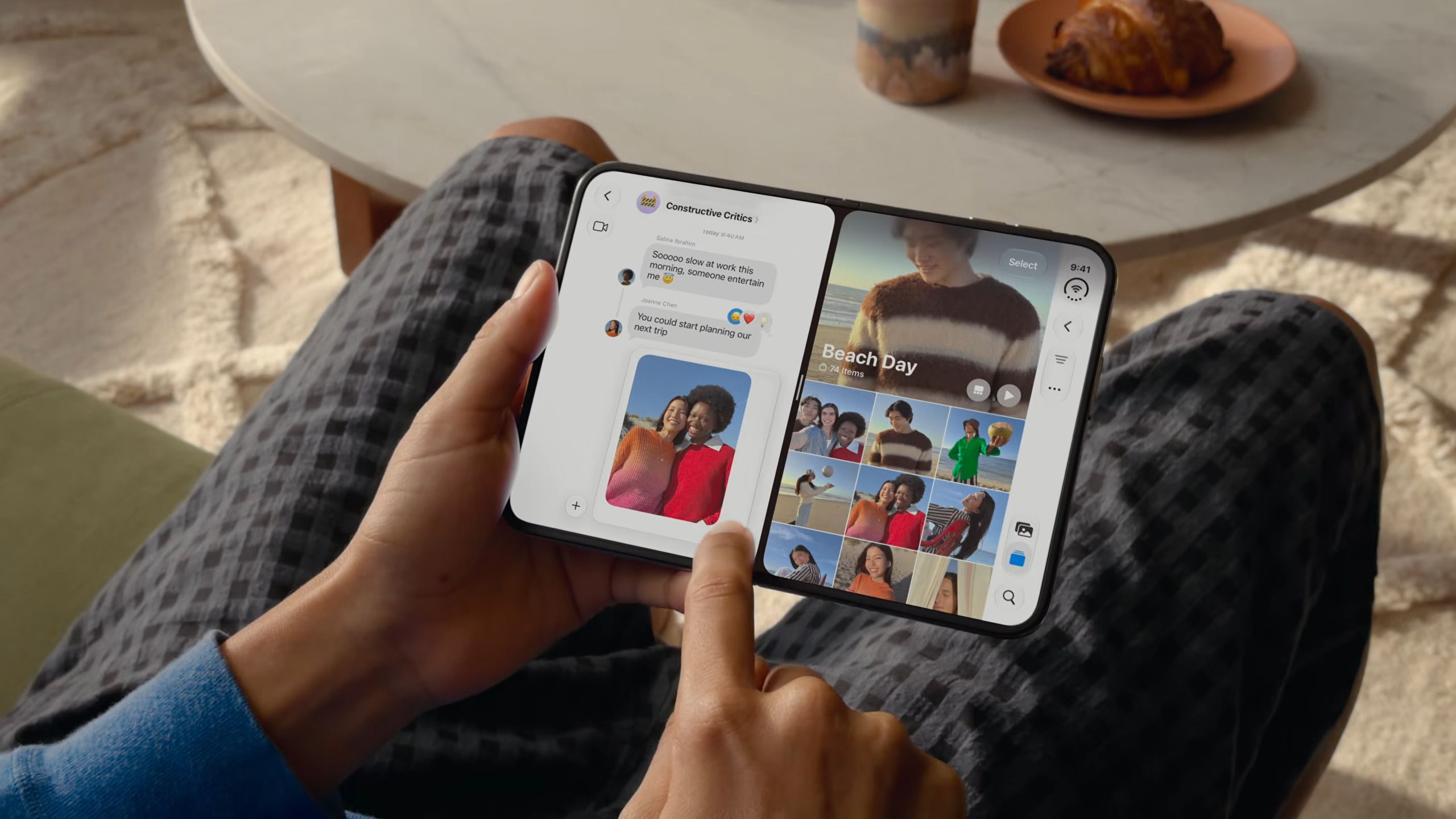
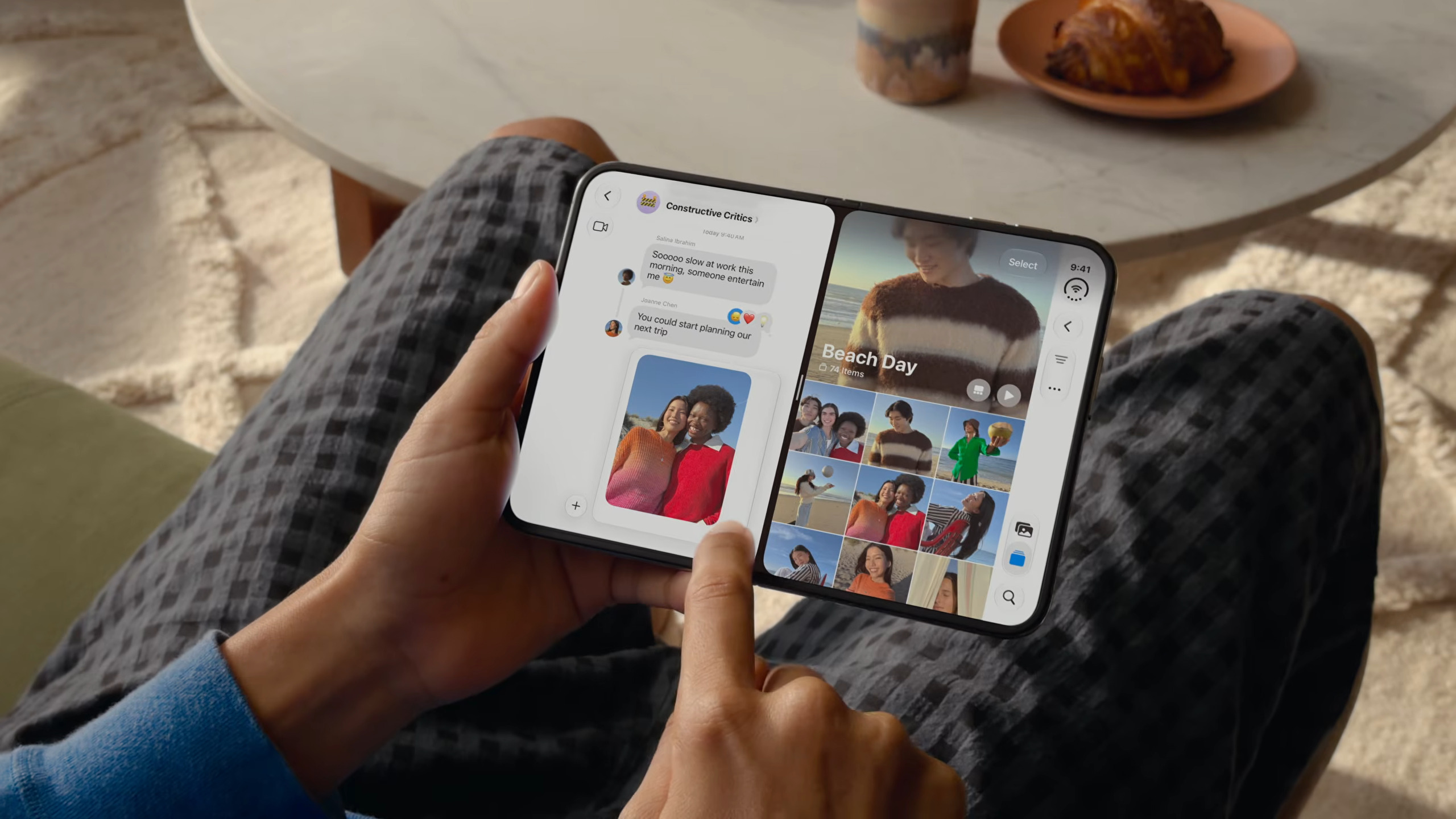
Software capabilities on the iPhone Duo round out the list of familiar features. The larger inner screen finally brings true split-screen multitasking to the iPhone ecosystem, allowing users to run two applications side by side. Additionally, the software introduces "App Pairs"—the ability to save specific combinations of applications and launch them simultaneously—alongside "Dual View" functionality, which utilizes the cover screen as a live viewfinder for subjects while capturing portraits with the primary rear cameras.

These productivity-oriented features have been staples of Android’s multitasking suite for years, heavily refined by Samsung’s One UI and Google’s Pixel UI implementations on foldable hardware. Apple’s software interpretation brings its characteristic design language, fluid gesture animations, and tight ecosystem integration to these concepts, but the foundational utility remains deeply rooted in established foldable paradigms.
Industry Implications and Market Outlook
The arrival of the iPhone Duo and the iPhone 18 Pro series marks a pivotal moment for the smartphone industry. By entering the foldable market, Apple validates a form factor that critics once dismissed as an expensive, fragile gimmick.
Historically, Apple’s entrance into an established category does not necessarily mean it is introducing unprecedented technology; rather, it signifies that the underlying supply chain, material durability, and consumer demand have reached a critical mass of maturity. Just as Apple popularized smartwatches, tablet computers, and wireless earbuds long after competitors launched first-generation versions, the iPhone Duo is expected to accelerate mainstream consumer adoption of foldable devices globally.
Industry analysts predict that Apple’s marketing power and ecosystem lock-in will drive a significant surge in foldable display manufacturing investments, ultimately benefiting the entire supply chain. While Android manufacturers can rightfully claim technological first-mover advantage across every major feature highlighted during the September 2026 keynote, the ensuing competition will inevitably force all brands to elevate their engineering standards, software optimization, and hardware durability.
As review units land in the hands of consumers and critics in the coming weeks, the ultimate test for the iPhone Duo will not be whether its features are original, but whether Apple’s execution, user interface polish, and ecosystem synergy can successfully convince mainstream buyers to embrace the foldable future.