In the contemporary digital ecosystem, having an immaculate website, exceptional content, and a seamless user experience is no longer a guarantee of online discovery. Modern search engines and generative artificial intelligence (AI) tools, such as Google and ChatGPT, operate far beyond the traditional boundaries of on-page optimization. They cross-reference an organization’s digital footprint by analyzing how third-party, credible sources discuss a brand. When trusted publications, industry experts, and digital communities reference a company, they provide the necessary contextual validation that search algorithms and large language models (LLMs) rely on to determine authority, ranking, and consumer recommendations.
Understanding Brand Mentions in the Age of AI

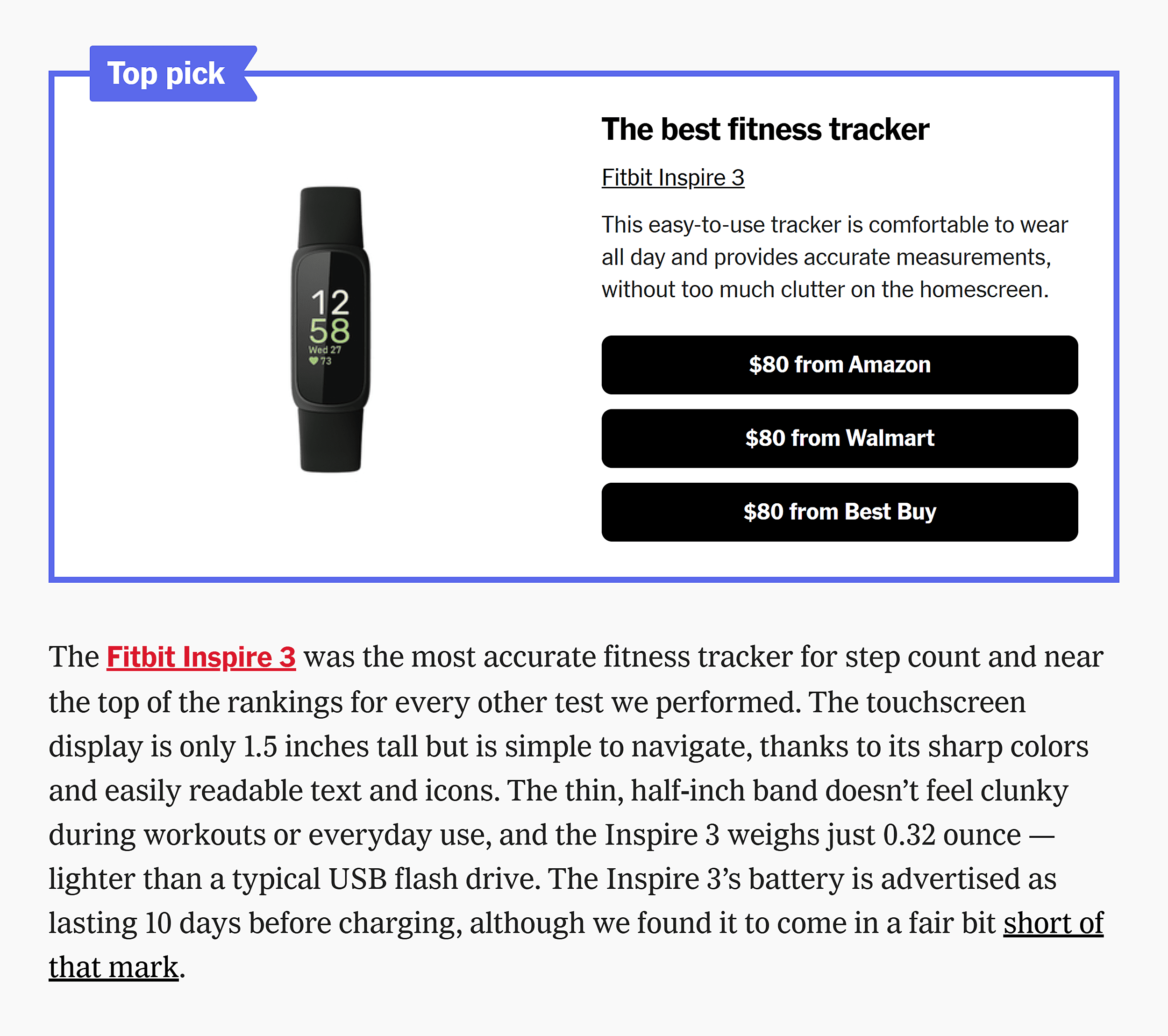
A brand mention encompasses any third-party reference to an enterprise, product, or executive across the digital landscape, spanning news articles, discussion forums, video platforms, podcasts, and social media networks. These references are fundamentally divided into two categories: linked mentions and unlinked mentions.
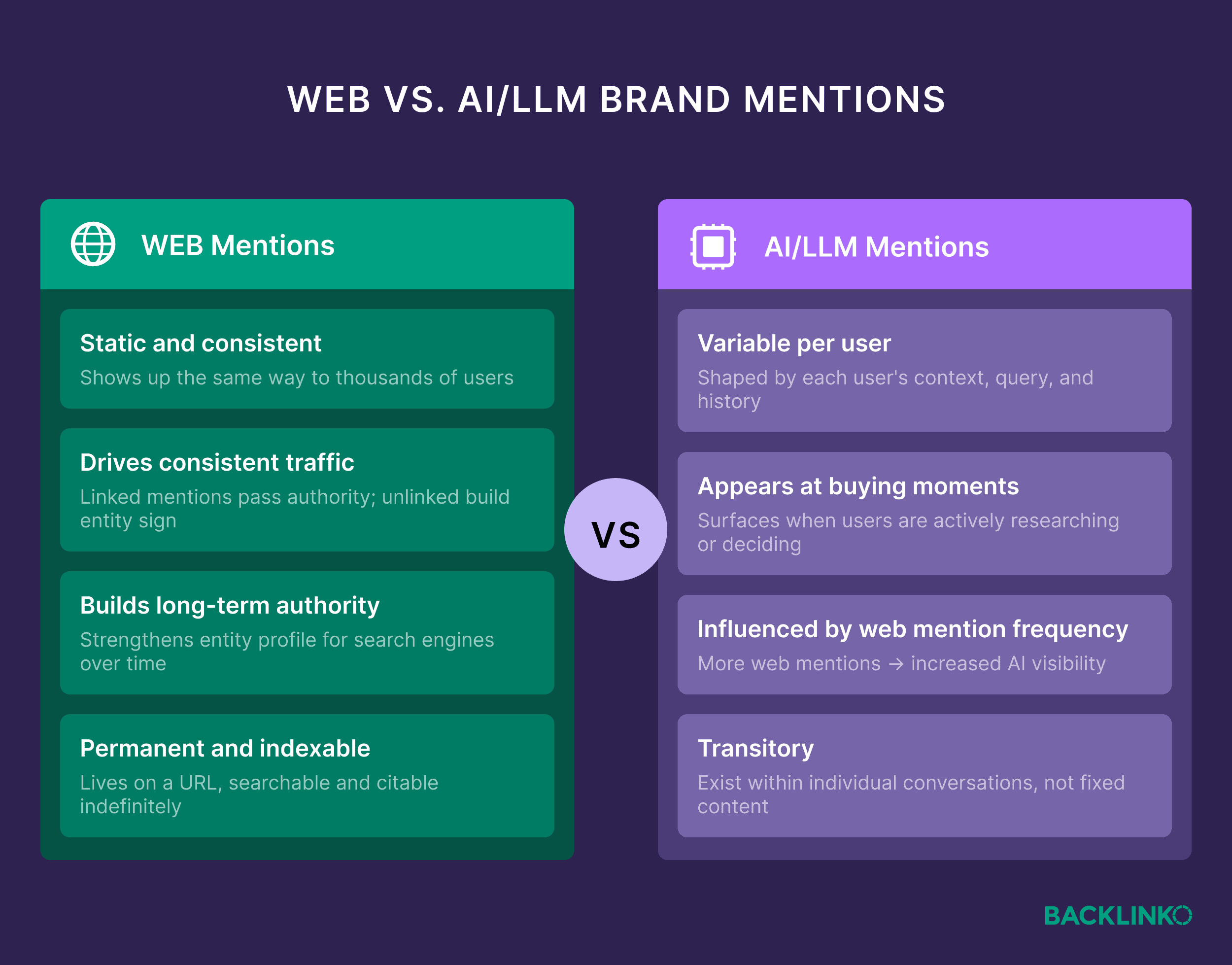
Linked mentions include a direct, clickable hyperlink routing users to a company’s domain alongside the brand name. These references pass valuable link equity, domain authority, and direct referral traffic. Conversely, unlinked mentions reference an organization or product by name without providing an active hyperlink. While unlinked mentions do not generate direct traffic or pass direct link juice, they are instrumental in building semantic entity context for search engines and AI systems, mapping a brand’s presence within specific industries and consumer conversations.
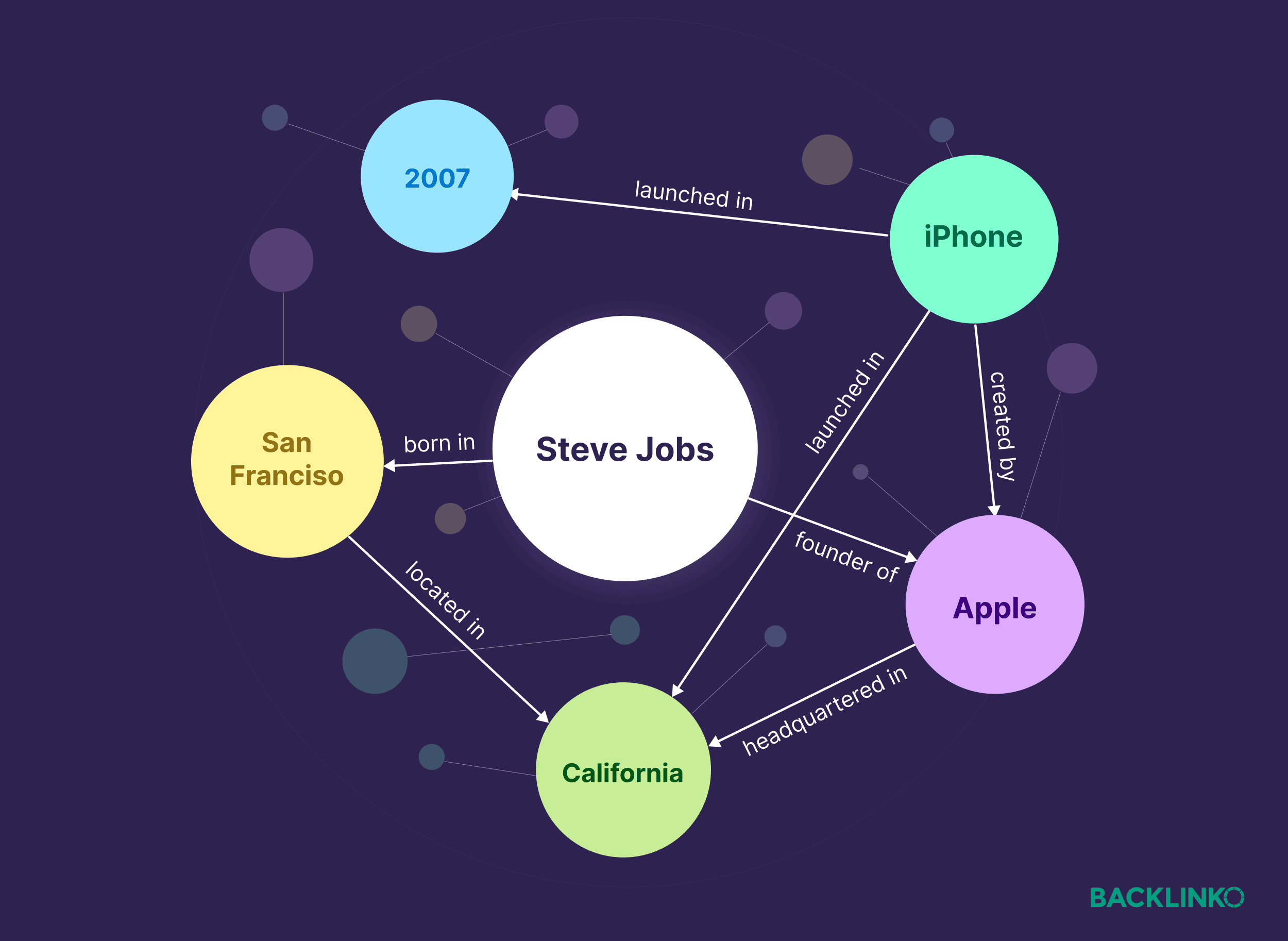
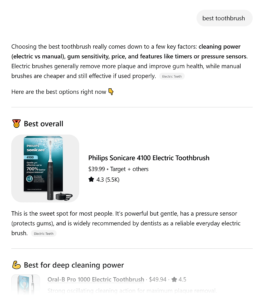
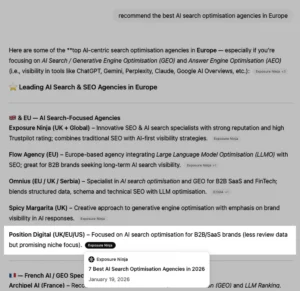
The distinction between web-based mentions and LLM-generated mentions is equally significant. Web mentions are static and universally visible to any user accessing a public-facing page. In contrast, LLM mentions are dynamic, generated in real-time based on an individual user’s prompt context, browsing history, and behavioral parameters. Because AI systems train on and retrieve data from across the web, earning consistent, high-quality mentions in authoritative digital publications directly influences how frequently and favorably an AI tool recommends a brand.

The Evolving Mechanics of Authority and the Knowledge Graph
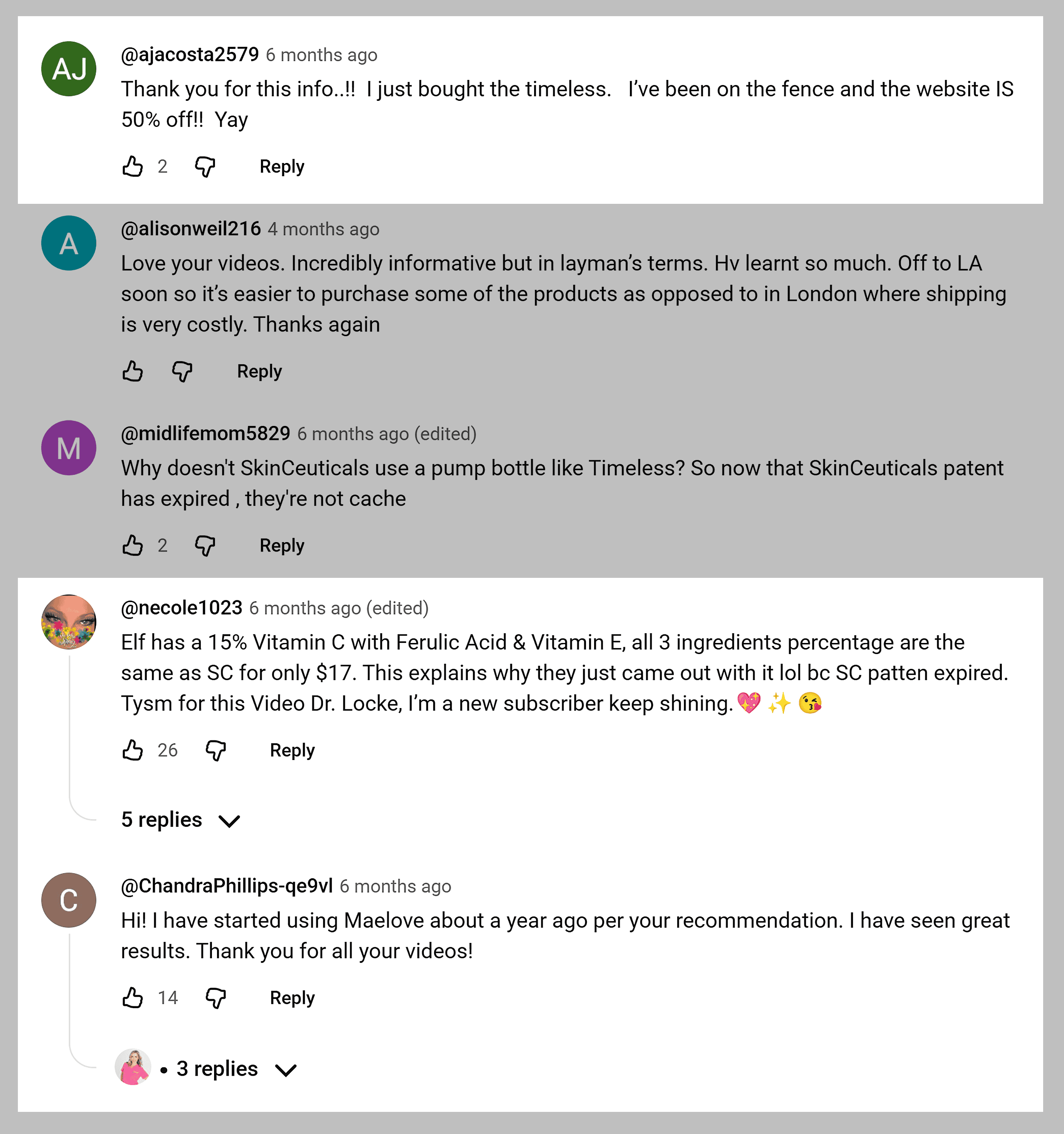
Search engines have evolved from simple keyword-matching engines into sophisticated entity-recognition systems. Through databases such as the Google Knowledge Graph, search algorithms map complex relationships between people, organizations, concepts, and topics. Brand mentions serve as the foundational data points that allow these systems to verify an enterprise as a distinct, legitimate entity in the real world.
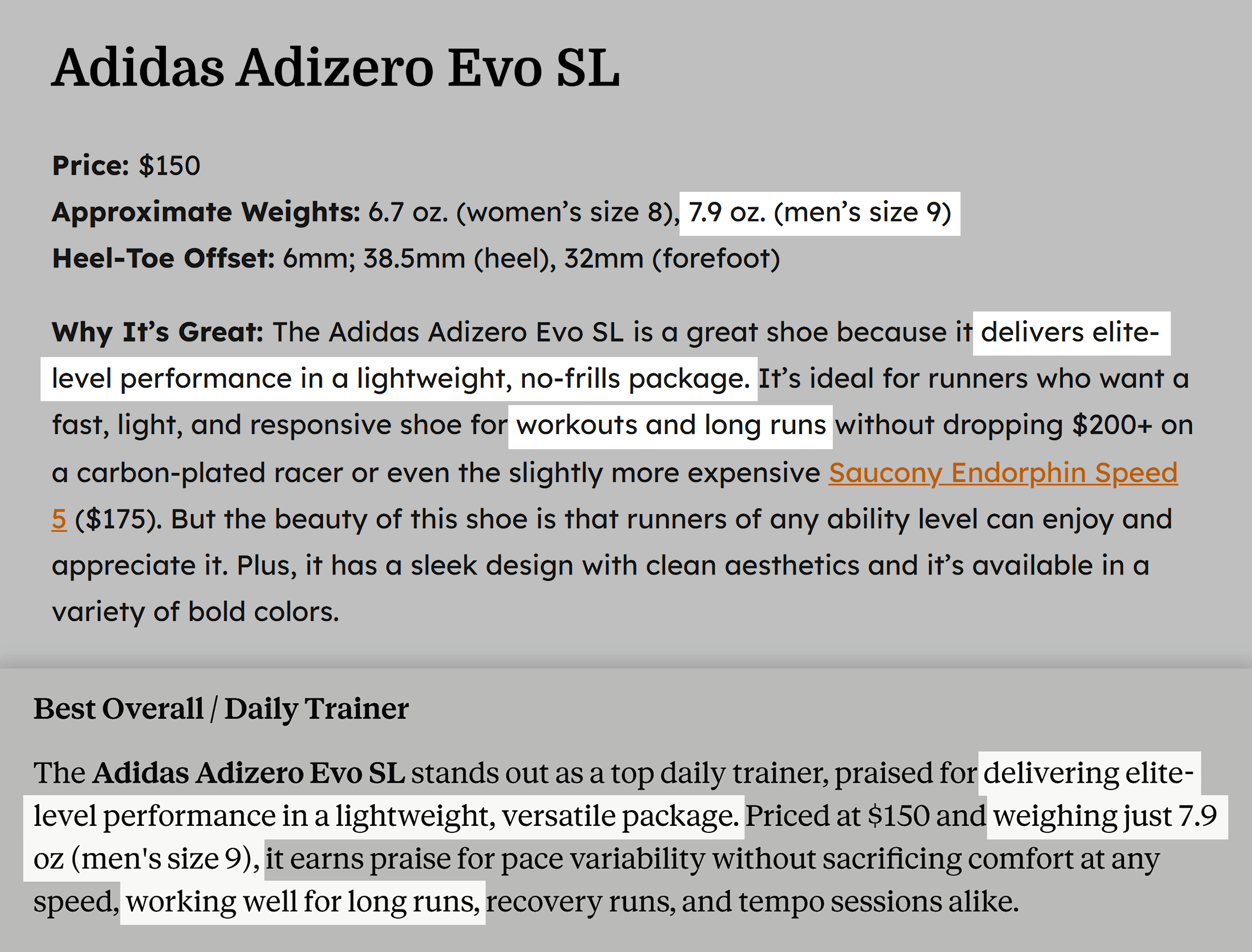
When external sources consistently describe a brand within a specific thematic context, search engines and AI models absorb this language. For example, if running shoe reviews across multiple athletic publications describe a specific footwear model as a "lightweight, elite-level performance package designed for long runs," generative AI models will replicate these exact attributes when responding to user queries. Consequently, the narrative surrounding a brand across the wider web dictates how algorithms perceive and portray that organization to prospective consumers.
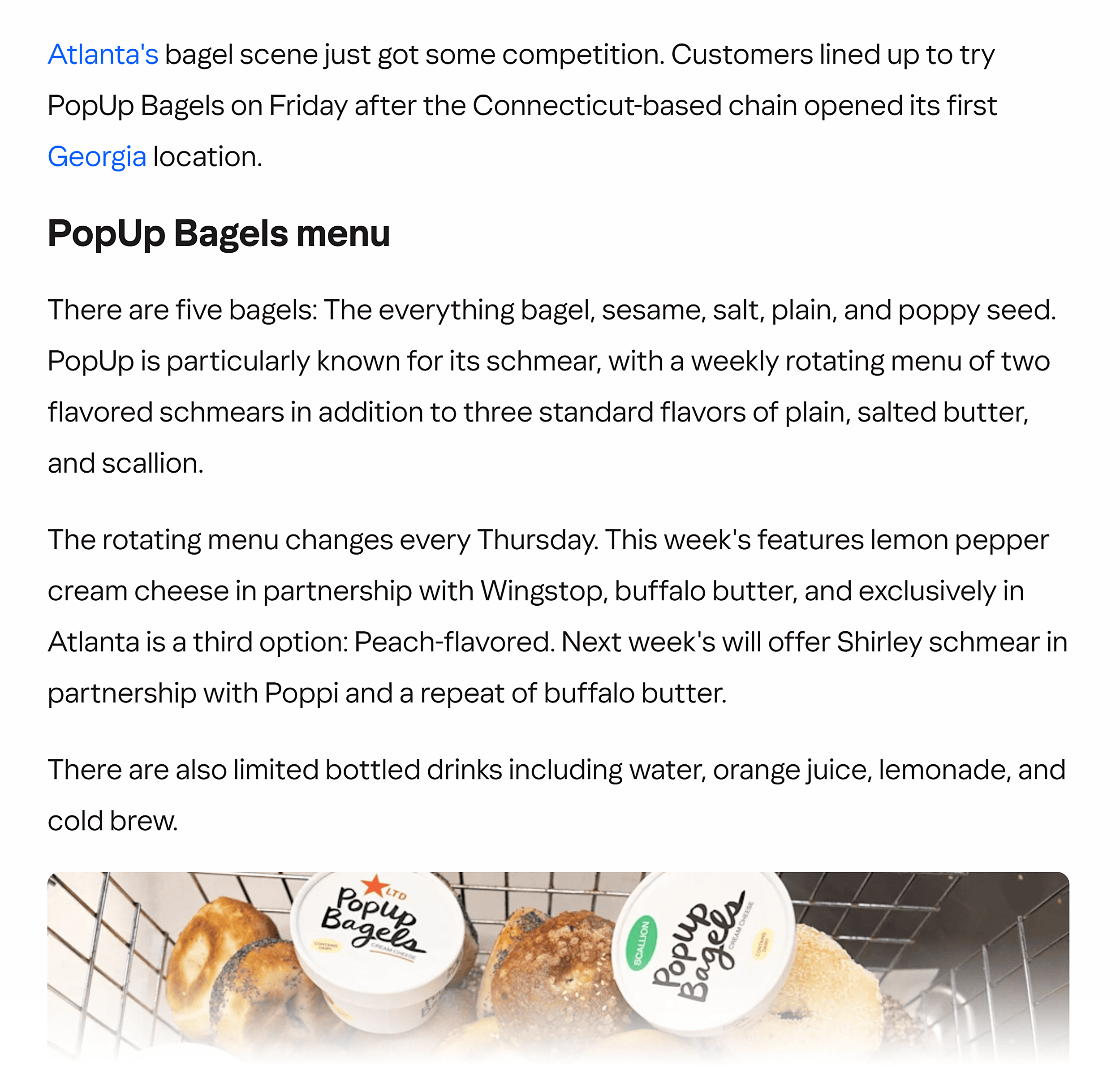
Furthermore, brand mentions act as powerful catalysts for audience expansion. When a popular creator or industry publication recommends an alternative product—such as a skincare brand offering a cost-effective alternative to a luxury staple—the featured brand is exposed to a vast, highly targeted audience that may not have been actively searching for them. In consumer comment sections and community threads, these mentions frequently translate directly into brand discovery and subsequent transactions.
Defining High-Quality Mentions: Authority, Relevance, and Specificity
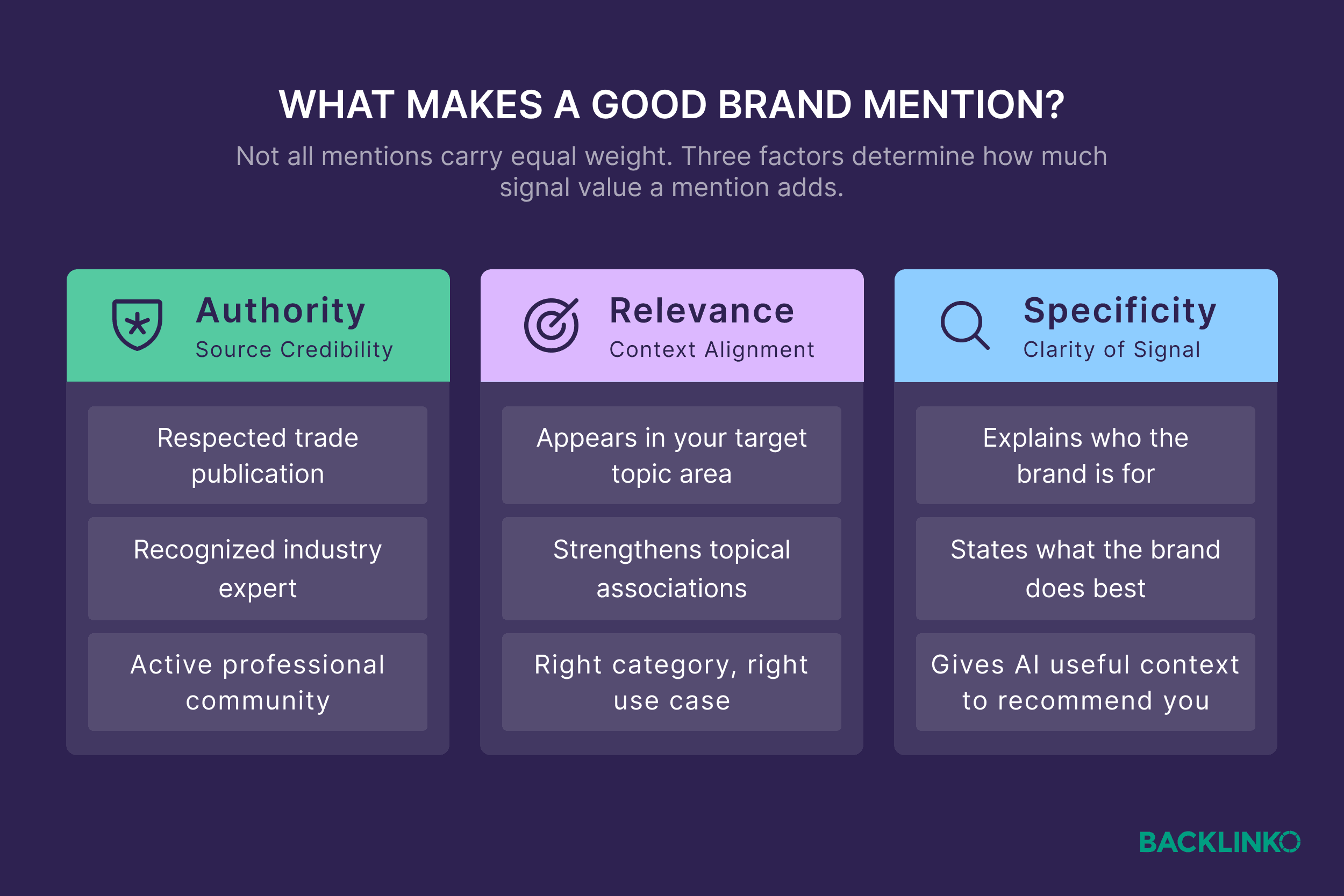
Not all brand mentions carry equal weight. Digital marketing analysts evaluate mentions based on three core pillars: authority, relevance, and specificity.
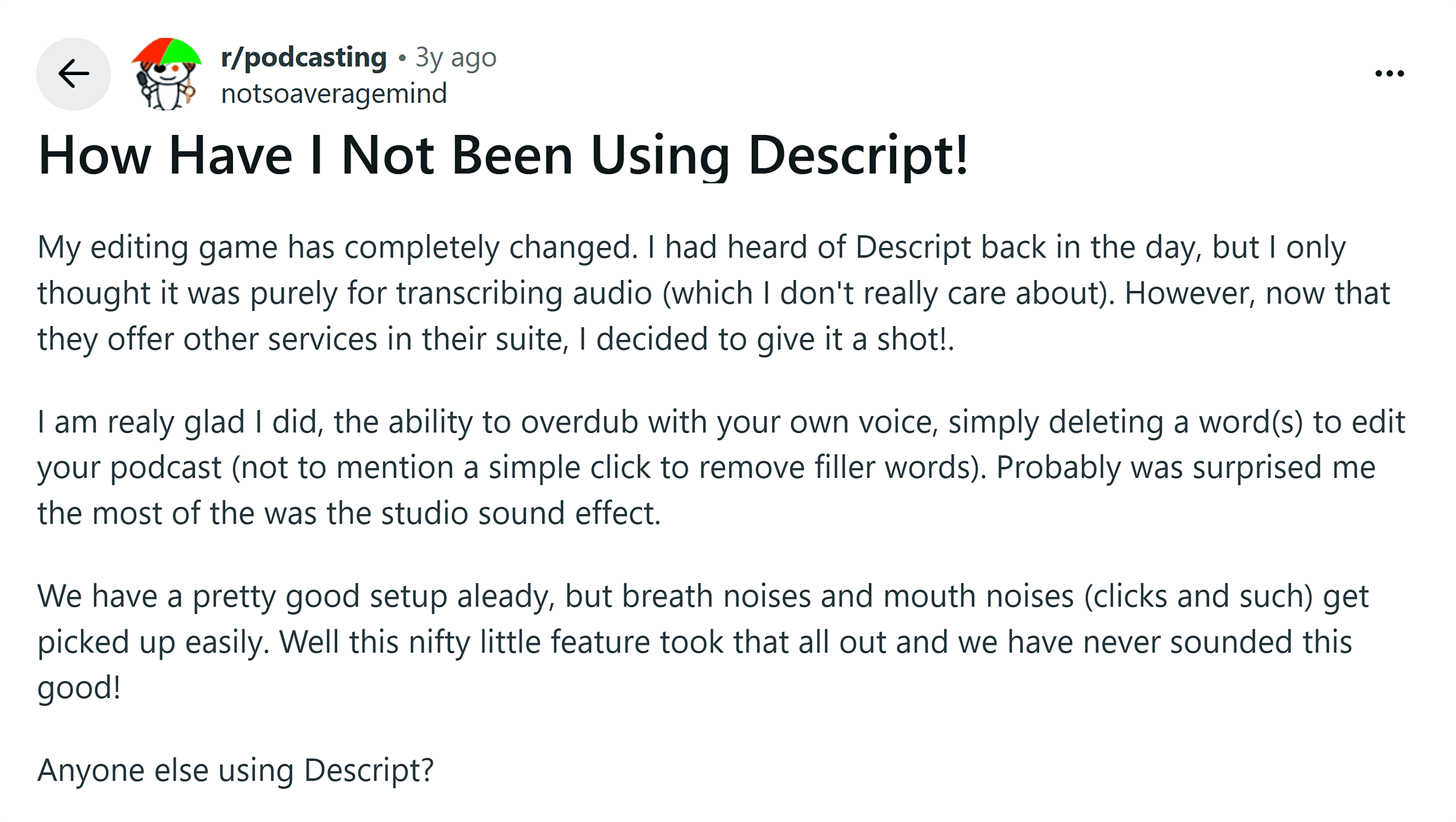
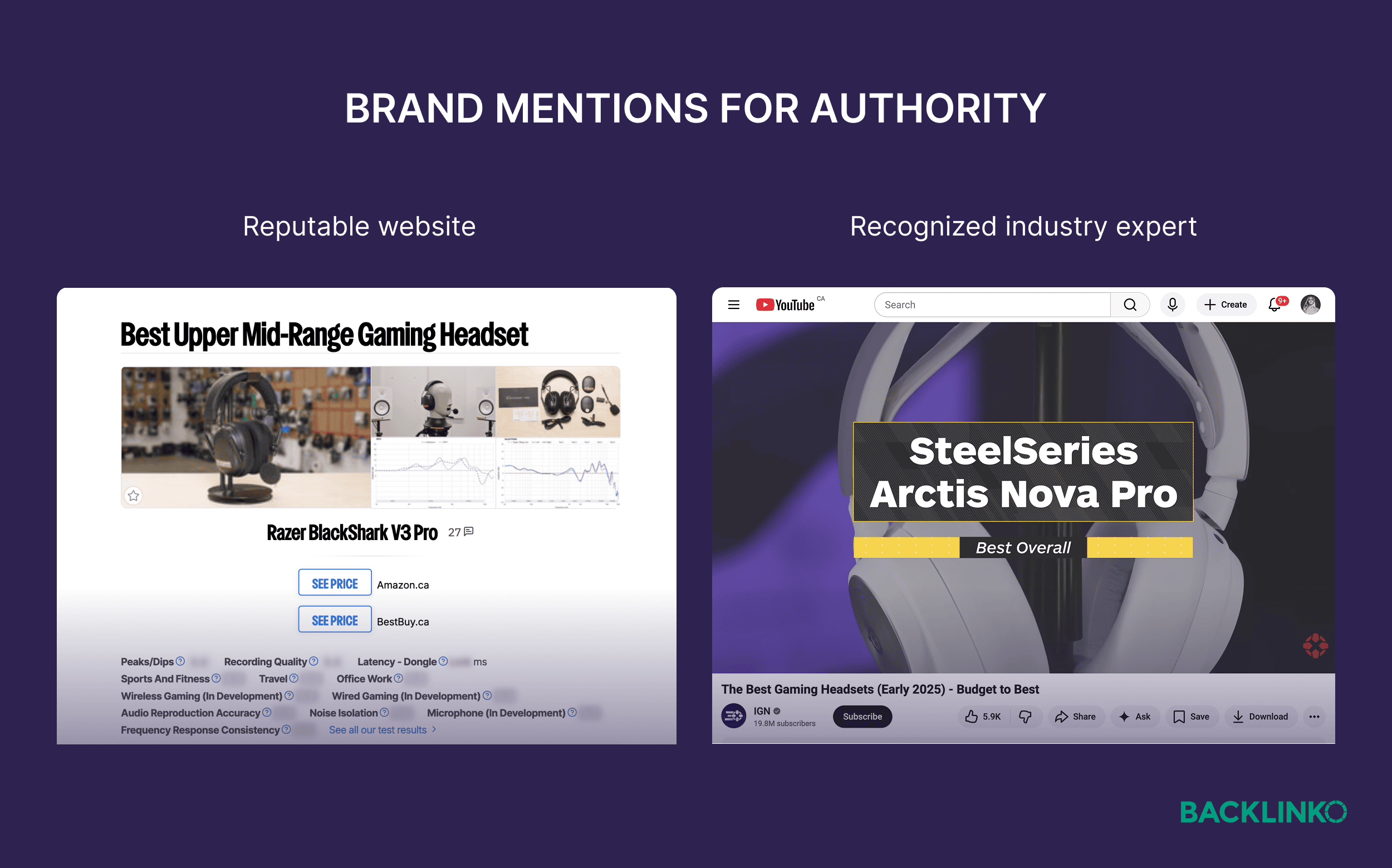
- Authority measures the credibility and trustworthiness of the source publishing the reference. A feature article in a premier industry publication or mainstream news outlet provides a substantially stronger signal to search algorithms than an obscure, low-traffic blog lacking topical focus.
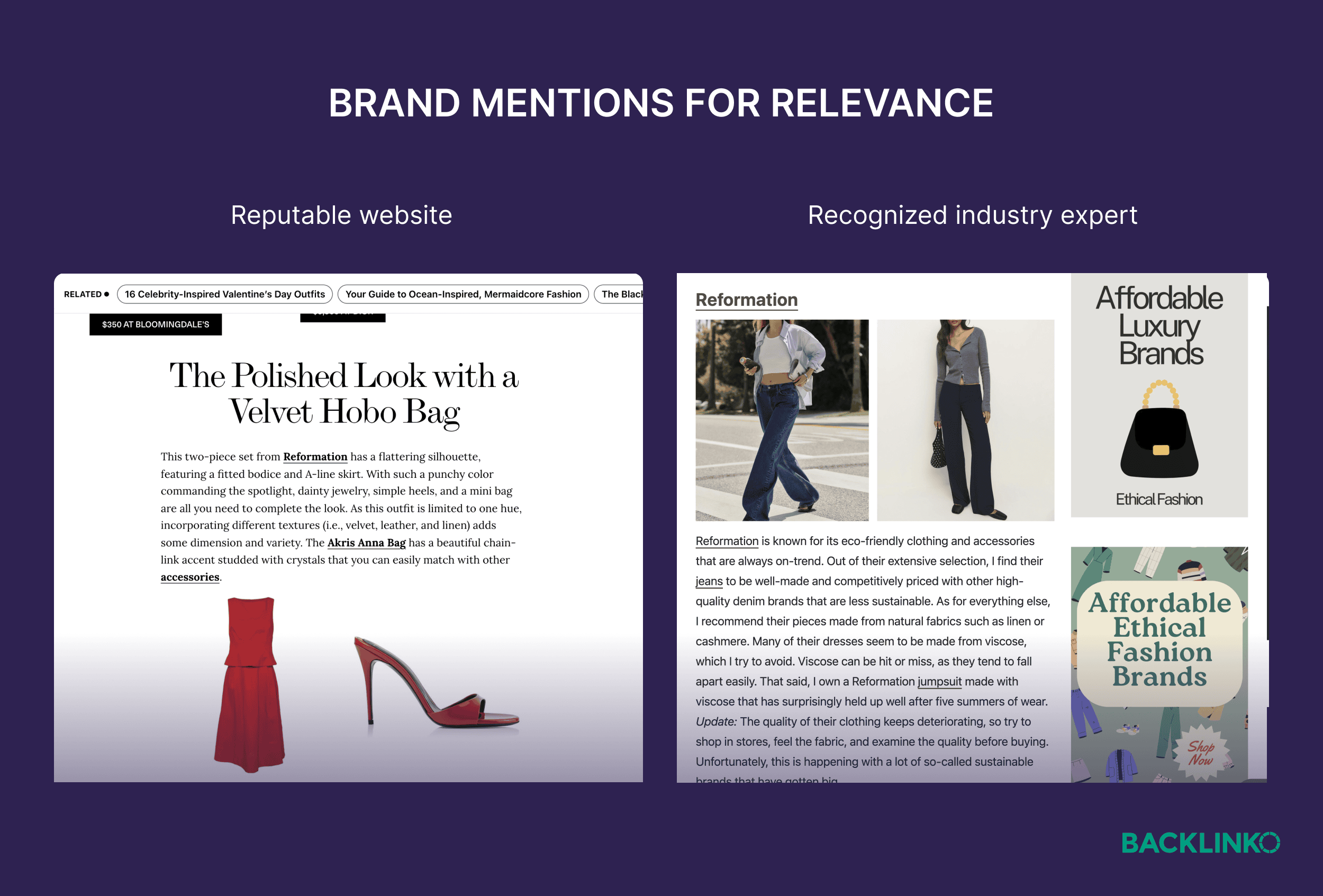
- Relevance operates on two levels: topical and industrial. A brand must be mentioned within the context of its specific industry and in articles addressing themes the organization aims to dominate. For instance, a sustainable fashion brand receiving mentions in top-tier style guides discussing eco-friendly apparel establishes robust topical authority.
- Specificity dictates the depth of the reference. Vague company references offer minimal value to algorithms. High-value mentions include concrete details, such as specific product features, quantifiable performance metrics, use cases, or unique problem-solving capabilities. These granular insights give search engines and AI systems clear parameters regarding what a brand does and which consumer needs it serves best.
Four Strategic Tactics for Earning Valuable Brand Mentions
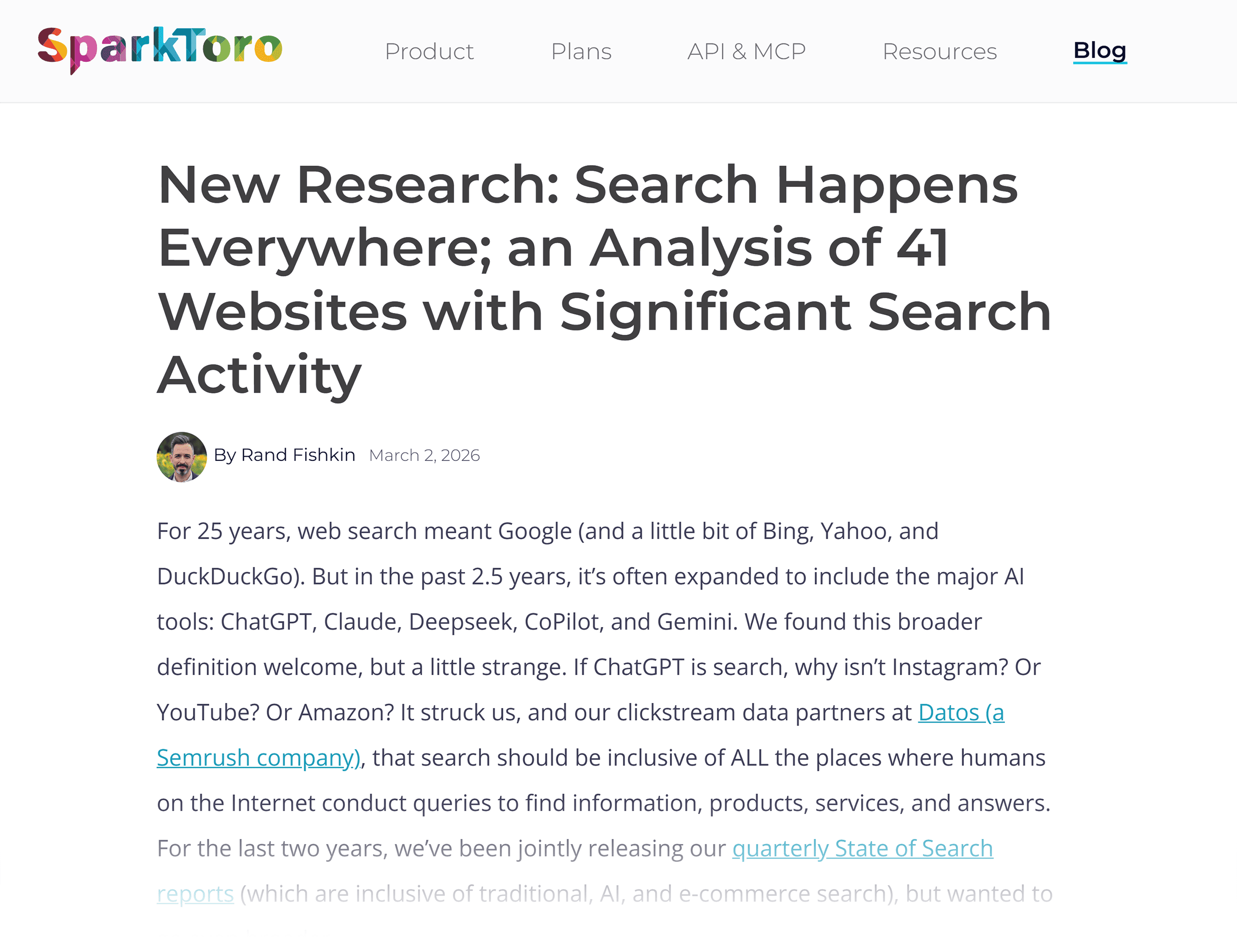
Organizations seeking to systematically enhance their digital visibility must implement proactive strategies designed to earn consistent, high-value brand mentions across diverse platforms.
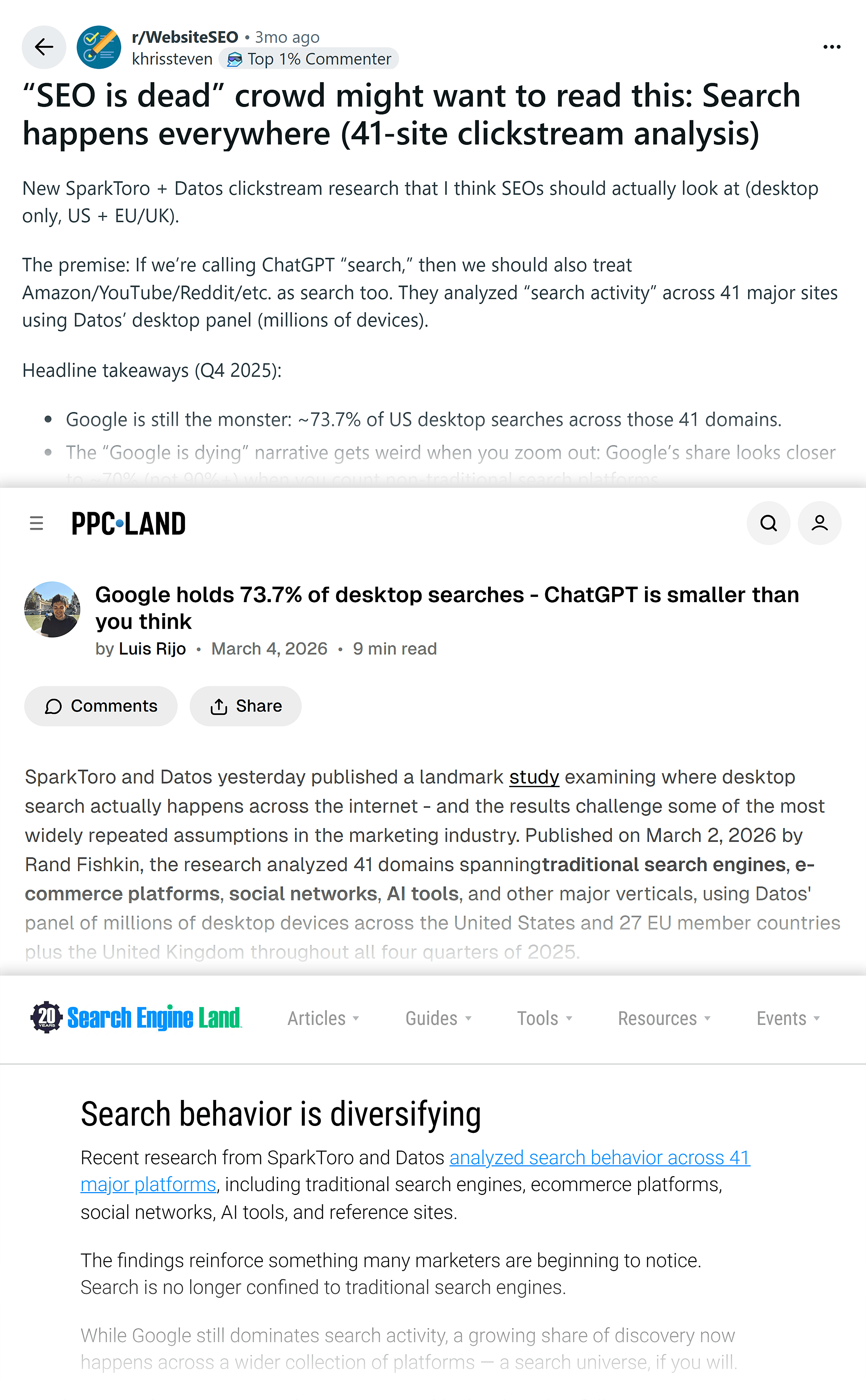
Creating Data-Driven, Citable Content
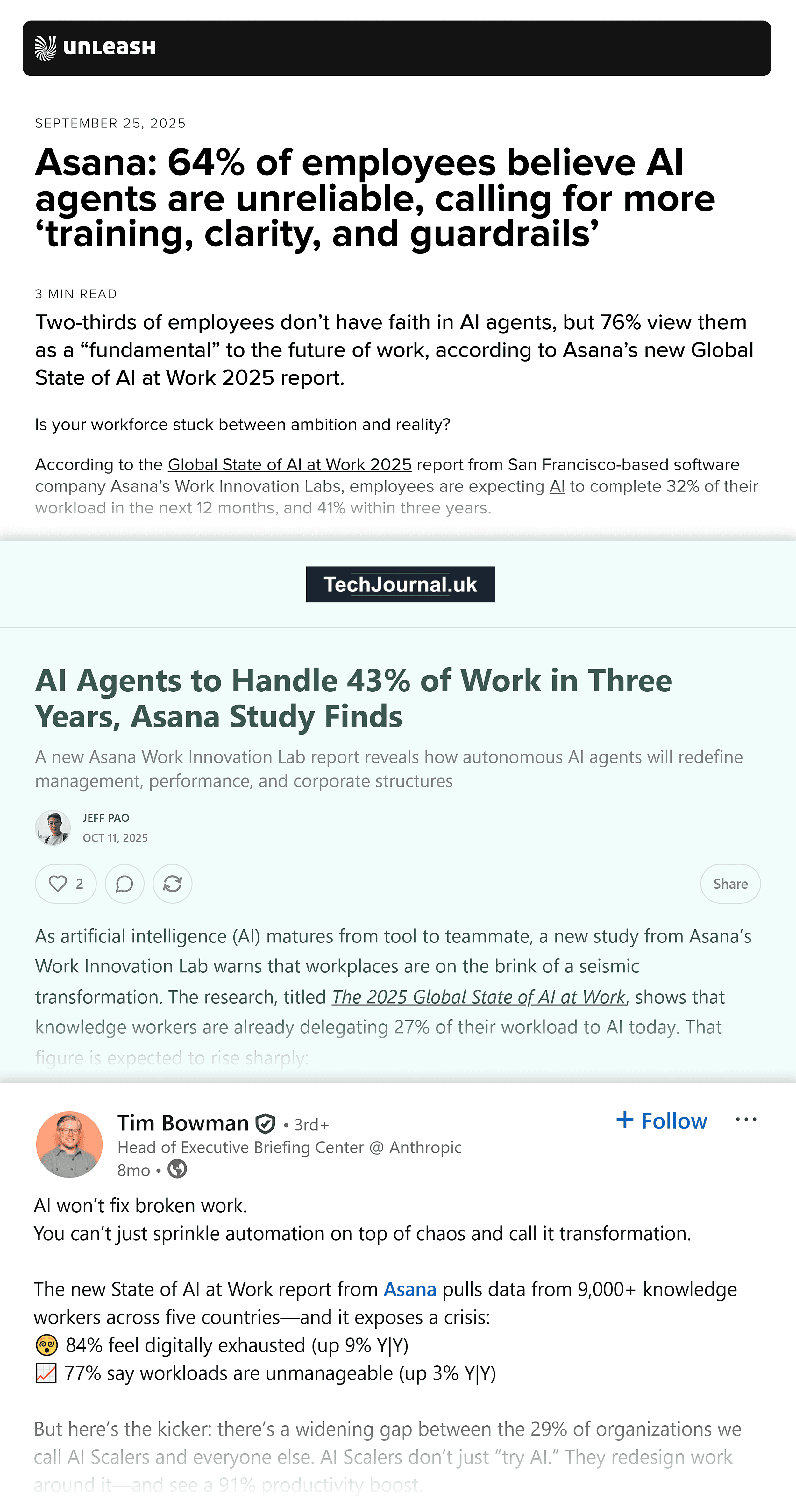
Original research remains one of the most reliable methods for generating sustainable brand mentions. By conducting proprietary studies that address unresolved industry debates or quantify emerging trends, organizations create primary data assets that other writers, journalists, and researchers are compelled to cite. When industry publications or news outlets reference these statistics, they must attribute the findings to the originating brand. To maximize the citation potential of research assets, organizations must package their data with clear executive summaries, visually digestible charts, and easily extractable key findings.
Partnering on Co-Created Assets and Campaigns
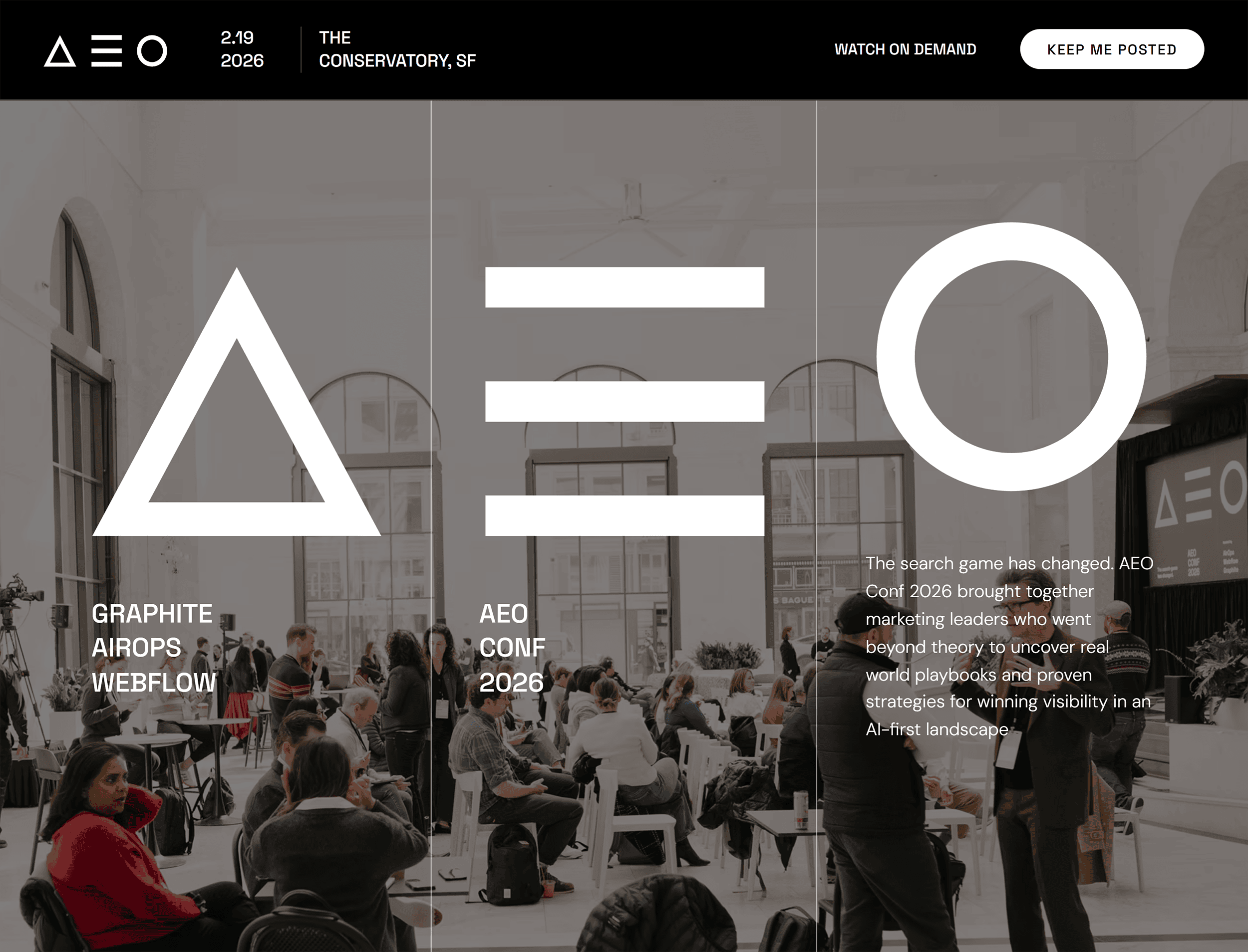
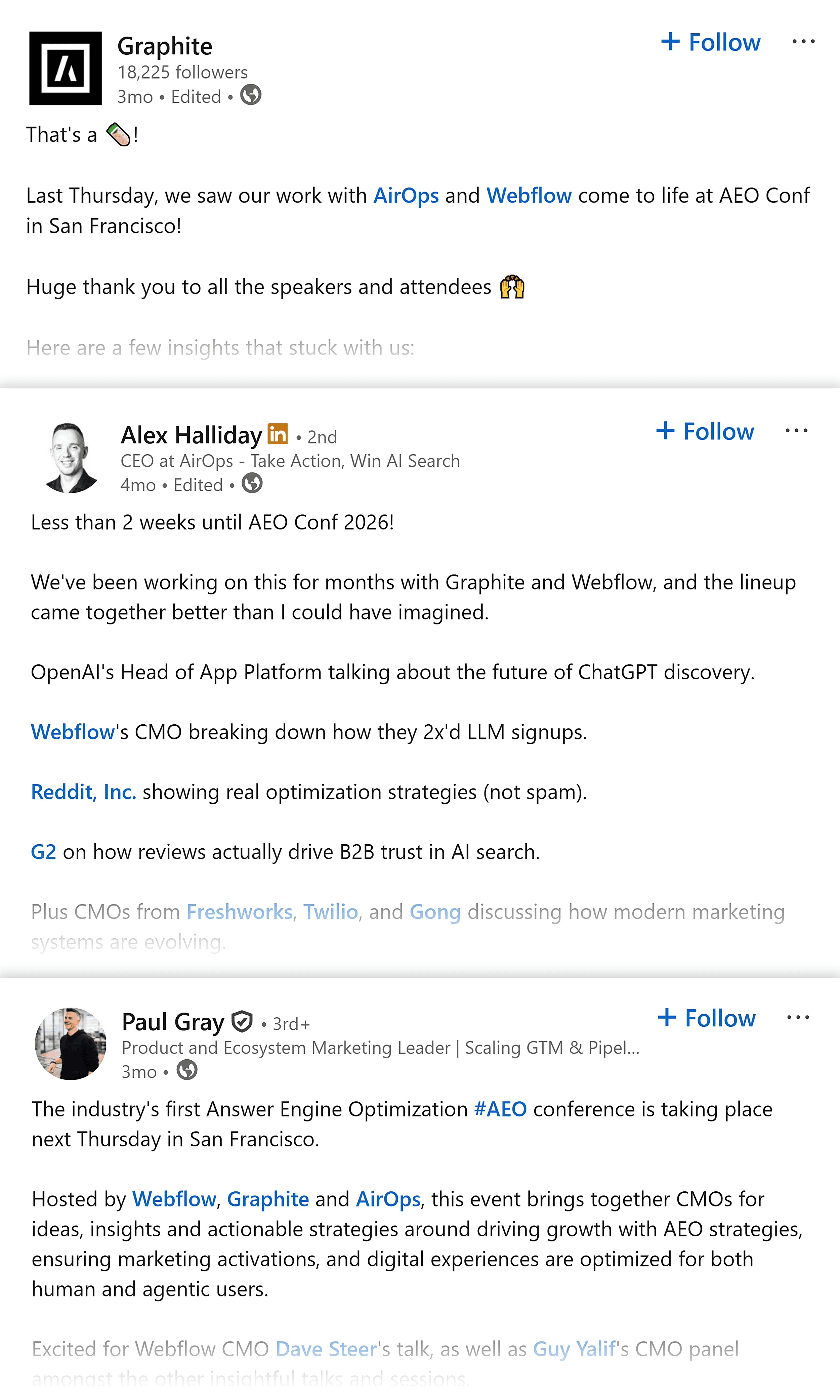
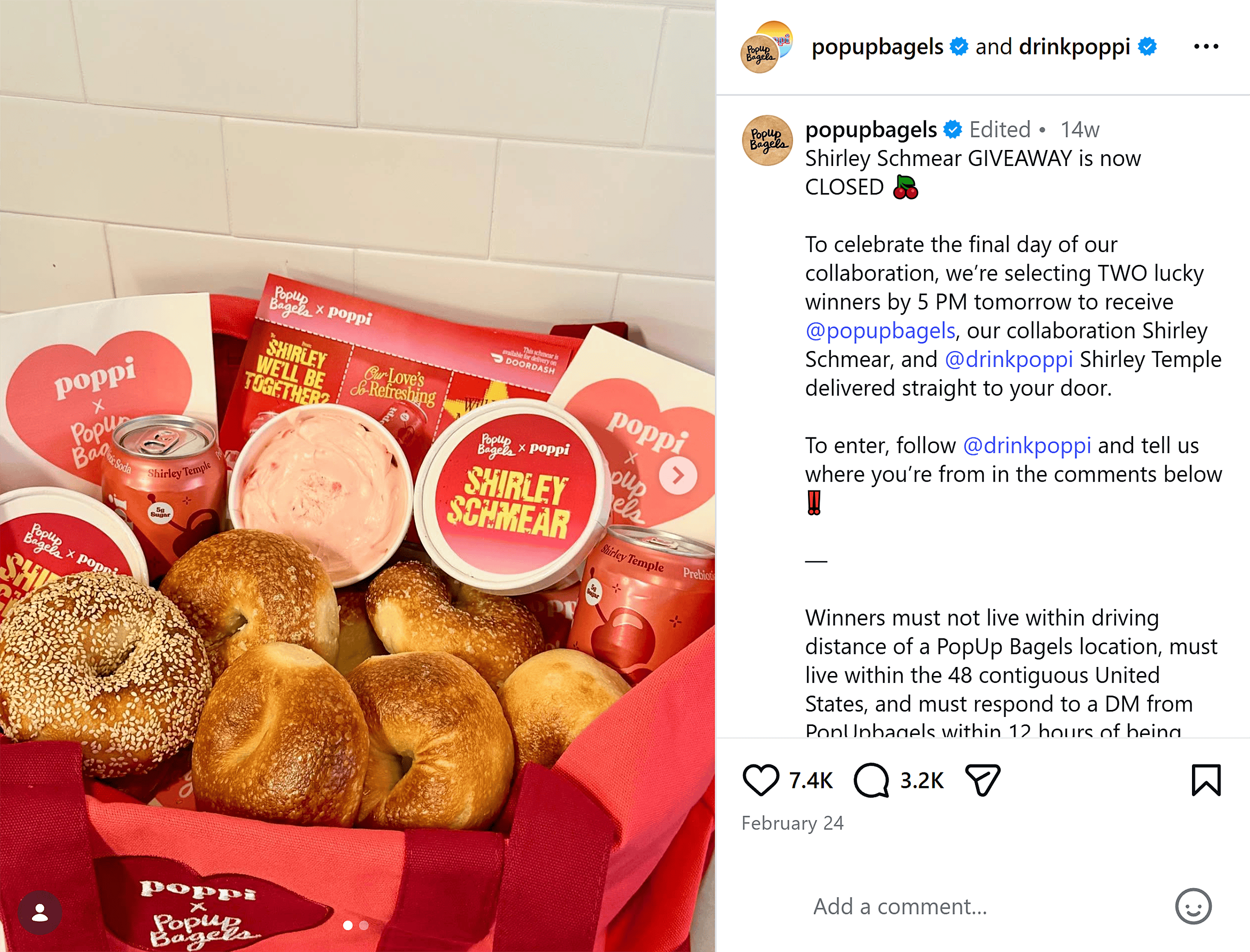
Collaborating with complementary brands on joint initiatives—such as industry conferences, co-branded products, or strategic public relations campaigns—creates powerful co-occurrence signals. When two or more non-competing businesses targeting overlapping audiences launch a joint project, promotional efforts and media coverage inevitably mention both brands in the same breath. Over time, repeated co-occurrence trains search engines and LLMs to associate the participating brands with shared industry topics, significantly boosting collective visibility.
Featuring Other Brands and Experts in Proprietary Content
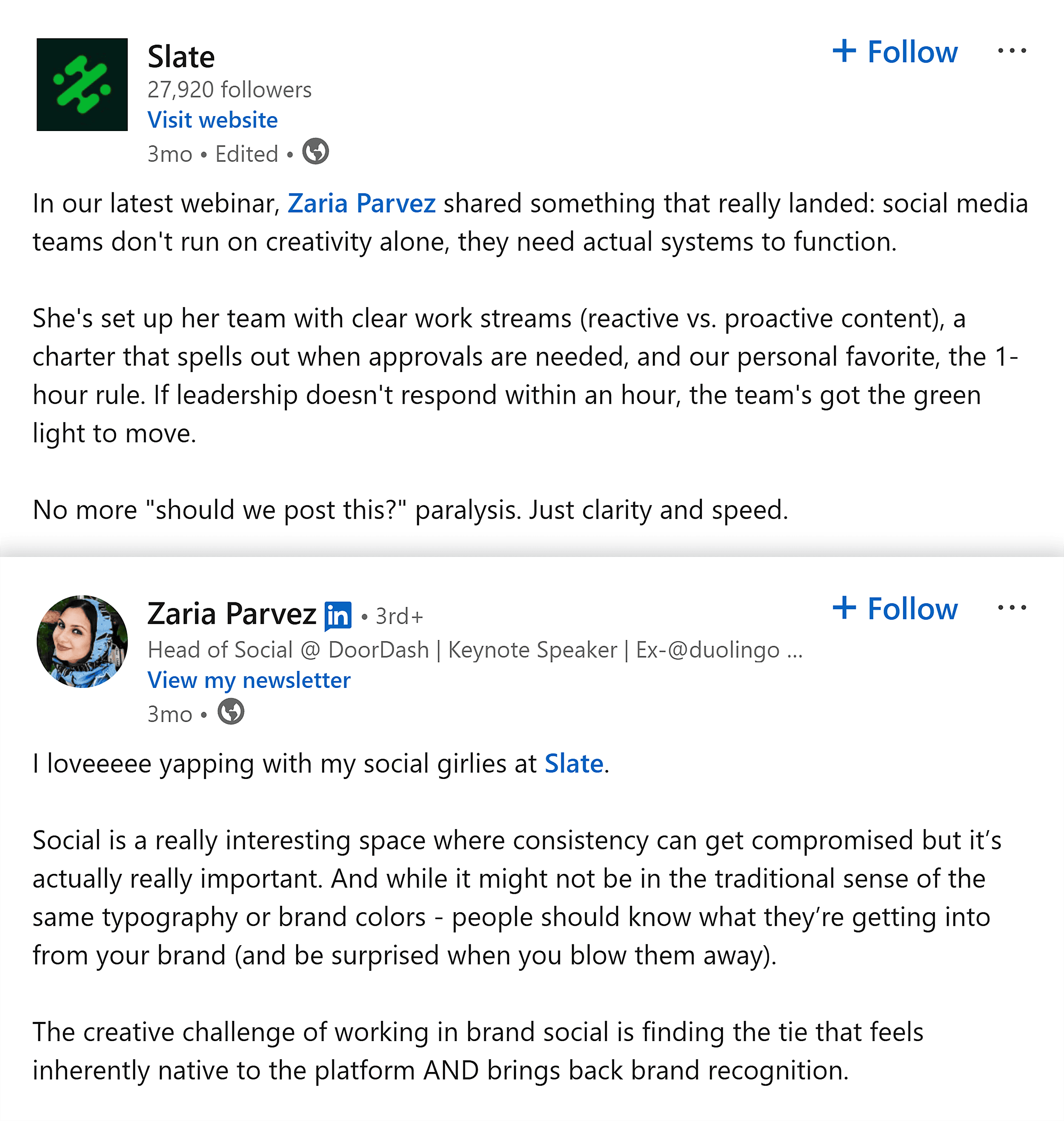
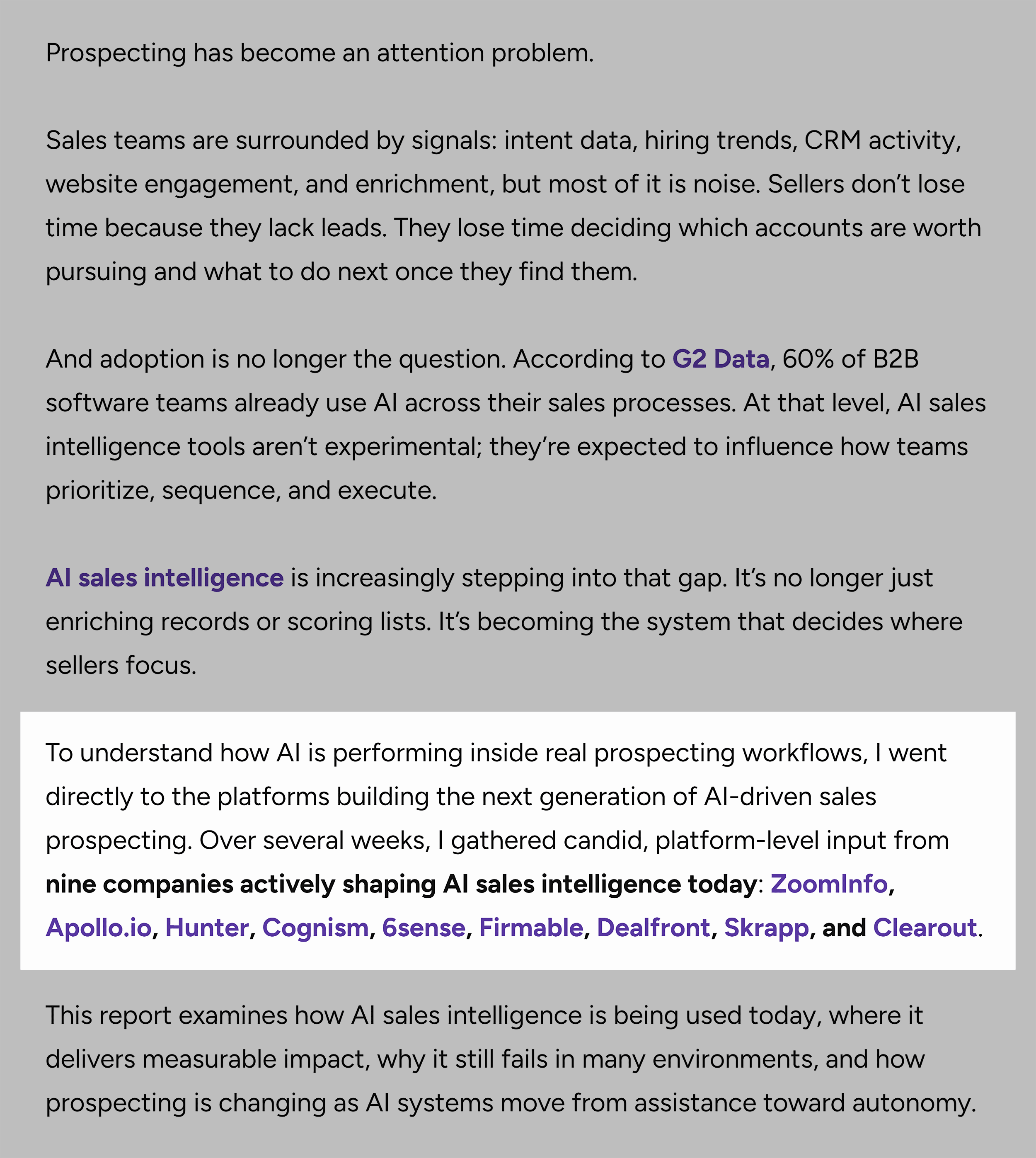
A reciprocal approach to content creation involves highlighting external experts, industry leaders, and complementary brands within proprietary formats, such as expert roundups, benchmark reports, and podcast interview series. When an organization places an expert’s insights at the center of a piece of content, that contributor has a vested interest in sharing the material with their own expansive networks. This dynamic transforms contributors into brand advocates, driving high-value referral traffic and organic mentions across professional social networks and niche communities.

Contributing Subject Matter Expertise Through Digital PR
Digital public relations remains an indispensable channel for securing authoritative brand mentions. Executives and subject matter experts who actively pitch their insights to podcasts, newsletters, and journalistic outlets can secure feature placements in show notes, video descriptions, and editorial write-ups. Rather than pushing promotional sales messaging, successful digital PR relies on offering genuine educational value, proprietary playbooks, and practitioner-level insights tailored to the host publication’s audience.
Tracking, Measurement, and Executive Reporting
To quantify the return on investment (ROI) of brand mention campaigns, marketing teams must utilize a combination of monitoring tools and structured reporting frameworks.
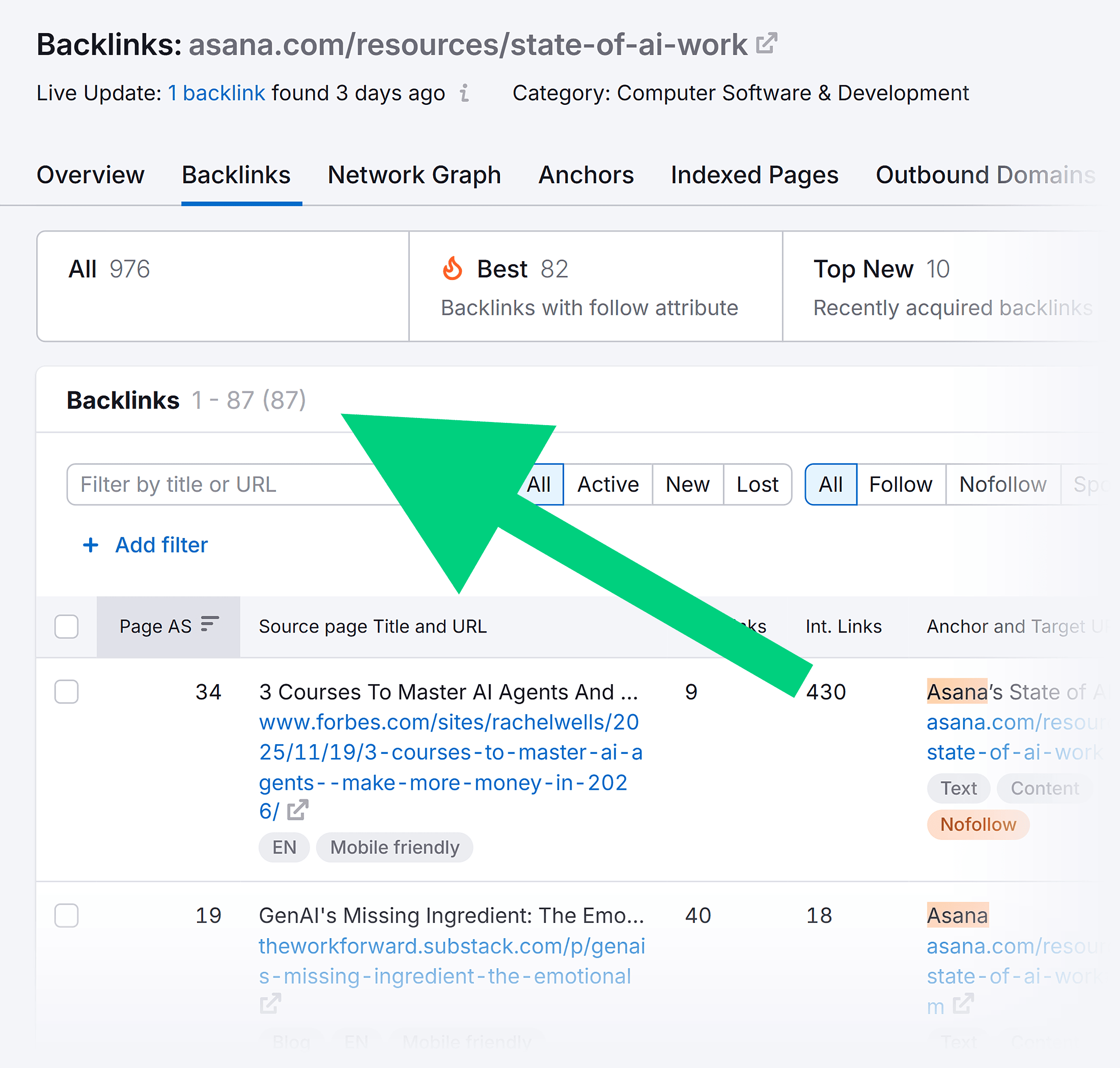
Google Alerts and manual searches serve as a foundational, cost-effective method for tracking daily brand references across news outlets and blogs, though they often fail to capture real-time discussions occurring on community forums. Advanced social listening tools—such as dedicated brand monitoring applications—provide granular analytics on mention volume, sentiment analysis (positive, neutral, or negative), and platform distribution across social networks and review sites. Furthermore, backlink analytics tools can be leveraged by filtering anchor text to identify specific instances where a brand name has been cited across external domains.

When reporting these findings to leadership, marketing professionals must transition away from vanity metrics and instead focus on narrative and impact. Monthly and quarterly reports should highlight the total volume of mentions earned, shifts in consumer sentiment, the proportion of mentions originating from high-authority domains, and any direct correlations between marketing campaigns and spikes in brand visibility. By framing brand mentions as a strategic driver of entity authority and AI search readiness, organizations can secure executive buy-in and build a resilient digital presence that remains competitive across both traditional and AI-driven search environments.
Related posts: