The landscape of digital strategy has undergone a structural transformation, fundamentally altering how businesses acquire traffic and convert prospects. Traditionally, website marketing operated on a direct linear model: a company promoted its web address through search engine optimization and advertising, drove visitors to its homepage, and converted them into customers. While the website remains the central hub for transactions and deep engagement, the modern customer journey has largely migrated beyond traditional domain perimeters.
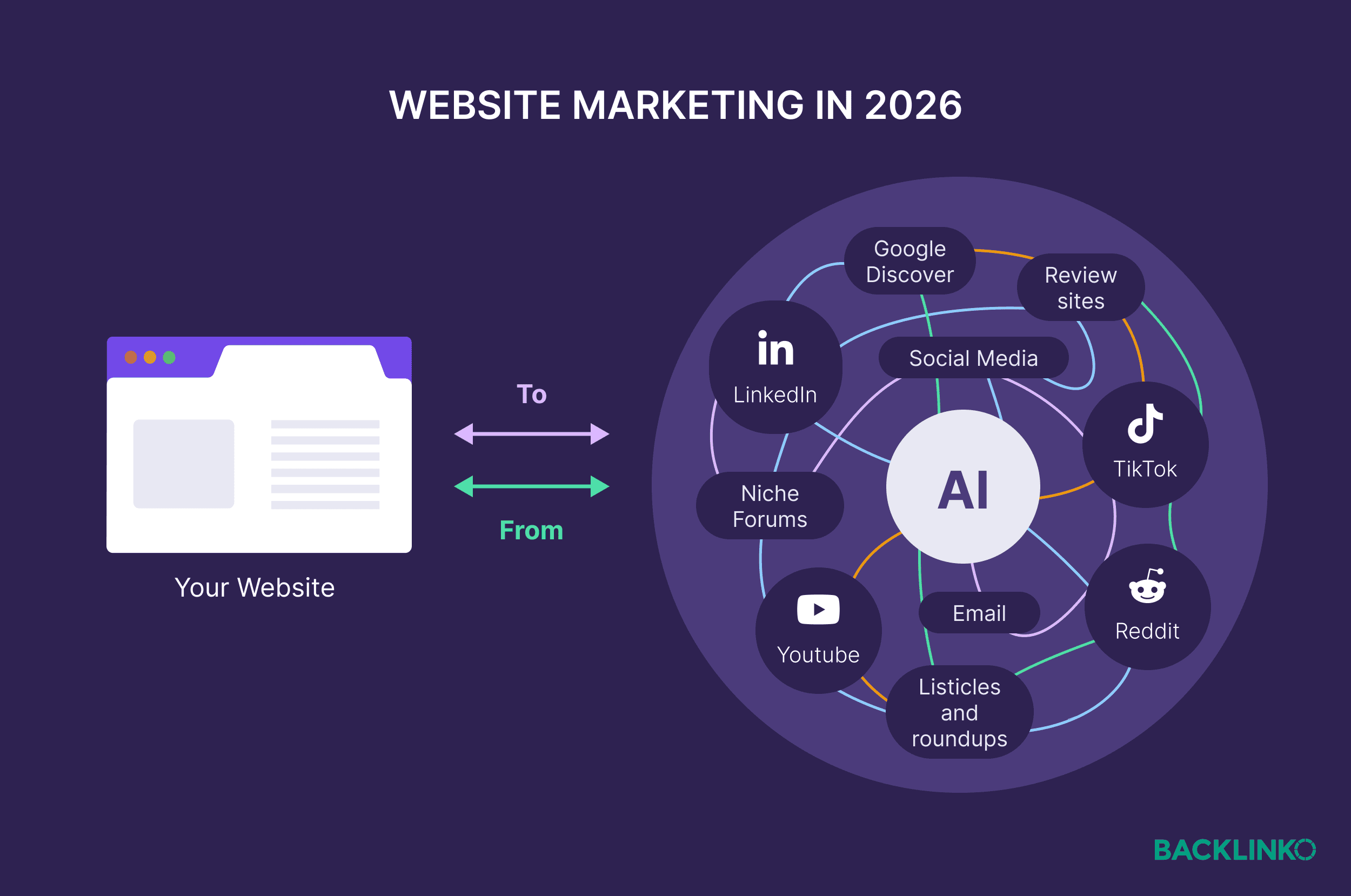
Contemporary consumer behavior studies indicate that over 65% of buyers now utilize artificial intelligence research assistants, peer-to-peer discussion boards, and social media platforms to evaluate products, services, and brands long before they ever click through to a corporate website. Consequently, consumer perception is established externally. Brands that lack visibility and verified credibility across these third-party touchpoints frequently fail to capture high-intent traffic, regardless of how thoroughly optimized their primary landing pages might be.

The Evolution of the Consumer Decision Journey
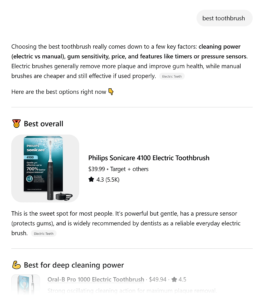
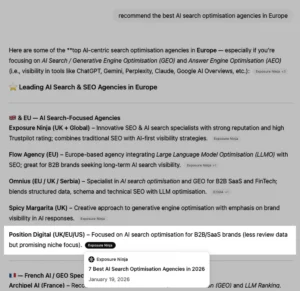
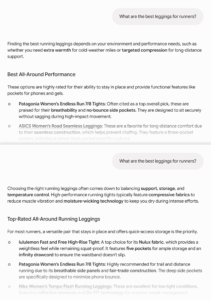
This behavioral shift reflects a broader evolution in digital discovery over recent years. As large language models (LLMs) and conversational search interfaces have matured, users increasingly rely on aggregated digital sentiment rather than browsing multiple standard search engine results pages. When a potential buyer queries an AI tool regarding industry solutions, the underlying model synthesizes data from across the web—including Reddit threads, independent review sites, and social platforms—to formulate recommendations.

Industry analysts note that this zero-click discovery phase creates a pre-educated consumer. By the time a user navigates to an official website, they have already formed an educated hypothesis regarding the brand’s value proposition, pricing structure, and industry standing. Therefore, modern website marketing requires a dual-track approach: engineering how the broader internet describes the brand while ensuring the destination site immediately reinforces that narrative with absolute clarity and reduced friction.

Strategic Pillar 1: Engineering Omnichannel Brand Perception
To maintain consistency across disparate digital ecosystems, organizations must establish a rigorous brand messaging strategy. This involves defining the exact terminology, value propositions, and categorizations associated with the enterprise and ensuring that marketing, sales, and executive communications uniformly adopt this language. Repetition of core messaging across off-site platforms builds semantic associations that large language models and human researchers alike recognize as authoritative indicators of category leadership.

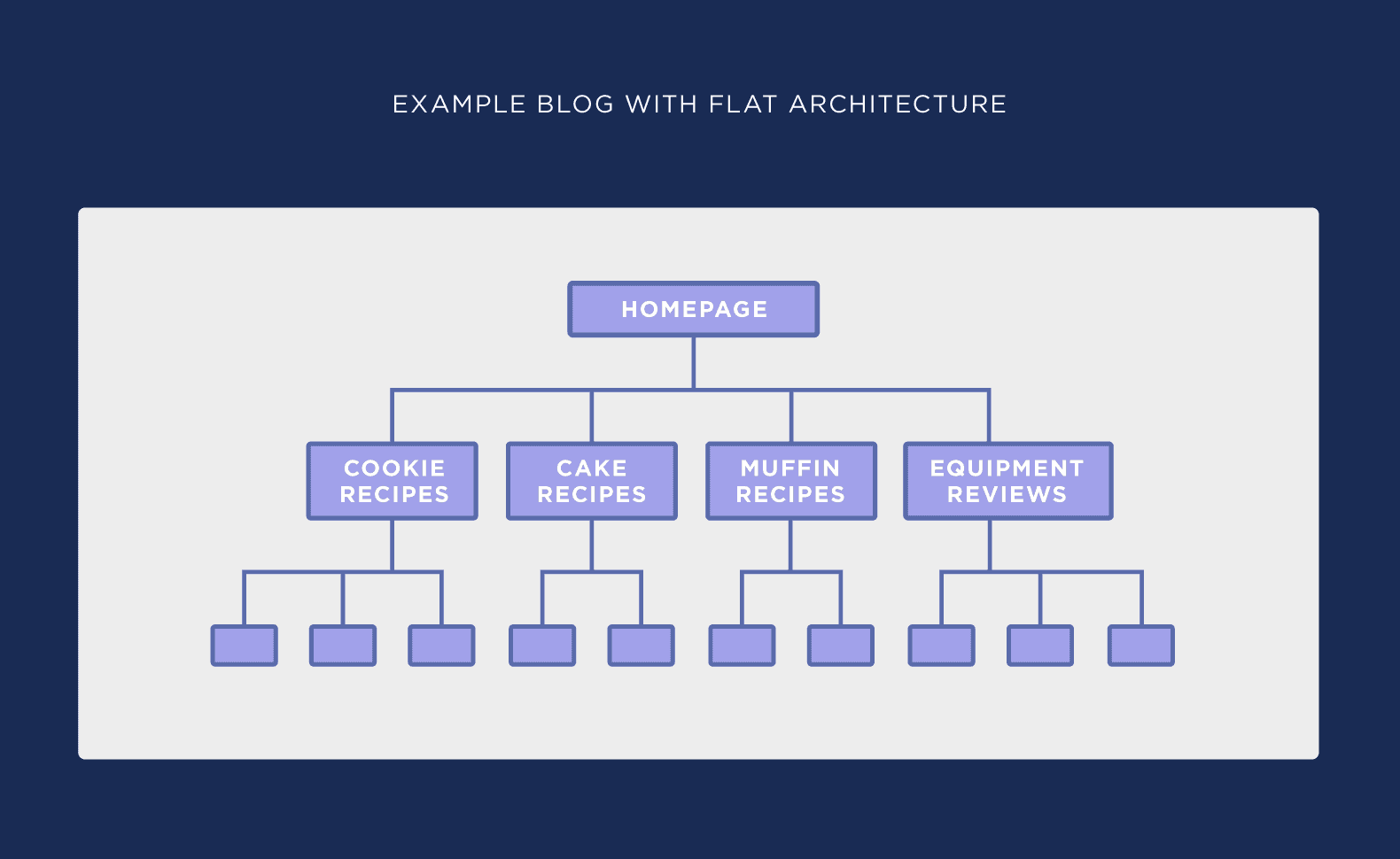
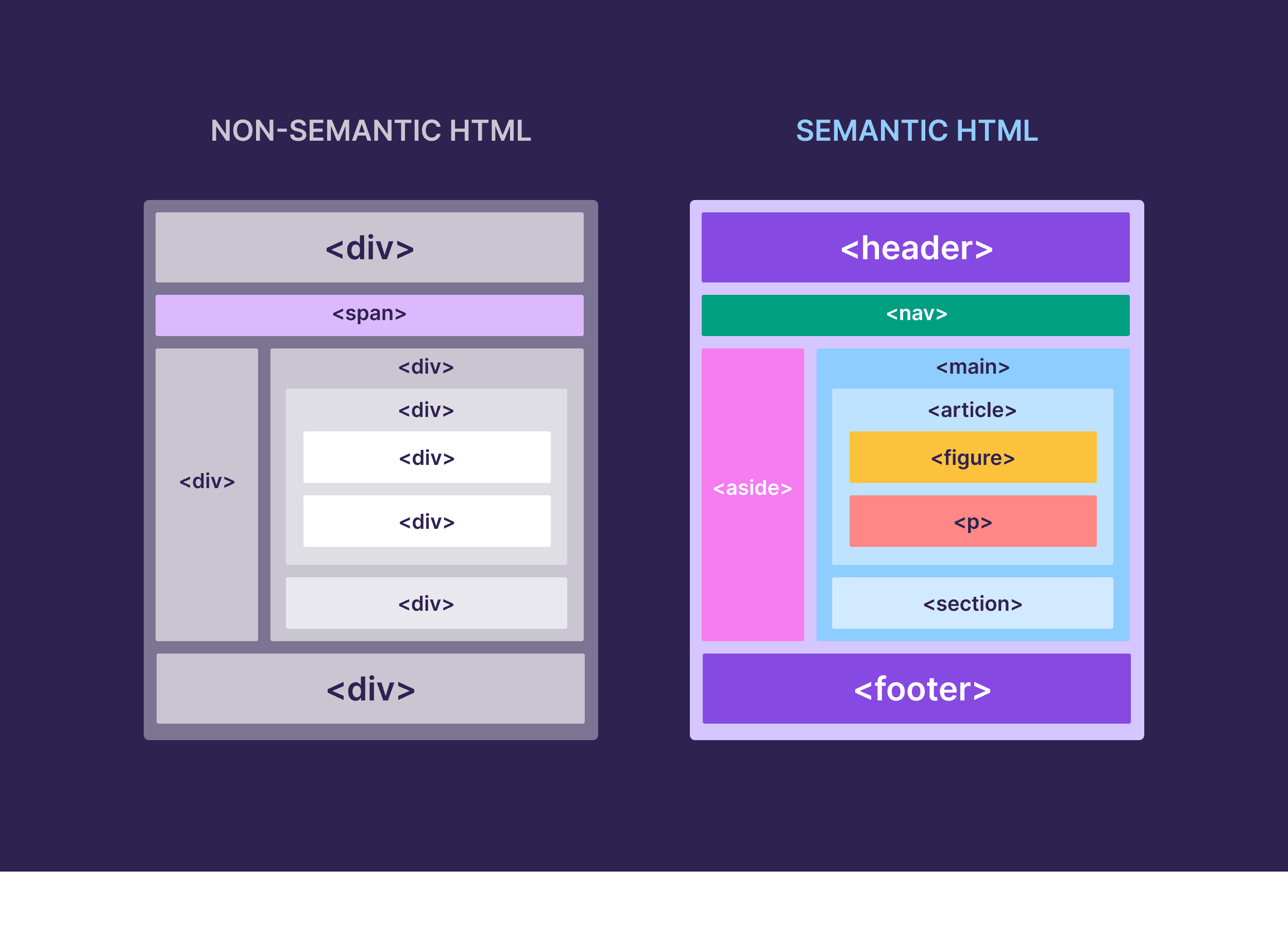
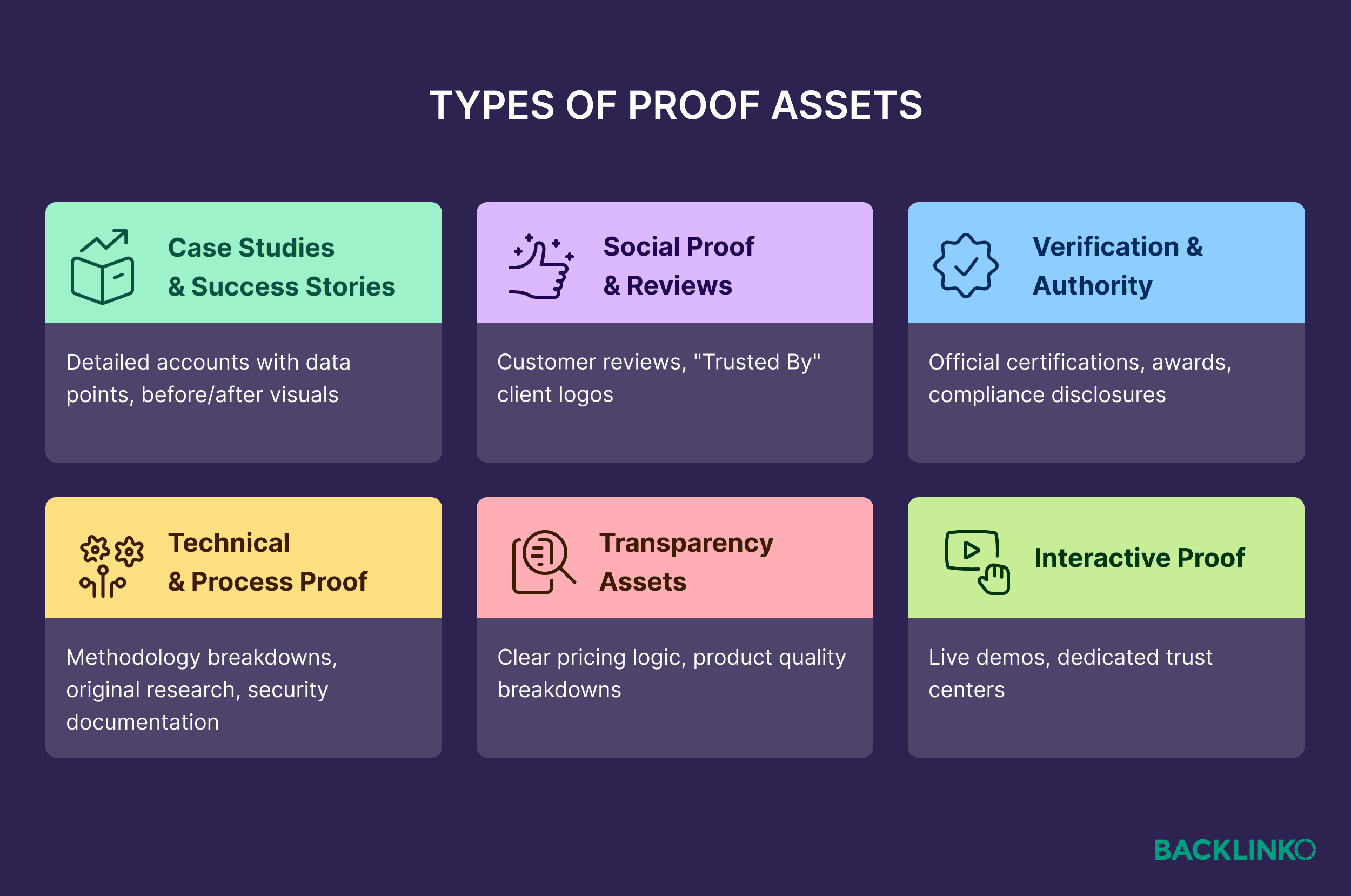
Simultaneously, website architecture must evolve to accommodate both human readers and automated parsing algorithms. Clean, semantic HTML, logical URL hierarchies, and properly implemented structured data allow search engines and AI scrapers to accurately index content. Enterprises are increasingly pairing these structural optimizations with undeniable proof assets—such as verified case studies, empirical performance data, and transparent return or security policies—to satisfy the detailed technical inquiries generated by algorithmic discovery tools.

Strategic Pillar 2: Trust-Building Through Multi-Format Video Integration
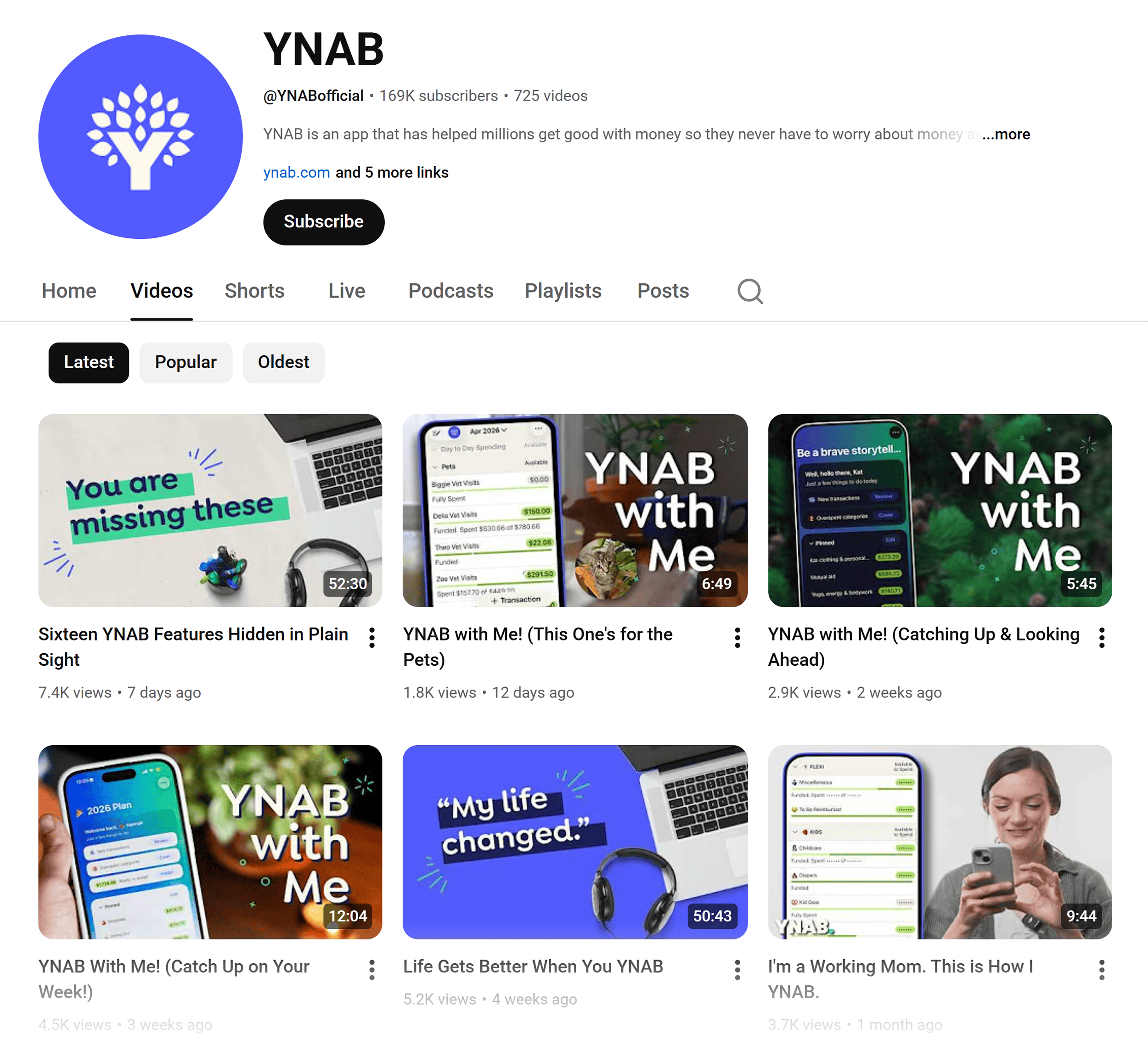
Text-based content alone is no longer sufficient to bridge the trust gap in competitive markets. Long-form video assets, hosted on platforms like YouTube or integrated directly into product landing pages, allow consumers to familiarize themselves with corporate leadership and operational transparency before engaging in financial transactions. Long-form educational content establishes deep domain authority, whereas short-form vertical video reinforces brand recall through high-frequency repetition across mobile platforms.
Market data underscores that consumers prefer visual validation when evaluating complex software, consumer electronics, and specialized services. Organizations that successfully link their off-platform video assets directly to relevant, conversion-optimized web pages experience higher conversion rates and superior traffic quality.

Strategic Pillar 3: Capturing Interest-Driven Traffic via Google Discover
Beyond standard algorithmic search queries, modern visibility relies heavily on feed-based content discovery platforms such as Google Discover. These personalized feeds curate content based on individual user interests, browsing history, and contextual relevance. Achieving placement within Discover requires a dedicated editorial lane focused on timely, high-impact topics that carry clear stakes or industry-wide implications.
Optimizing for Discover demands exceptional editorial packaging. Because these feeds operate in highly dynamic, mobile-first environments, headlines must effectively communicate tension or immediate relevance, while accompanying visuals must feature high-resolution imagery designed to capture attention amid a continuous stream of global news and entertainment.

Strategic Pillar 4: Optimizing Conversion Rates in a Zero-Click Ecosystem
As AI-driven search and conversational agents answer direct user queries without requiring an outbound click, inbound web traffic is increasingly composed of high-intent, late-stage buyers. Consequently, traditional metrics centered purely on raw traffic volume have taken a backseat to revenue-per-visitor and conversion rate optimization (CRO).
Digital marketing directors are advised to audit their primary conversion pathways to eliminate friction points—such as slow loading speeds or confusing navigation—and alleviate consumer anxiety through prominent security badges, transparent pricing models, and robust customer review systems. Furthermore, extending the website experience through intelligent behavioral email targeting ensures that brands can re-engage hesitant prospects based on specific on-site actions, leveraging psychological principles like reciprocity to nurture leads toward a final purchase decision.

Strategic Pillar 5: Humanizing the Brand and Supporting Niche Communities
In an era saturated by automated content generation, the presence of recognizable human experts provides a distinct competitive advantage. Brands that feature visible founders, executives, or internal subject matter experts across professional networks, podcasts, and industry panels effectively de-risk transactions for prospective buyers.

This human-centric approach must extend into niche online communities, including specialized subreddits, professional Discord servers, and local forums. Industry analysts stress that participation in these spaces must be contribution-driven rather than overtly promotional. By offering genuine support and objective expertise within community discussions, brands earn the organic advocacy that ultimately influences both human sentiment and the training data consumed by AI recommendation engines.
Broader Industry Implications and Future Outlook
The transition toward decentralized website marketing signals the end of insular digital strategies. As artificial intelligence continues to reshape information retrieval, a brand’s digital footprint can no longer be managed solely from within a corporate content management system.

Organizations that adapt by harmonizing their on-site architecture with robust off-site reputation management, authentic human representation, and data-driven conversion frameworks will secure a distinct competitive advantage. Those that cling to outdated, domain-centric paradigms risk becoming invisible in an ecosystem where customer decisions are finalized long before the homepage ever loads.