Why High Google Rankings No Longer Guarantee AI Search Citations and How Query Fan-Out is Reshaping Digital Marketing

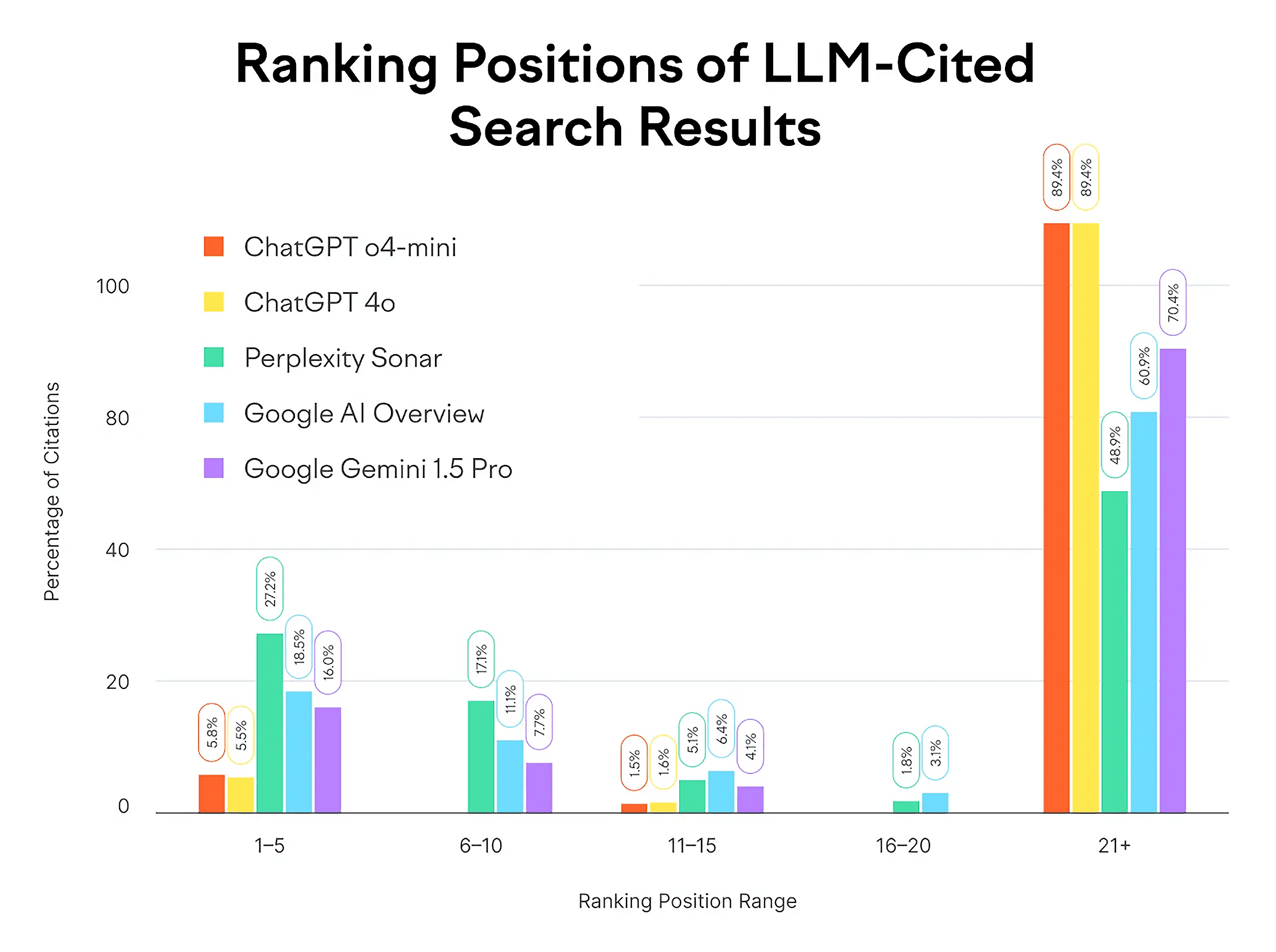
The traditional paradigm of search engine optimization is undergoing a fundamental transformation. In the emerging landscape of conversational artificial intelligence and generative search engines, a website can successfully capture a top-tier position on Google’s first page yet remain entirely invisible to large language models (LLMs) such as ChatGPT, Perplexity, and Claude. Recent industry analyses indicate that up to ninety percent of citations generated by leading LLMs are sourced from URLs positioned beyond the first page of conventional search engine results. This apparent contradiction is driven by a sophisticated background mechanism utilized by modern AI systems known as query fan-out.
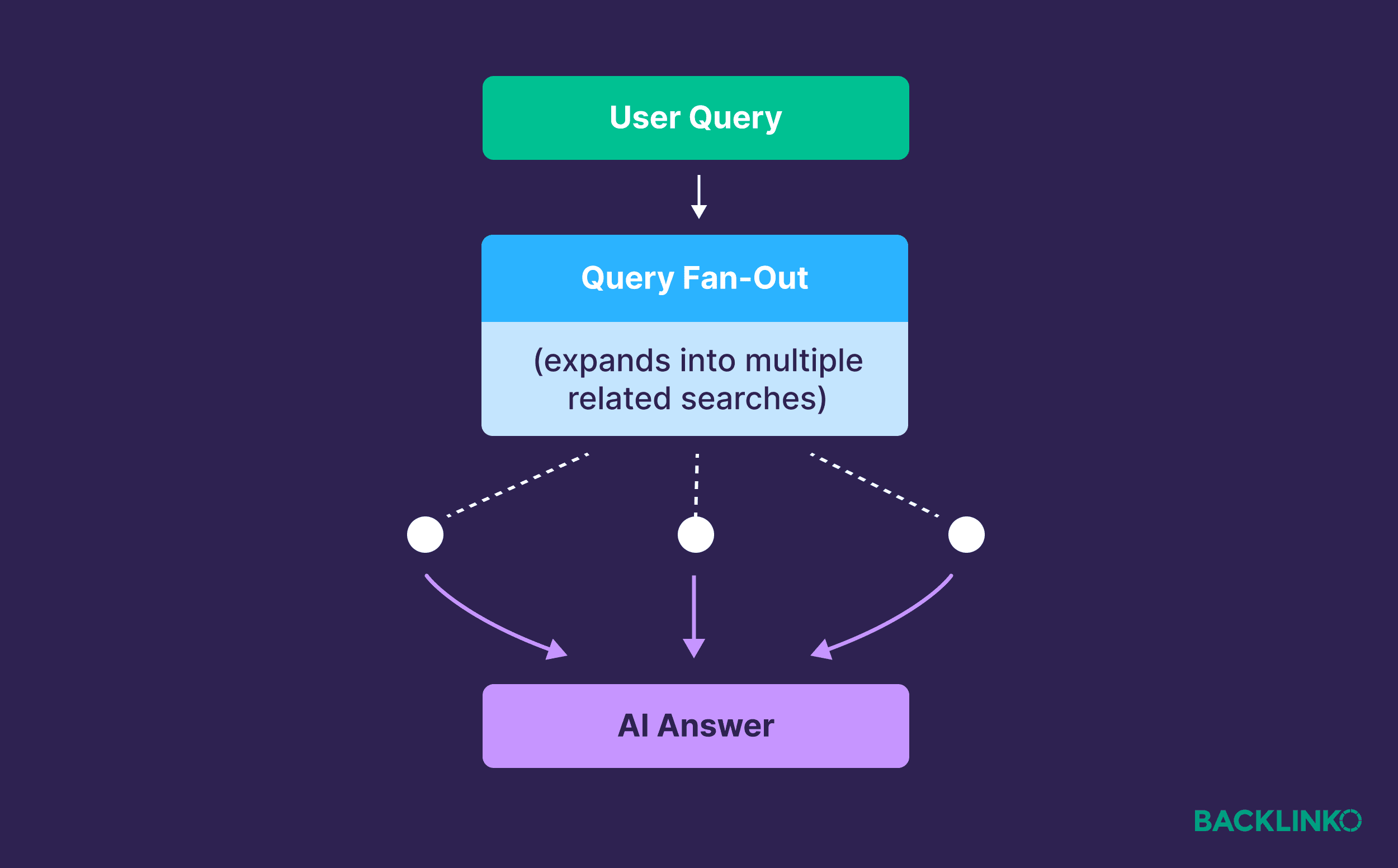
Understanding the Mechanics of Query Fan-Out
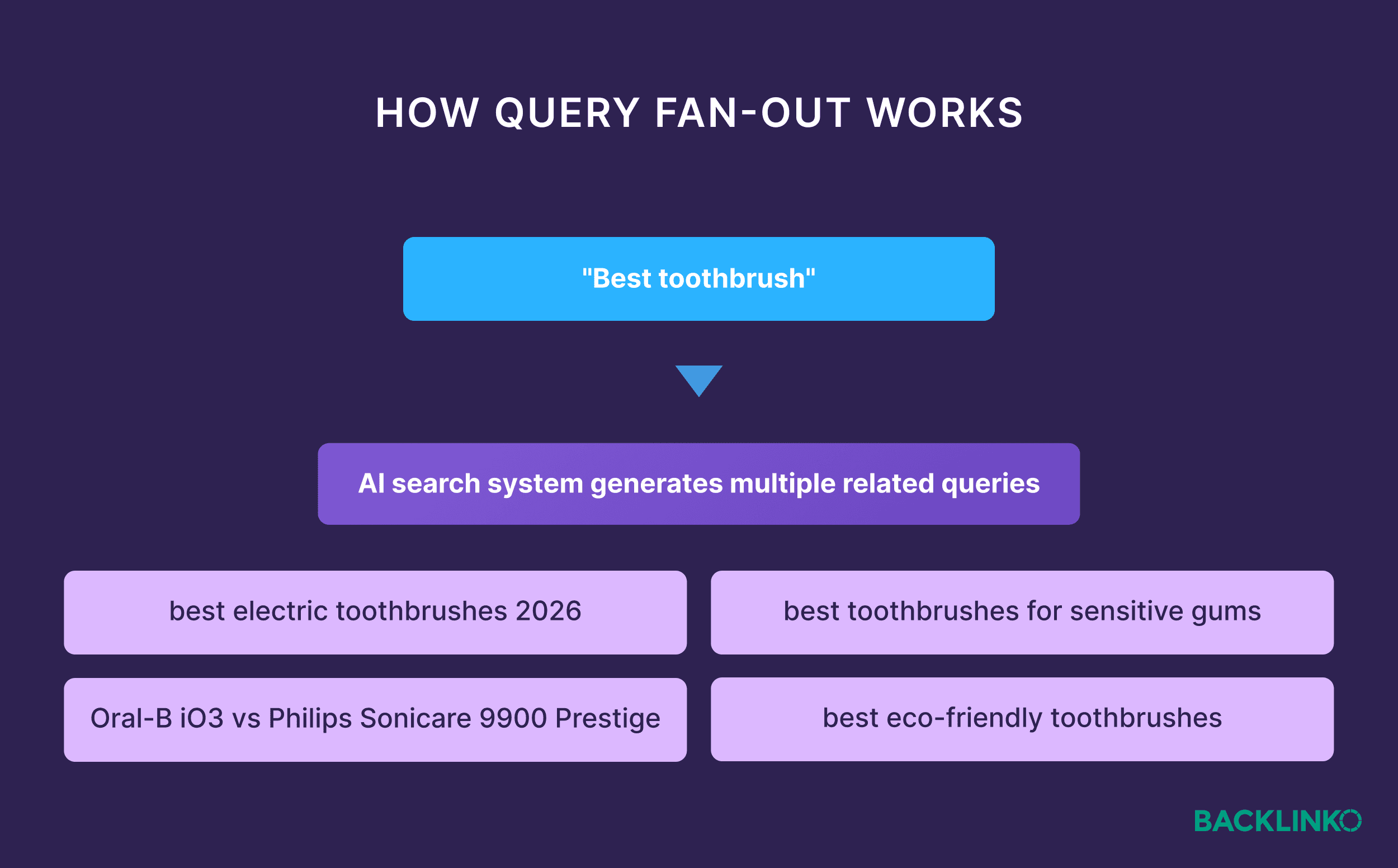
Query fan-out is a programmatic process wherein an artificial intelligence system breaks down a single, complex user prompt into a multitude of granular sub-queries to construct a comprehensive response. Rather than relying on a monolithic search query or defaulting to the single highest-ranking web page, generative AI engines evaluate the broader intent of a user’s prompt and fan it out across multiple related facets, sub-questions, and contextual dimensions.
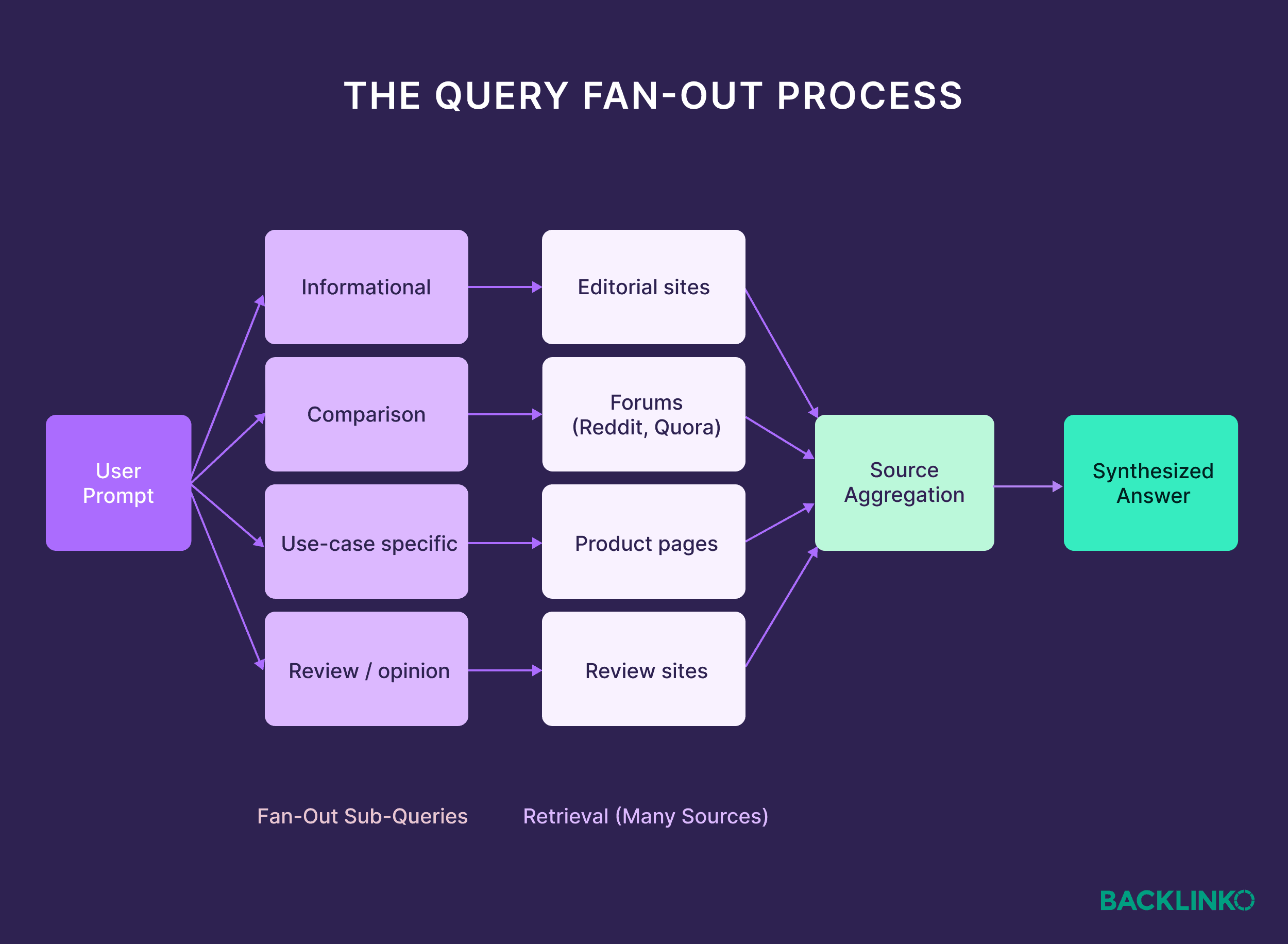
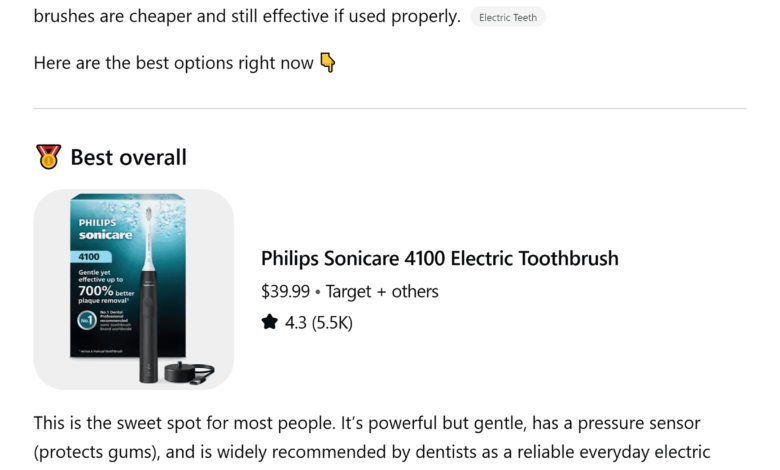
For instance, when a user enters a broad search string such as "best electric toothbrush," an LLM does not merely aggregate the top three ranking e-commerce or review pages. Instead, the underlying system executes a background sequence of secondary queries that target specific variables, such as electric versus manual models, options designed for sensitive gums, comparative head-to-head performance between leading brands like Oral-B and Philips Sonicare, and value-oriented price tiers. By synthesizing data retrieved from diverse origins—ranging from authoritative editorial publications and structured product documentation to crowdsourced discussions on platforms like Reddit—the AI delivers a synthesized, multi-faceted answer that anticipates user needs before they are explicitly articulated.
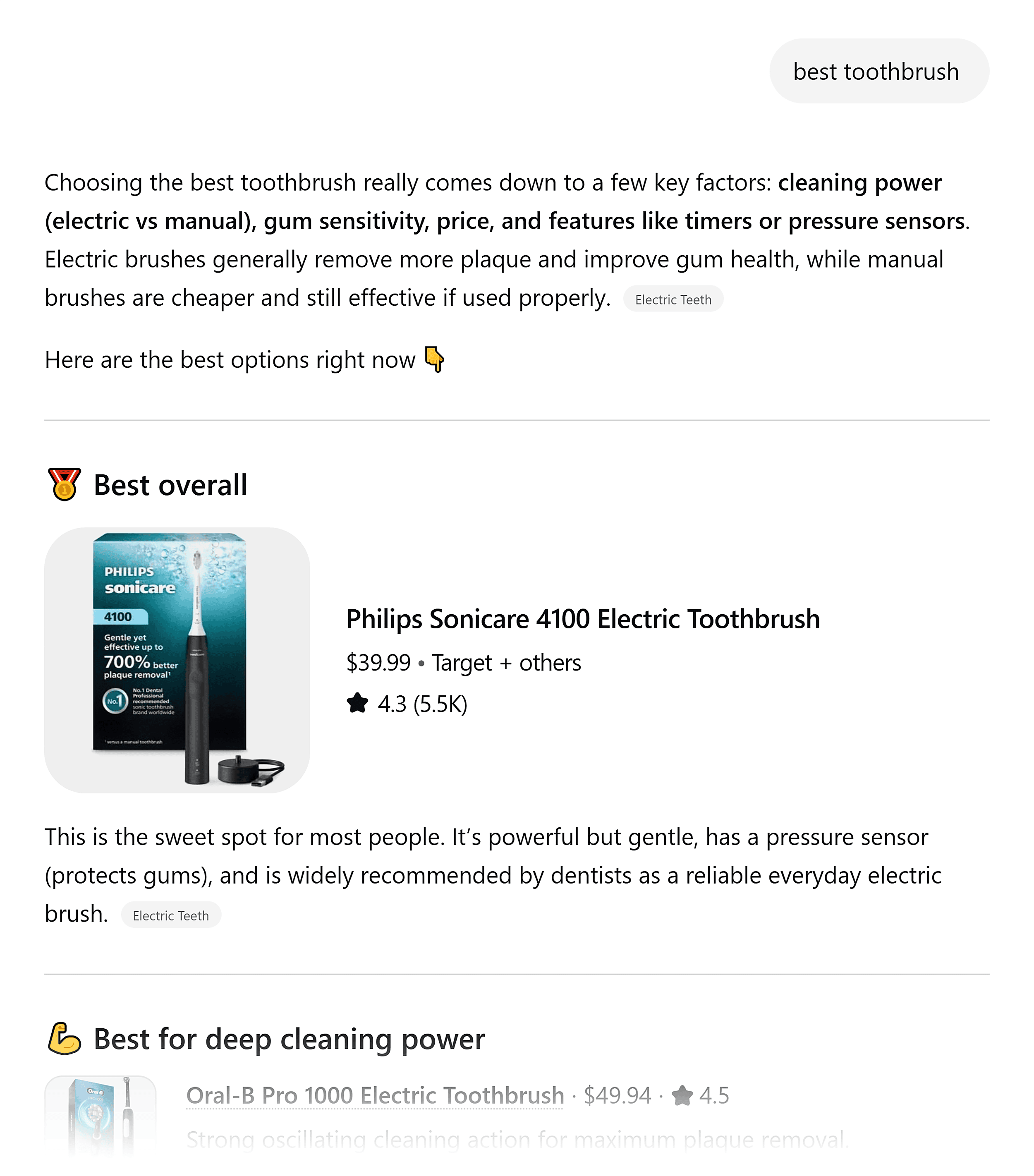
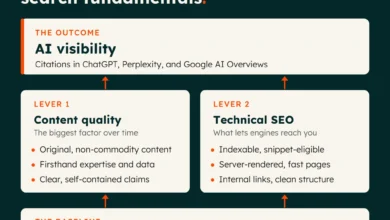
Consequently, visibility in AI-driven discovery is no longer dictated solely by traditional domain authority or primary keyword rankings. Instead, success depends heavily on content coverage, retrievability, and the granular structuring of information to satisfy a wide array of anticipated sub-queries.
The Structural Shift in the Buyer Journey and Information Retrieval
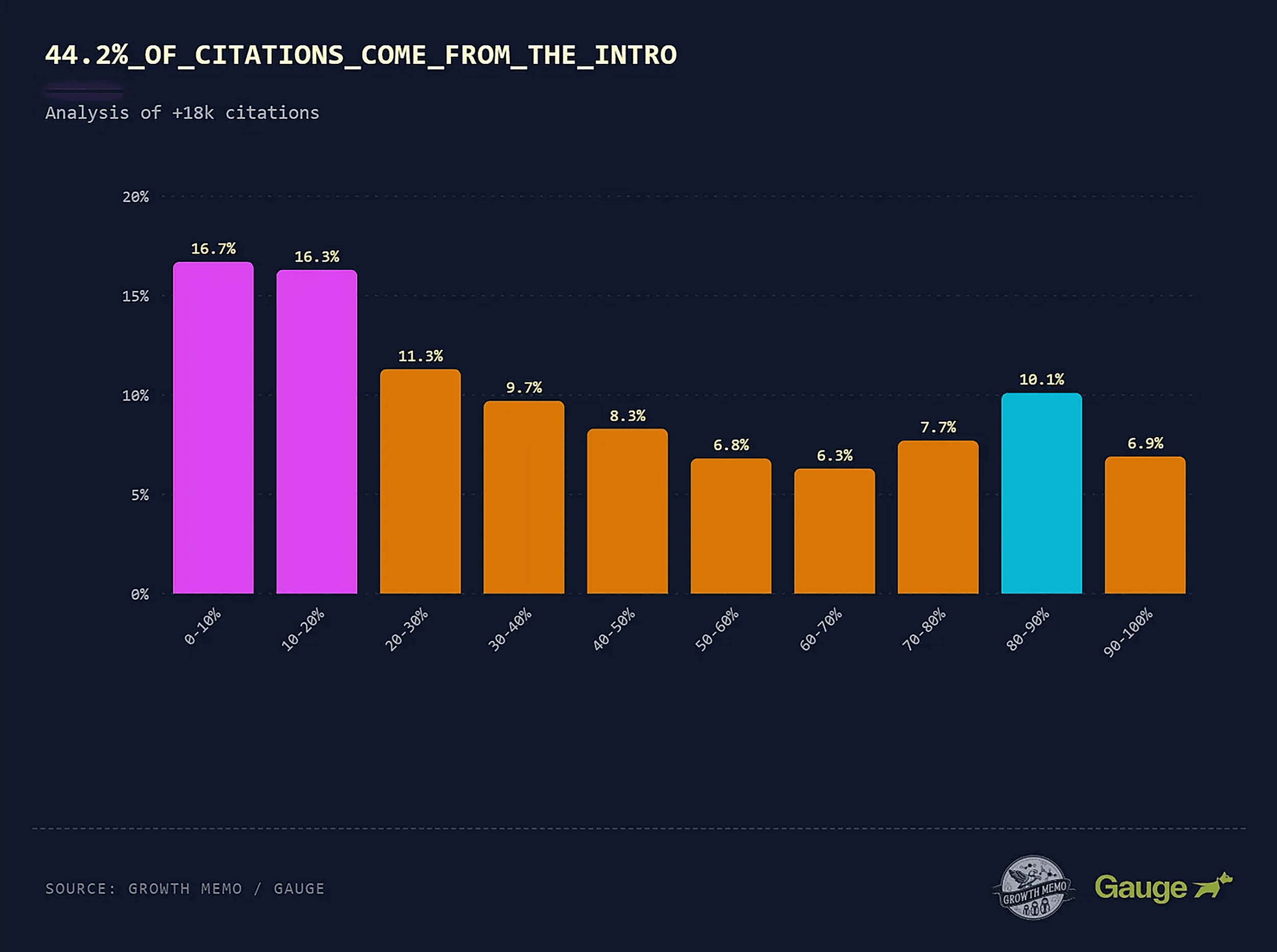
The operational reality of query fan-out introduces several critical shifts for digital marketers, content creators, and enterprise SEO strategists. First, AI systems do not evaluate or retrieve entire web pages in the manner of traditional search engine crawlers; rather, they parse and extract specific passages. Empirical studies tracking citation distribution across millions of LLM responses reveal that over forty-four percent of citations originate within the initial thirty percent of a target webpage. This highlights the vital importance of front-loading core answers, clear definitions, and data points rather than burying essential information deep within lengthy narrative copy.
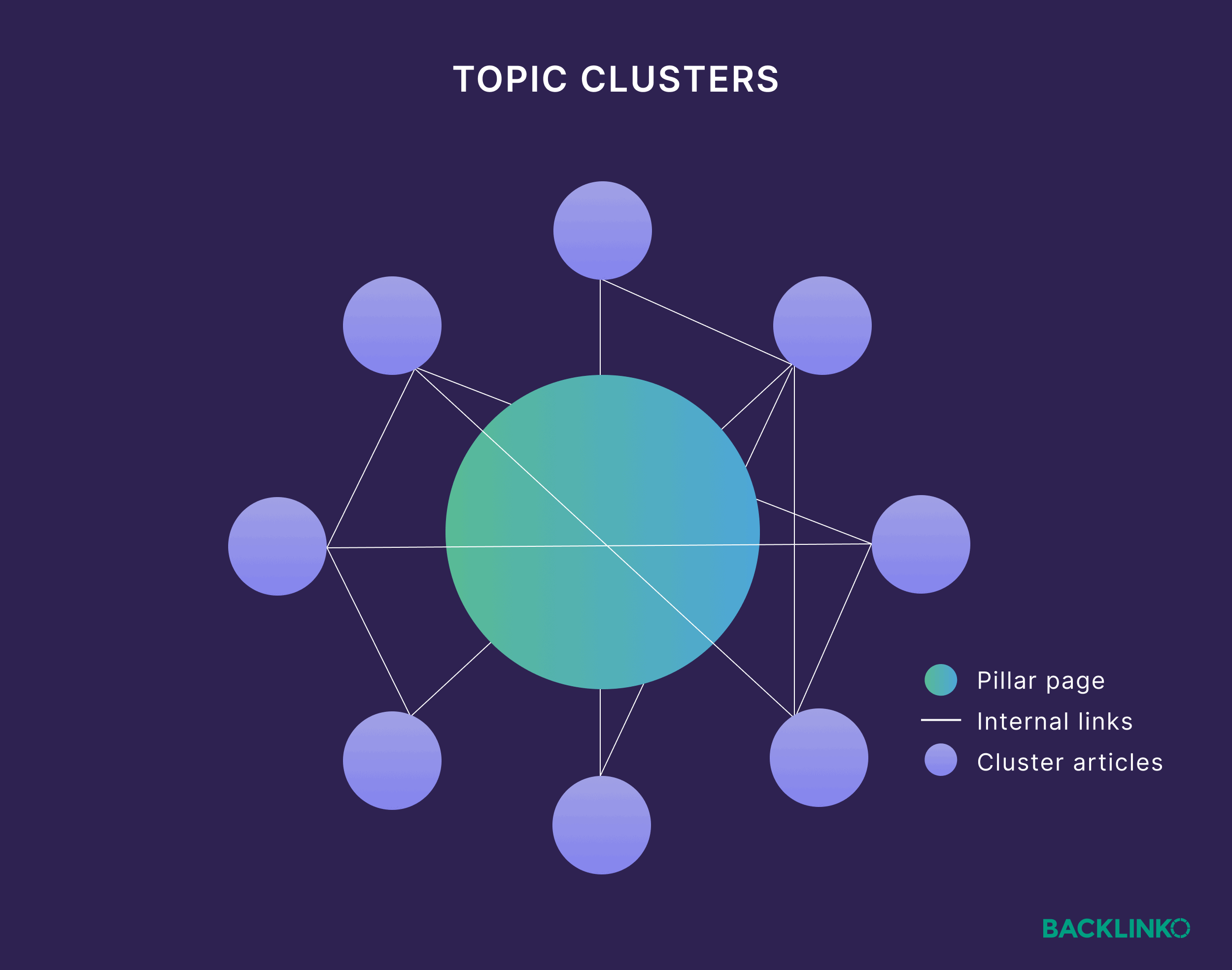
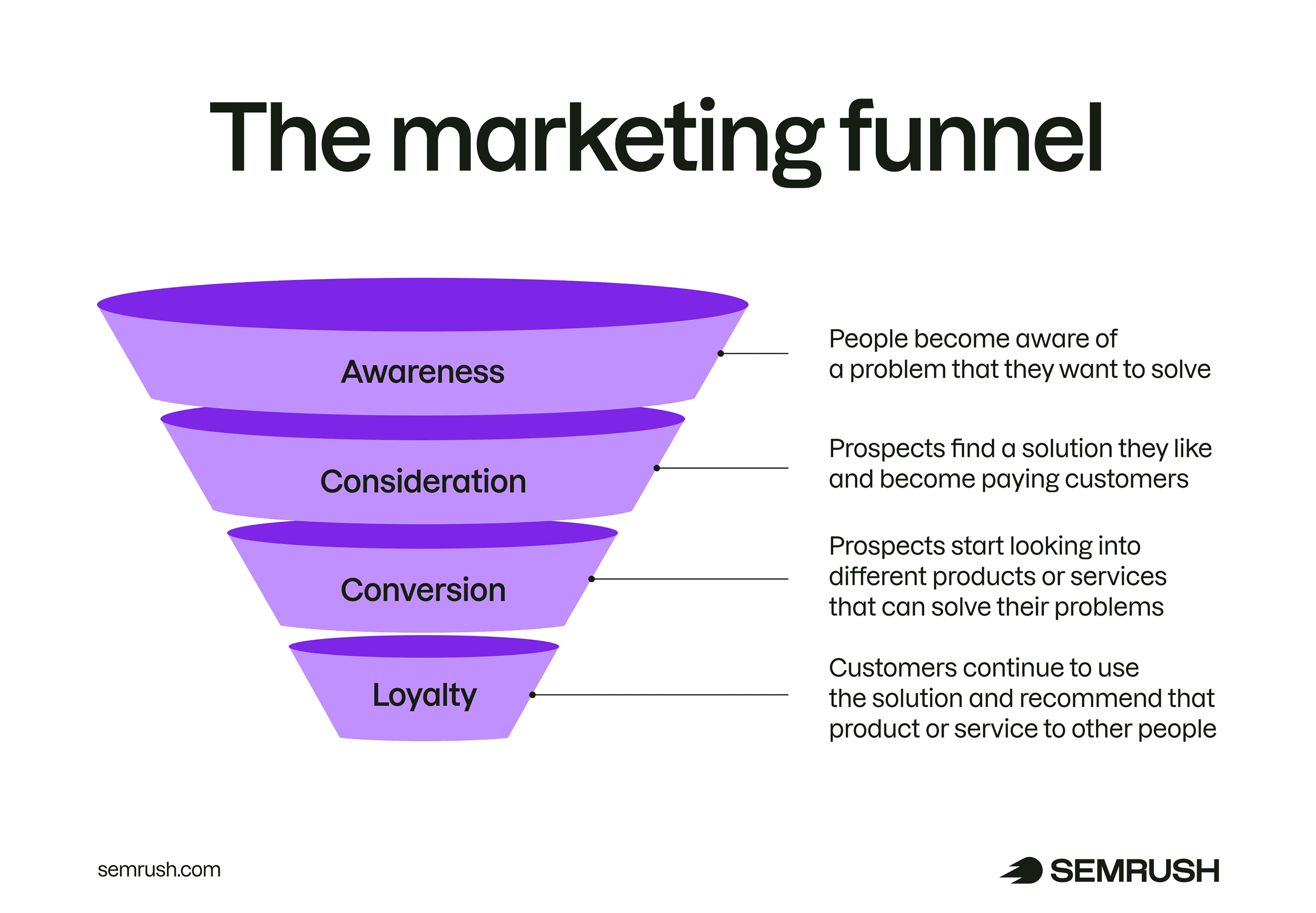
Second, the traditional marketing funnel—historically segregated into distinct awareness, consideration, and decision stages—is effectively compressed into a single, cohesive interaction. A high-intent prompt submitted to an AI assistant immediately triggers a multi-layered fan-out sequence that simultaneously retrieves awareness-level educational context, consideration-level comparative data, and decision-level product specifications. Content strategies must therefore evolve from targeting isolated, individual keywords to building comprehensive topic clusters that address an entire ecosystem of related sub-topics.
A Six-Step Strategic Workflow for AI Visibility
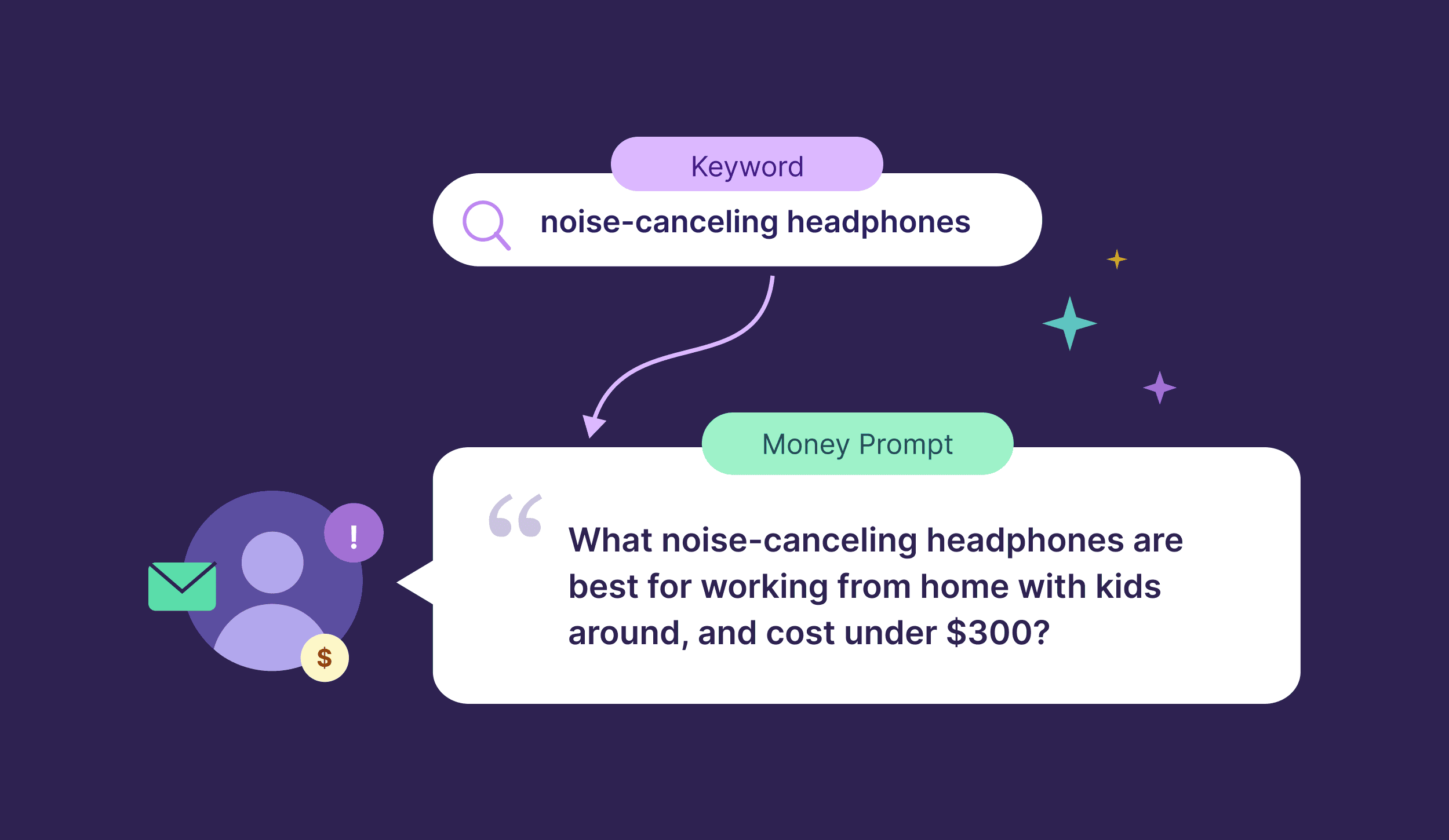
To adapt to the demands of query fan-out and enhance brand visibility within generative search platforms, content strategists must implement a structured, repeatable workflow.

-
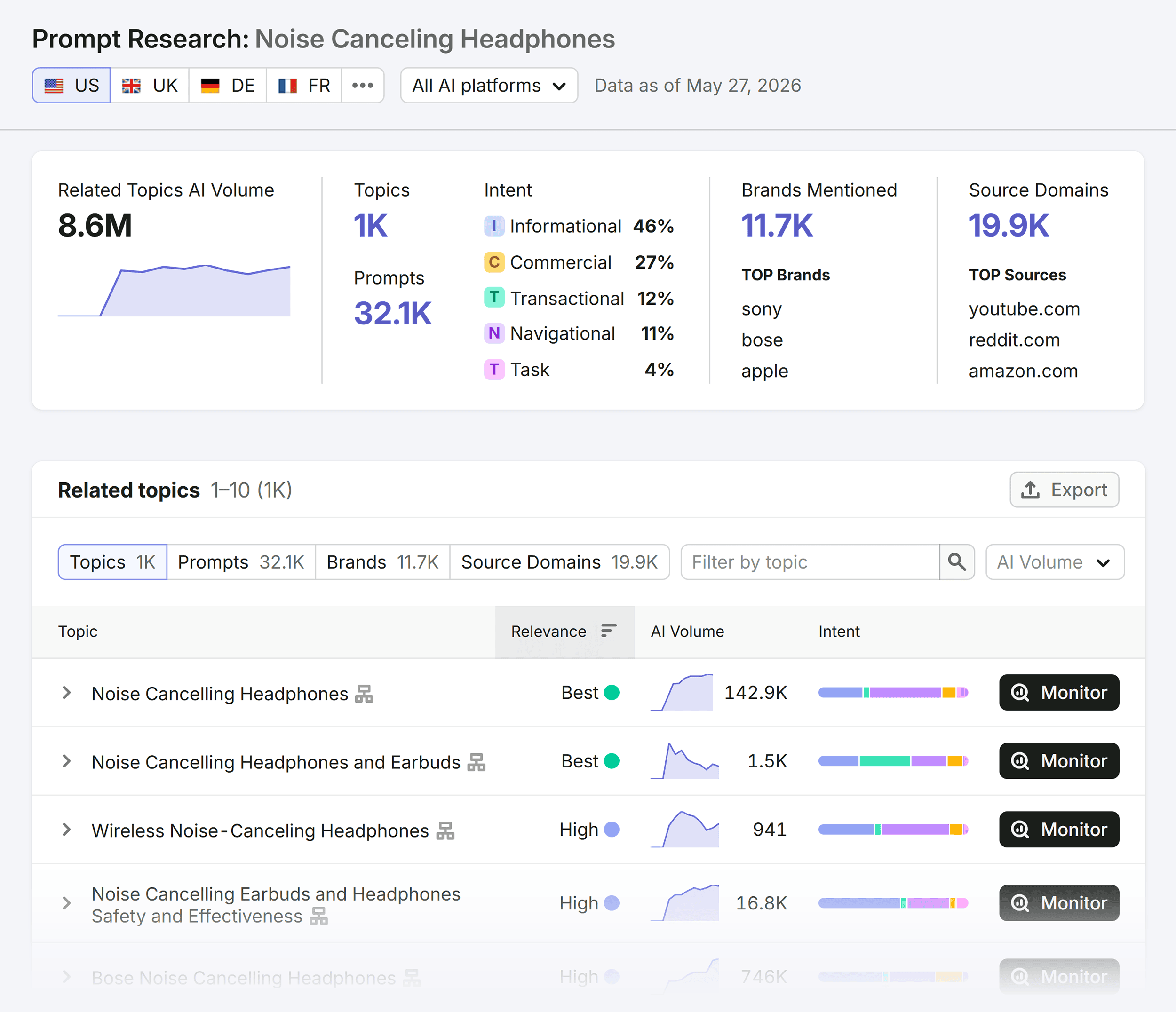
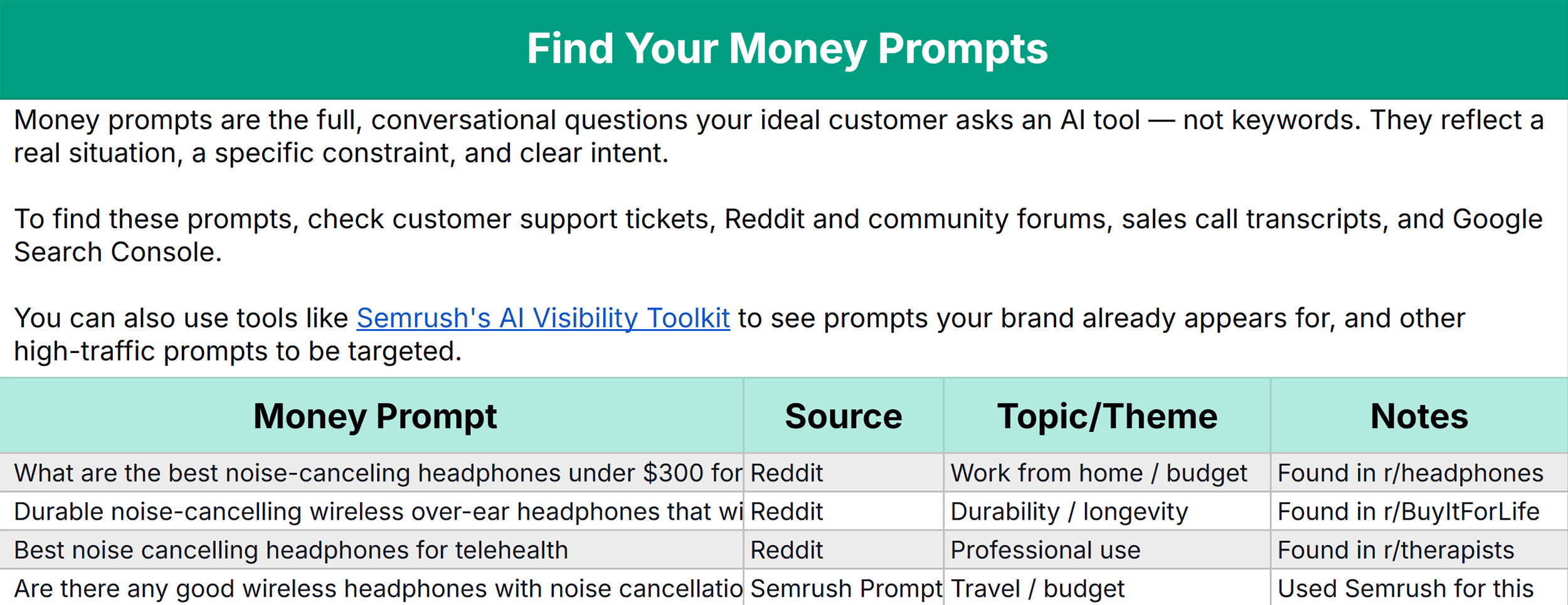
Identify High-Value Money Prompts: Moving beyond standard commercial keywords, organizations must identify conversational "money prompts"—the detailed, multi-part questions ideal customers submit to AI tools when seeking solutions. Analyzing community forums, user transcripts, and specialized AI visibility toolkits provides empirical insight into the exact phrasing and intent driving consumer inquiries.

-
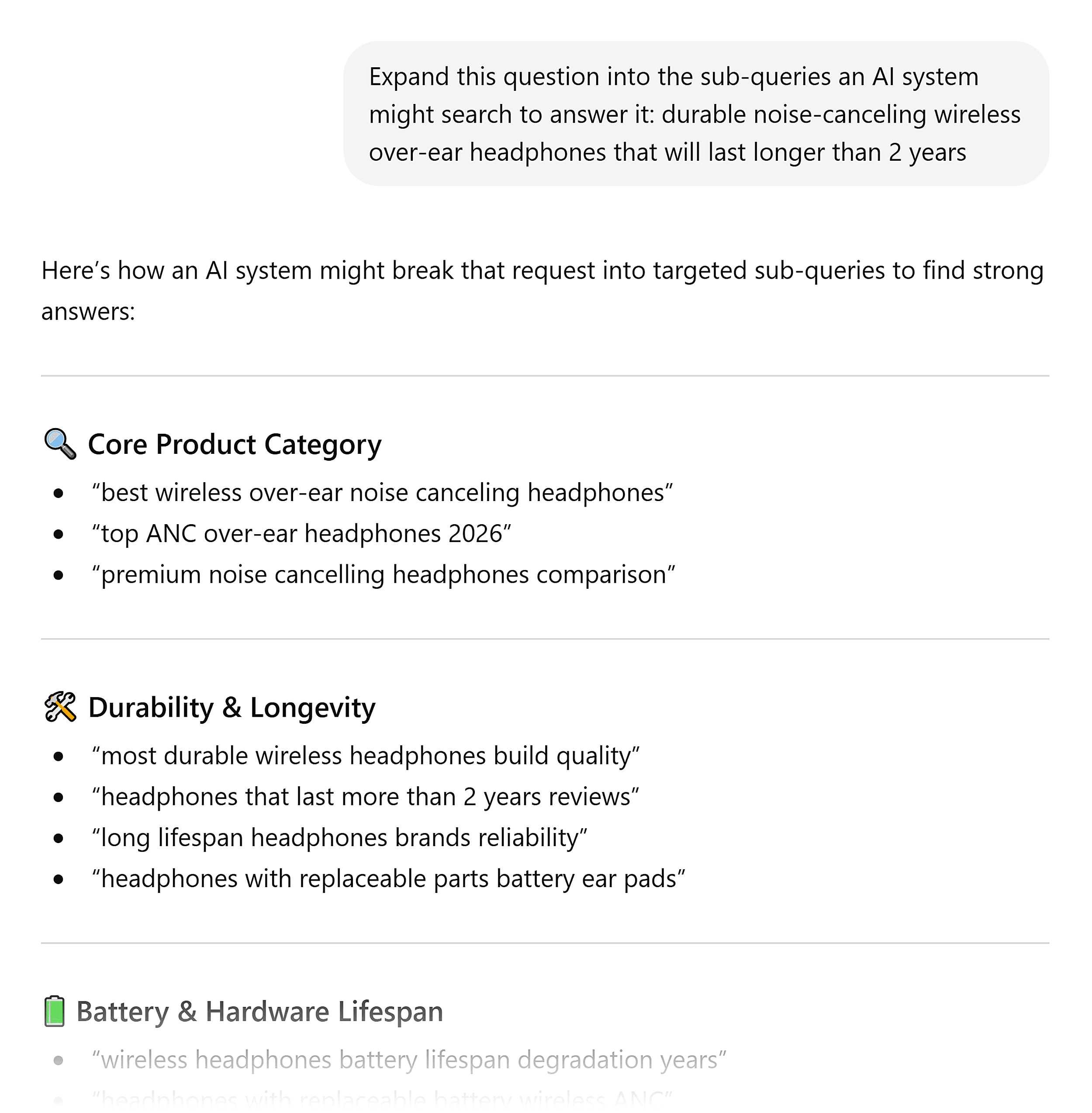
Generate Fan-Out Sets: By utilizing specialized browser extensions or prompting LLMs directly, digital strategists can map the implicit sub-queries triggered by core money prompts. Categorizing these sub-queries—whether as reformulations, comparative analyses, personalized constraints, or entity expansions—clarifies the precise informational gaps that need to be filled.
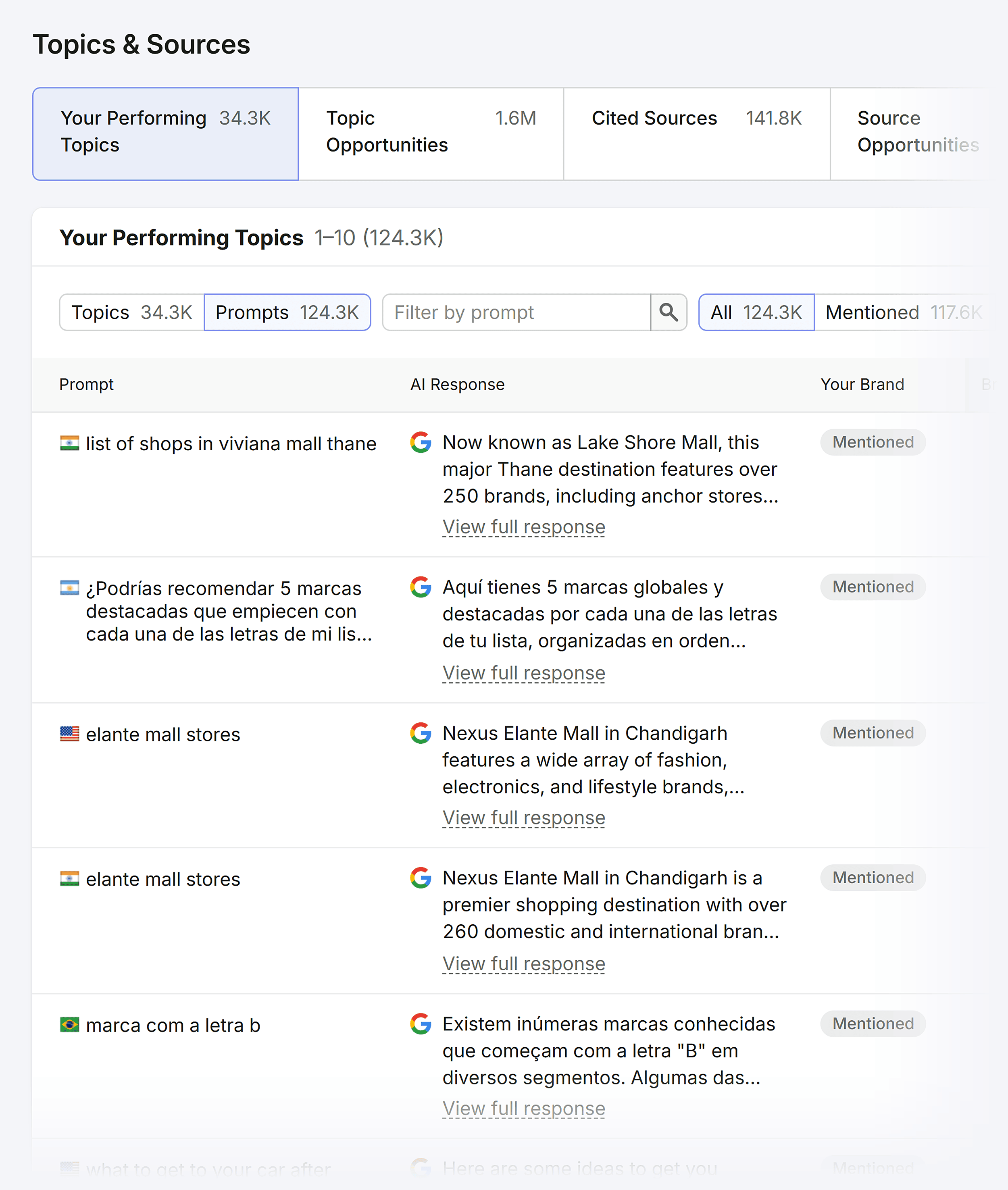
-
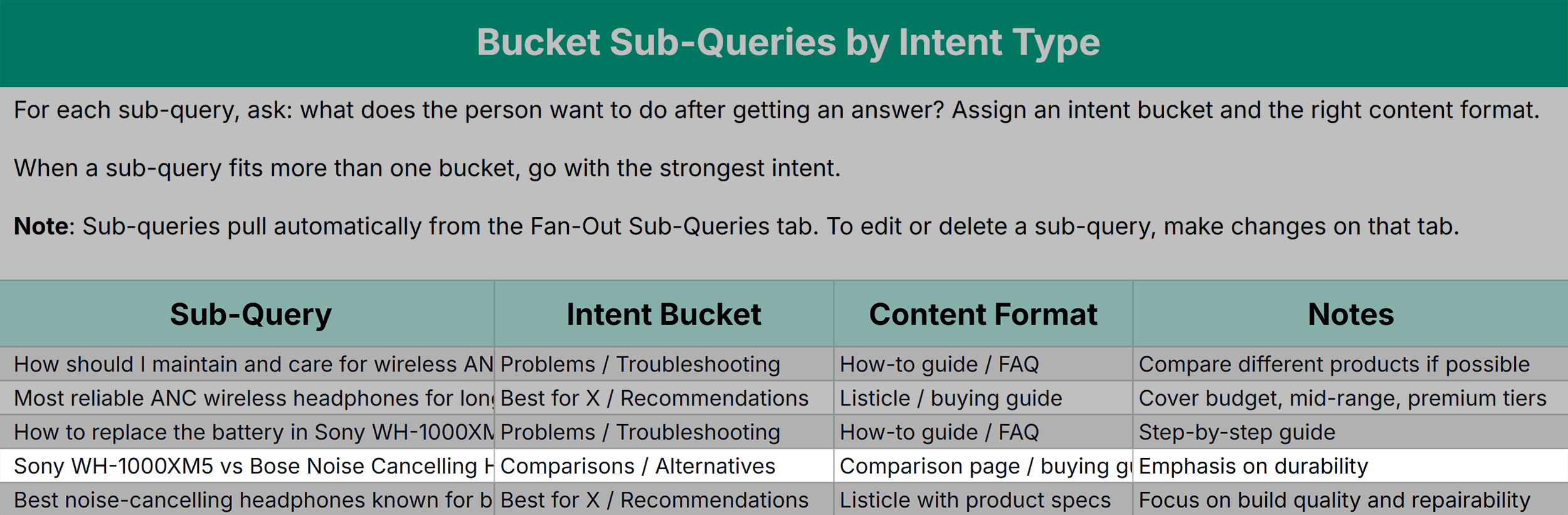
Bucket Sub-Queries by Intent Type: Aligning sub-queries with distinct intent buckets ensures the creation of appropriate content formats. Definitions and basic explanations require clear explainer articles or glossary sections, whereas head-to-head evaluations demand structured comparison tables.
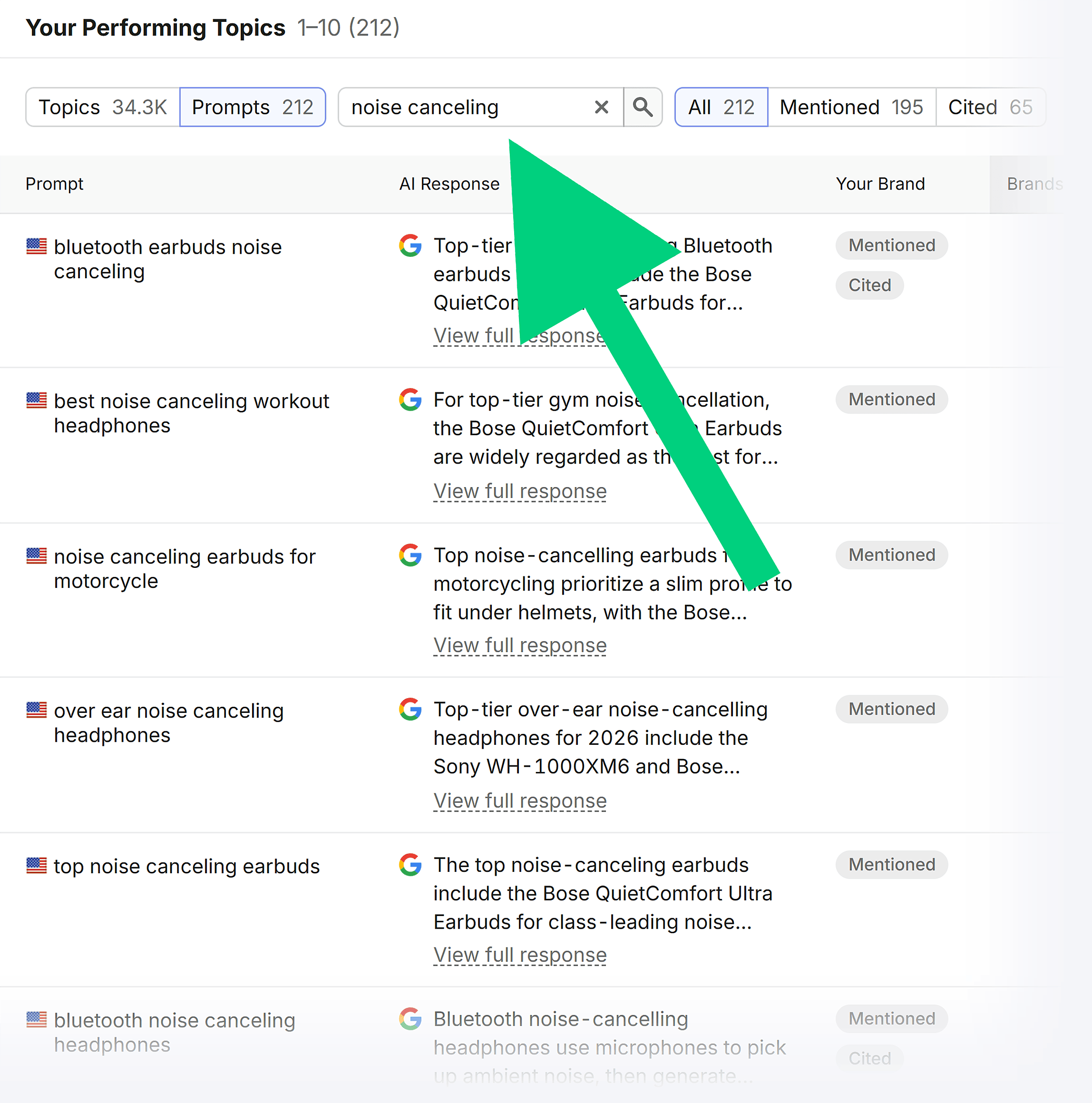
-
Conduct Comprehensive Content Audits: Organizations must audit their existing digital assets against identified fan-out sets to locate coverage gaps. Pages that only partially address a sub-query should be updated with self-contained, easily extractable sections, while entirely unaddressed sub-queries necessitate the development of dedicated new content.
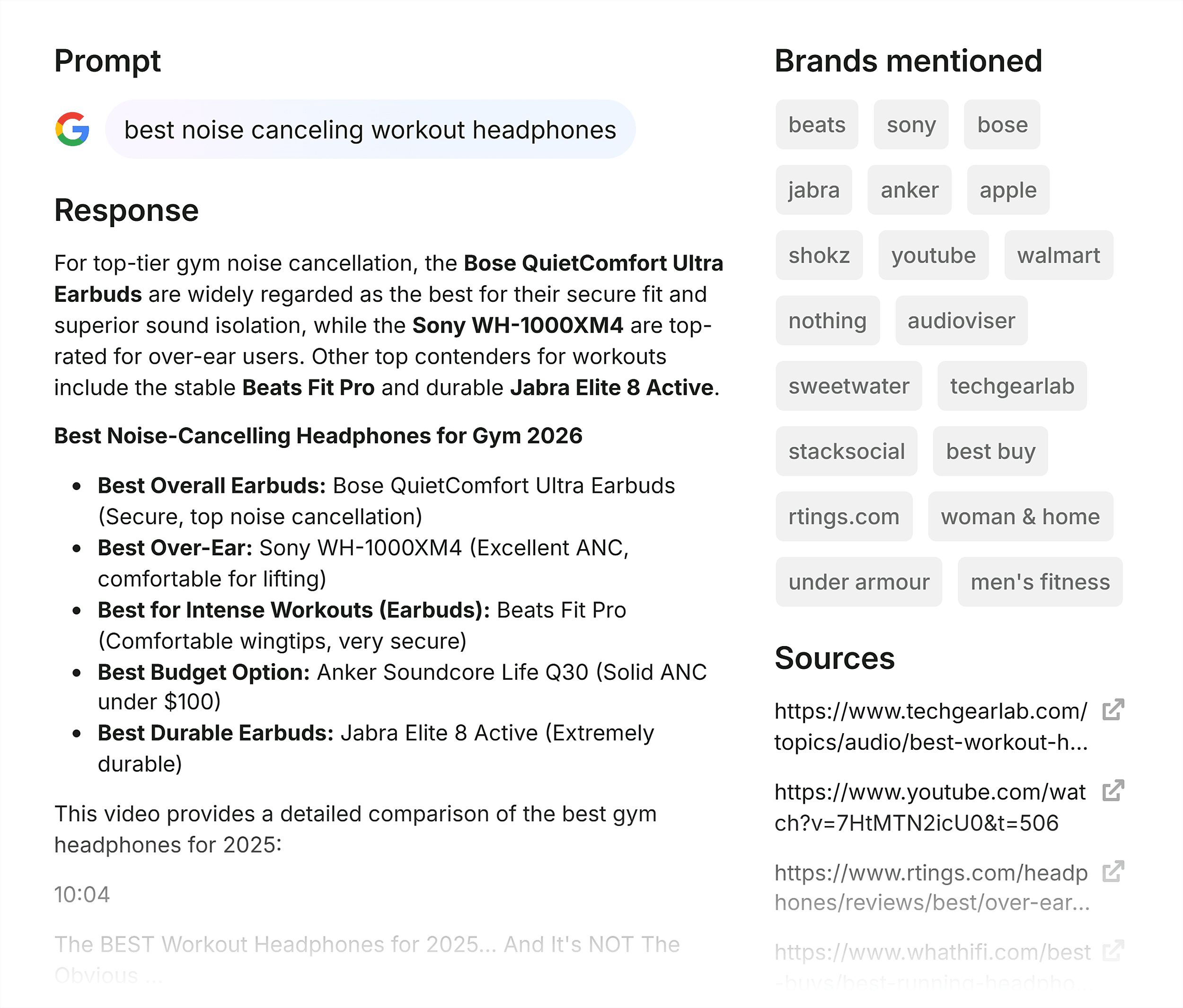
-
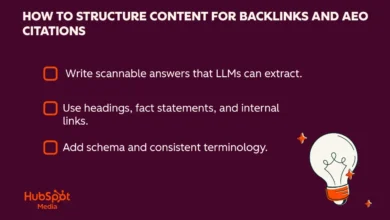
Optimize for Passage Extraction: Content must be intentionally structured to facilitate machine readability. Employing clear subheadings, bulleted lists, and standardized comparative schema ensures that LLMs can cleanly parse and extract individual passages without losing contextual meaning.
-
Measure and Monitor AI Performance: Tracking visibility requires moving beyond traditional position-tracking software. Utilizing dedicated prompt trackers and sentiment analysis tools allows organizations to monitor citation frequencies, evaluate how LLMs describe their brand relative to competitors, and swiftly adapt to shifting algorithmic behaviors across platforms like ChatGPT, Perplexity, and Google AI Overviews.
Implications for the Future of Search
As generative search technologies continue to mature, the divergence between traditional SEO metrics and AI-driven discoverability will likely widen. Platforms are evolving rapidly, with systems like OpenAI’s advanced reasoning models, Perplexity’s real-time retrieval networks, and Google’s conversational AI interfaces each employing unique fan-out architectures.
Ultimately, the proliferation of query fan-out underscores a permanent shift in how information is accessed and consumed. Organizations that transition from rigid keyword optimization to comprehensive topical coverage—ensuring that their content is granular, authoritative, and structurally optimized for passage extraction—will be best positioned to capture authoritative citations and maintain market visibility in the age of conversational intelligence.