The Captivating Stare of the Foam Party Girl Becomes a Viral Sensation on X, Sparking Discourse and Memes


The digital landscape of X, formerly known as Twitter, has once again proven its power to catapult ordinary moments into widespread internet phenomena. A seemingly simple video capturing a woman dancing at a foam party has ignited a viral wildfire, transforming the unnamed individual into the internet’s latest meme sensation: the "Foam Party Girl." Her enigmatic, captivating stare, coupled with her energetic dance moves, has not only garnered millions of views and widespread attention but has also initiated a flurry of online discourse, speculation, and creative meme-making that has extended far beyond the confines of the social media platform.
The phenomenon, which gained significant traction on July 21st, 2026, centers around a short video clip originally posted by the X user @Fun_Viral_Vids. The footage depicts a vibrant foam party environment, characterized by a playful atmosphere and the ubiquitous presence of suds. The focal point of the video is a young woman who, after being lightly sprayed with water from behind by another partygoer, turns her head to deliver a memorable, almost mischievous glance directly at the camera before returning to her dance. This brief, expressive moment, often described as a "cheeky stare" or a "captivating look," is what has resonated most profoundly with viewers.
The initial reaction to the video on X was overwhelmingly positive, with many users expressing admiration for the woman’s demeanor and dancing. The original poster, @Fun_Viral_Vids, encapsulated the sentiment of many by captioning the video with: "Two things: that look and that bounce!" This phrase quickly became a rallying cry for fans of the clip, further amplifying its reach. The combination of the woman’s apparent confidence, her attractive appearance, and the unexpected, alluring gaze in the context of a casual party setting struck a chord with a diverse online audience.
As the video’s popularity surged, a significant segment of the online community became invested in identifying the woman behind the viral moment. Through a process of digital sleuthing, many X users converged on the belief that her Instagram account is aora.dj. This account, which has since seen a dramatic increase in its follower count, now reportedly boasts over 40,000 followers, a testament to the widespread interest generated by her viral appearance. While the identity of "Foam Party Girl" remains largely based on user consensus and the correlation with the aora.dj Instagram profile, the lack of official confirmation has only added to the mystique surrounding her.
The memeification of the "Foam Party Girl" has taken various forms, primarily revolving around the interpreted meaning of her iconic stare. For many, the look is undeniably flirtatious, suggesting a confident and playful engagement with the viewer. This interpretation has fueled a considerable amount of online "thirst," a slang term referring to intense desire or attraction. The perceived allure of her gaze has led to its widespread adoption as a reaction image or GIF across various social media platforms and online forums.
However, the narrative surrounding the "Foam Party Girl" is not without its nuances. Further online investigation and the surfacing of additional video content have introduced a layer of complexity to the interpretation of her stare. Specifically, a second video, posted two days prior to the viral clip but which did not achieve the same level of immediate virality, features the same woman. In this less-circulated footage, she is heard explicitly stating to someone at the party that she has a boyfriend. This revelation has sparked a counter-narrative within the ongoing discourse, prompting some to question the initial assumption of overt flirtation and suggesting alternative interpretations of her gaze, such as playful confidence, playful acknowledgment, or even a subtle deflection.
The dual nature of these interpretations has, in turn, fueled further online "discourse," a term used to describe discussions and debates on social media. While some continue to embrace the flirtatious reading of her stare, others now see it through the lens of her stated relationship status, leading to varied and often humorous commentary. This ongoing debate adds a layer of depth to the meme’s longevity, allowing for multiple narrative threads to coexist.
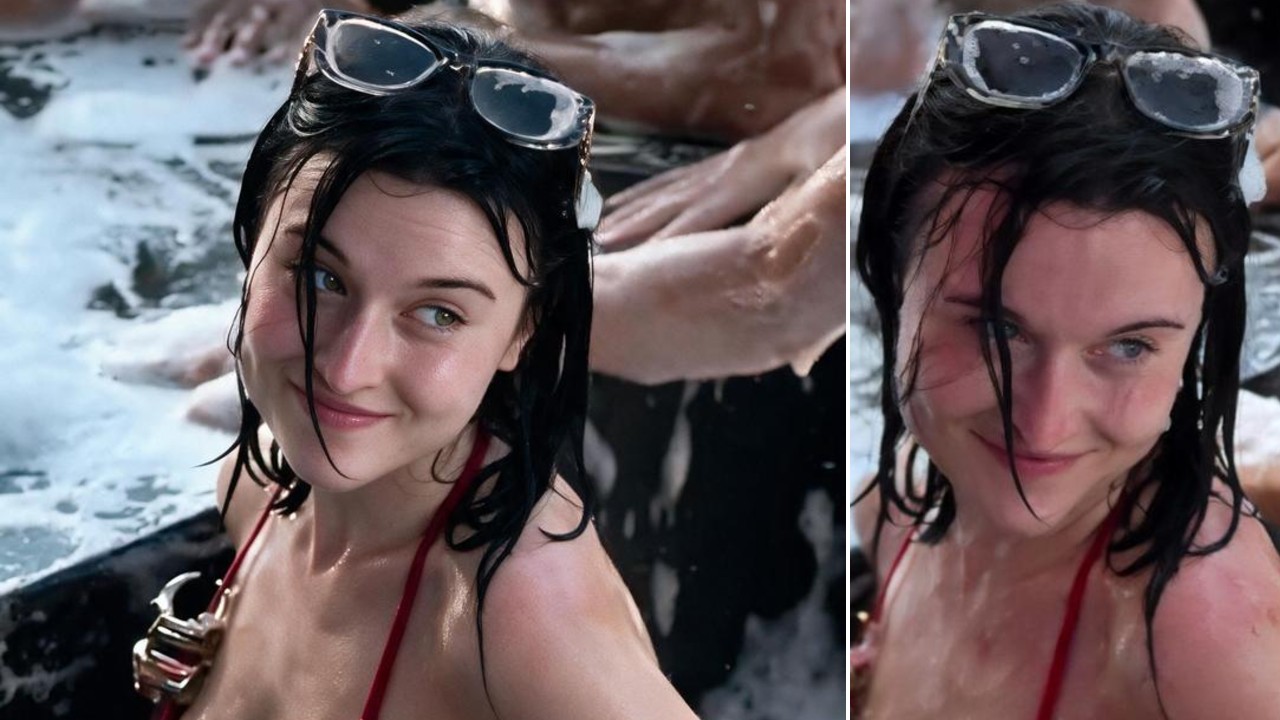
The core of the "Foam Party Girl" meme, irrespective of the precise interpretation of her expression, often centers on themes of temptation and irresistible allure. For instance, on platforms like Reddit, users have adapted the meme format to represent situations where an object or activity presents an alluring, almost unavoidable temptation. A common example cited is the caption, "How ‘next episode’ looks at me at 2 AM," juxtaposing the woman’s captivating gaze with the universal experience of being drawn into binge-watching content late into the night. This highlights the meme’s adaptability and its ability to tap into relatable human experiences.
The visual elements of the meme are powerful. The freeze-frame of her turn, her eyes locking with the camera, and the slight smile that accompanies it create a moment that is both fleeting and intensely memorable. This visual potency has made it an effective tool for conveying a range of emotions and scenarios, from playful acknowledgment of attraction to the feeling of being drawn into something appealing. The bright, energetic backdrop of the foam party further enhances the visual appeal, creating a dynamic and engaging image.
The virality of the "Foam Party Girl" phenomenon can be attributed to several key factors inherent in modern internet culture. Firstly, the inherent shareability of short-form video content on platforms like X is crucial. The original clip was easily digestible, immediately engaging, and ripe for re-sharing and remixing. Secondly, the element of mystery surrounding the woman’s identity added to the intrigue. Online communities often thrive on uncovering details and piecing together narratives, and the quest to identify "Foam Party Girl" provided a shared goal for many users. Thirdly, the subjective nature of interpreting her stare allowed for a broad range of personal connections and creative expression. What one person interprets as flirtatious, another might see as confident or even humorous, leading to a diverse array of meme applications.
The timeline of the "Foam Party Girl" phenomenon can be traced as follows:
- July 19, 2026: A video emerges featuring the woman stating she has a boyfriend, posted by user Camila_ (@Camila95436588). This video circulates to a lesser extent.
- July 21, 2026: User @Fun_Viral_Vids posts the now-iconic foam party clip on X, featuring the woman’s distinct stare and dance. This post marks the beginning of the widespread viral surge.
- July 21-23, 2026 (and ongoing): The video rapidly gains traction on X, accumulating millions of views. Users begin identifying the potential Instagram account (aora.dj) and creating numerous memes and reaction GIFs based on the woman’s look. Discussions and debates about the meaning of her stare intensify.
- Post-July 23, 2026: The meme transcends X, appearing on other social media platforms, forums, and discussion boards, solidifying its status as a significant internet meme. The Instagram account associated with the "Foam Party Girl" experiences a substantial increase in followers.
The broader implications of the "Foam Party Girl" meme extend beyond mere online amusement. It serves as a contemporary case study in how fleeting moments, captured and shared digitally, can rapidly evolve into cultural touchstones. The phenomenon highlights the power of social media in shaping public perception, albeit often based on limited information and subjective interpretation. The rapid identification of the likely individual behind the meme also underscores the evolving landscape of online privacy and the challenges faced by individuals who inadvertently become internet famous.
Furthermore, the discourse surrounding the meme reflects ongoing societal conversations about online behavior, perception versus reality, and the complexities of interpreting social cues in a digital age. The contrast between the initial assumption of flirtation and the later revelation of a stated relationship status prompts reflection on how quickly judgments are made online and the potential for misinterpretation. This adds a layer of critical engagement to what might otherwise be a purely lighthearted trend.
The economic impact, while not directly quantifiable, is evident in the increased visibility for the individual and any associated accounts. The surge in followers for aora.dj, for instance, could translate into potential brand collaborations or further opportunities for content creation, transforming a spontaneous viral moment into a potential career catalyst. This is a common trajectory for individuals who capture the internet’s attention, demonstrating the commercial potential inherent in viral fame.
In conclusion, the "Foam Party Girl" phenomenon is a compelling example of internet culture in action. A simple video clip, a captivating glance, and a vibrant party atmosphere converged to create a viral sensation that has resonated across the digital sphere. The meme’s journey from a single post on X to widespread cultural recognition, complete with its attendant "thirst," "discourse," and creative adaptations, underscores the dynamic and often unpredictable nature of online trends. As the internet continues to evolve, such viral moments will undoubtedly remain a significant aspect of our digital landscape, reflecting and shaping our collective online experience. The enduring appeal of the "Foam Party Girl" lies not just in her striking gaze, but in the complex interplay of observation, interpretation, and shared digital experience that defines modern meme culture.