The Clop Ransomware Gang Unleashes New Extortion Campaign Targeting PTC Windchill and FlexPLM Systems


The notorious Clop ransomware gang, also tracked by cybersecurity researchers as Cl0p, has launched a new and aggressive data theft extortion campaign, specifically targeting internet-exposed instances of PTC’s Windchill and FlexPLM product lifecycle management (PLM) software. This latest offensive leverages a critical vulnerability, identified as CVE-2026-12569, which allows attackers to execute arbitrary code on vulnerable systems and exfiltrate sensitive product design and manufacturing data.
The exploitation of CVE-2026-12569, a critical improper input validation flaw with a CVSS score of 9.3, enables unauthenticated remote code execution. Cybersecurity firm ReliaQuest first brought attention to this threat, reporting that Clop operators are deploying JavaServer Pages (JSP) webshells. These webshells serve as backdoors, granting attackers persistent access and the ability to remotely execute commands and siphon vast amounts of confidential data from compromised PLM platforms. This intelligence suggests a sophisticated and targeted approach, aiming to cripple businesses by stealing their most valuable intellectual property.
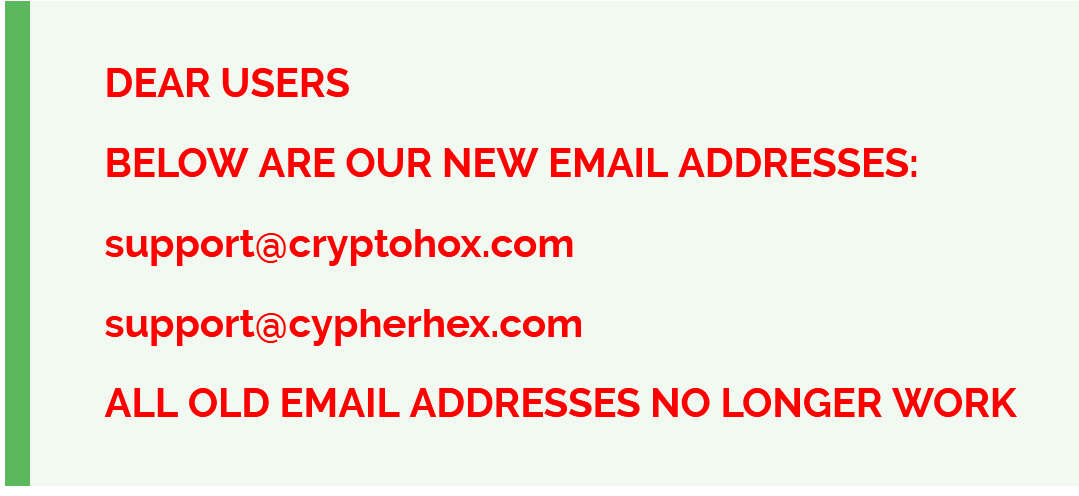
While the exact actor behind these specific attacks remains under investigation, the observed "tradecraft" – the specific methods and tools used by the attackers – bears strong resemblances to previous Clop campaigns. These past operations have frequently targeted enterprise applications and high-value data repositories, indicating a consistent modus operandi for the group. The emergence of extortion emails originating from [email protected], a newly observed email address, further reinforces the Clop gang’s known tactic of cycling through communication channels to evade detection and maintain operational anonymity. This strategic shift in contact points is a common practice for the group, often preceding or coinciding with the initiation of a new extortion campaign.
A Critical Vulnerability Exploited
The vulnerability at the heart of this campaign, CVE-2026-12569, represents a significant threat due to its severity and the widespread adoption of the affected software. PTC, the developer of Windchill and FlexPLM, acknowledged the issue and began releasing security patches on June 17. While PTC initially did not confirm in-the-wild exploitation, the company proactively issued remediation guidance through a private advisory and urged customers to scrutinize their environments for any signs of compromise.

The urgency surrounding this vulnerability escalated significantly when the Cybersecurity and Infrastructure Security Agency (CISA) added CVE-2026-12569 to its Known Exploited Vulnerabilities (KEV) catalog on June 25. This designation mandates U.S. federal agencies to secure their PTC Windchill and FlexPLM instances within a strict three-day deadline. The inclusion in the KEV catalog signifies that CISA has credible evidence of active exploitation, prompting immediate protective measures for critical government infrastructure.
International Response and Urgency
The threat posed by CVE-2026-12569 has reverberated globally, prompting swift action from international cybersecurity authorities. German news outlet Heise reported that the Federal Office for Information Security (BSI) took extraordinary measures, contacting PTC customers via email and phone in the middle of the night to impress upon them the critical need to patch their systems as rapidly as possible. This level of emergency response underscores the perceived imminent danger and the potential for widespread disruption.
This urgent reaction from German authorities is not unprecedented. In March, they responded with similar alacrity to reports of a comparable critical vulnerability in Windchill and FlexPLM, identified as CVE-2026-4681. The fact that another severe flaw has emerged and is actively being exploited within months highlights a persistent challenge in securing these complex enterprise systems.
Recommendations for Mitigation and Response
In light of the active exploitation, ReliaQuest has provided critical recommendations for PTC customers. They advise organizations to promptly patch their Windchill and FlexPLM systems. Where possible, systems should be placed behind Virtual Private Networks (VPNs) or trusted access gateways to further restrict external access. For organizations suspecting a compromise, immediate steps should include isolating affected servers, diligently collecting forensic artifacts for investigation, and rotating any credentials that may have been exposed before attempting to restore services.
A PTC spokesperson was not immediately available for comment when approached by BleepingComputer earlier this week. The company’s silence, however, does not diminish the gravity of the situation for its extensive user base.

Understanding PTC Windchill and FlexPLM
PTC Windchill and PTC FlexPLM are robust enterprise software platforms that fall under the umbrella of Product Lifecycle Management (PLM). These systems are integral to the operations of modern businesses, playing a crucial role in tracking, designing, and managing products throughout their entire lifecycle – from the initial conceptualization phase to the final stages of manufacturing and beyond. They serve as central hubs for product data, streamlining collaboration and ensuring version control across complex engineering and design processes.
These PLM systems are widely adopted across a spectrum of high-profile industries, including aerospace, defense, automotive, heavy machinery, retail, and medtech. Engineering, manufacturing, quality assurance, and supply chain teams within these sectors rely heavily on these platforms for their day-to-day operations. PTC reports that its products are utilized by over 30,000 customers globally, with a significant portion, more than 1,500 brand and retail customers, specifically using FlexPLM. This broad deployment base means that a successful exploit could have far-reaching consequences, impacting a vast number of organizations and their critical supply chains.
The Clop Gang’s History of Data Theft Extortion
The Clop ransomware gang has established a notorious reputation for its consistent and highly effective data theft extortion campaigns. Their modus operandi typically involves breaching enterprise platforms, exfiltrating sensitive data, and then leveraging the threat of public data release to extort ransoms from victims. This "double extortion" tactic has become a hallmark of their operations.
Over the years, Clop has targeted a diverse array of file-sharing and managed file transfer (MFT) solutions, often exploiting zero-day vulnerabilities. Notable past targets include:
- Accellion FTA: A widely used secure file transfer appliance.
- GoAnywhere MFT: A popular enterprise file transfer solution.
- SolarWinds Serv-U FTP: A secure file transfer protocol server.
- Cleo: A provider of integration solutions, including file transfer.
- MOVEit Transfer: A file-sharing server that experienced a massive exploitation event, affecting over 2,770 organizations worldwide.
More recently, the Clop gang demonstrated their agility by exploiting a zero-day vulnerability in Oracle’s E-Business Suite (EBS) starting in early August 2025. This attack led to the exfiltration of sensitive files from a multitude of high-profile organizations. Among the confirmed victims were esteemed institutions and corporations such as Harvard University, The Washington Post, GlobalLogic, the University of Pennsylvania, Logitech, Estée Lauder, Korean Air, and American Airlines subsidiary Envoy Air. The sheer scale and the caliber of these targets underscore Clop’s capacity to breach even sophisticated security infrastructures.
Following successful data exfiltration, Clop typically publishes the stolen information on its dedicated dark web leak site. This data is often made available for download via Torrent, serving as a potent threat to victims who refuse to comply with ransom demands, as it can lead to reputational damage, regulatory penalties, and the exposure of proprietary information.
Global Ramifications and Government Response
The persistent and impactful nature of Clop’s operations has not gone unnoticed by global law enforcement and national security agencies. Recognizing the significant threat posed by the gang’s activities, the U.S. Department of State has announced a substantial reward of $10 million. This bounty is offered for information that could lead to the identification and prosecution of individuals involved in the Clop gang’s attacks, particularly any intelligence linking their operations to foreign government sponsorship. This significant reward highlights the U.S. government’s commitment to disrupting and dismantling the Clop ransomware network and attributing responsibility for these cybercrimes.
The ongoing exploitation of CVE-2026-12569 serves as a stark reminder of the critical importance of timely vulnerability management and patching for enterprise software. The interconnected nature of global supply chains and the reliance on specialized PLM software mean that a breach in one organization can have cascading effects across an entire industry. As the Clop gang continues to adapt and refine its tactics, organizations utilizing PTC Windchill and FlexPLM must prioritize immediate security remediation and maintain a heightened state of vigilance to protect their invaluable intellectual property and operational continuity. The current situation demands a proactive and robust response from both software vendors and their global customer base to counter this persistent and evolving cyber threat.