The Evolution and Cultural Impact of the That’s Why I Love Nestle Crunch Internet Meme

The digital landscape has long served as an incubator for nostalgia-driven humor, transforming vintage corporate media into vehicles for absurdist contemporary comedy. Among the myriad trends that have emerged from the collaborative ecosystem of video-sharing platforms, the "That’s Why I Love Nestle Crunch" meme stands out as a fascinating study in digital folklore. What began as a simple piece of late-20th-century television advertising evolved over the course of a decade into a multi-platform phenomenon. By subverting a wholesome 1980s commercial jingle with abrupt, comedic, and often chaotic surprise endings, internet creators turned a straightforward pitch for chocolate into a staple of modern online culture, bridging the gap between early YouTube, the short-lived Vine era, Instagram, and TikTok.
Main Facts and Origins of the Trend
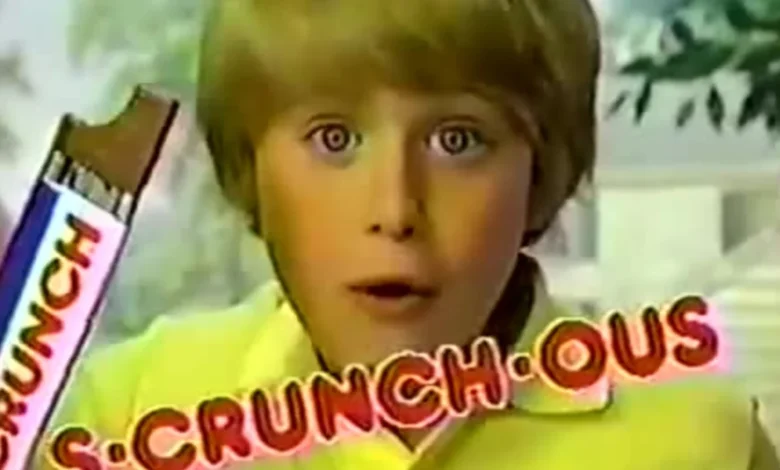
The foundation of the meme rests upon a nostalgic artifact of American broadcasting: the promotional material for the Nestle Crunch candy bar produced during the 1980s. These commercials typically featured upbeat, catchy audio branding capped by the memorable tagline, "That’s Why I Love Nestle Crunch," delivered alongside the satisfying sound of a consumer biting into the crisp chocolate-and-rice confection. For years, these clips existed merely as archival curiosities. On September 14, 2009, YouTuber AnnainCA uploaded a high-definition archive titled simply "1980s Nestle Crunch Commercial," inadvertently providing a clean, accessible source file that would fuel future creative adaptations. The video quietly accumulated over 341,000 views over the span of a decade, serving as the raw material for a meme yet to be conceived.
The turning point arrived on September 27, 2016, when a Vine user named Willie J uploaded the first known parody of the commercial. In this foundational edit, the anticipated moment of a person biting into the chocolate bar is suddenly interrupted, replaced mid-action by a sharp, unexpected slap. The subversion of expectations—shifting instantly from a comforting commercial atmosphere to physical comedy—resonated deeply with the fast-paced, surreal humor of the Vine platform. The short clip achieved viral velocity, amassing over 27,000 likes, 10,300 revines, and an astonishing 9.3 million loops within three years. Recognizing the broader appeal, Willie J syndicated the video to YouTube two days later, where it swiftly surpassed one million views, proving that the format possessed legs beyond the looping constraints of Vine.
Chronology and Spread Across Platforms
Following Willie J’s initial breakthrough, the internet meme ecosystem rapidly adopted the template, establishing a distinct grammar of subversion. The chronology of its spread highlights how digital subcultures iterate upon a single joke, refining and multiplying variations across successive platforms.
On September 29, 2016—just days after the premier Vine went viral—YouTuber Arnold Hernandez uploaded his own variation of the commercial edit, which captured over 100,000 views within three years. This was closely followed on October 12, 2016, by creator JustCallMeJohn, who introduced multi-layered edits of the video, pulling an additional 14,000 views. These early adopters demonstrated that the core mechanic—building up to the signature Crunch bite only to pivot into chaos—was infinitely reproducible.
As the meme matured beyond YouTube and Vine into the realm of micro-blogging and algorithmic feeds, its distribution channels diversified. On November 21, 2017, Instagram user monosaccharidememes published a version featuring an even more jarring surprise ending, accumulating over 1,300 likes in two years and demonstrating the cross-platform viability of the format.
By mid-2018, the volume of individual edits necessitated aggregation. On May 24, 2018, YouTuber Jaqueegeeze published a comprehensive "Nestle Crunch Meme Compilation." This retrospective package struck a chord with internet historians and casual viewers alike, pulling in over 271,000 views and 4,200 likes in a single year. The compilation cemented the meme’s status as a recognized internet classic, capturing a distinct era of rapid-fire video remix culture.
The TikTok Era: Audio Extraction and Physical Comedy
The definitive evolution of the "That’s Why I Love Nestle Crunch" meme occurred in 2019, when the trend migrated to TikTok. Rather than utilizing the full visual commercial, TikTok creators began isolating the distinct audio cue—specifically the sound of the crunch and the immediate aftermath—and repurposing it as a standalone sound bite.
In this new context, the audio functioned as a punchline mechanism for physical comedy, accidents, and sudden structural failures. On March 22, 2019, TikTok user @reinhard_twins leveraged the audio for a video depicting a high-stakes moment: a pole-vaulting pole snapping under pressure. The synchronicity between the audio cue and the catastrophic physical break propelled the video to unprecedented viral heights, garnering over 1.7 million likes and 93,500 shares in just two months.
Shortly thereafter, on April 20, 2019, creator @zoelaverne applied the audio to a humorous, clumsy clip of herself falling awkwardly onto a bed. This civilian-focused application democratized the meme, allowing everyday users to participate without requiring advanced video editing software. The video secured over one million likes and 57,300 shares within two weeks, proving that the audio snippet had transformed from a niche video-editing joke into a universal comedic punctuation mark.
Supporting Data and Quantitative Engagement
An analysis of search interest and engagement metrics underscores the organic, community-driven nature of the trend. While traditional search engine optimization metrics for "That’s Why I Love Nestle Crunch" experienced predictable waves tied to viral compilation uploads and platform migrations, the true footprint of the meme is measured in user engagement.
Across YouTube, Vine, Instagram, and TikTok, the collective view count for content bearing the meme’s signature elements exceeds tens of millions. The longevity of the trend—stretching from its 2016 genesis through its 2019 TikTok renaissance—defies the typical lifecycle of short-form internet fads, which often burn out within weeks. This sustained relevance is largely attributed to the modular nature of the joke: because the framework relies solely on an expectation-versus-reality subversion, creators could continuously inject fresh, culturally relevant punchlines into the established audio-visual template.
Broader Impact and Cultural Implications
The transformation of a 1980s candy commercial into a viral internet sensation offers valuable insight into the mechanics of modern digital culture. Sociologists and media analysts note that memes of this nature reflect a broader generational impulse toward media recycling and deconstruction. By taking earnest, highly commercialized artifacts from the late 20th century—an era often viewed through a lens of stylized optimism—and injecting them with abrupt chaos or self-aware absurdity, digital natives engage in a form of cultural reclamation.
Furthermore, the transition of the meme from complex video edits on YouTube to a universal audio trigger on TikTok illustrates the shifting grammar of online communication. Audio clips have increasingly replaced traditional text-based punchlines, acting as sonic shorthand that instantly communicates a specific comedic tone, timing, or narrative arc to an audience. In this sense, the sound of a Nestle Crunch breaking ceased to be merely an advertisement for a snack food; it became an established linguistic unit within the lexicon of internet humor.
While major corporate entities rarely comment directly on organic, user-generated subversions of their historical intellectual property, the phenomenon underscores the unpredictable ways in which brand heritage persists in the digital age. Long after the original marketing campaigns concluded, the cultural memory of the Nestle Crunch was successfully resuscitated, recontextualized, and preserved for a new generation by the very audiences the commercial was originally designed to influence.