The Internet History of "Ah, I See You’re a Man of Culture as Well": Tracing the Evolution of an Iconic Anime Reaction Image

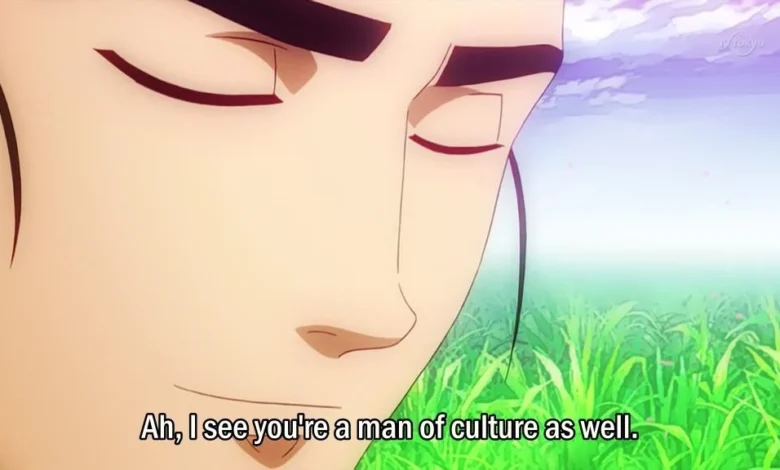
In the vast and ever-expanding ecosystem of internet culture, few phenomena achieve the longevity and versatility of the reaction image. Among the most recognizable artifacts of digital humor from the 2010s is the macro featuring the character Last Samurai from the anime series Arakawa Under the Bridge, accompanied by the ubiquitous caption, "Ah, I see you’re a man of culture as well." What began as a relatively obscure moment in a 2010 Japanese animated television series steadily transformed into a globally recognized shorthand for acknowledging niche preferences, ironic appreciation, and shared eccentricities across virtually every major social media platform.
The journey of this meme offers a compelling case study in how user-generated content moves fluidly across disparate digital communities, adapting to new contexts while maintaining its core satirical premise. To understand the cultural footprint of the "Man of Culture" meme, one must examine its origins in late-night anime broadcasts, its gradual discovery on imageboards like 4chan, its viral acceleration across Reddit and Facebook, and its broader implications for modern digital communication.
Origins and Television Broadcast: The Genesis of Last Samurai
The narrative foundation of the meme traces back to a specific television broadcast in Japan late in the year 2010. Arakawa Under the Bridge, an anime television series adapted from the manga of the same name by creator Hikaru Nakamura, aired its second season, titled Arakawa Under the Bridge x Bridge, on independent station networks. Produced by the renowned studio Shaft—widely celebrated for its distinctive visual styling and avant-garde direction—the series follows a successful young businessman named Kou Ichinomiya who finds himself living beneath a Tokyo bridge among an eccentric community of eccentric squatters after being saved from drowning by an enigmatic self-proclaimed Venusian named Nino.
Within this eccentric ensemble cast is the character known as Last Samurai, a self-styled traditional Japanese swordsman who runs a hair salon underneath the bridge. Easily identified by his distinctive top-knot hairstyle and dramatic demeanor, Last Samurai serves as a comedic vehicle for poking fun at traditional aesthetics mixed with modern absurdism.
On November 28, 2010, Season 2 Episode 9 of the series originally aired. Approximately seventeen minutes into the episode, a dialogue exchange occurs centering around the historical and cultural significance of the top-knot hairstyle. During this scene, Last Samurai coyly utters the phrase that would eventually be immortalized globally: "Ah, I see you are a man of culture as well." Delivered with exaggerated self-satisfaction and an unmistakable twinkle in his eye, the line was designed within the narrative to gently mock pretentious gatekeeping and the elevation of obscure historical hobbies to markers of supreme sophistication.
For several years, the scene remained a localized piece of dialogue appreciated primarily by dedicated viewers of the anime series. The specific English translation used in the eventual meme, while capturing the precise comedic cadence of the original Japanese voice acting, has occasionally been noted by linguistic purists as an unofficial or adapted subtitle translation rather than a literal transcript of the broadcast audio. Nevertheless, it was this specific phrasing that would prove uniquely resonant to English-speaking internet users.
The Imageboard Incubation Period: Transition to 4chan

The transition of the scene from an isolated anime quote to a recognized internet meme followed a well-worn migratory path typical of mid-2010s digital culture, moving from niche streaming forums to the anarchic infrastructure of imageboards, most notably 4chan.
On November 16, 2015, approximately five years after the initial broadcast of the episode, a user on 4chan’s /ck/ (cooking and food) board utilized a cropped screenshot of the scene during a thread discussing chain pizza restaurants. The user posted the image as a reaction to a niche culinary preference, effectively decoupling the character from his original narrative universe and repurposing him as a generalized avatar for refined, if questionable, tastes.
For the next several months, the image circulated sporadically within various 4chan boards, including /wsr/ (work safe requests) and general entertainment threads. Users frequently employed the screenshot as a reactive punchline whenever another poster confessed to an overly specific, highly subjective, or mildly embarrassing preference. During this incubation phase, the image was not yet a dominant viral format; rather, it functioned as an insider signal among forum regulars who recognized its ironic utility. The joke relied heavily on juxtaposition: pairing a character framed as a dignified traditionalist with absurd, low-brow, or intensely specific modern confessions.
Viral Acceleration and Mainstream Adoption: Reddit, Facebook, and Instagram
The watershed moment for the "Man of Culture" meme arrived in early 2017, when the image escaped the insular confines of imageboards and penetrated mainstream social media networks, transforming into a structured macro template.
On March 7, 2017, a Facebook page dedicated to satirical commentary on anime fandom—specifically targeting self-aware anime enthusiasts—shared the screenshot paired with a mock dialogue. In the exchange, one individual asks a friend whether they prefer "ass" or "tits," to which the friend responds with the hyper-specific alternative "thighs." The protagonist responds with the iconic caption, "Ah, I see you’re a man of culture as well." This tripartite dialogue structure—inquiry, unexpected or degenerate answer, and the approving reaction—became the foundational blueprint for thousands of subsequent iterations.
Just one day later, the image was reposted by high-volume aggregator accounts on Instagram, such as @dankest_memes_m8, exposing the format to hundreds of thousands of casual users. The viral loop was cemented on March 11, 2017, when a user on Reddit’s /r/MemeEconomy subreddit—a community dedicated to the ironic financial analysis and valuation of emerging meme formats—submitted a post advising fellow users to "invest quickly" in the reaction image, predicting high market returns in the form of karma and widespread replication.
The response from the Reddit community was immediate and prolific. Over the following weeks, variations of the meme flooded specialized subreddits ranging from /r/dankmemes to hobby-specific forums. For instance, on March 13, 2017, a Redditor shared a version joking about "illegal Minecraft x Roblox trap hentai," generating thousands of upvotes and sparking a wave of surrealist parody. Simultaneously, community-specific adaptations proliferated rapidly: /r/2007scape users posted versions celebrating obscure RuneScape nostalgia involving iconic players like Zezima; /r/MechanicalKeyboards enthusiasts used the template to debate obscure switch types like Topre versus mainstream options; and 9gag communities deployed the format for historical non-sequiturs, such as sarcastically praising the geographic origins of historical figures.
Anatomy of the Meme: Structural Analysis and Variations

The enduring popularity of the "Man of Culture" reaction image lies in its rigid structural modularity and its psychological appeal. The meme operates on a reliable three-act comedic structure:
- The Setup: A character poses a binary, mundane, or mainstream question regarding personal preferences, media consumption, lifestyle choices, or consumer products.
- The Punchline / Escalation: The second individual responds not by selecting one of the presented mainstream options, but by pivoting to an answer that is excessively niche, absurd, highly specialized, ironic, or socially taboo.
- The Validation: The initial speaker delivers the punchline—"Ah, I see you’re a man of culture as well"—accompanied by Last Samurai’s knowing, smug facial expression.
This formula allowed the meme to cross-pollinate across virtually every subculture imaginable. Gamers used it to debate optimal video game classes (such as maining support roles), literature enthusiasts applied it to obscure book genres, and internet shitposters twisted the format into surrealist absurdity—such as altering the punchline text entirely to read "Ah, I see you’re a well" when paired with an image of a man-made water hole.
Furthermore, the meme frequently intersects with themes of self-deprecation and irony. By labeling an embarrassing internet obsession, questionable lifestyle habit, or fringe fetish as a mark of "culture," the creators of these memes engaged in collective irony, mocking both themselves and the very concept of cultural elitism.
Implications and Cultural Legacy in Digital Communication
The trajectory of "Ah, I see you’re a man of culture as well" illustrates broader shifts in how digital populations communicate humor and identity in the late 2010s and beyond. Reaction images serve as emotional and intellectual shorthand, allowing users to convey complex layers of irony without resorting to lengthy explanations.
In the landscape of modern digital discourse, the meme helped codify the playful weaponization of the word "culture." Originally denoting high-minded artistic, literary, and historical education, internet culture systematically inverted the term to apply to the most mundane, hyper-specific, and digitally native phenomena. To be a "man of culture" online is rarely an endorsement of high art; rather, it is a badge of honor for surviving the deepest trenches of internet subcultures.
As new meme formats continue to cycle through the digital consciousness at an ever-accelerating pace, the legacy of Last Samurai remains a testament to the unpredictable nature of viral media. What began as a throwaway gag in a 2010 Shaft-produced anime series permanently embedded itself into the global vernacular of internet humor, proving that with the right combination of visual expressiveness and structural flexibility, even the most obscure reference can become a universal language.