The Bizarre Rise and Fall of HIVliving: Inside Tumblr’s Most Infamous Hamilton Fanfiction and AIDS Activism Fraud

Long before modern social media algorithms prioritized short-form video and corporate content, platforms like Tumblr operated as self-contained digital ecosystems driven by impassioned fandoms, deep-dive lore, and intensely connected subcultures. In these virtual spaces, users often formed tight-knit communities centered around shared creative interests, political activism, and mutual support. However, the insular nature of these communities occasionally fostered environments ripe for exploitation, manipulation, and elaborate deception. Few incidents capture this dark side of early internet fandom quite like the saga of "HIVliving"—a multi-layered controversy that blended intersectional activism, financial fraud, internet sleuthing, and the hyper-specific world of Hamilton high school alternate-universe fanfiction.
What initially presented itself as a vital educational blog highlighting the lived experiences of individuals managing HIV quickly unraveled into a complex web of fabricated identities, weaponized empathy, and unauthorized fundraising. The fallout not only sent shockwaves through the massive fandom surrounding Lin-Manuel Miranda’s Pulitzer Prize-winning musical but also left a lasting scar on digital discourse regarding the ethics of online activism, the dangers of performative marginalization, and the vulnerability of online support networks.
The Genesis of the HIVliving Blog and Its Persona
The controversy began taking shape in 2016, a period when the cultural footprint of the Broadway musical Hamilton was reaching an absolute fever pitch, particularly on Tumblr. Amidst the sea of character analysis, fan art, and speculative fiction, a new blog titled "HIVliving" emerged, ostensibly dedicated to raising awareness about the realities of living with HIV and destigmatizing the condition.
The blog quickly captured the attention and trust of the community. It mixed conventional health activism resources, policy arguments against criminalizing non-disclosure of HIV status, and personal narratives with creative writing. Notably, the account became heavily associated with a popular Hamilton high school alternate universe (AU) fanfiction titled To Scale the Blue Sky.
Behind the curtain, the blog was purported to be run by two distinct individuals:
- "Israa": Described as a nonbinary, Chinese-Pakistani human trafficking survivor living in India who was HIV-positive.
- "Naj": Described as a U.S.-born lesbian woman of color also residing in India, likewise claiming to be HIV-positive.
On September 26th, 2016, Naj published a detailed, emotional post via the Tumblr account @allolesbean recounting the alleged daily struggles, stigma, and hardships of managing an HIV-positive diagnosis abroad. Because Tumblr culture deeply valued marginalized perspectives and authentic lived experiences, the blog gained rapid traction. Influential accounts began recommending HIVliving as a primary educational resource, and the blog’s creators took firm, authoritative stances on complex medical and legal issues surrounding the virus. For over a year, the blog operated with a high degree of credibility, leveraging the emotional goodwill of its followers to build an influential platform within the fandom.
The Investigation and the Unraveling of the Lie
The facade began to crack over a financial appeal. As the blog’s influence grew, "Naj" published a link to a Cash.me fundraising campaign, soliciting monetary donations from sympathetic followers to help cover mounting medical expenses associated with their alleged health conditions.
While many users willingly donated to support what they believed was a life-saving cause, a Tumblr user and fellow Hamilton fan operating under the handle @digoxin-purpurea noticed a jarring technical inconsistency. Upon examining the Cash.me link provided by Naj, the user discovered that the digital payment account appeared to be anchored and operating out of the United States—directly contradicting the narrative that the blog’s operators were impoverished individuals living in India.
Driven by skepticism, digoxin-purpurea confronted Naj regarding the geographic and logistical discrepancies. What followed was a prolonged, contentious back-and-forth across the platform as Naj attempted to deflect scrutiny and defend the validity of the blog’s background. Recognizing the gravity of the inconsistencies and potential financial fraud, digoxin-purpurea synthesized their findings, message logs, and digital breadcrumbs into a comprehensive investigative report titled "WHAT HAPPENED WITH HIVLIVING," published on October 27th, 2017.
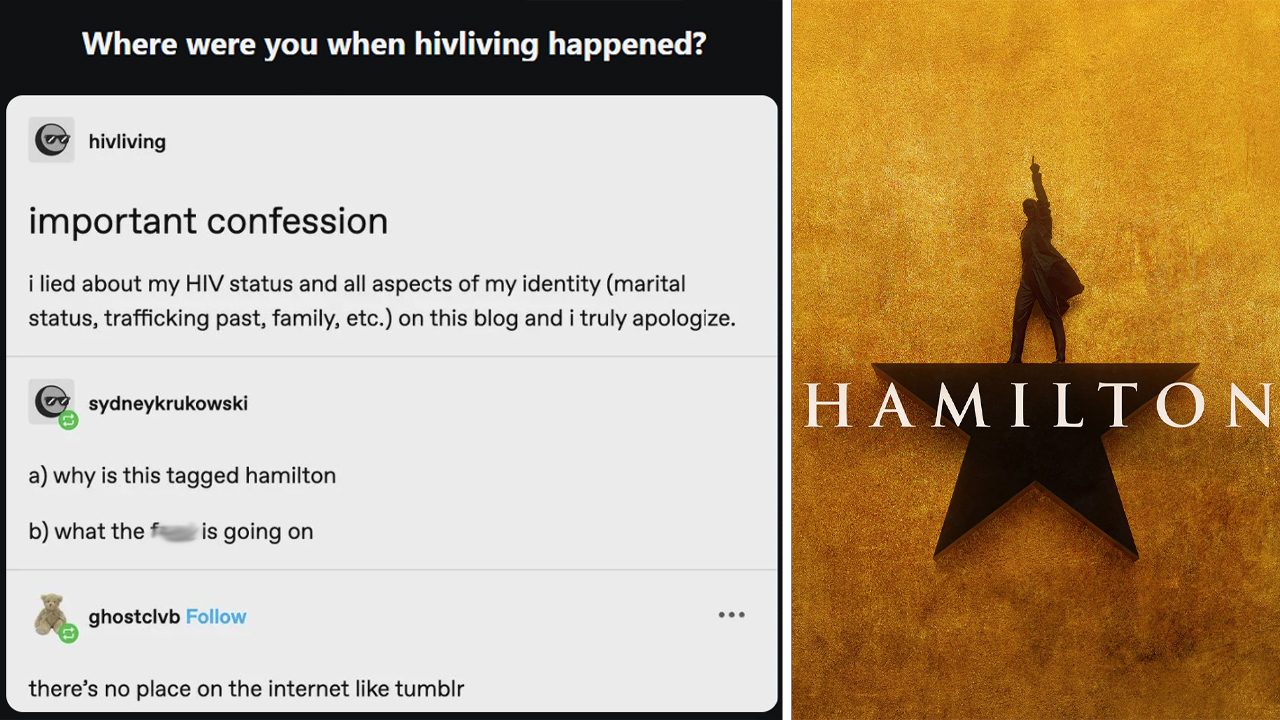
Faced with mounting, irrefutable proof, the individual behind the personas collapsed under the pressure. Naj confessed that she was not a woman of color living in India, nor was she a human trafficking survivor. Instead, she was a white college student residing in the United States who had completely fabricated both "Naj" and "Israa," along with their medical diagnoses. Neither persona existed, and the entirety of the narrative had been constructed to manipulate the community’s empathy and secure financial contributions under false pretenses.
The Hamilton Fanfiction Connection and Retaliatory Allegations
A central and deeply bizarre element of the HIVliving scandal was its intertwining with creative writing within the Hamilton fandom. Following the public confession, investigator digoxin-purpurea argued that the entire apparatus of HIVliving had been engineered to justify and shield the creation of specific Hamilton fanfiction tropes—specifically, alternate-universe narratives in which central historical figures were written as HIV-positive. By establishing a fabricated authority on the subject, the creator allegedly sought immunity from criticism regarding how sensitive health topics were handled in fiction.
The revelation sparked fierce backlash across the musical’s fandom. Critics pointed out the profound harm of manufacturing intersectional marginalized identities—borrowing the struggles of nonbinary people, people of color, and individuals living with HIV—to gain social capital, artistic license, and financial support.
However, the aftermath was complicated by pre-existing intra-community disputes. Rumors and counter-allegations surfaced suggesting that the investigation into HIVliving was motivated by personal vendettas or retaliation. Some fans alleged that digoxin-purpurea had previously been pressured or forced to delete their own controversial Hamilton RPF (Real Person Fiction) "Cannibal Mermaid" story from the Archive of Our Own (AO3) platform due to harassment from HIVliving and its dedicated followers.
Further complicating the timeline, digoxin-purpurea had been embroiled in unrelated Tumblr controversies earlier that year. In April 2017, the investigator had engaged in a bitter public dispute with user @beachdeath over unverified reports of concentration camps in Chechnya, during which beachdeath weaponized digoxin-purpurea’s fanfiction output against them. These overlapping conflicts demonstrated how hyper-connected and volatile early Tumblr fandom politics could be, where personal disputes, political debates, and creative output frequently collided.
Aftermath, Apologies, and the Issue of Restitution
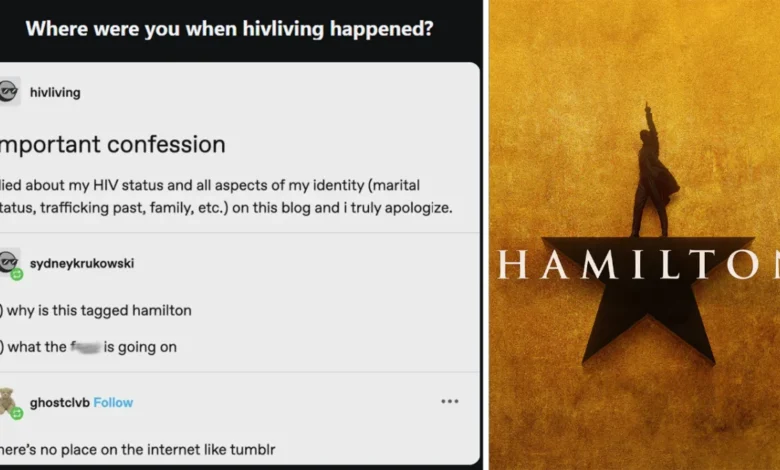
Following the public unmasking, a formal confession was published directly on the HIVliving Tumblr blog under the Hamilton tag, leaving many casual community members bewildered. In the wake of the fallout, the account owner issued promises to track down and fully reimburse all individuals who had been defrauded through the Cash.me fundraising campaigns.
Despite these assurances, to this day, no verifiable public proof has ever been provided demonstrating that any victims received their money back. The blog was eventually abandoned, but the digital footprint of the scandal remained permanently etched into internet history.
Broader Impact and Implications for Online Communities
The HIVliving controversy transcends standard internet drama, offering a stark case study in the psychological vulnerabilities of digital spaces. The incident highlighted several critical systemic issues native to social media activism:
- The Weaponization of Marginalization: The ease with which bad actors can invent intersectional identities to shield themselves from critique, manipulate algorithms, and extract unearned moral authority.
- The Risks of Unverified Fundraising: The susceptibility of insular communities to financial scams when appeals are masked behind compelling personal narratives and emotional resonance.
- The Blurring Lines Between Fiction and Reality: How intense fandom engagement can sometimes lead creators to manufacture elaborate real-world justifications to validate niche creative choices in fanfiction.
Tumblr has historically been a breeding ground for unique online folklore. Incidents ranging from complex multi-year cons to surreal text-editing pranks—such as the infamous 2015 "John Green Text Post Editing Scandal," where users manipulated reblogged text to create the "Cock Is One of My Favorite Tastes" copypasta—demonstrate the platform’s capacity for absurd digital collective memory.
However, unlike harmless text-editing pranks, the HIVliving controversy left real victims in its wake—both financially through fraudulent fundraising and emotionally through the exploitation of individuals genuinely living with and advocating for those with HIV. Years after the dust settled, the story of HIVliving remains a cautionary tale in digital anthropology, serving as a reminder of the hazards lurking behind glowing screens in the unregulated corners of internet fandoms.