The landscape of Apple silicon hardware has undergone a significant transformation in late 2026, driven by the rollout of the M5 and M6 chip families. As Apple continues to pivot toward AI-centric computing and high-bandwidth data architectures, the decision-making process for professional users has become increasingly complex. With Apple having adjusted its pricing structures in June 2026—citing record-breaking volatility in component costs, particularly regarding high-performance RAM—buyers must navigate a market where hardware tiers are no longer defined solely by traditional CPU and GPU benchmarks.
Chronology of the 2026 Hardware Shift
The current market environment is defined by a staggered release strategy. In September 2026, Apple introduced the M6 chip in the Mac mini, followed by a broader expansion of the M6 architecture into the 14-inch MacBook Pro and iMac in late October. Simultaneously, the M5 series—encompassing the M5, M5 Pro, M5 Max, and M5 Ultra—has solidified its position as the workhorse for high-end professional workflows.
Market analysts note that Apple has effectively bypassed a direct M6 Pro or M6 Max successor for the current cycle. Industry reports from firms like Bloomberg suggest that the transition to 2nm process technology will see the M7 Pro and M7 Max arrive in late 2027. Consequently, the M5 Pro and M5 Max are expected to serve as the benchmark for professional-grade creative work for an extended duration, marking a departure from the rapid annual iteration cycle seen in previous years.
Technical Evolution: The Rise of Neural Accelerators
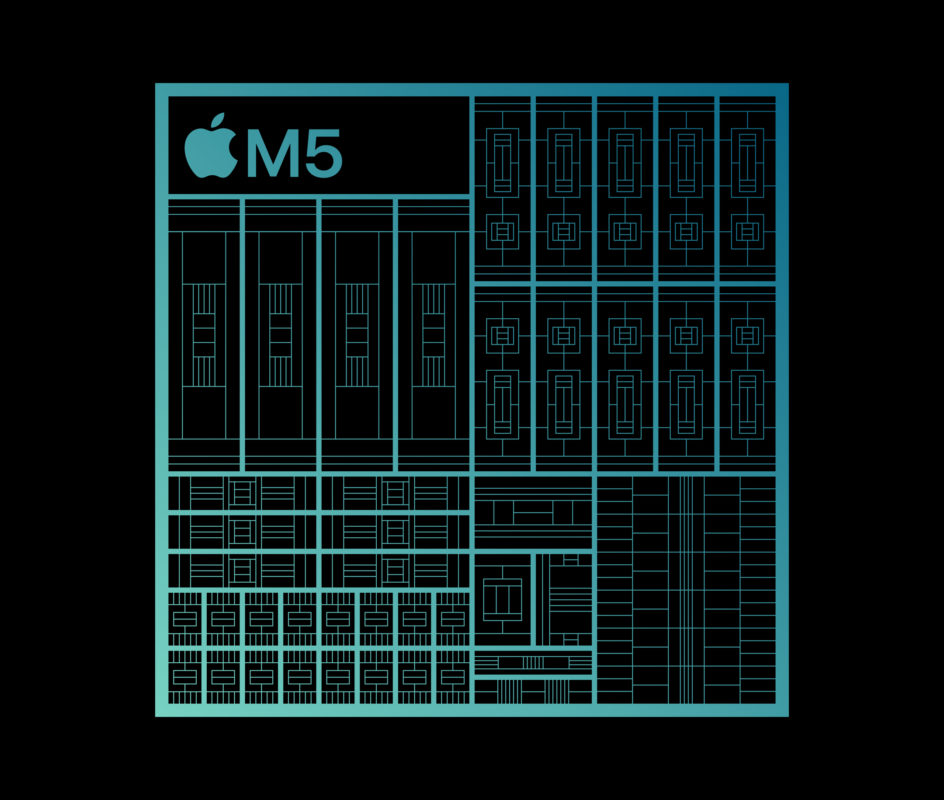
The most critical architectural change in the 2026 hardware lineup is the integration of dedicated Neural Accelerators within every GPU core of the M5 and M6 families. Unlike previous generations that relied on a centralized Neural Engine, this distributed approach scales linearly with the GPU core count. A 40-core M5 Max chip now possesses four times the neural processing capacity of a base M5 chip.
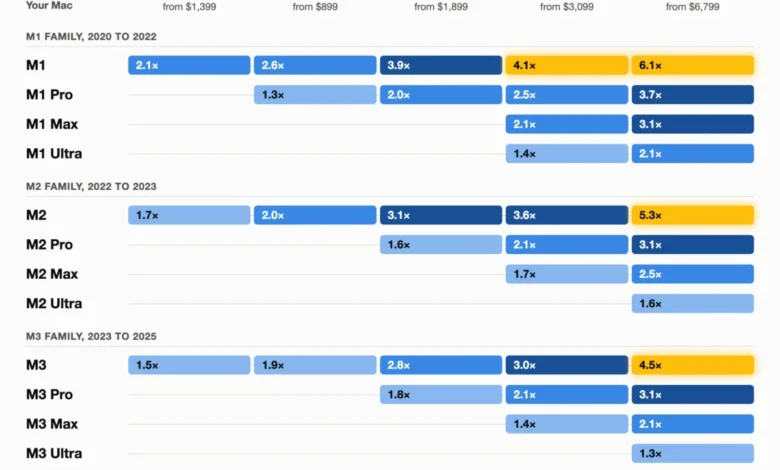
Real-world benchmarks provided by industry testing labs, including Puget Systems, indicate that AI-driven tasks—such as Premiere Pro’s "Enhance Speech" and DaVinci Resolve’s "Magic Mask"—show performance gains ranging from 2.4x to 3.9x compared to M3-based systems. Conversely, standard GPU effects and traditional video encoding tasks show more modest gains, typically in the 1.1x to 1.3x range. This distinction is vital for professionals: if a workflow is heavily dependent on AI-assisted post-production, the shift to M5 or M6 hardware is objectively justified.
Thunderbolt 5 and Data Throughput
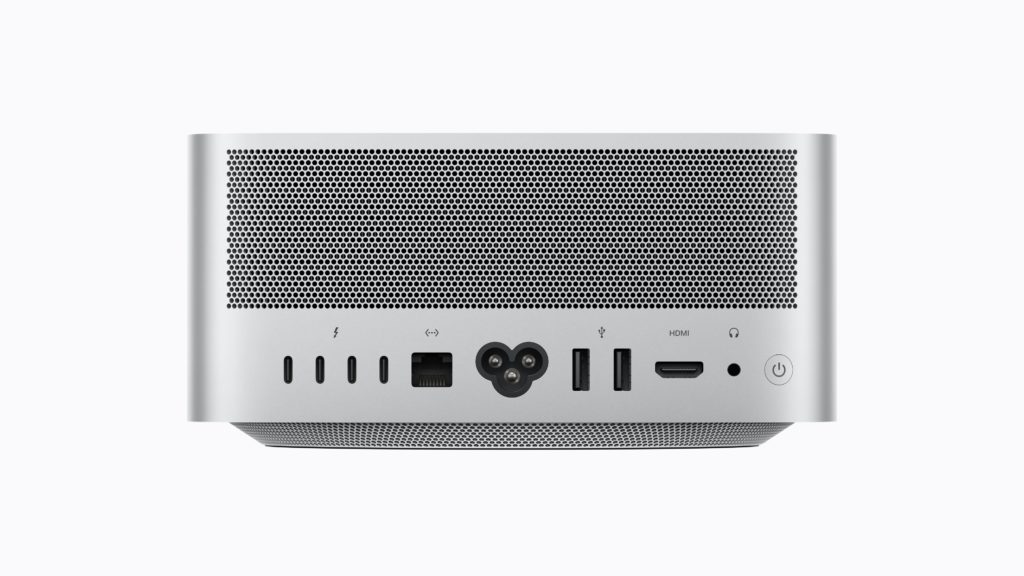
The introduction of Thunderbolt 5 represents a significant shift for studio environments. Capable of 80Gb/s data throughput, the technology effectively doubles the bandwidth of Thunderbolt 4. For editors working with high-bitrate media, this change enables the use of external RAID arrays and SSDs that operate at speeds previously reserved for internal storage.
However, a critical nuance exists in hardware availability. The M5 Pro, M5 Max, and M5 Ultra support Thunderbolt 5, whereas the entry-level M6-equipped machines remain limited to Thunderbolt 4. For professionals managing large project files, this creates a clear performance ceiling. Internal storage, while exceptionally fast—hitting 14.5 GB/s on high-tier M5 chips—remains non-upgradable. Consequently, the industry consensus suggests that a 1TB internal drive is the absolute minimum, with 2TB recommended to accommodate the increasing footprint of local AI models and cache files.
Pricing and Strategic Memory Allocation
Apple’s pricing strategy for 2026 reflects the "100-year flood" of memory costs described by CEO Tim Cook. With DDR5 spot market prices fluctuating significantly, the cost of memory upgrades has risen sharply since early 2025. Adding memory to a machine is no longer a marginal cost; it is a significant capital expenditure.
Because Apple’s unified memory architecture is shared between the CPU, GPU, and Neural Accelerators, RAM is the single most important factor in future-proofing a machine. Professional workflows now require a minimum of 64GB of RAM for standard 4K editing and AI-integrated tasks, while 96GB or more is becoming the standard for 8K resolution workflows and complex motion graphics.
Comparative Analysis: The Value of Tiers
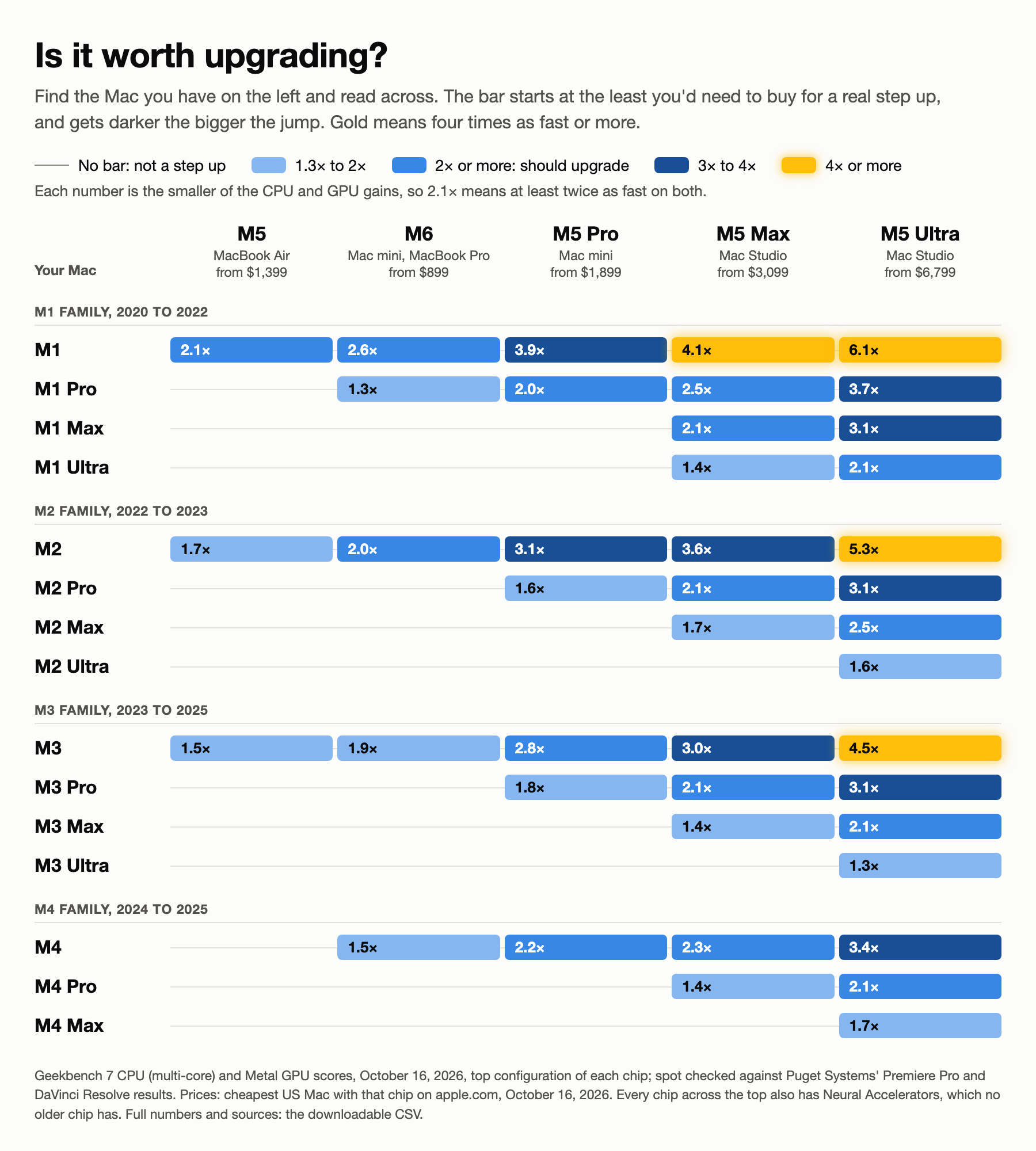
The traditional logic of "newer is always better" has been challenged by the current product lineup. A comparative analysis of the M6-based Mac mini versus the M5 Pro-based Mac mini reveals that the M5 Pro remains the superior tool for professional video editing. Despite the M6 being the newer silicon, the M5 Pro offers higher memory bandwidth, more GPU cores, and superior connectivity via Thunderbolt 5.
The M5 Max further bridges the gap between the mid-range and the top-tier, performing in many benchmarks at parity with the previous generation’s M3 Ultra. This has shifted the value proposition for the Mac Studio: the M5 Max configuration is now sufficient for the vast majority of professional color grading and editorial tasks, while the M5 Ultra is reserved for edge-case scenarios involving massive AI model training or extensive multi-stream 8K playback.
Implications for Post-Production Teams
For post-production houses, the trend is moving toward centralized AI resources. Rather than equipping every individual workstation with top-tier hardware, teams are increasingly utilizing networked AI servers. Using tools like LM Studio or Ollama, businesses can host large language models on a single high-performance machine, allowing multiple edit bays to query the model over the network. This architecture mitigates the need to purchase maximum-spec systems for every employee, potentially saving thousands of dollars in hardware costs while maintaining performance parity.
Summary of Recommendations
When evaluating a purchase in late 2026, the following criteria should dictate the decision:
- Prioritize Tier over Generation: An M5 Pro or M5 Max will consistently outperform an M6 base model in professional creative applications.
- Memory is the Bottleneck: Given the impossibility of post-purchase upgrades, invest in the maximum RAM the budget allows. 64GB is the recommended floor for professional work.
- Desktop vs. Laptop: Unless mobility is a strictly functional requirement, the Mac Studio and Mac mini offer superior stability, better cooling, and a significantly lower cost-to-performance ratio compared to the MacBook Pro lineup.
- Connectivity: Ensure the chosen system supports Thunderbolt 5 if external high-speed storage or 10Gb Ethernet networking is required for the production pipeline.
The 2026 hardware cycle is one defined by consolidation and the maturation of AI-assisted workflows. By focusing on memory bandwidth, neural acceleration, and throughput rather than raw CPU clock speeds, professionals can ensure their hardware remains relevant for the duration of the current architectural cycle. As benchmarks for the M6-based MacBook Pros emerge, users should continue to monitor how these units handle thermal throttling under sustained loads, as this will ultimately define their viability for long-form video production.
Related posts: