The Rise of Answer Engine Optimization and the Fundamental Shift in Digital Search Discovery

The landscape of digital search is undergoing its most significant transformation since the inception of the search engine, shifting from a model of link-based discovery to one of synthesized intelligence. As Answer Engine Optimization (AEO) replaces traditional SEO as the primary driver of visibility, brands are finding that legacy strategies—such as keyword stuffing and aggressive backlink acquisition—are increasingly ineffective against the sophisticated algorithms of generative AI. This paradigm shift requires a fundamental pivot toward creating content that is not merely findable, but explicitly quotable.
The Evolution of Search: From Links to Synthesis
For two decades, search engine optimization focused on increasing a website’s domain authority to secure a top-ten spot in blue-link search results. Today, however, major engines like Google’s AI Overviews, OpenAI’s ChatGPT, Microsoft’s Copilot, and Perplexity are providing direct, summarized answers to user queries. This transition has rendered traditional "ranking" a secondary concern to "citation."
According to the 2024 State of AEO report, which analyzed thousands of citation data points across six major AI-driven platforms and surveyed over 4,000 global marketers, the brands that successfully appear in AI responses do not necessarily hold the highest domain authority. Instead, they are the entities that prioritize structural integrity and factual clarity. Industry experts, including AJ Ghergich, VP of AI and Consulting Services at Botify, have noted that ranking in AI is a stochastic process. Rather than "climbing" a ladder, brands must become a reliable source that an AI engine can confidently extract and synthesize for a user.
A Chronology of the AEO Shift
The rise of AEO can be traced through a clear timeline of technological maturation:
-What-We-Learned-from-Analyzing-10+-Brands-With-High-AI-Search-Citations-1-20260826-304258.webp)
- Late 2022: The public release of ChatGPT triggered a global interest in large language models (LLMs), shifting user behavior toward conversational search.
- Early 2023: Major search engines began integrating generative AI into search results, moving from static lists to dynamic summaries.
- Mid-2023 to 2024: Marketers began to identify a growing disconnect between traditional SEO traffic metrics and the actual visibility of their brand within AI answers.
- Late 2024: The industry reached a consensus that AEO is a distinct discipline, necessitating new frameworks for content production, technical structure, and measurement.
The Five Pillars of Citation Success
Data analysis reveals that consistent, high-citation brands adhere to five core behaviors that optimize content for machine extraction.
1. Structural Clarity
AI models do not consume content in the same way humans do. They parse pages into "chunks." High-performing content utilizes robust heading hierarchies (H2s and H3s) to create self-contained sections. The data indicates that pages featuring 7 to 15 H2 tags experience a significant lift in citation rates, as these headers act as clear signposts for AI to identify and index specific answers.
2. E-E-A-T as a Foundation
Experience, Expertise, Authoritativeness, and Trustworthiness (E-E-A-T) remain the bedrock of search credibility. Because AI engines stake their own reputation on the accuracy of the information they provide, they prioritize sources with clear, verified author credentials, outbound citations, and a consistent footprint of expertise across the broader web.
3. Omni-Channel Presence
An engine’s trust in a brand is often corroborated by its presence outside the brand’s own domain. The data shows that platforms like LinkedIn and YouTube are critical, as they demonstrate "practitioner authority" and "demonstrated expertise," respectively. Niche community platforms, such as Slack channels or professional newsletters, also serve as high-weight signals that an entity is regarded as a leader within a specific vertical.
4. The Freshness Mandate
Stagnant content is rarely prioritized by generative engines. Brands winning the most citations treat their top-performing assets as "living documents." This includes updating dates in metadata, including the current year in H1 tags, and providing "what’s next" or "as of [year]" notes to signal to the engine that the content is actively maintained and factually current.

5. Technical Hygiene and Schema
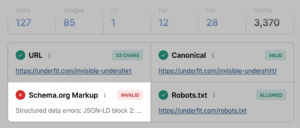
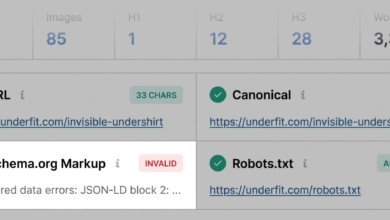
Schema markup serves as the "map" for AI crawlers. By implementing Article, Author, and FAQ schema, brands provide structured data that removes ambiguity. FAQ schema, in particular, has shown a direct correlation with higher citation rates, as it presents content in the precise question-and-answer format favored by AI interfaces.
Platform-Specific Nuances
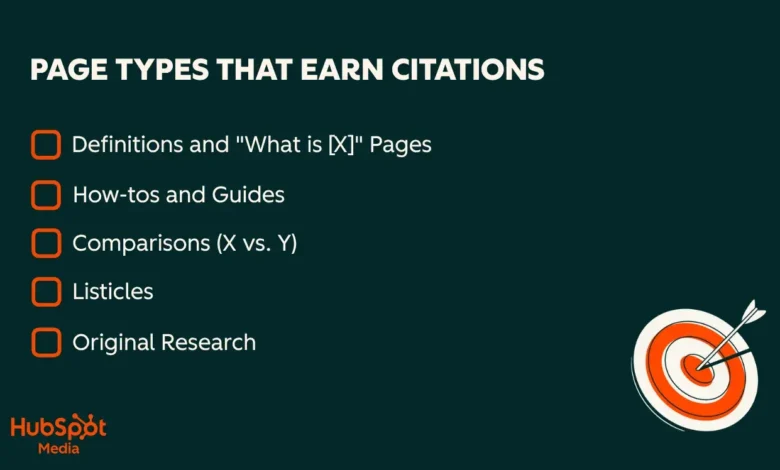
AEO is not a monolith; each engine exhibits distinct preferences. Google AI Overviews tends to reward existing high-authority, long-form content that aligns with traditional SEO success. In contrast, ChatGPT exhibits a strong preference for comparison pages—such as "X vs. Y" guides—and original research that provides proprietary data. Perplexity shows a bias toward recent, niche content and frequently provides outbound links, making it a critical source for referral traffic. Gemini, meanwhile, favors content that supports multi-turn, conversational queries.
The Measurement Crisis
One of the most significant challenges identified in the 2024 report is the obsolescence of click-based measurement. In traditional search, a click was the primary indicator of success. In an AEO-driven world, a user may have their query fully satisfied by the AI summary without ever visiting the brand’s website.
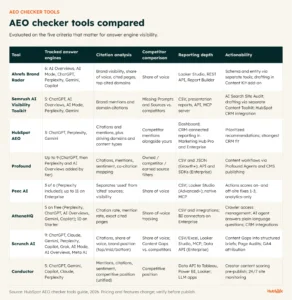
Industry analysts suggest that for every one human visit, AI bots may crawl a site hundreds of times. This leads to inflated impression data but flat click-through rates. Consequently, brands are moving toward "Share of Voice" and "Citation Frequency" as the new key performance indicators. The industry is beginning to adopt specialized AI search graders to monitor sentiment, prompt performance, and citation volume rather than relying on legacy web analytics.
Organizational Governance and Brand Safety
The rise of AI search also introduces the question of brand governance. Historically, blocking or allowing bots was a purely technical task managed by IT departments. Today, it has become a cross-departmental imperative. If an AI engine misrepresents a brand’s data, it is no longer just a technical glitch—it is a brand reputation crisis. Marketing, legal, and IT teams are now required to align on how proprietary brand data is surfaced, cited, or restricted within generative environments.
-What-We-Learned-from-Analyzing-10+-Brands-With-High-AI-Search-Citations-2-20260826-1137108.webp?width=700&height=403&name=(non-organic)-What-We-Learned-from-Analyzing-10+-Brands-With-High-AI-Search-Citations-2-20260826-1137108.webp)
Implications and Future Outlook
The implications for digital marketing are profound. As the "zero-click" search environment becomes the standard, the competitive advantage will go to brands that can effectively manage their digital identity as a database. By 2026, it is projected that over 70% of search traffic will be filtered through AI-assisted interfaces.
For organizations looking to gain an edge, the current window of opportunity is critical. While 58% of marketers have begun optimizing for AI, many are still relying on trial-and-error. The winners of this next era will be those who move from a mindset of "marketing to humans" to a dual-layered approach: creating content that engages human readers while remaining perfectly legible and authoritative to the machines that now curate the world’s information.
As the industry matures, the focus will likely shift from "getting found" to "being the preferred source." This shift demands a rigorous commitment to data accuracy, technical precision, and a multi-channel content strategy that reinforces brand entity authority across the entirety of the digital ecosystem. The era of the answer engine has arrived, and it favors those who provide the most concise, verifiable, and structured intelligence.