The Seismic Shift in Digital Discovery: How AI Search Engines Are Reshaping the Buyer Journey


The digital landscape is undergoing a fundamental transformation as traditional search engine behaviors—characterized by the familiar "blue link" experience—give way to the rapid adoption of AI-driven answer engines. For decades, the internet’s primary discovery mechanism relied on users manually filtering through indexed web pages. Today, tools like ChatGPT, Perplexity, and Gemini are synthesizing information into direct, narrative-driven responses, effectively bypassing the traditional click-through model. This shift has profound implications for marketing, e-commerce, and business strategy, as the focus of digital visibility pivots from "ranking" on a search engine results page (SERP) to securing presence within AI-generated summaries.

A New Chronology of Search Behavior
The evolution toward AI-centric discovery has been rapid. While early search engines in the late 1990s and 2000s focused on indexing the web, the 2020s marked the emergence of Large Language Models (LLMs) capable of semantic reasoning. By 2023, the integration of generative AI into search interfaces became a mainstream consumer expectation. By early 2025, market research indicated that the "zero-click" phenomenon—whereby a user finds their answer directly on the search page without navigating to an external site—had become the dominant paradigm. Industry analysts now categorize this as a structural shift in how information is consumed, moving from a destination-based web to an answer-based interface.
The Statistical Reality of Modern Buyer Research
Data from leading market research firms underscores the urgency of this transition. Forrester reports that 94% of B2B buyers have integrated AI into their recent procurement processes. More tellingly, 55% of these buyers utilize AI to compare vendors, while 54% leverage it for product research, effectively completing the bulk of their decision-making process before ever engaging with a sales representative. This creates a "blind spot" for organizations that have not optimized for AI-driven discovery.

Furthermore, McKinsey & Company highlights that approximately 50% of consumers across all generational cohorts, including Baby Boomers, rely on AI-powered search for significant purchasing decisions. This is corroborated by Adobe Digital Insights, which noted that 56% of U.S. consumers utilized generative AI during the 2025 holiday shopping season, representing a 45% increase from the previous year. For businesses, these statistics indicate that by the time a potential client reaches out, the vendor selection process is often already finalized based on the output of an AI agent.
Categorizing the AI Search Ecosystem
To navigate this new environment, marketers must distinguish between three distinct categories of AI-enhanced tools, each serving a unique function in the information value chain:
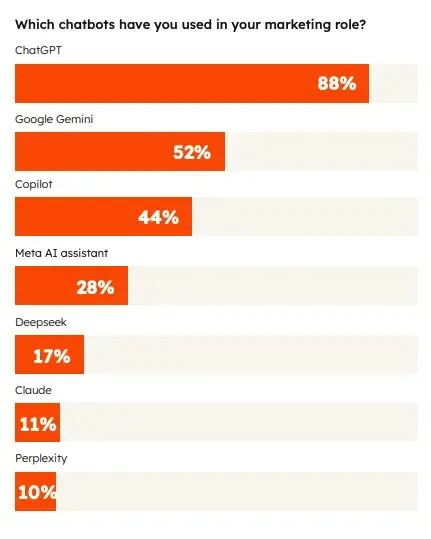
- Answer Engines: These are the primary consumer-facing interfaces, such as ChatGPT, Perplexity, and Gemini. Their objective is to provide a comprehensive, synthesized response to a user’s natural language query. Unlike traditional search, which acts as a directory, these tools act as an intelligence layer.
- AI-Powered Site Search: These tools are deployed within proprietary digital properties, such as e-commerce websites or internal knowledge bases. Platforms like Algolia, Coveo, and Elasticsearch have evolved to offer natural language understanding, allowing users to find granular information within a site’s architecture without needing to use exact keyword matches.
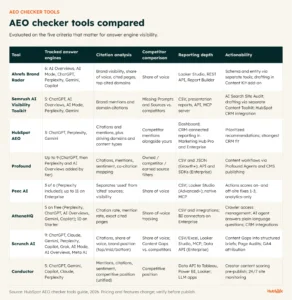
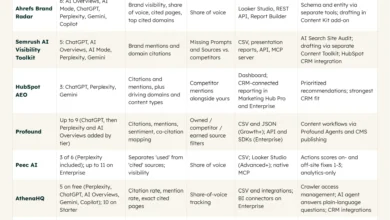
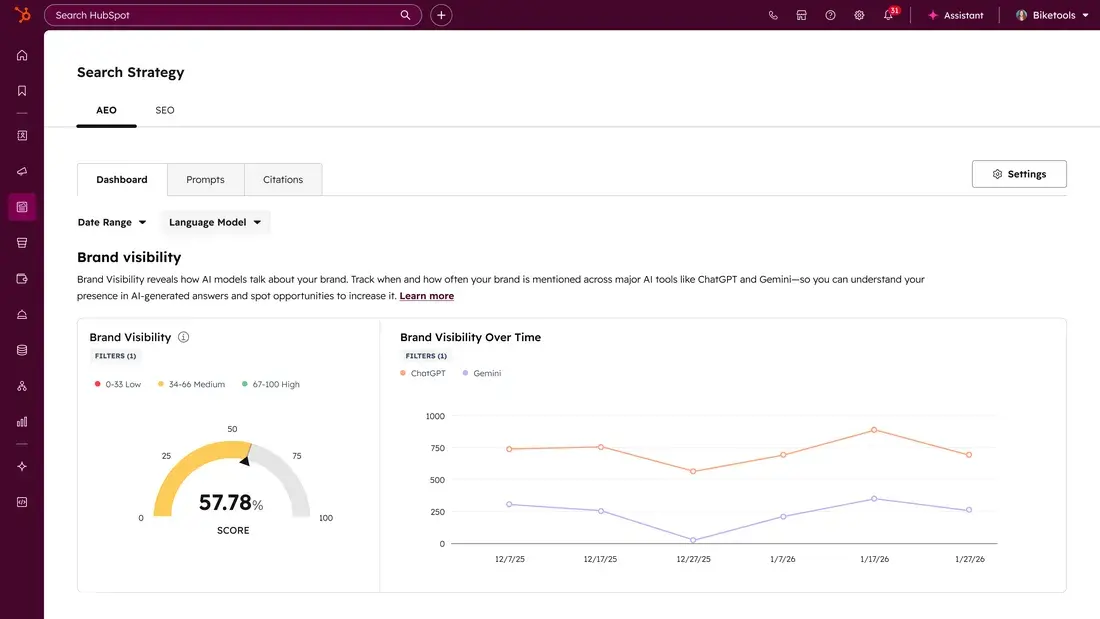
- Answer Engine Optimization (AEO) Platforms: This emerging category focuses on measurement. AEO tools provide the analytics necessary to track how a brand appears in AI-generated responses. They allow organizations to benchmark their visibility against competitors and receive strategic recommendations on how to better align their content with the patterns favored by LLMs.
Strategic Implications and the Rise of AEO
The shift from Search Engine Optimization (SEO) to Answer Engine Optimization (AEO) represents a significant pivot in professional practice. Traditional SEO was governed by ranking algorithms that prioritized backlink profiles, domain authority, and specific keyword density. In contrast, AEO is driven by the necessity of being "cited" or "included" in the generative summary provided by an AI.
This new requirement has led to the development of dedicated AEO tools, such as the HubSpot AEO suite. Unlike generic search analytics, these tools utilize CRM-integrated data to identify the specific prompts that high-intent buyers use. By grounding recommendations in proprietary business data, marketers can influence the "narrative" that AI models provide to users. Recent trials have shown that organizations prioritizing AEO have seen AI-driven referral traffic increase by approximately 20%, even as traditional organic traffic metrics faced industry-wide declines.

Operational Challenges and Best Practices
The transition to an AI-first search strategy is not without controversy or challenge. Critics and industry watchdogs, including the Columbia Journalism Review, have frequently raised concerns regarding the accuracy of citations in AI summaries. Perplexity AI, for instance, has been identified in various tests as having a lower error rate in citations than many competitors, yet even the most reliable models are subject to "hallucinations."
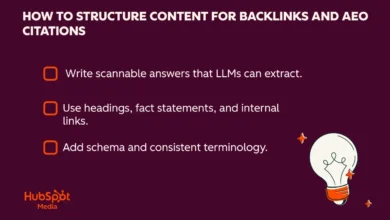
Consequently, organizations must adopt a balanced approach. First, they must treat AI tools as strategic assistants rather than replacements for human oversight. Second, they must prioritize the quality and transparency of their own web content. Because AI models are trained on, and retrieve information from, existing web content, the fundamental principles of high-quality, well-sourced, and authoritative content remain the primary drivers of visibility.

When evaluating these tools, businesses should prioritize criteria such as:
- Data Privacy and Security: Ensuring that internal data used for site search is protected and not inadvertently used to train public models.
- Integration Capabilities: The ability to pull data from existing CRM or ERP systems to provide personalized AI-driven answers.
- Scalability: The capacity of the search tool to handle vast volumes of content and queries without degrading performance.
The Future of Digital Engagement
As we move further into this era of AI-mediated discovery, the role of the marketer will continue to evolve. The objective is no longer merely to drive traffic to a website but to ensure the brand is represented accurately and prominently within the "answer" provided by the AI. This requires a move away from legacy traffic metrics toward new KPIs, such as "Brand Mention Frequency in AI Summaries" and "Citation Share of Voice."
For enterprise-level organizations, the deployment of robust site search tools remains an essential defensive move. If a customer cannot find a specific product or document on a company’s own website, they will inevitably migrate to an external answer engine to find the information—often with the risk of being directed toward a competitor. By implementing sophisticated internal search tools like Coveo or Algolia, companies can maintain the integrity of their user experience and keep prospects within their controlled digital ecosystem.
Conclusion: The Path Forward
The decline of the traditional, click-heavy search journey is not a signal of the end of digital marketing, but rather a maturation of the medium. The organizations that thrive in this environment will be those that embrace the necessity of measurement. By adopting AEO strategies and leveraging AI to improve internal discovery, businesses can move from a reactive stance to a proactive one.

Marketers are encouraged to start with a diagnostic snapshot of their current presence. Tools such as the free AI Search Grader offer a non-intrusive way to measure baseline visibility. From there, the focus should shift to a sustained, data-driven effort to optimize for the AI-first discovery layer. The search for the right tools is largely complete; the current challenge is the effective, ethical, and strategic application of those tools to capture the attention of a new generation of AI-empowered buyers. In this environment, visibility is no longer a matter of luck or algorithmic manipulation, but of providing clear, authoritative, and relevant answers to the questions the market is asking.