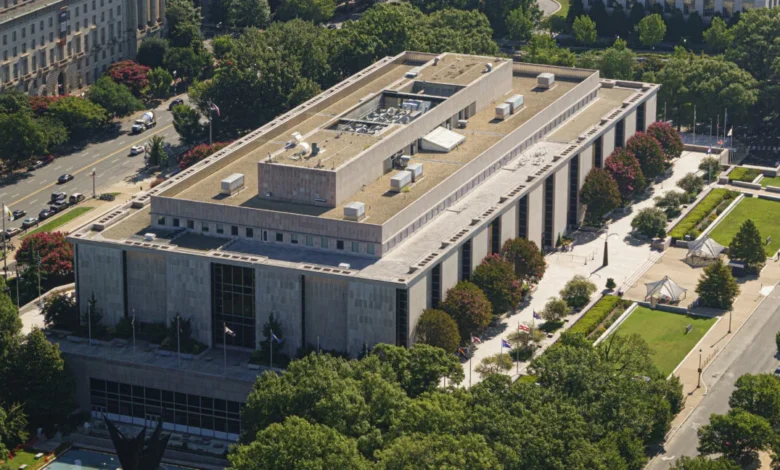
The Smithsonian Institution, a global paragon of cultural preservation and historical scholarship, finds itself at the center of an intense political firestorm that threatens its long-standing autonomy and institutional mission. For over a century, the Smithsonian has operated with a degree of independence from the executive branch, maintaining a reputation as the nonpartisan custodian of America’s ingenuity, natural heritage, and complex historical evolution. However, in the current climate of intensifying culture wars, the institution is facing unprecedented pressure from the Trump administration, which has accused the museum of succumbing to ideological capture and political activism.
The tension reached a boiling point following a series of executive orders, a blistering 162-page White House report, and contentious congressional hearings. At the heart of the controversy is a fundamental disagreement over how the nation’s history should be presented to the public. While the Smithsonian maintains that its mandate is to provide a comprehensive and nuanced account of the American experience—including its most difficult chapters—the current administration argues that the museum has abandoned its duty to foster a unifying national narrative, favoring instead an interpretation that emphasizes grievance and identity politics.
A Chronology of Confrontation
The path to the current impasse was not instantaneous; it has been a gradual buildup of institutional friction. Since the 2020 pandemic-era upheavals and the national discourse following the death of George Floyd, the Smithsonian, like many academic and cultural organizations, began to re-evaluate how it presents its collections. Secretary Lonnie Bunch, the first African American to lead the institution, initiated a shift toward "critical conversations" regarding race, identity, and the systemic challenges within the American story.
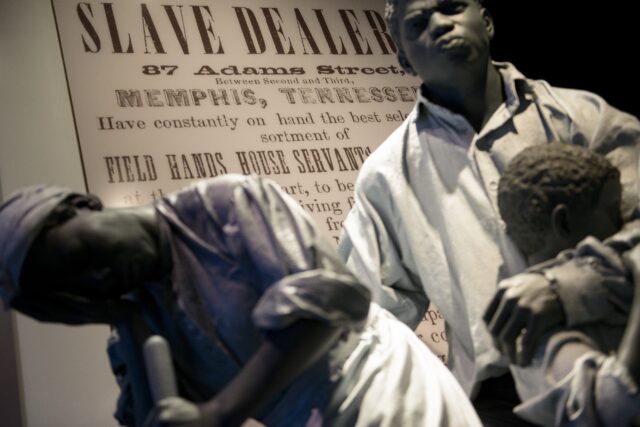
By November 2021, this shift was visible in exhibits such as The Electric Dr. Franklin at the National Museum of American History. The display explicitly linked Benjamin Franklin’s scientific achievements to the labor of enslaved people in his household. While historians have long recognized this aspect of Franklin’s life, the exhibit’s focus on the possibility that he may have subjected enslaved individuals to potentially painful electrical experiments drew significant scrutiny.
The scrutiny intensified into direct intervention in March 2025, when President Donald Trump signed an executive order characterizing the Smithsonian’s recent curatorial direction as a "divisive, race-centered ideology." This move set the stage for a July 4, 2026, White House report, timed to coincide with the nation’s 250th anniversary. The report served as a comprehensive indictment of the museum’s leadership, alleging that it had prioritized political activism over scholarly education.
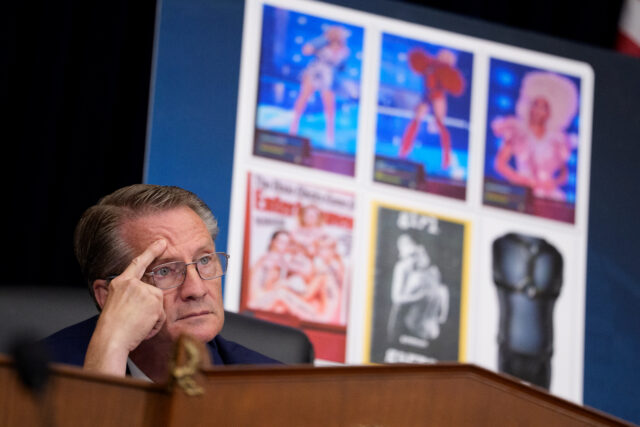
The subsequent months saw high-stakes congressional hearings in late July 2026, where museum director Anthea Hartig was compelled to defend the institution’s exhibits against charges of impropriety. The hearings featured heated exchanges over specific artifacts, including a "chrome and rubber crotch harness" and references to gender identity in youth-focused exhibits, which Republican lawmakers argued were inappropriate for a federally funded, family-oriented institution. By September 2026, the cumulative pressure led to the resignation of Lonnie Bunch, who cited the immense stress of the ongoing political environment.
The Problem of Narrative Coherence
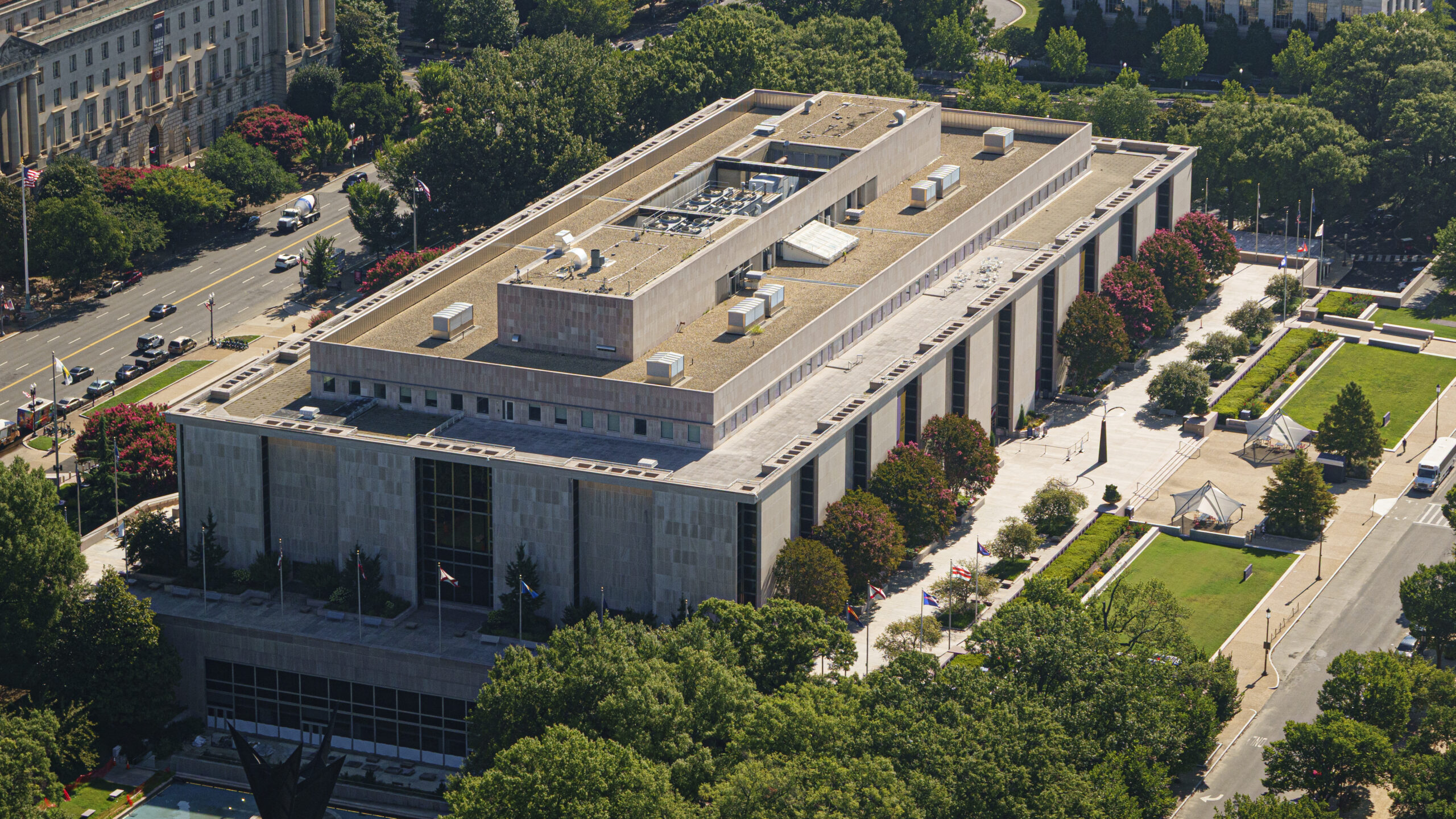
The administrative ire directed at the Smithsonian is, in many ways, a modern manifestation of a long-standing identity crisis within the National Museum of American History. Opened in 1964 as the National Museum of History and Technology, the institution was tasked with balancing two distinct roles: showcasing the triumphs of American industrial progress and narrating the broader, often messy, story of the nation’s political and social development.
Critics, including those behind the 2002 blue-ribbon commission led by Richard Darman, have long argued that the museum lacks a cohesive strategy. They contend that the shift away from a "great-man" historical model toward more episodic, thematic exhibits has resulted in a disjointed experience for visitors. In a 1999 critique, writer David Brooks labeled the museum a "multicultural grievance" space, arguing that it systematically overlooked the figures and events most central to the American founding.

The Smithsonian’s recent struggle to define its purpose is exacerbated by the lack of a formal charter detailing how its various museums—which now span from the National Museum of the American Indian to the National Museum of African American History and Culture—should fit together. As former board chair Ivan Selin noted, the absence of a unified theory for the institution makes it vulnerable to accusations of incoherence. When the museum attempts to address this by highlighting marginalized voices, critics view it as a departure from traditional history; when it highlights traditional achievements, others view it as a failure to reckon with the nation’s darker legacies.
Data, Funding, and Institutional Risks
The Smithsonian’s precarious position is compounded by its financial structure. While independent in its governance, the institution receives roughly 62% of its operating budget—exceeding $1 billion annually—from the federal government. This reliance on public funding makes it susceptible to legislative threats. Republican members of Congress have already signaled their intent to leverage the appropriations process to force changes in leadership and content.
The impact of this political pressure is measurable in the museum’s internal operations. The Office of Government Relations, historically responsible for maintaining bipartisan support through previews and briefings, has seen significant turnover. Furthermore, the loss of experienced leadership, coupled with the vacancy of multiple citizen seats on the Board of Regents, has left the institution in a state of flux. With the Chief Justice of the Supreme Court leading the board, the extent to which the judiciary will engage in the administrative oversight of the museum’s content remains a significant variable for its future.
Broader Implications for National Memory
The battle over the Smithsonian is not merely an administrative or budgetary dispute; it is a profound struggle over the definition of the American identity. Supporters of the current curatorial approach, such as historian David Blight, argue that the museum’s role is to challenge visitors to confront the complexities of history, asserting that a "whole story" approach is necessary for a maturing democracy. They view the administration’s efforts as an attempt to curate a sanitized version of history that suppresses legitimate, albeit uncomfortable, discourse.
Conversely, the administration and its allies argue that the Smithsonian has a moral and civic duty to foster national unity. They contend that by focusing heavily on systemic oppression and identity, the museum undermines the patriotic pride necessary for a cohesive society. They advocate for a return to a "consensus view" of history that celebrates the nation’s foundational principles and major achievements while treating failures as secondary rather than central to the narrative.
As the nation looks toward the post-anniversary era, the question of who holds the authority to frame the national story remains unresolved. The outcome of this conflict will likely dictate the direction of the Smithsonian for decades, setting a precedent for how taxpayer-funded institutions reconcile the competing demands of academic integrity, political accountability, and national identity. The departure of key leaders like Bunch suggests that the institution is at a crossroads, where the survival of its traditional independence may require a significant recalibration of its engagement with the political forces that increasingly seek to define it.