Apple Unveils the iPhone Duo and Sparks Debate Over Discrepancies in Tablet and Foldable Multitasking Systems

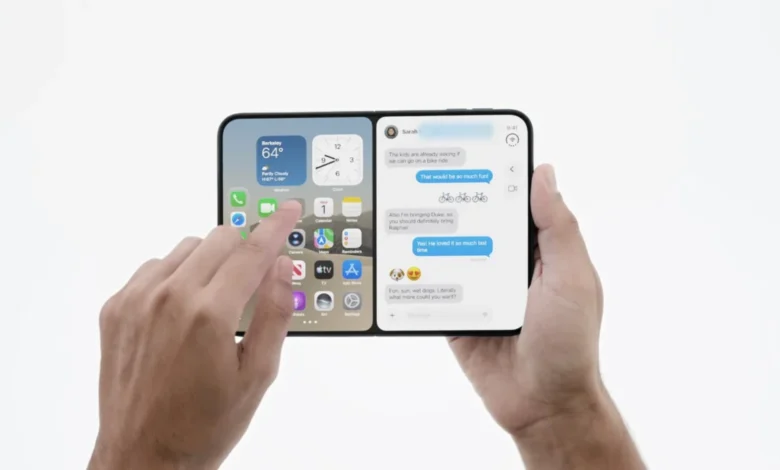
Apple Inc.’s recent unveiling of its expanded hardware lineup—highlighted by the introduction of the company’s first-ever foldable device, the iPhone Duo—has ignited a broader conversation regarding user interface design across mobile product categories. While the debut of the iPhone Duo has been widely praised for its intuitive and fluid software implementation, it has simultaneously drawn critical scrutiny toward the current state of multitasking capabilities on the iPad lineup, particularly following the evolution of iPadOS over the last two release cycles.
The release of the iPhone Duo marks a significant technological milestone for Apple, representing the culmination of years of research and development into flexible display technologies. However, the juxtaposition of the foldable phone’s streamlined multitasking interface against the increasingly complex windowing system found in modern iPadOS versions has highlighted a distinct philosophical divide in how Apple approaches productivity across different form factors.
Evolution of Multitasking on Apple Devices
The roots of modern Apple device multitasking trace back over a decade to the introduction of Split View and Slide Over on the iPad, features designed to bridge the gap between traditional single-app mobile use and desktop-style computing. Over the years, these tools evolved to accommodate users demanding higher productivity from tablets.
However, the software landscape shifted dramatically with the rollout of iPadOS 26. In an effort to bring deeper window management to tablets, Apple introduced a heavy reliance on free-floating windowing systems. While this catered to users outfitted with external accessories like the Magic Keyboard and a mouse, it created a polarizing user experience. Consumers were largely forced to choose between an all-in-one windowing paradigm or a restricted, full-screen-only environment.
Subsequent updates, such as iPadOS 26.2 and the newly deployed iPadOS 27, attempted to reintroduce simpler mechanics like Split View and Slide Over. Despite these concessions, the underlying architecture still requires users to interact with the complex window management system, rendering the experience cumbersome for those relying solely on touch input—particularly on smaller form factors such as the iPad mini.
The iPhone Duo Approach: A Simplified Paradigm
In sharp contrast to the tablet experience, the newly revealed iPhone Duo demonstrates a more cohesive and streamlined approach to managing multiple applications simultaneously. Industry analysts and early testers have noted that the iPhone Duo’s software architecture avoids the convoluted mechanics plaguing contemporary iPadOS iterations.
Key software features of the iPhone Duo multitasking framework include:

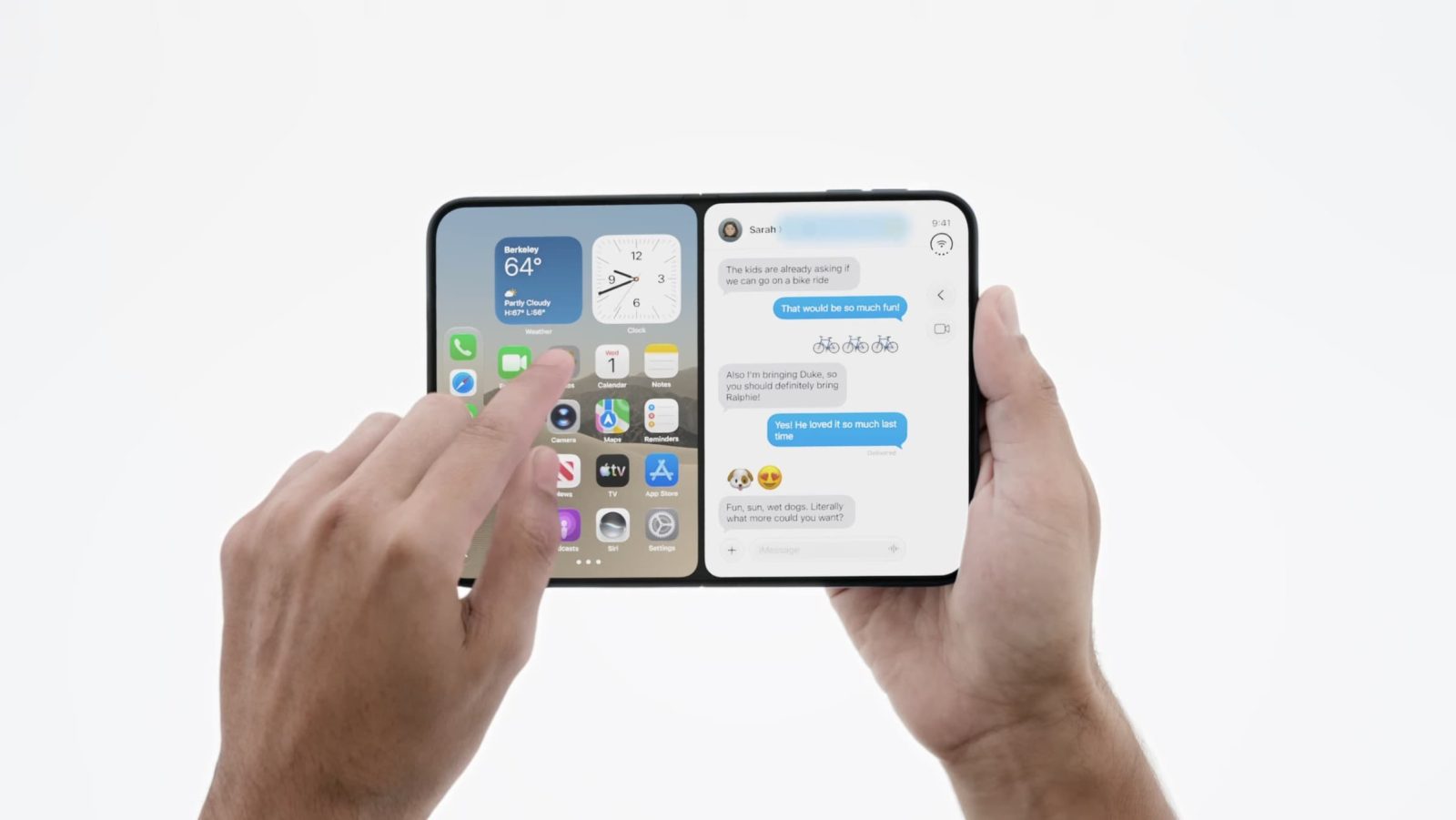
- Flexible Split-Screen Integration: Users can allocate an application to precisely half of the dual-screen interface while maintaining an unobstructed view of the home screen to select secondary programs.
- App Pair Preservation: The operating system allows users to save specific application combinations as a single pair, enabling quick swapping and workflow continuity.
- Media and App Co-existence: The Duo introduces the ability to split-screen a video alongside an active productivity or social application—a feature conspicuously absent from similarly sized tablets like the iPad mini.
This elegant execution has led technology commentators to question why Apple’s engineering teams did not extend a similar, touch-optimized multitasking framework to the iPad lineup, where screen real estate on models like the iPad mini is nearly identical to that of the unfolded iPhone Duo.
Architectural Similarities and Operating System Divergence
At a foundational level, iPadOS remains deeply intertwined with iOS, sharing the same core operating system architecture. Because of this underlying kinship, industry observers argue that transitioning user interface elements between the two platforms should not present an insurmountable engineering hurdle.
Historically, Apple has maintained strict operational boundaries between device classes to preserve distinct use cases: the iPhone is engineered primarily for single-handed, on-the-go communication and media consumption, whereas the iPad is marketed as a modular productivity device capable of replacing traditional laptops. However, the introduction of the iPhone Duo blurs these traditional product categories, proving that sophisticated multitasking does not inherently require desktop-grade window management.
For users who prefer operating their tablets via touch input rather than relying on heavy keyboard and trackpad peripherals, the current trajectory of iPadOS has felt increasingly restrictive. Critics point out that the iPad mini, despite its compact dimensions and portability, is subjected to the same intricate windowing constraints as larger iPad Pro models, making basic multi-window tasks unnecessarily complicated.

Market Implications and Industry Reaction
The commercial debut of the iPhone Duo is projected to stimulate renewed competition within the foldable smartphone sector, a market that has matured significantly over recent years with entries from Samsung, Google, and other major manufacturers. By prioritizing a seamless and intuitive software layer rather than merely focusing on hardware durability, Apple appears to have established a new benchmark for foldable user experiences.
Nevertheless, the disparity between the software experiences on the iPhone Duo and the iPad ecosystem presents a unique narrative for Apple’s software engineering division. While consumer excitement surrounding the iPhone Duo remains exceptionally high, the ongoing user friction on the iPad threatens to overshadow the company’s broader productivity hardware narrative.
As developers and consumers begin receiving the first wave of iPhone Duo units, pressure is likely to mount on Apple to reevaluate its approach to tablet software design. Whether the Cupertino-based tech giant will draw inspiration from the iPhone Duo’s streamlined multitasking architecture to revitalize iPadOS in future software updates remains one of the most anticipated questions in the consumer technology landscape.