The Strategic Imperative of Tracking Brand Visibility in the Era of AI-Driven Search

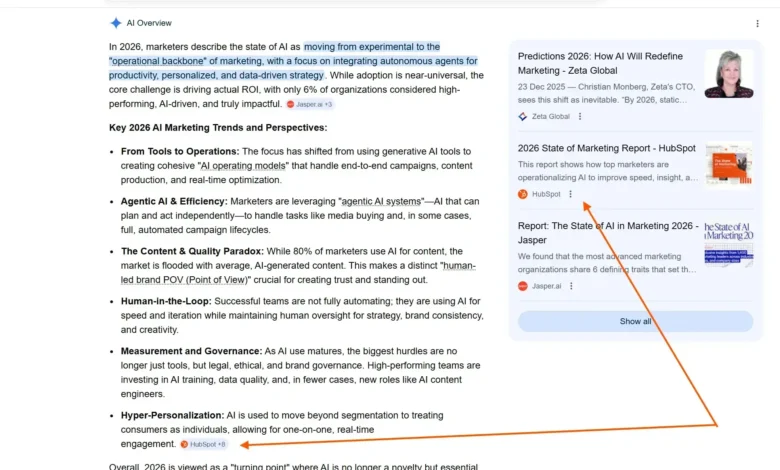
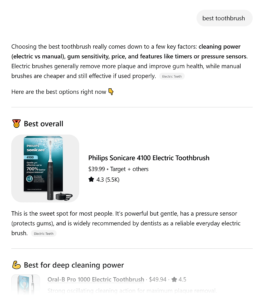
The fundamental architecture of the internet search experience has undergone a seismic shift, moving away from traditional, link-heavy results toward generative, AI-synthesized answers. For marketing professionals and business leaders, this transition represents more than a technical evolution; it marks a critical change in how prospective customers discover, evaluate, and choose brands. As of 2026, Google reported that its AI Mode had surpassed one billion monthly users, with query volumes doubling every quarter since its inception. Consequently, failing to maintain visibility within AI-generated responses—often referred to as AI Overviews (AIO)—is effectively opting out of a massive and rapidly expanding segment of the buyer’s journey.

The rise of AI search, fueled by platforms such as ChatGPT, Perplexity, Claude, Gemini, and Microsoft Copilot, has fundamentally changed the discovery process. Unlike legacy search engines that provide a list of destination links, these generative models process, summarize, and synthesize information, presenting it directly to the user. This shift has profound implications for brand equity and revenue. When a brand fails to be mentioned or cited by these platforms, it risks disappearing from the conversation entirely, often without leaving a digital footprint that traditional analytics tools can track. According to recent data, 31% of Gen Z consumers now default to AI-powered chatbots for information gathering, underscoring the urgency for brands to adapt their visibility strategies.
The Evolution of the Search Landscape
The transition toward AI-centric discovery did not happen overnight. It is the result of years of investment in Large Language Models (LLMs) and the integration of these models into the search interfaces of the world’s largest technology companies. In the early 2020s, search was primarily transactional and navigational. By 2024, the industry saw the widespread deployment of generative AI features, which transformed search into an inquiry-based, conversational experience.

This shift has created a "black box" effect for many marketing departments. Traditional Search Engine Optimization (SEO) metrics, such as keyword rankings and organic click-through rates, are no longer sufficient to gauge success. In an AI-driven environment, a brand’s visibility is determined by whether the model chooses to cite the brand’s domain as a trusted source of information. This necessitates the development of AI Engine Optimization (AEO)—a new discipline focused on ensuring brands are recognized, cited, and accurately represented by generative models.
Defining Visibility: Mentions, Citations, and Sentiment
To effectively measure performance in this new ecosystem, marketers must distinguish between various types of AI-driven visibility. A brand mention occurs when an AI platform references a company by name, though this does not necessarily lead to a direct traffic source. A citation, by contrast, is a high-value indicator of trust: it is a direct link provided by the AI model to a piece of brand-owned content.

Beyond these technical markers, sentiment and accuracy remain paramount. AI models are trained on vast datasets; if a model consistently describes a brand using outdated pricing, incorrect service details, or negative descriptors, it can severely damage the brand’s reputation. Unlike traditional search, where a brand might have thousands of links, an AI model might synthesize all available information into a single, concise paragraph. If that summary is inaccurate, the error is presented to the user as an objective fact, making the management of brand truth a top-level priority for public relations and marketing teams.
Implementing a Repeatable Measurement Framework
For organizations moving beyond manual, ad-hoc spot checks, the implementation of a structured, repeatable system is essential. Manual testing—asking a specific question to ChatGPT or Perplexity and noting the response—is insufficient for long-term strategic planning. It captures only a single moment in time and fails to account for the variability in model responses based on user history or location.

A robust framework for tracking AI visibility involves five distinct phases:
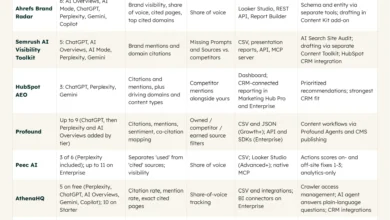
- Baseline Assessment: Utilizing diagnostic tools to understand where a brand currently stands across key platforms. This initial audit provides a foundation for measuring future growth.
- Structured Prompt Development: Establishing a fixed, categorized library of prompts that mirror real-world user inquiries. These should be tested consistently to ensure data integrity over time.
- Platform Prioritization: Analyzing internal referral traffic to identify which AI engines are actually driving visitors to the brand. While tracking every platform is ideal, resource constraints often require a focus on the channels with the highest engagement.
- Scheduled Cadence: Moving from daily or weekly monitoring to a consistent schedule that allows for the identification of trends rather than isolated data points.
- Integration with CRM: The final and most critical step is routing visibility data directly into customer relationship management (CRM) systems. This allows organizations to correlate AI visibility improvements with actual business outcomes, such as lead generation and pipeline growth.
The Role of Data-Driven Content Strategy
The data gathered through AEO tools should serve as the primary input for content creation. If an organization notices a low citation rate for a core service, it signals a need for more authoritative, clear, and data-rich content on that topic. Similarly, if competitors are winning the "share of voice" on comparison-style prompts, it creates an immediate mandate for the creation of competitive comparison pages that specifically address the questions users are asking the AI.

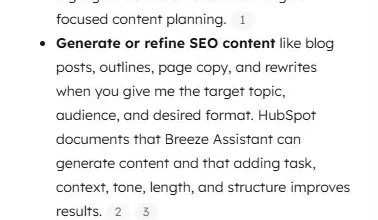
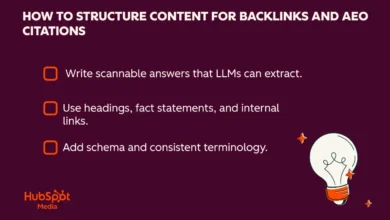
Industry experts suggest that content should no longer be written solely for human readers or search engine crawlers. Instead, content must be structured to facilitate "lifting"—the process by which AI models identify and extract information to answer a query. This involves using clear, definitive headings, answering specific questions with concise data, and ensuring that the most valuable information is easily accessible to the models’ scraping mechanisms.
Implications for Business and Revenue
The disconnect between marketing performance and revenue remains a primary concern for stakeholders. When AI visibility metrics are isolated in a standalone dashboard, they are often viewed as vanity metrics. However, when integrated into the broader marketing and sales ecosystem, these metrics become powerful indicators of future demand.

The implications for business are clear: the brands that win in the coming years will be those that successfully bridge the gap between their digital presence and the synthetic knowledge bases of the world’s leading AI platforms. This is not merely an IT or SEO task; it is a fundamental marketing requirement. As search continues to move toward automated, generative answers, the ability to monitor, analyze, and influence these outputs will determine which brands remain top-of-mind for consumers and which are left behind in the silent, unindexed void of ignored search results.
Looking forward, the industry expects increased volatility in how these models operate. Algorithm updates for search engines like Google have historically caused significant shifts in traffic; similar updates to the underlying models of ChatGPT or Perplexity will likely have even more profound impacts on brand visibility. By establishing a rigorous, technology-backed monitoring system today, organizations can insulate themselves against this volatility, ensuring they remain part of the conversation as the search landscape continues to evolve.

Ultimately, the goal of tracking AI visibility is to ensure that when a customer asks a question, the brand is not only present but is provided as the definitive, accurate, and preferred answer. In the age of AI, this visibility is the new currency of market leadership.