The Future of Website Marketing in 2026: Adapting to AI, Zero-Click Search, and Omnichannel Discovery

The landscape of digital marketing has fundamentally shifted, rendering traditional website-centric promotional playbooks obsolete. Historically, digital marketing strategies focused heavily on driving direct traffic to a primary landing page, optimizing exclusively for conventional search engine results pages, and converting visitors through linear funnels. Today, however, the modern consumer journey has expanded significantly beyond the boundaries of any single website.
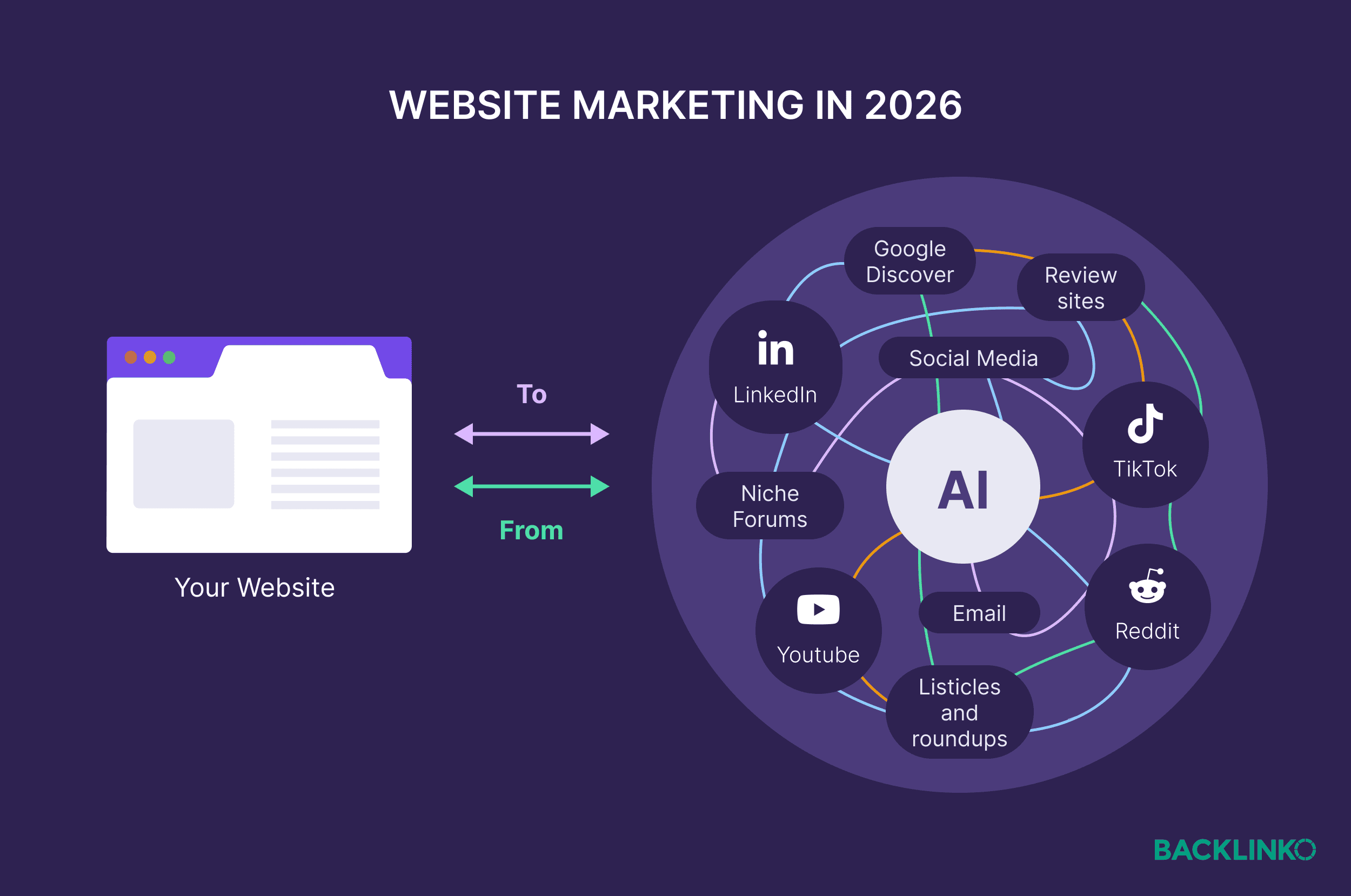
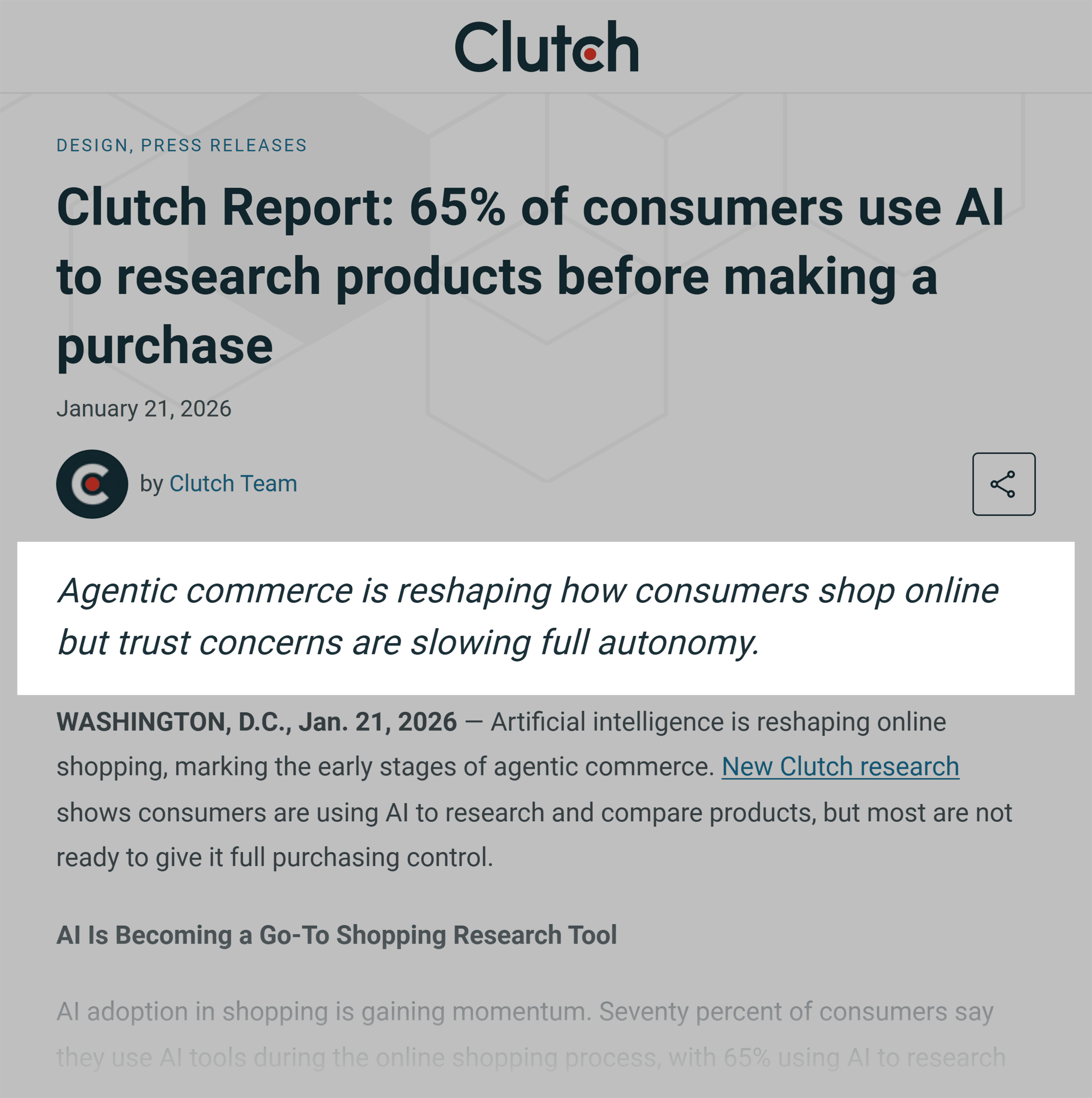
Industry data indicates that over 65% of modern buyers now utilize artificial intelligence tools, peer-to-peer discussion forums, and social media platforms to conduct exhaustive preliminary research before ever visiting a brand’s official website. Consequently, consumer perceptions, brand credibility, and purchase intent are largely formulated across third-party ecosystems long before an initial site visit occurs. This paradigm shift requires brands to rethink their visibility strategies, ensuring that their digital footprint is robust, credible, and meticulously maintained across the entire decentralized web.
The Evolution of the Consumer Journey and AI Integration
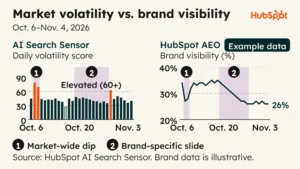
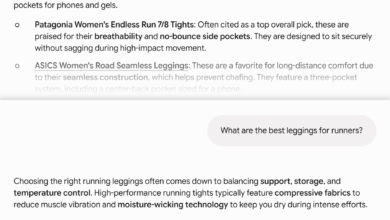
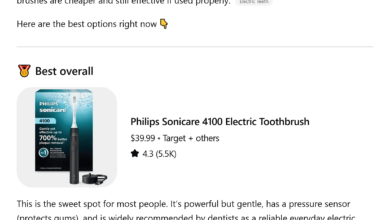
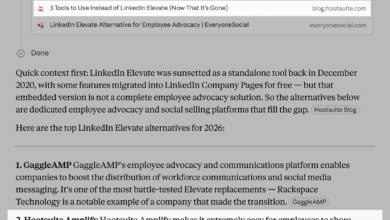
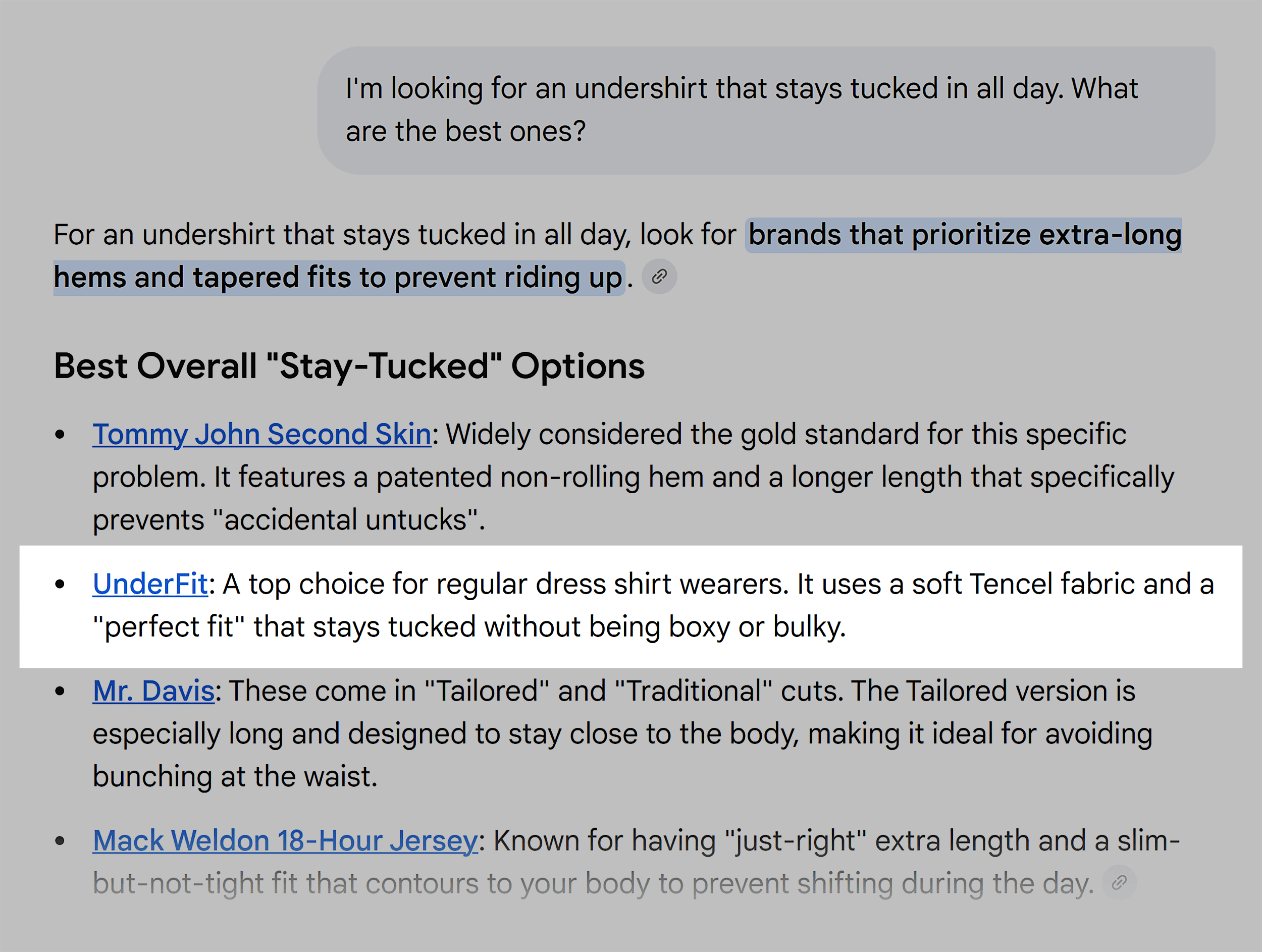
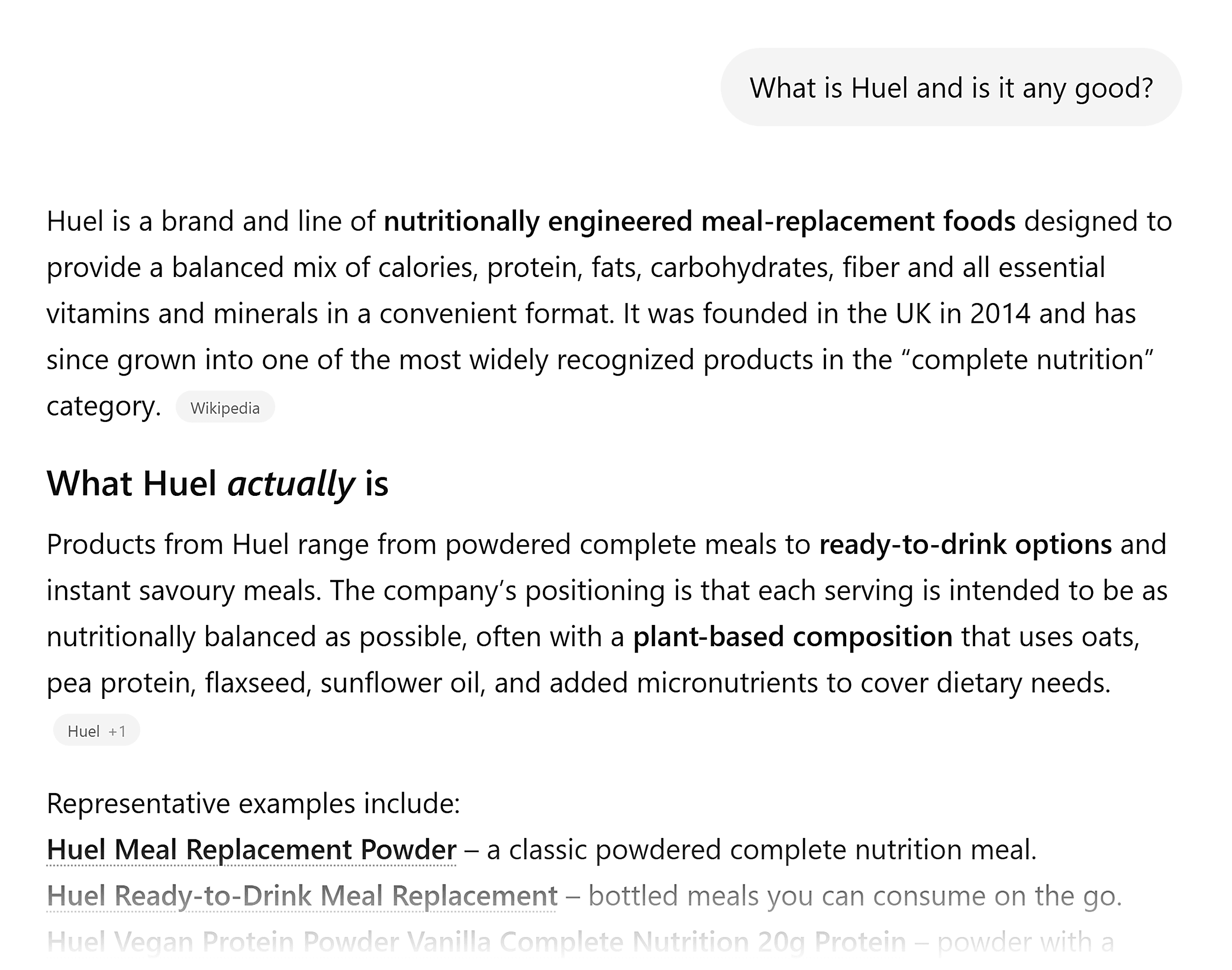
The rise of generative search and large language models (LLMs) has transformed how prospective customers discover and evaluate products or services. When a user queries an AI assistant regarding a specific software solution, financial product, or ecommerce good, the underlying model synthesizes information from a decentralized network of reviews, Reddit threads, news articles, and social media mentions. If a brand lacks a strong, consistent narrative across these external touchpoints, it risks complete exclusion from AI-generated recommendations.

To navigate this environment successfully, marketing executives and brand strategists must engineer how the wider internet describes their business. This process begins with a standardized brand messaging strategy—a centralized document that explicitly defines a company’s core positioning, unique value propositions, and primary problem-solving capabilities. By ensuring that internal teams, external partners, and brand advocates consistently use unified terminology, companies reinforce specific brand associations in human memory and large language model training data alike.
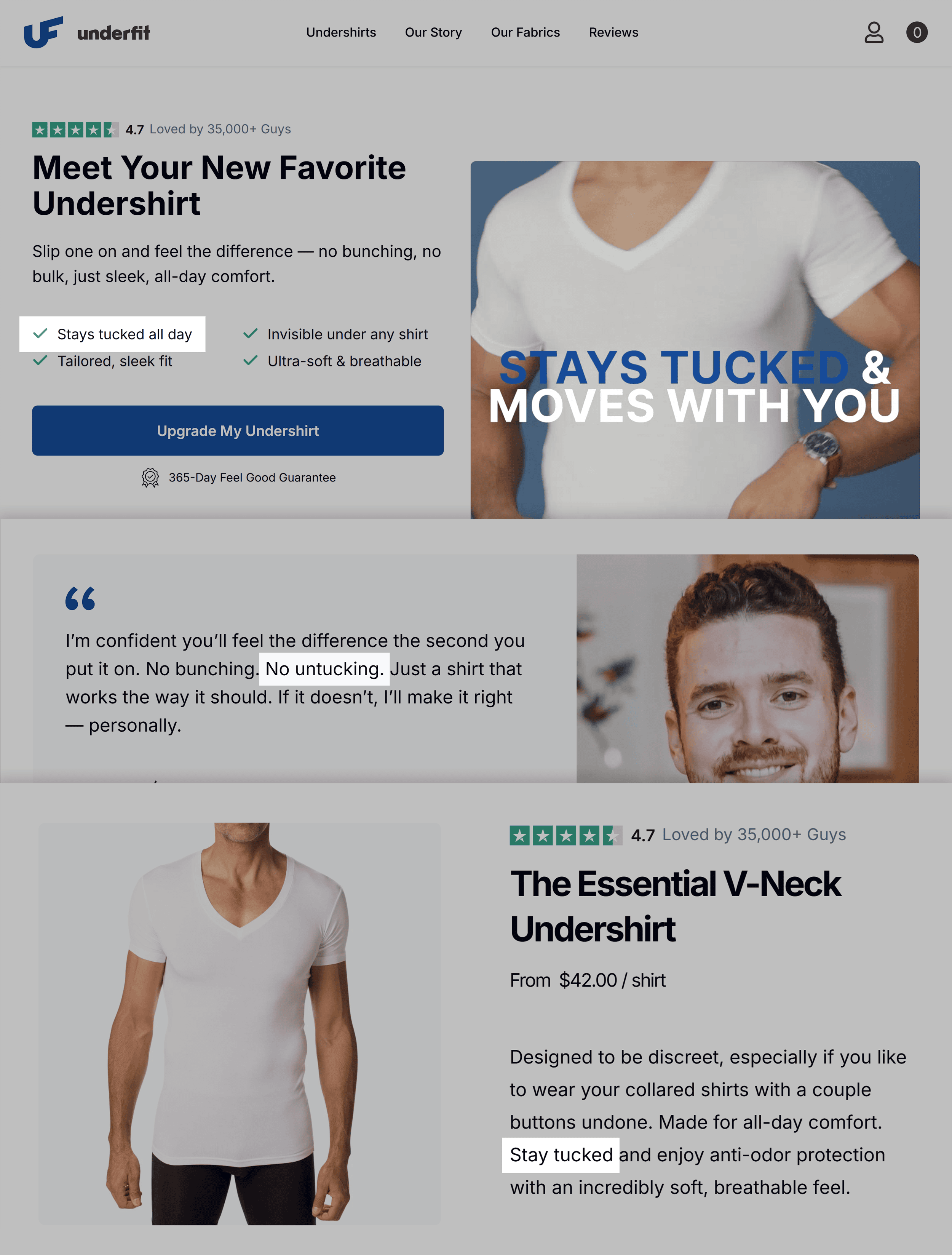
For example, successful ecommerce brands have mastered the art of repeating specific product benefits across multiple digital channels. When consumer reviews, third-party roundups, and official product pages universally highlight a distinct feature—such as an undershirt maintaining its tuck throughout an entire workday—AI search engines rapidly associate that attribute with the brand name. Consequently, when users prompt LLMs for specific product recommendations, these optimized brands naturally surface in the curated output.
Structural Optimization for Human and Machine Parsing
While establishing visibility across third-party platforms is critical, a brand’s website must still act as the ultimate conversion hub. However, website architecture must now satisfy two distinct audiences: human visitors seeking immediate clarity and AI systems attempting to parse and index semantic data.
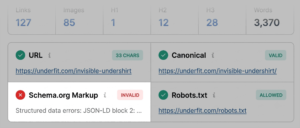
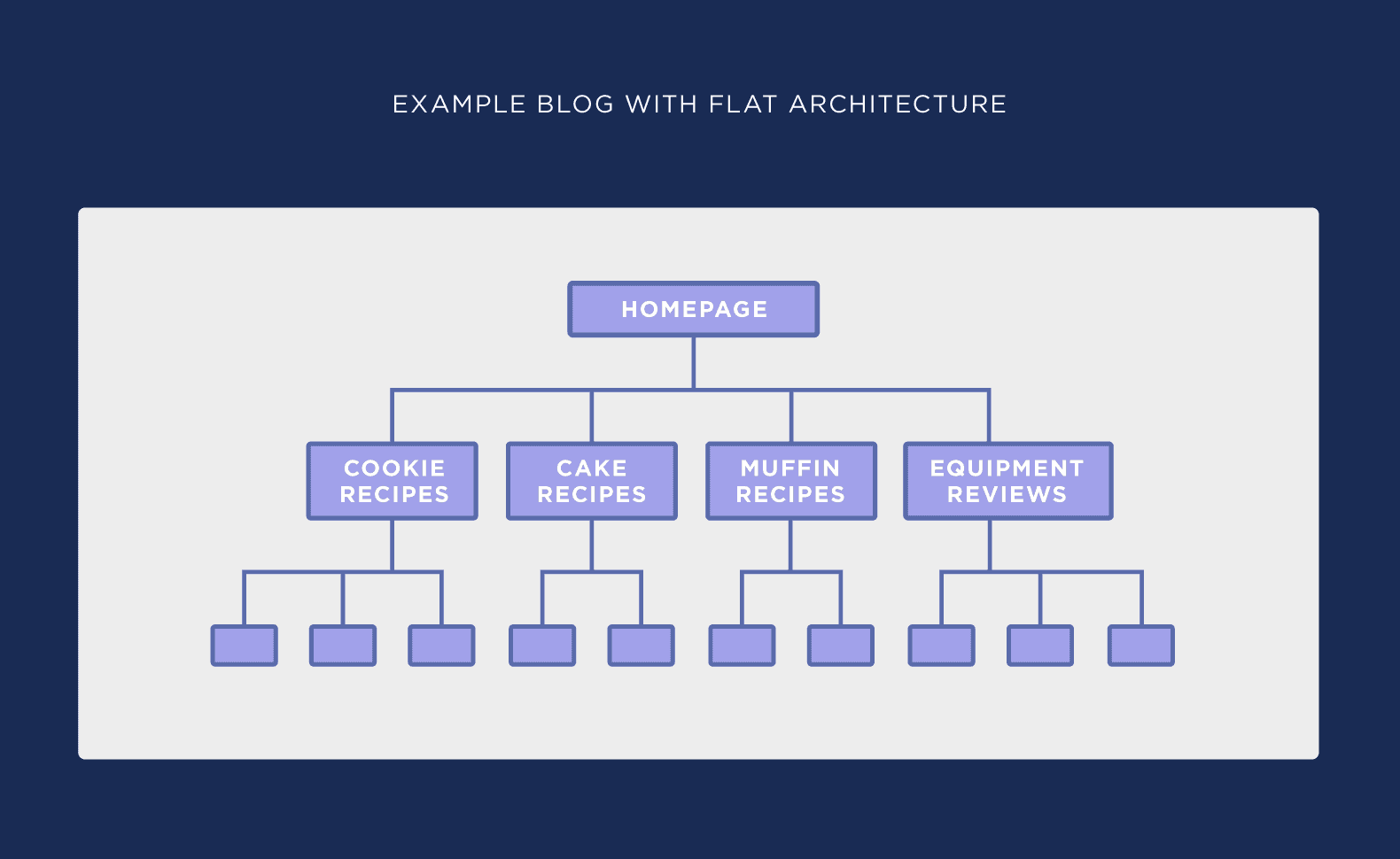
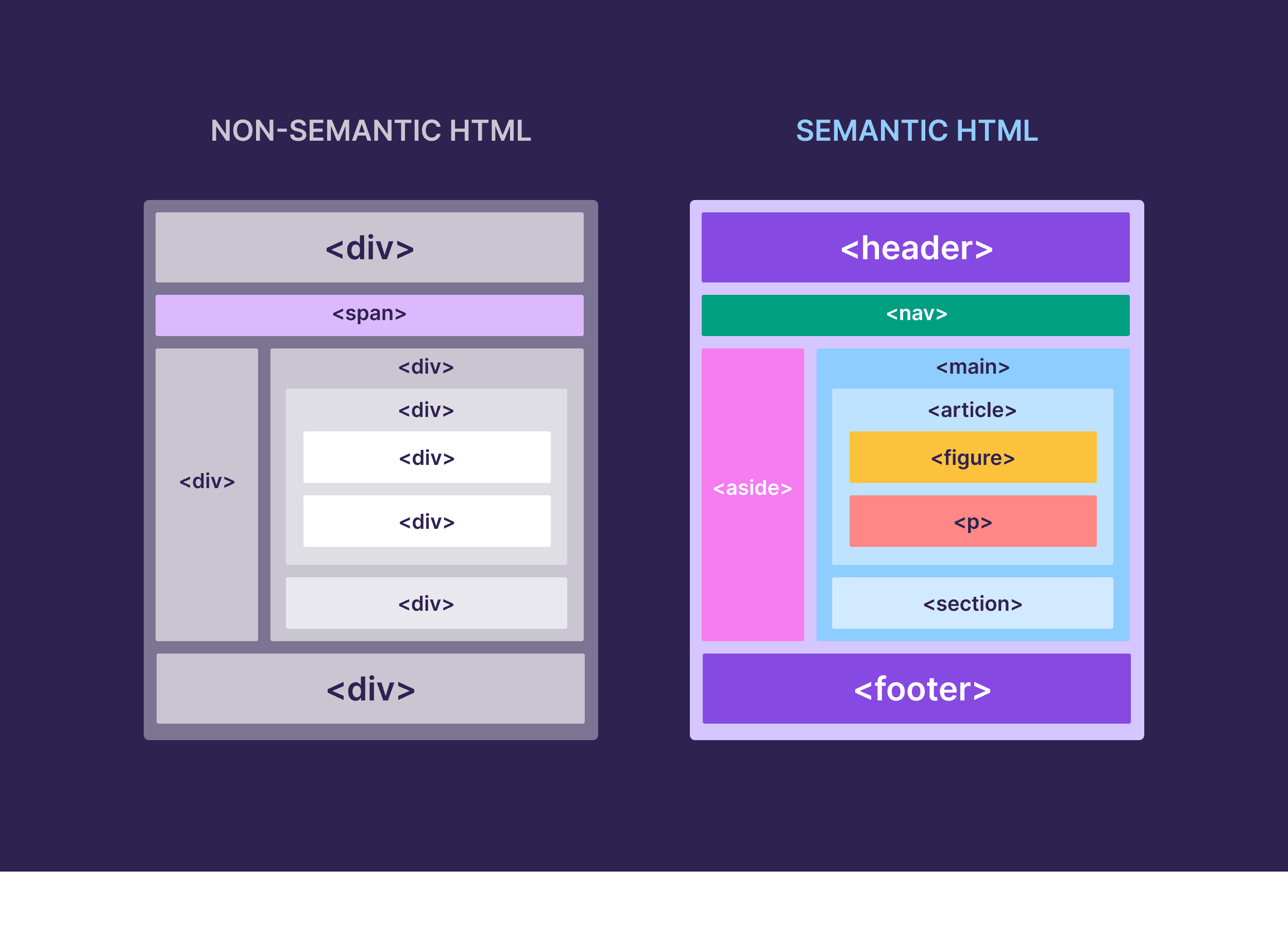
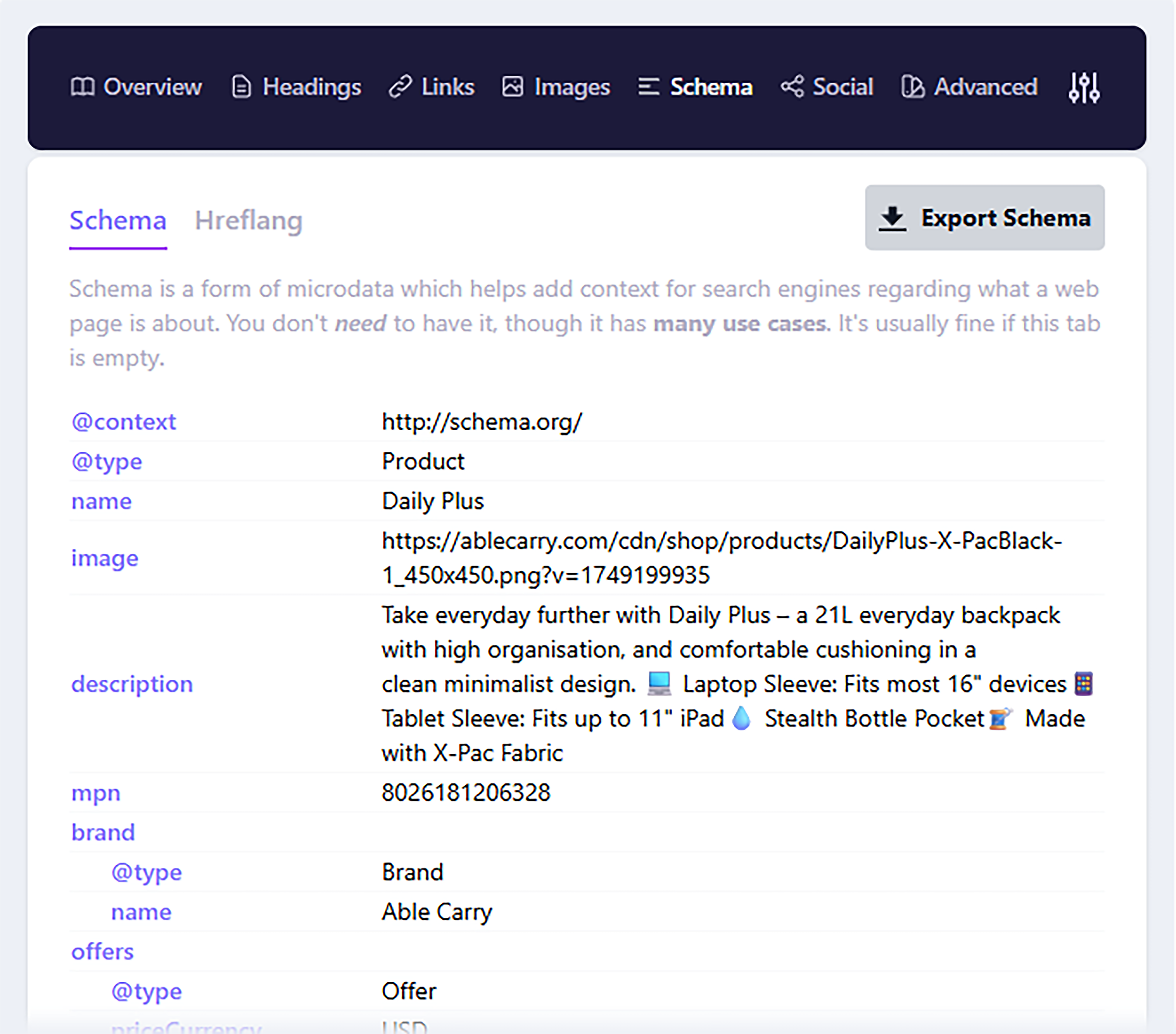
Modern website optimization demands clean, logical information architecture with a flat hierarchy, ensuring that critical pages are easily accessible within a few clicks from the homepage. Furthermore, web developers must implement semantic HTML tags, robust schema markup, and clear content hierarchies. These technical elements provide explicit signals to search crawlers and AI models regarding the organization and contextual relevance of webpage content.
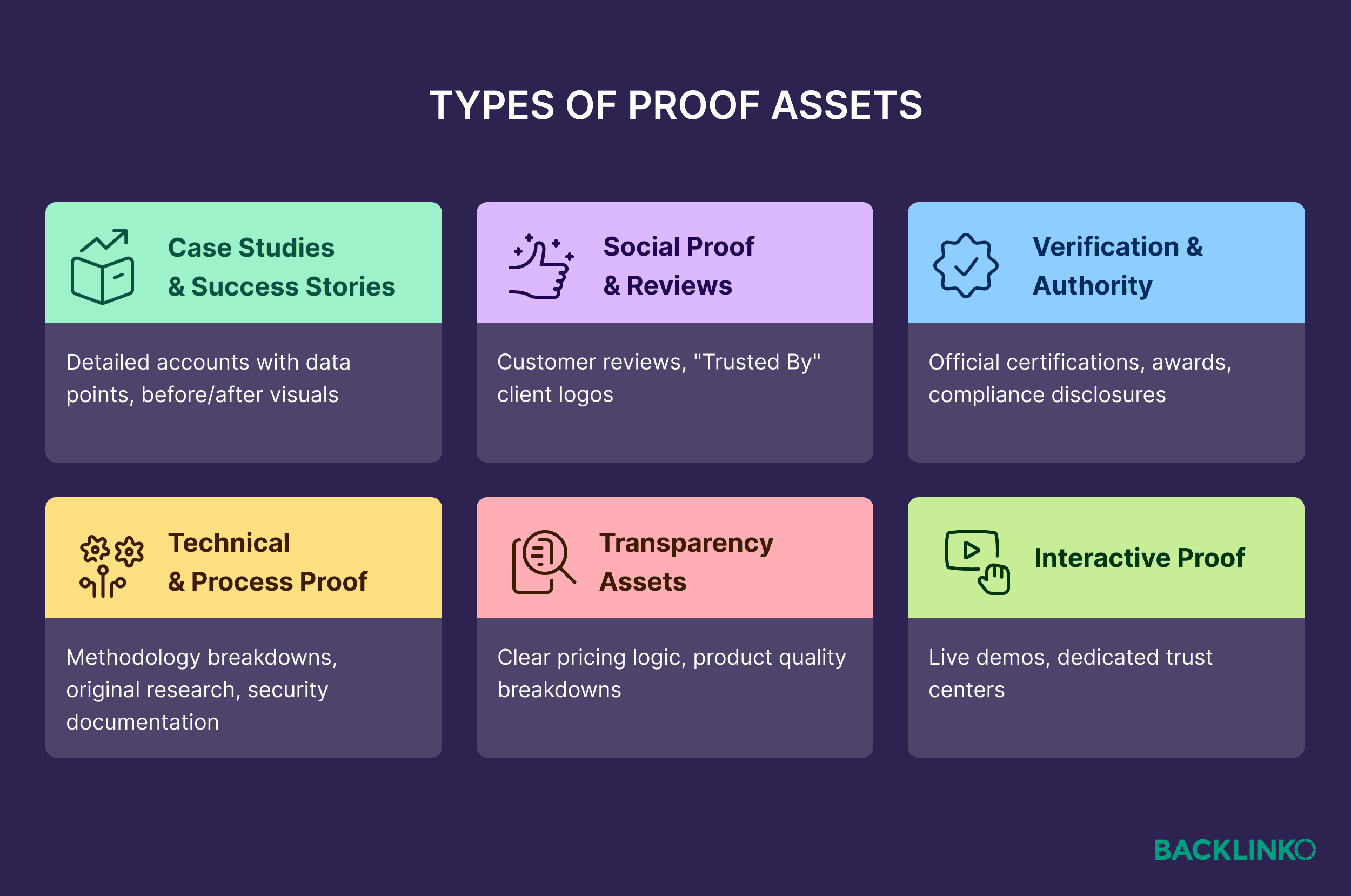
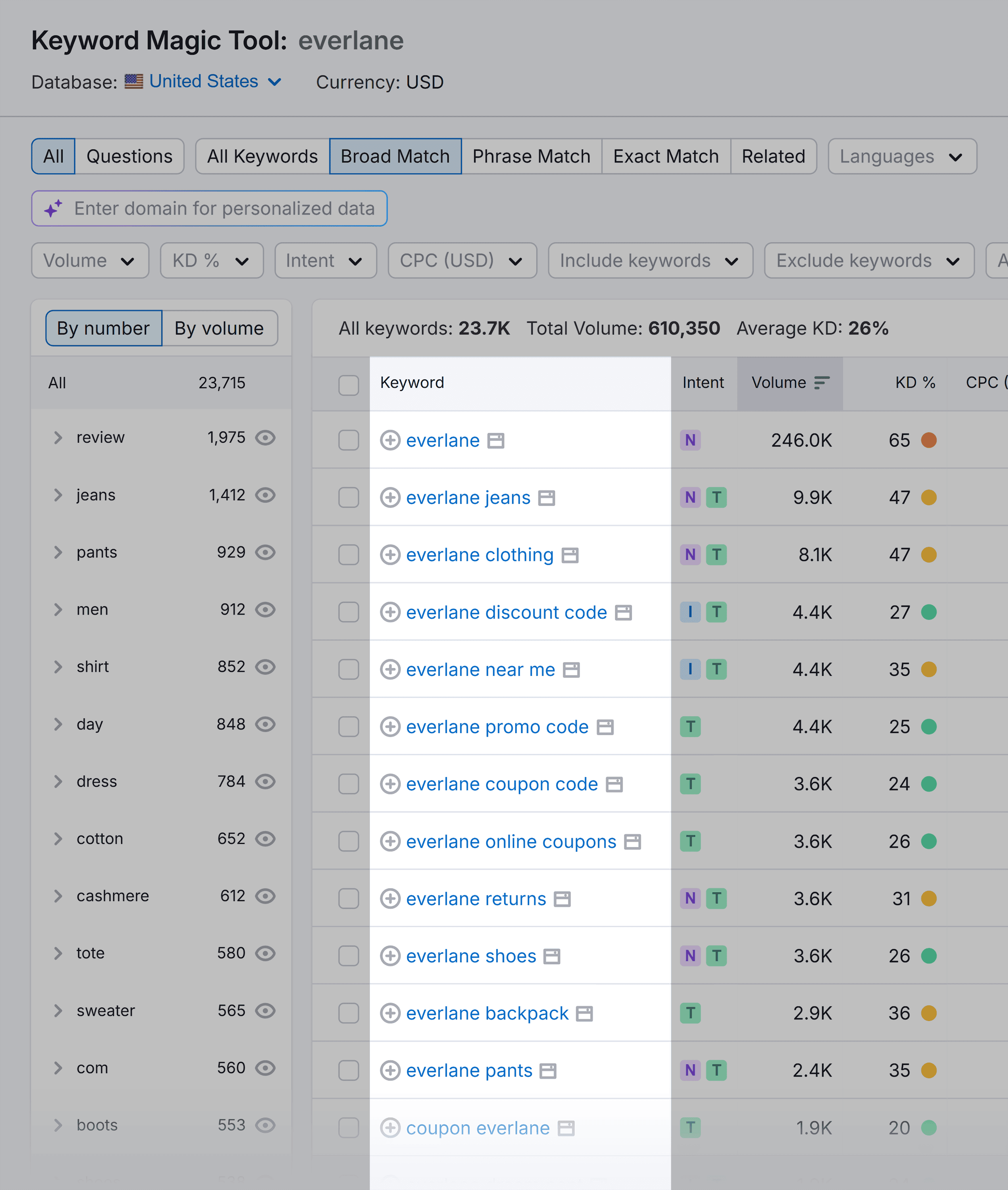
In addition to technical structuring, brands must prioritize the publication of verifiable proof assets. Depending on the industry, these assets vary significantly. Software-as-a-Service (SaaS) providers rely heavily on transparent uptime data, rigorous security documentation, and measurable customer case studies. Conversely, consumer goods brands find success by prominently featuring detailed product quality metrics, transparent return policies, and authenticated user reviews. Aligning these assets with frequent consumer inquiries—often identified through keyword research tools and search engine "People Also Ask" features—mitigates buyer hesitation and accelerates the conversion process.

Expanding Omnichannel Trust Through Video and Social Platforms
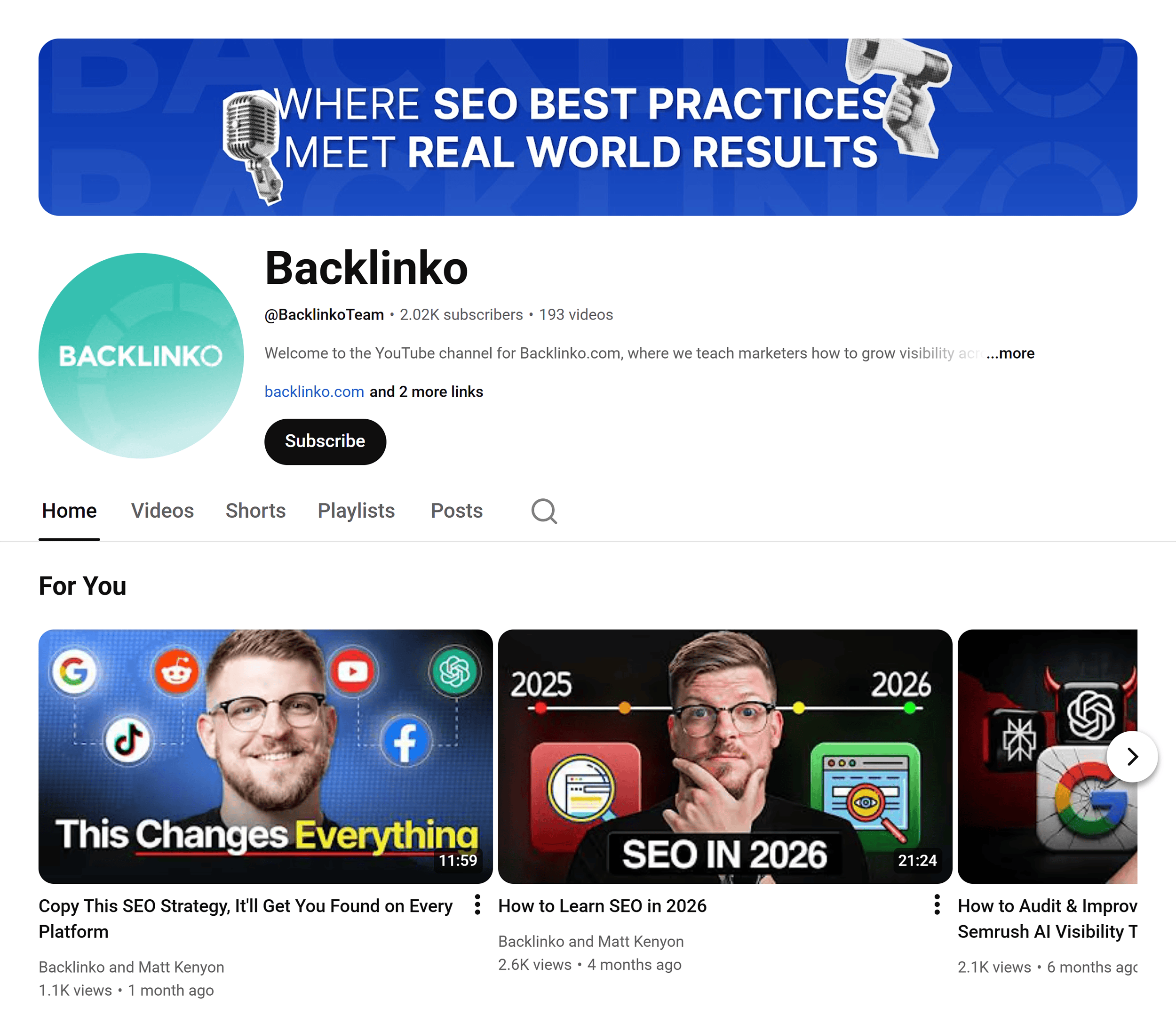
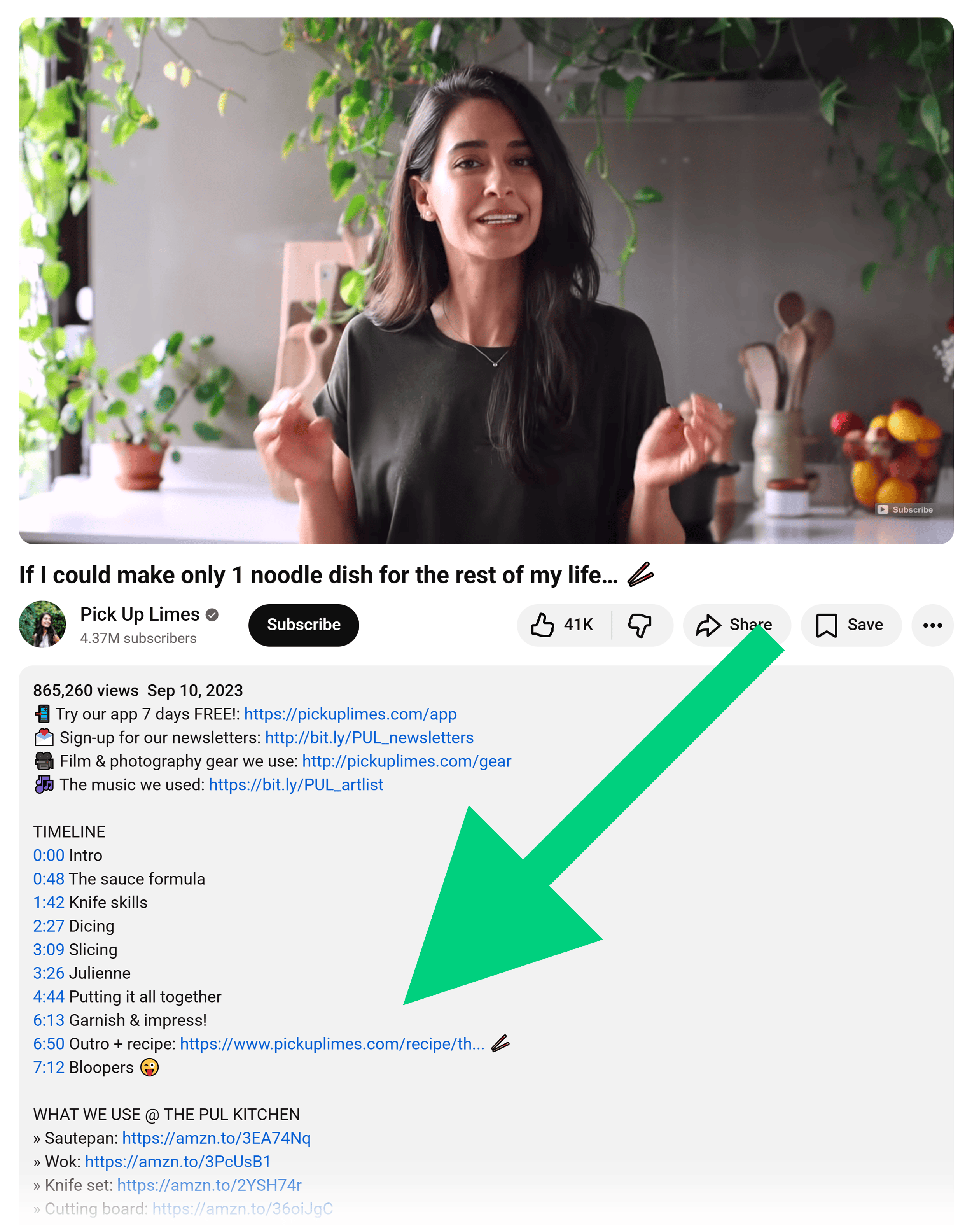
Building trust in a decentralized digital economy requires leveraging media formats that foster genuine familiarity. Video marketing, in particular, bridges the gap between anonymous brand entities and prospective buyers. Long-form video platforms, such as YouTube, serve as powerful educational hubs where brands can demonstrate expertise, address complex buyer hesitations, and provide thorough product evaluations.
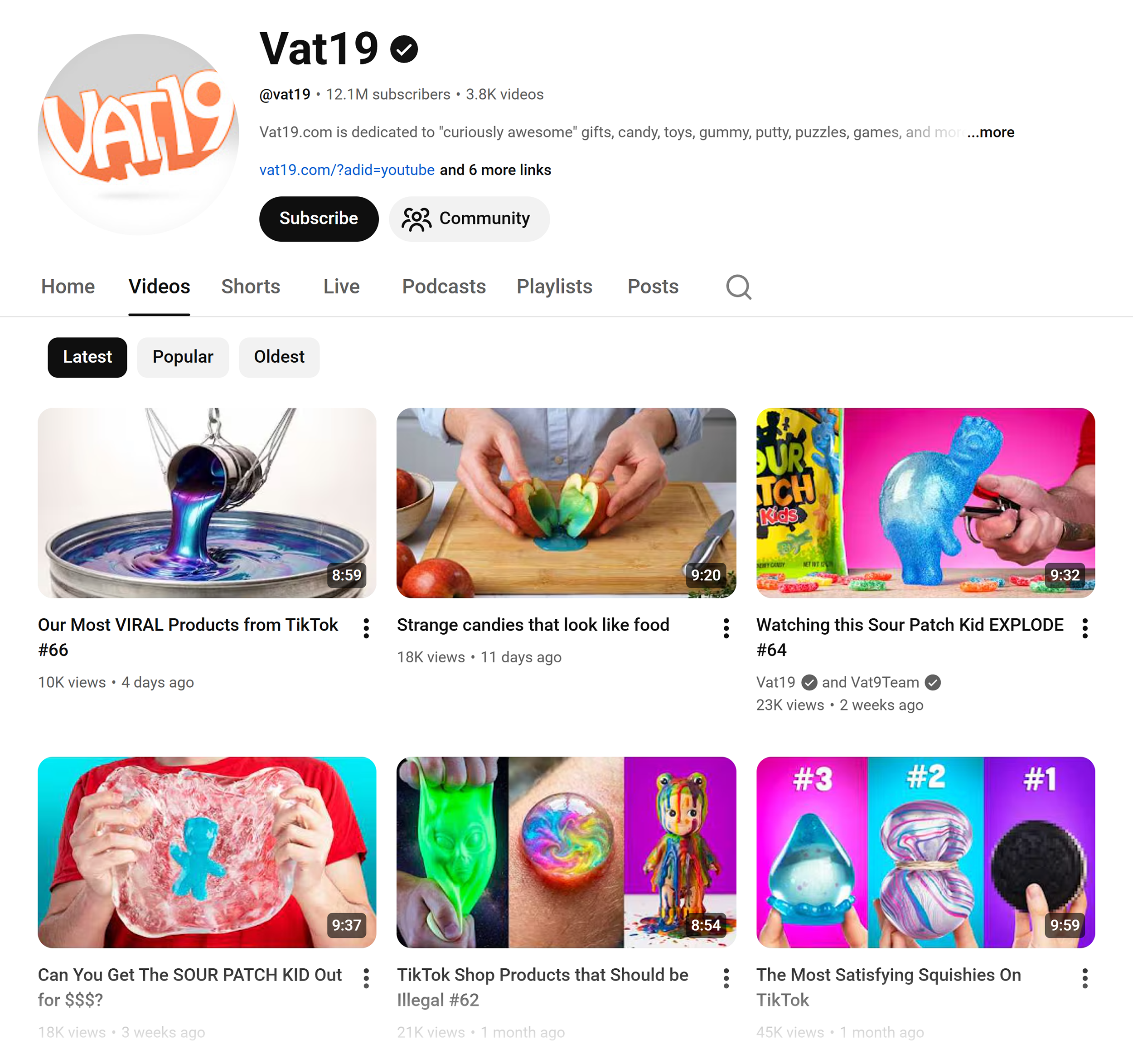
Concurrently, short-form video content across platforms like TikTok, Instagram Reels, and YouTube Shorts enables brands to reinforce recognition through consistent, bite-sized touchpoints. Rather than pursuing high-production cinematic perfection, successful marketing teams focus on responsiveness, utilizing real-time customer questions, sales call insights, and common objections to drive their short-form content calendars. These videos act as top-of-funnel discovery mechanisms that systematically direct high-intent traffic back to the primary website.
Capitalizing on Interest-Based Discovery Feeds
Beyond traditional search queries and AI prompts, platforms like Google Discover have emerged as massive drivers of referral traffic. Google Discover curates personalized content feeds based on individual user browsing histories and expressed interests, presenting articles in a card-based interface that resembles an editorial news feed.
Appearing in Discover requires an indexed webpage, but maintaining consistent traffic spikes hinges on strategic packaging and editorial framing. Content optimized for Discover typically addresses timely developments, industry regulations, or emerging consumer trends, framing topics with clear narrative stakes and compelling headlines. Furthermore, articles must be paired with high-resolution featured images and optimized thumbnail previews to capture user attention within a fast-moving, multi-topic mobile environment.

By analyzing engagement metrics within Discover feeds, content creators can refine their editorial approaches, establishing dedicated publishing lanes that capitalize on real-world curiosity and shifting market dynamics.
Conversion Rate Optimization in a Zero-Click Ecosystem
The proliferation of zero-click searches—where users obtain direct answers from search engine snippets or AI summaries without clicking through to an underlying website—places unprecedented pressure on conversion rate optimization (CRO). Because fewer casual browsers arrive at landing pages, the traffic that does convert is typically pre-educated and positioned further down the sales funnel.
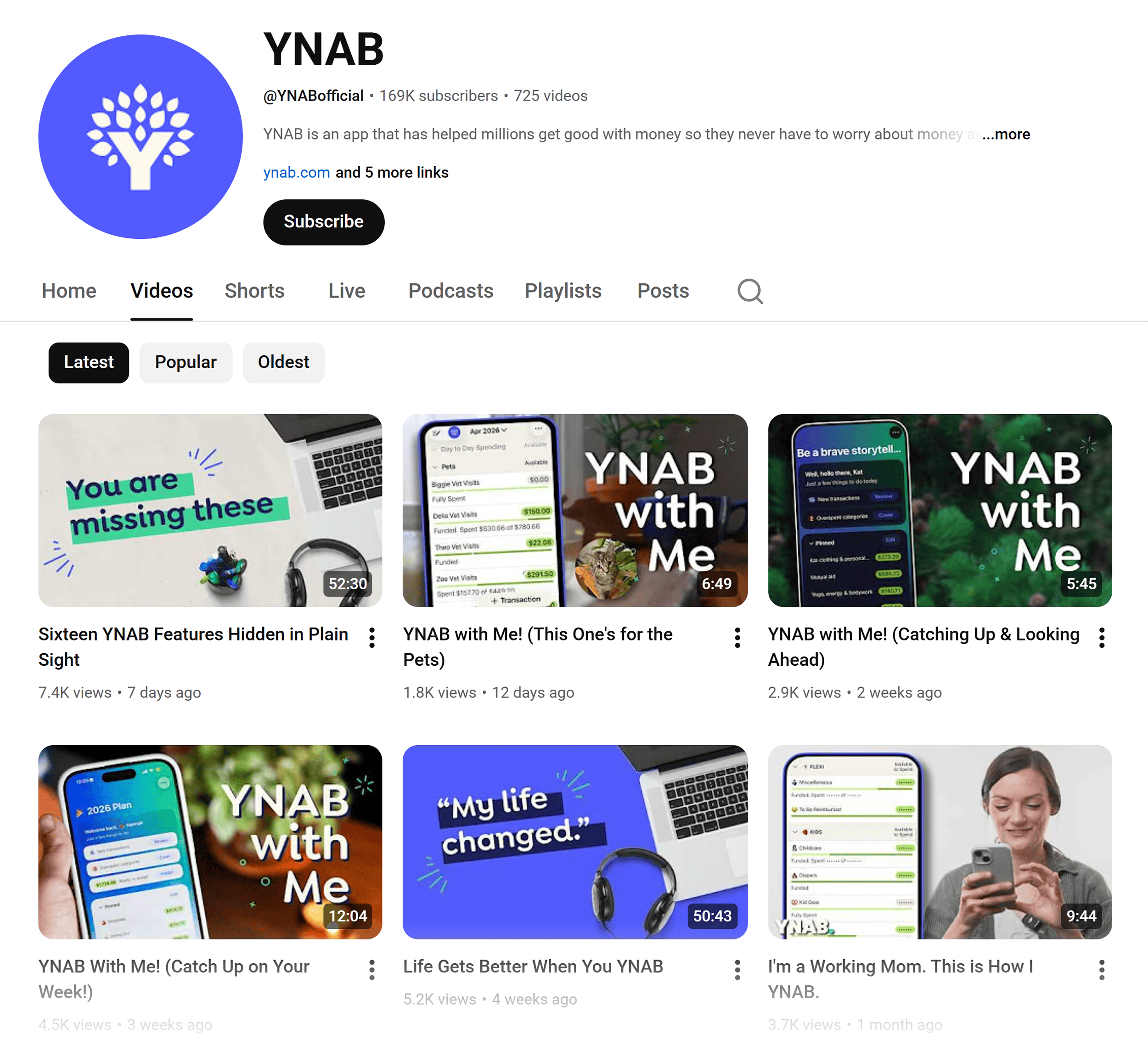
Consequently, website owners must rigorously audit their digital properties to eliminate friction and anxiety. Friction manifests as structural impediments, such as slow page load speeds, convoluted navigation, or complex checkout flows. Anxiety arises from psychological hesitation, often caused by unclear pricing, inadequate trust signals, or a lack of security assurances. By streamlining high-intent pages—such as product catalogs, pricing matrices, and demo request forms—businesses maximize their revenue per visitor.
To sustain engagement after a user departs, brands increasingly deploy behavioral email marketing workflows. By tracking on-site actions—such as abandoned shopping carts, recurring pricing page visits, or trial sign-ups—companies can trigger automated, highly personalized follow-up emails. Grounded in psychological principles of reciprocity and relevance, these targeted communications address specific user objections and successfully shepherd warm leads back to the point of purchase.
Humanizing the Brand in an Era of Automated Content
As generative artificial intelligence tools flood the digital ecosystem with automated text and media, consumers exhibit a growing preference for authentic human connection. Positioning recognized individuals—whether founders, executives, or subject-matter experts—as the public faces of an organization humanizes the brand and substantially reduces perceived purchasing risk.
Thought leadership initiatives, when championed by visible individuals across professional networks, industry panels, and digital media channels, establish authoritative points of view that influence both human buyers and AI training datasets. When employees actively contribute to niche communities—such as specialized forums, subreddits, and professional networks—by offering genuine support rather than aggressive self-promotion, they build organic goodwill. This bottom-up credibility ultimately translates into higher brand equity, enhanced algorithmic visibility, and sustained commercial growth in an increasingly competitive digital marketplace.