Bambu Lab Expands Beyond 3D Printing with the Launch of the R1 55-Watt CO2 Laser Cutter

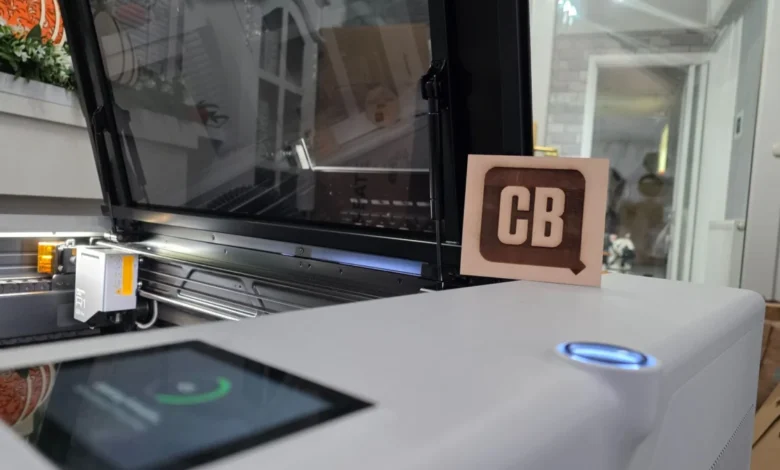
Bambu Lab, a dominant force in the desktop manufacturing and 3D printing sector over the past five years, has officially announced its first standalone product entirely outside of the 3D printing ecosystem: the R1 55-watt CO2 laser cutter. Priced at $2,499 / £2,249 / €2,499 / AU$3,849 for the base unit, the R1 represents a strategic expansion into the standalone laser engraving and cutting market, directly challenging established competitors such as xTool.
Industry analysts view the move as a natural progression for the company, which has spent the last half-decade capturing significant market share by streamlining complex consumer hardware. While previous iterations of Bambu Lab hardware—such as the modular H-series 3D printers—incorporated hybrid toolheads capable of light laser cutting and vinyl blade plotting, the R1 is engineered from the ground up as a dedicated, high-performance commercial-grade desktop laser system.
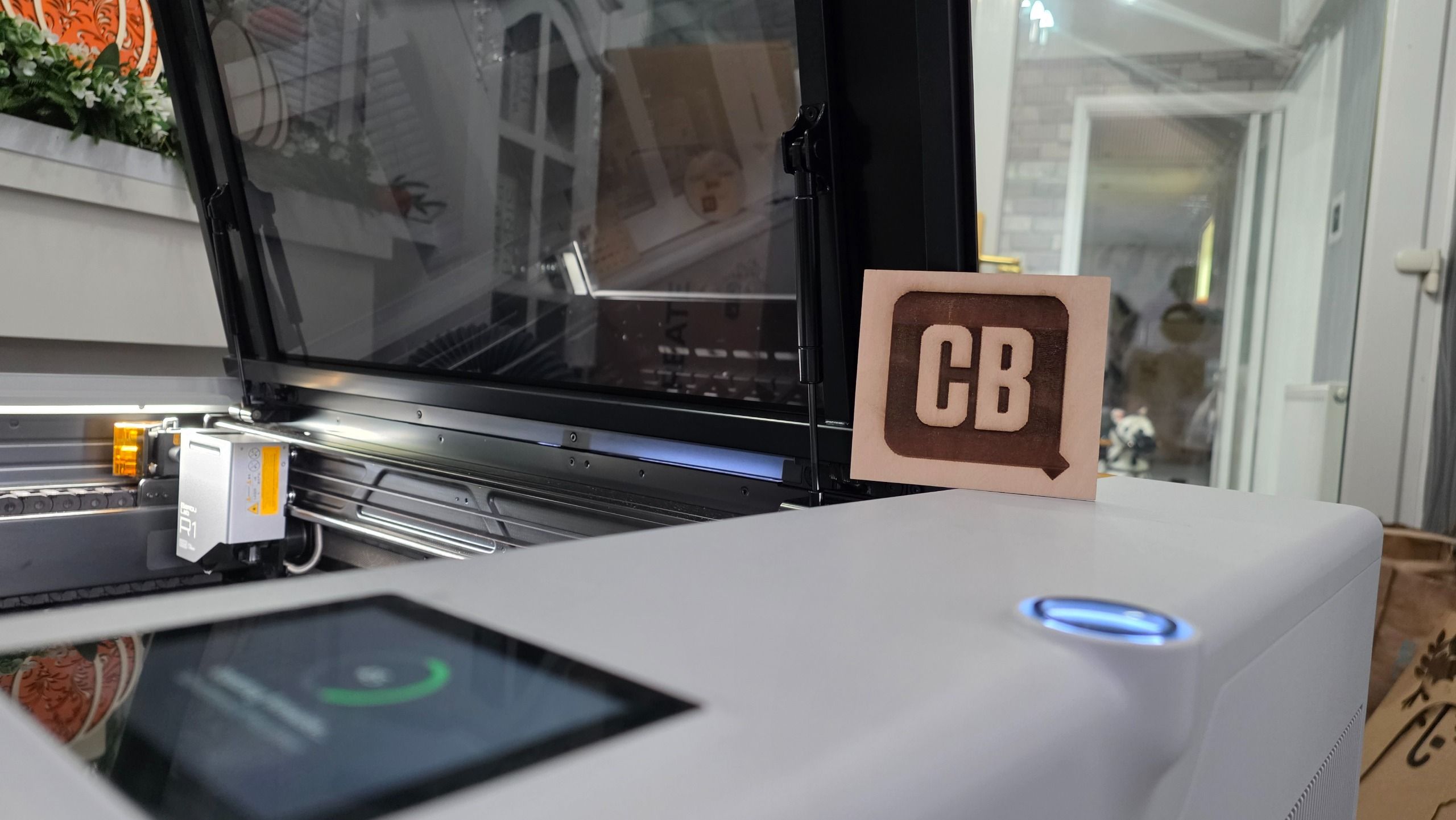
Core Specifications and Capabilities
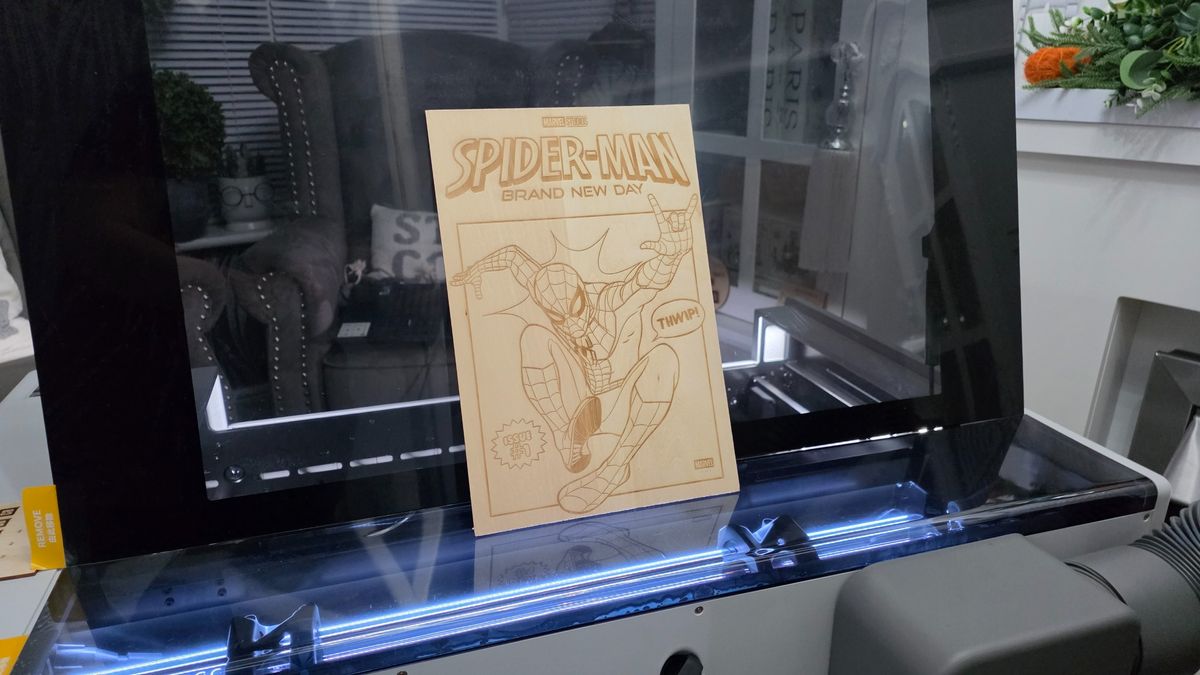
The R1 is built around a 55-watt CO2 laser tube, positioning it as a powerful mid-tier machine capable of processing a diverse array of materials. According to preliminary technical data and beta-testing reports, the system cleanly cuts through organic and synthetic media including wood, clear acrylic, leather, paper, and fabric. Furthermore, its raster engraving capabilities extend to harder substrates such as glass, stone, and specially coated metals.
The machine features a native internal working area of 600 by 300 millimeters, cleverly optimized to accommodate two standard sheets of maker-standard basswood plywood side-by-side. Despite its substantial internal workspace, Bambu Lab has engineered the chassis to maintain a smaller overall footprint than many legacy CO2 systems, reportedly occupying roughly one-third less spatial volume than traditional machines with equivalent bed sizes. For larger, furniture-scale projects, the manufacturer offers an optional conveyor attachment—sold separately—that expands the maximum working length up to 3,000 millimeters.
Innovative Optical Alignment and Automation
Historically, one of the primary barriers to entry for CO2 laser cutters has been the arduous maintenance required to keep the optical mirrors aligned. Traditional machines demand manual calibration, often requiring operators to apply thermal paper over mirror mounts, fire test pulses, and manually adjust physical screws until the laser beam path is perfectly centered.
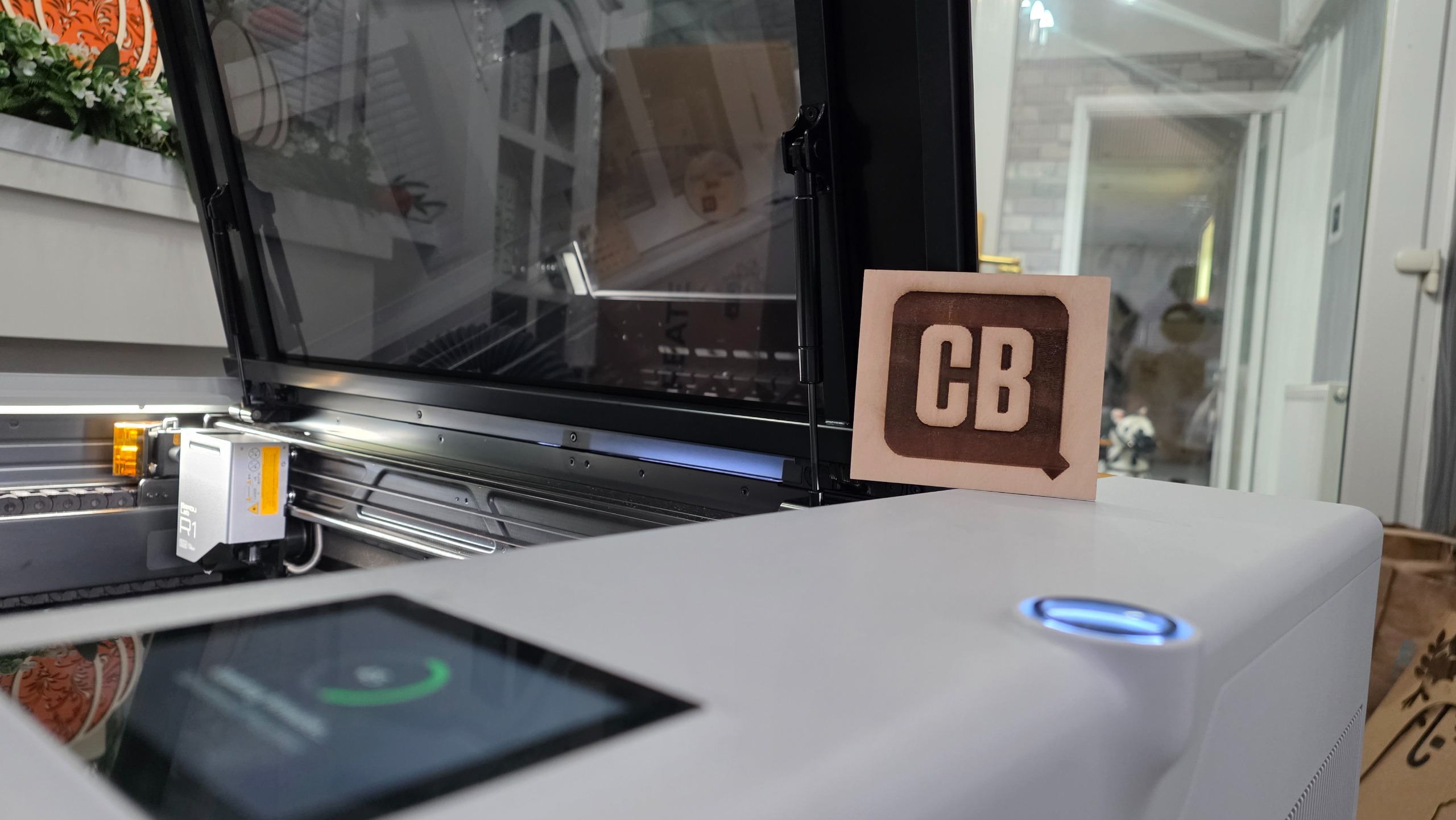
The Bambu Lab R1 addresses this operational friction point directly with its proprietary TriSense System. This automated optical alignment suite detects material placement, calculates surface height topography, and maps the precise toolhead path via a streamlined, one-touch interface.
To ensure long-term durability and counter mechanical drift over extended periods of heavy use, the system supports an optional Vision Encoder calibration board. This accessory periodically measures and automatically corrects micro-shifts in the gantry and mirrors, reducing downtime and lowering the technical skill floor traditionally required to maintain a CO2 laser.
Software Integration and Ecosystem Continuity
A cornerstone of Bambu Lab’s rapid ascent in the consumer hardware space has been its intuitive software and tightly integrated ecosystem. The R1 continues this philosophy by utilizing an interface heavily modeled after the company’s existing 3D printer touchpads and mobile applications. Users familiar with the Bambu Handy app can link the R1 within minutes, allowing for seamless remote status tracking.
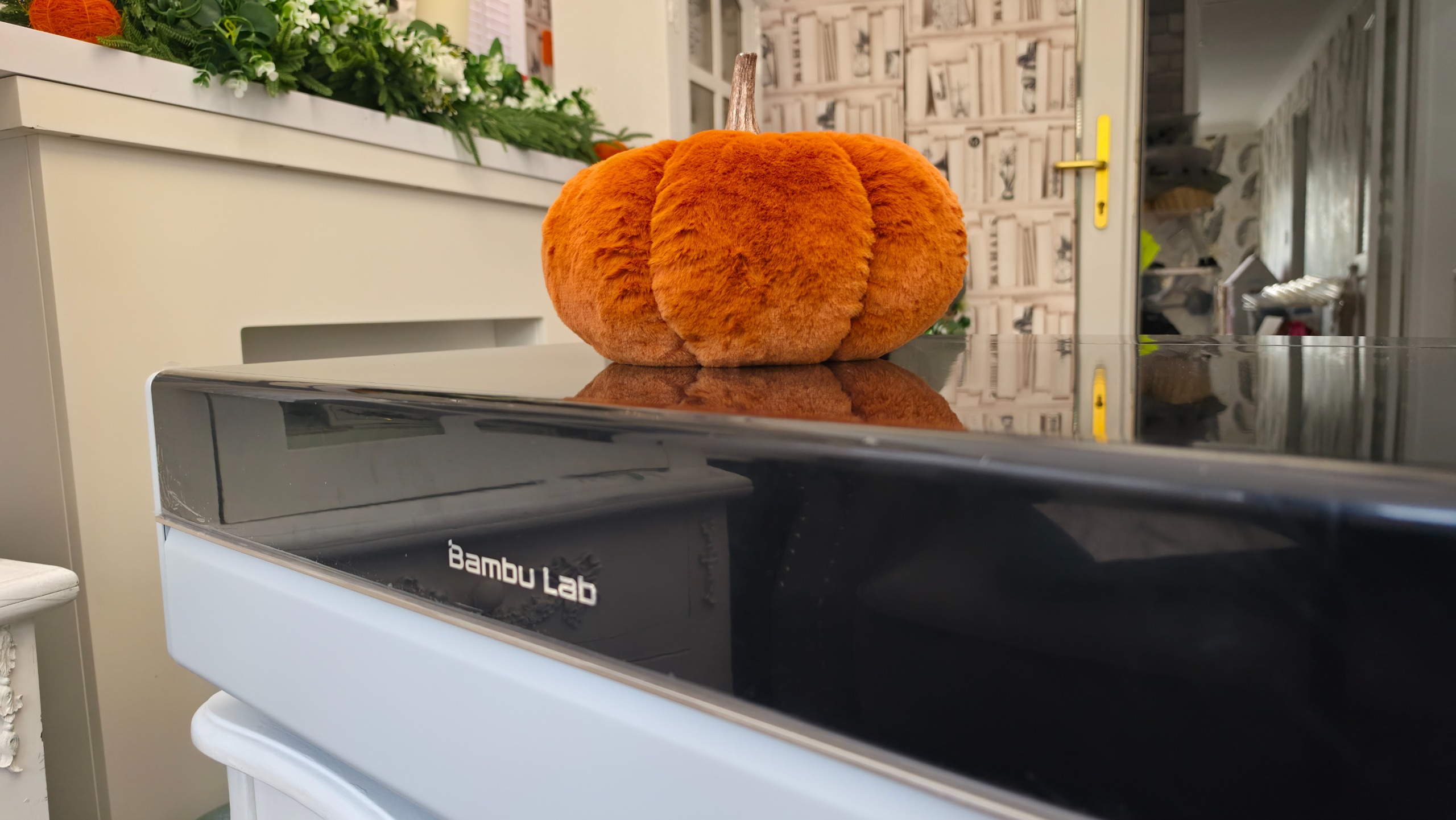
Rather than running on the familiar Bambu Studio slicing software used for additive manufacturing, the R1 operates via Bambu Suite—a dedicated desktop application provided free of charge, with no subscription tiers or artificial intelligence credit paywalls. The software includes built-in raster-to-vector tracing engines and automated background removal tools, allowing designers to convert standard raster images into cutting-ready vector paths (SVGs) in seconds.
However, the software suite currently lacks native mobile or tablet applications, restricting deep file preparation to desktop environments. Additionally, while the machine includes a top-mounted "BirdsEye" camera to assist with precise on-bed design placement, it does not currently support live video streaming or remote visual monitoring of active jobs via mobile apps. Consequently, standard safety protocols dictate that operators remain in close physical proximity while the laser is actively running.
Safety Engineering and Certifications
Safety compliance is a critical factor for desktop laser systems entering residential workshops, maker spaces, and educational institutions. The Bambu Lab R1 is certified as a Class 1 laser product under international safety standards, meaning the optical radiation is fully contained during normal operation, eliminating the mandatory requirement for operators to wear protective safety goggles.
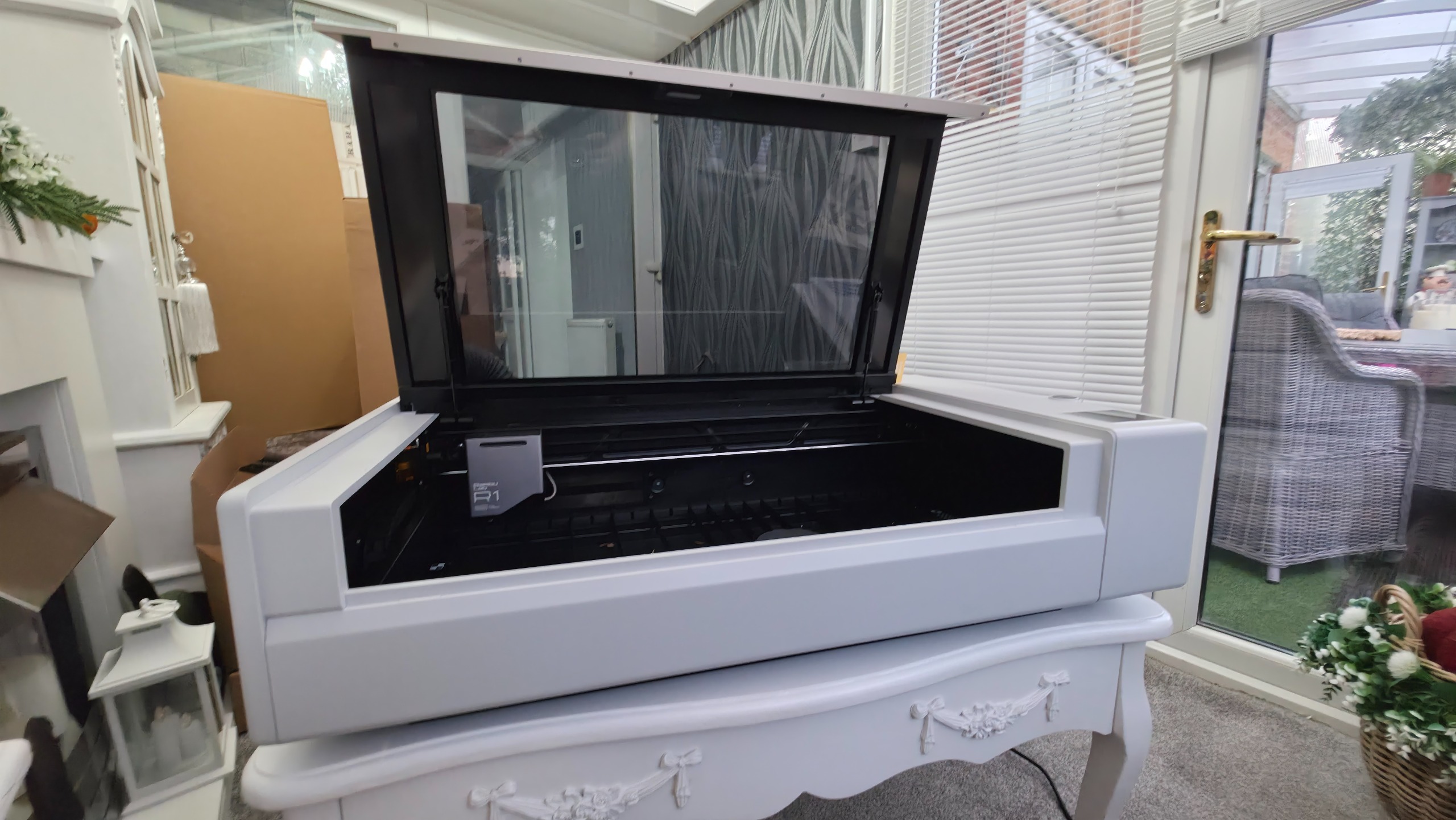
Physical safety measures include:
- An integrated emergency stop button for immediate power interruption.
- Automatic lid-interlock sensors that instantly halt laser emission if the enclosure is opened.
- Built-in flame detection sensors designed to identify localized flare-ups.
- Compatibility with an optional Auto Fire Extinguishing System module for automated suppression.
Market Positioning and Competitive Landscape
The launch price of $2,499 positions the R1 competitively within the desktop CO2 laser market. For comparison, mainstream alternatives such as the xTool P2S entered the market with higher initial manufacturer’s suggested retail prices, often hovering around the $4,299 mark. By undercutting established heavy-duty desktop lasers while offering automated alignment features, Bambu Lab is aggressively targeting both professional prototyping shops and advanced hobbyists.
Market analysts note that the pricing strategy mirrors the disruptive entry the company executed in the 3D printing industry with the launch of the X1 and P1 series. By democratizing features that were previously restricted to expensive industrial units—such as automated path calibration and vision-based alignment—Bambu Lab is applying its hardware manufacturing scale to a new category of digital fabrication tools.
Outlook and Availability
Pre-orders for the Bambu Lab R1 opened immediately following the official announcement, with initial global shipments scheduled to commence in October. The base package includes the core machine and standard accessories, while specialized hardware add-ons—including the Vision Encoder calibration board, the Auto Fire Extinguishing System, and the extended conveyor attachment—are available as separate modular purchases.
As beta-testers conclude their initial evaluations and full commercial reviews emerge, the broader market implications will become clearer. If the R1 matches the reliability and user satisfaction of Bambu Lab’s printer lineup, it could fundamentally shift consumer expectations for what a mid-tier desktop laser cutter should cost and how easily it should operate.