Samsung Gallery to Replace OneDrive Integration With Native Google Photos Sync

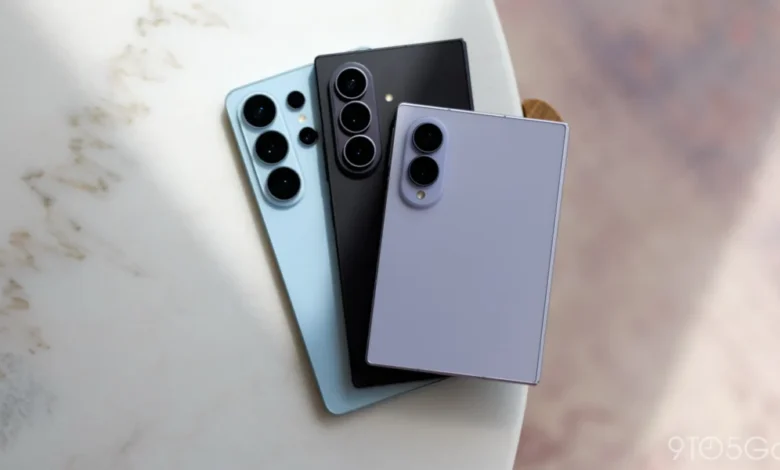
Samsung is set to bridge a significant functional gap for its Galaxy user base by introducing native Google Photos integration within the Samsung Gallery app. This strategic shift follows the company’s decision earlier this year to sunset its long-standing synchronization partnership with Microsoft OneDrive. For months, Galaxy users have faced a fragmented experience, lacking a first-party, cloud-native backup solution integrated directly into their primary photo management interface. The incoming update marks a return to a seamless, automated cloud backup ecosystem, albeit one that shifts from Microsoft’s ecosystem to Google’s widely adopted storage platform.
A Timeline of the Transition
The transition away from OneDrive was initiated by Samsung in the first half of 2026. After years of close collaboration that saw OneDrive serve as the default cloud storage repository for Samsung’s media files, the company began notifying users that the native sync functionality would be deprecated. This decision forced millions of users to either manually export their media, rely on third-party cloud solutions like Amazon Photos or Google Photos, or lose the convenience of automatic, device-agnostic backups.
The official sunset date for the legacy OneDrive integration in the Samsung Gallery app is September 30, 2026. With this deadline looming, the urgency for a native replacement became a top priority for Samsung’s software engineering teams. The emergence of the new "Sync with Google" feature, discovered within the latest iterations of the "Gallery Cloud Sync" and "Samsung Cloud" applications, confirms that the manufacturer has opted for a deep-level integration with the Google Photos API rather than developing a proprietary alternative.
The Mechanics of the New Integration
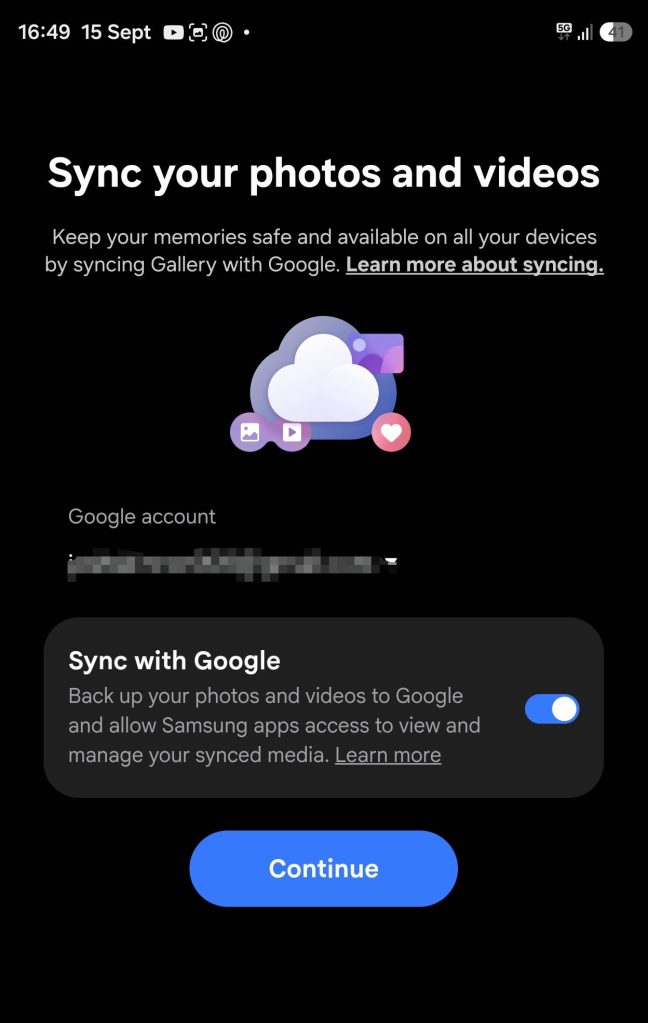
Early previews of the upcoming functionality, documented by tech enthusiasts and independent observers, suggest that Samsung is designing the new system to mirror the depth of the previous OneDrive implementation. The integration is not merely a redirect to the Google Photos app; it is a fundamental shift in how the Gallery app handles storage and synchronization.
Users will be granted granular control over their backup preferences. The interface, as seen in early testing, allows for:
- Selective Syncing: Users can specify which albums and folders are uploaded to Google Photos, preventing the cluttering of cloud storage with unwanted media.
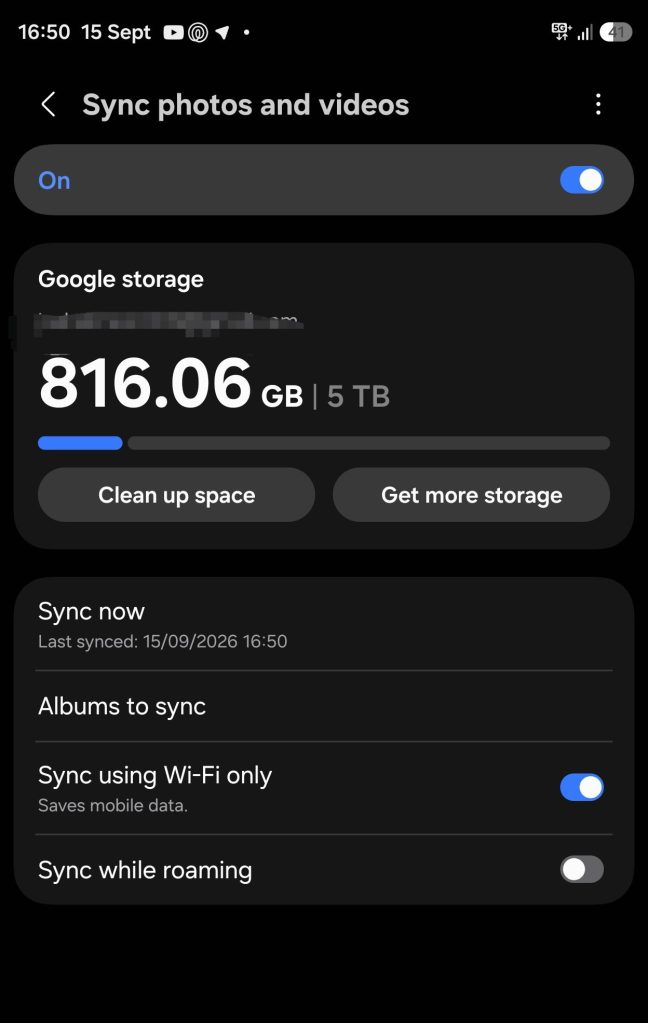
- Condition-Based Synchronization: Similar to previous iterations, the system will likely allow users to toggle sync settings based on network conditions—such as limiting uploads to Wi-Fi only to conserve cellular data.
- Storage Management: The integration provides a direct view of remaining storage capacity within the Samsung Gallery settings menu, removing the need to navigate to separate apps to check subscription status.
While the "Gallery Cloud Sync" service documentation refers to "backing up your precious memories to Google Cloud," industry analysts note that this is a simplified marketing term for the Google Photos infrastructure. This indicates a broader, company-wide alignment between Samsung and Google, aiming to unify the user experience across the Android ecosystem.
Contextualizing the Shift: Industry Trends
The integration of Google Photos into native gallery apps is not a novel concept, though it is a significant step for Samsung. In recent years, Google has been actively working with Android original equipment manufacturers (OEMs) to standardize how third-party gallery applications interact with its cloud services.
In early 2024, OnePlus implemented a similar integration, allowing its users to back up their local galleries directly to Google Photos. Similar developments have been observed among other major players, including Xiaomi, which has leveraged Google’s APIs to offer more robust cloud backup options. For Samsung, the largest global vendor of Android devices, the delay in adopting this feature was largely attributed to the existing, albeit now-defunct, contract with Microsoft.
The shift serves as a validation of Google’s "Photos" platform as the industry standard for Android users. By moving away from a siloed, vendor-specific cloud solution and embracing an ecosystem-wide standard, Samsung is effectively reducing the friction for users migrating between different Android devices.
Strategic Implications for Samsung and Google
The decision to pivot to Google Photos carries several implications for both parties. For Google, the integration secures a massive influx of potential subscribers to its "Google One" cloud storage plans. As users find their free 15GB of shared storage reaching capacity, the convenience of the integrated Samsung Gallery backup is expected to drive higher conversion rates for premium storage tiers.
For Samsung, this represents a shift in its service philosophy. By outsourcing the cloud storage backend to Google, Samsung can reallocate engineering resources previously spent on maintaining the OneDrive partnership and focus on enhancing the local editing and AI-driven organizational features of the Gallery app—such as its "Object Eraser" and "Generative Edit" suites.
However, the transition is not without challenges. Legacy users who have stored years of data on OneDrive are currently facing a migration period. While Samsung has provided tools to facilitate the transition, the logistical burden of moving terabytes of personal media remains a point of friction for power users. The September 30 cutoff date for OneDrive sync creates a hard deadline that requires user intervention, a move that could potentially lead to customer support inquiries as users navigate the shift.
Technical Requirements and Rollout
While the official word from Samsung remains sparse, the technical requirements for the new sync feature are becoming clear. Based on current software packages, the feature requires:
- Updated Gallery Cloud Sync App: A mandatory background update to the core synchronization module.
- Samsung Cloud Patch: A corresponding update to the backend service that manages device-level cloud settings.
- System-Level Firmware Updates: It is highly probable that the full functionality will be gated behind a One UI system update, ensuring that the necessary APIs are properly supported at the kernel level.
The phased rollout approach suggests that Samsung is testing the integration in specific regional markets before a global deployment. Users are encouraged to keep their "Galaxy Store" apps updated, as these individual components (Gallery, Cloud Sync, and Samsung Cloud) are frequently updated outside of the traditional Android system update cycle.
Conclusion: A More Cohesive Android Experience
The integration of Google Photos into the Samsung Gallery represents a pragmatic step toward a more unified Android experience. While the departure from Microsoft OneDrive may have been an inconvenience for some, the adoption of Google’s ubiquitous platform provides a future-proof, stable, and highly functional solution for the vast majority of Galaxy users.

As the industry moves toward deeper integration between hardware manufacturers and software service providers, the lines between "Samsung services" and "Google services" continue to blur. For the end user, this evolution ultimately translates into better data portability, improved reliability, and a more streamlined digital life. With the September deadline approaching, the focus now shifts to how smoothly the migration process will be managed for the millions of users currently relying on the expiring OneDrive infrastructure. Samsung’s ability to execute this transition without significant data loss or service downtime will be the true test of this strategic realignment.