Xiaomi 18 Pro to Feature Advanced Smart Privacy Display Technology Ahead of Official Launch

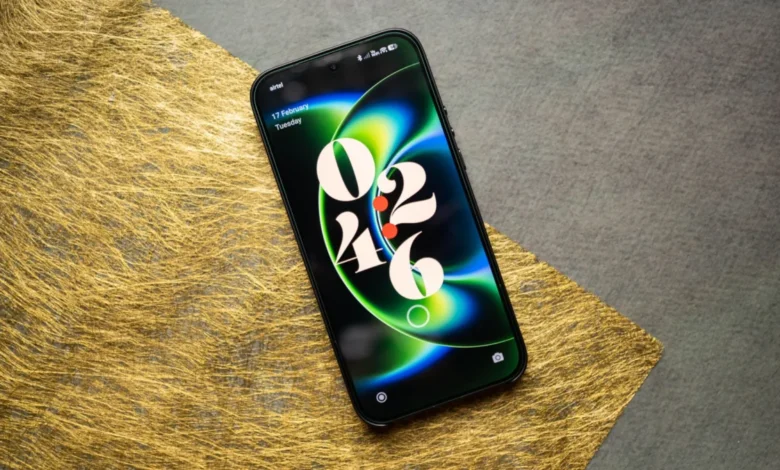
Smartphone security and privacy features are entering a new hardware-driven era, and Xiaomi is positioning itself at the forefront of this evolution. Following its recent confirmation that the upcoming Xiaomi 18 series will incorporate a secondary rear display, the Chinese technology conglomerate has revealed another groundbreaking innovation slated for the Xiaomi 18 Pro: an integrated smart privacy display. This hardware-level feature is designed to protect sensitive user information from prying eyes in public spaces without requiring physical screen protectors or compromising the viewing experience for the primary user.
The announcement, initially teased on the social media platform Weibo, places Xiaomi in direct competition with industry rival Samsung. Earlier this year, Samsung introduced its proprietary Privacy Display technology with the rollout of the Galaxy S26 Ultra. That system leveraged sophisticated hardware adjustments within the display panel to narrow viewing angles, preventing onlookers from reading sensitive content over a user’s shoulder. By bringing a comparable feature to the Xiaomi 18 Pro, Xiaomi is signaling that built-in privacy controls are rapidly transitioning from experimental novelties to standard expectations for high-end flagship smartphones.
Engineering the Smart Privacy Screen: How Xiaomi Differs from Samsung
While the core concept of a hardware-based privacy display mirrors Samsung’s recent engineering breakthroughs, Xiaomi claims its proprietary execution addresses a notable limitation found in competing devices. Historically, activating hardware privacy filters on mobile displays results in a noticeable drop in overall panel brightness, even for the person looking directly at the device. This trade-off often forces users to choose between maintaining optimal screen visibility and safeguarding their personal data.
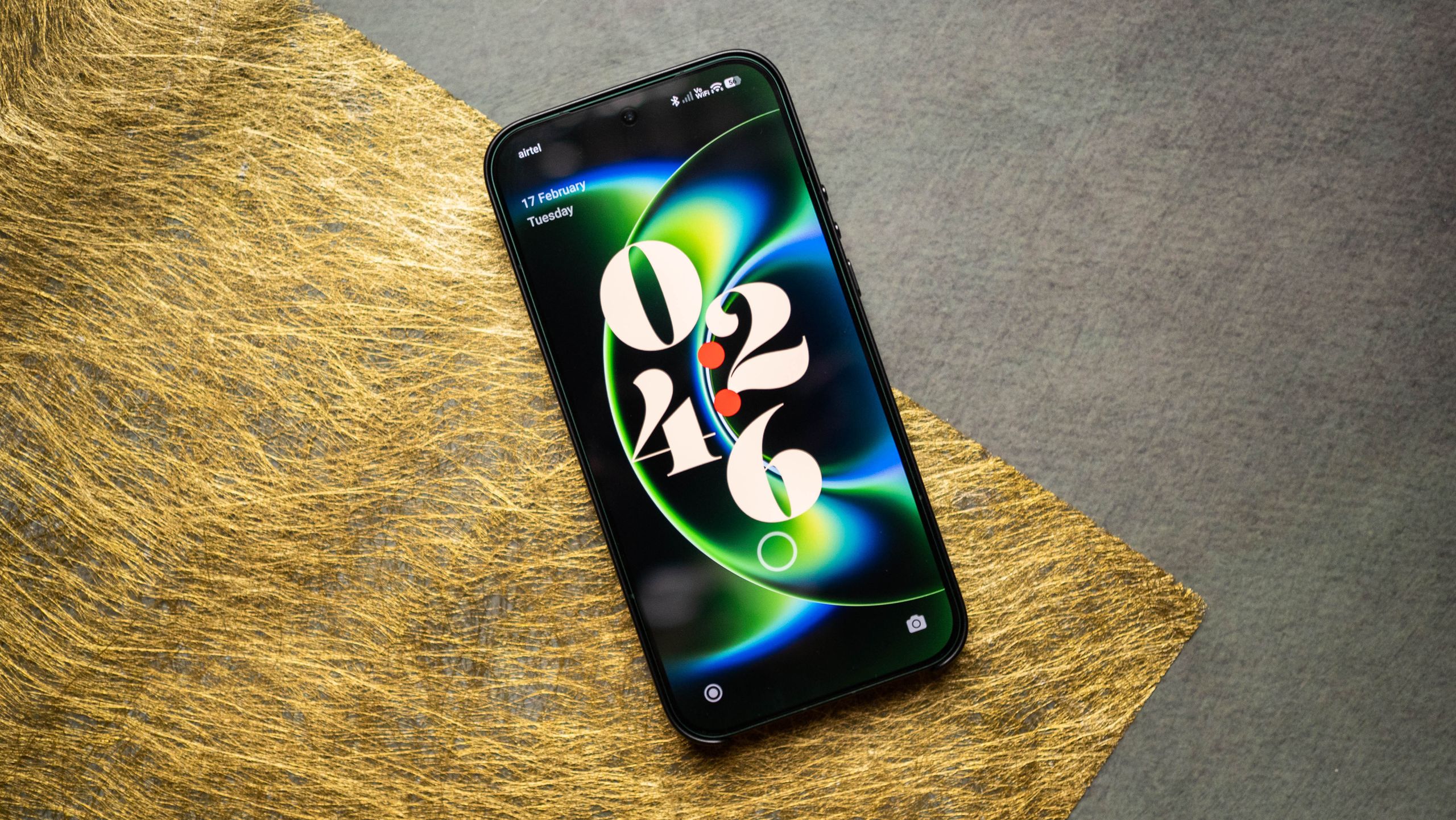
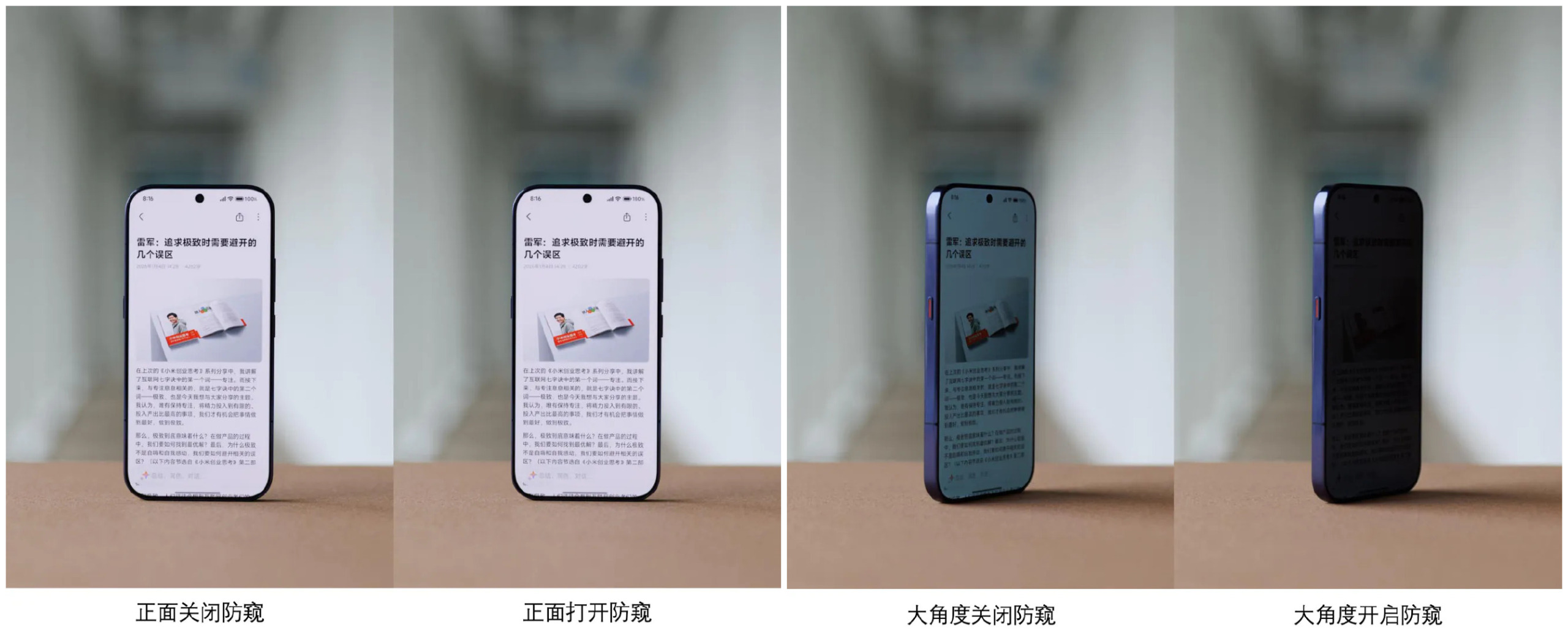
Xiaomi’s engineering team asserts that the Xiaomi 18 Pro overcomes this hurdle by maintaining standard front-on brightness levels even when the smart privacy mode is actively engaged. According to technical specifications shared by the company, the display leverages specialized directional light-emitting sub-pixels. When the privacy function is triggered, the display maintains clear, uninhibited visual fidelity for users positioned directly in front of the screen.
However, the light dispersion shifts dramatically once the viewing angle surpasses a 60-degree threshold. At this point, the panel’s side brightness drops precipitously to approximately 1 percent. To any observer attempting to glance at the screen from an adjacent seat on public transit, a crowded elevator, or a bustling coffee shop, the display appears entirely dark or black. This localized attenuation effectively neutralizes visual hacking—commonly known as shoulder surfing—without penalizing the owner’s viewing comfort.
Contextual Software Integration and Automated Triggers
Hardware capability alone is rarely enough to deliver a seamless user experience, which is why Xiaomi has coupled its advanced panel technology with comprehensive software controls. Much like Samsung’s interface, the Xiaomi 18 Pro software suite allows users to automate when and how the privacy filter engages.
Instead of requiring manual toggles every time a user opens a sensitive application, the operating system can dynamically respond to specific scenarios. For instance, the system is programmed to automatically shield sensitive notifications appearing on the lock screen from lateral views. Furthermore, the feature integrates smoothly with floating windows and multitasking interfaces, ensuring that private messaging applications, banking portals, or confidential work emails remain obscured whenever multi-window views are active in public environments.
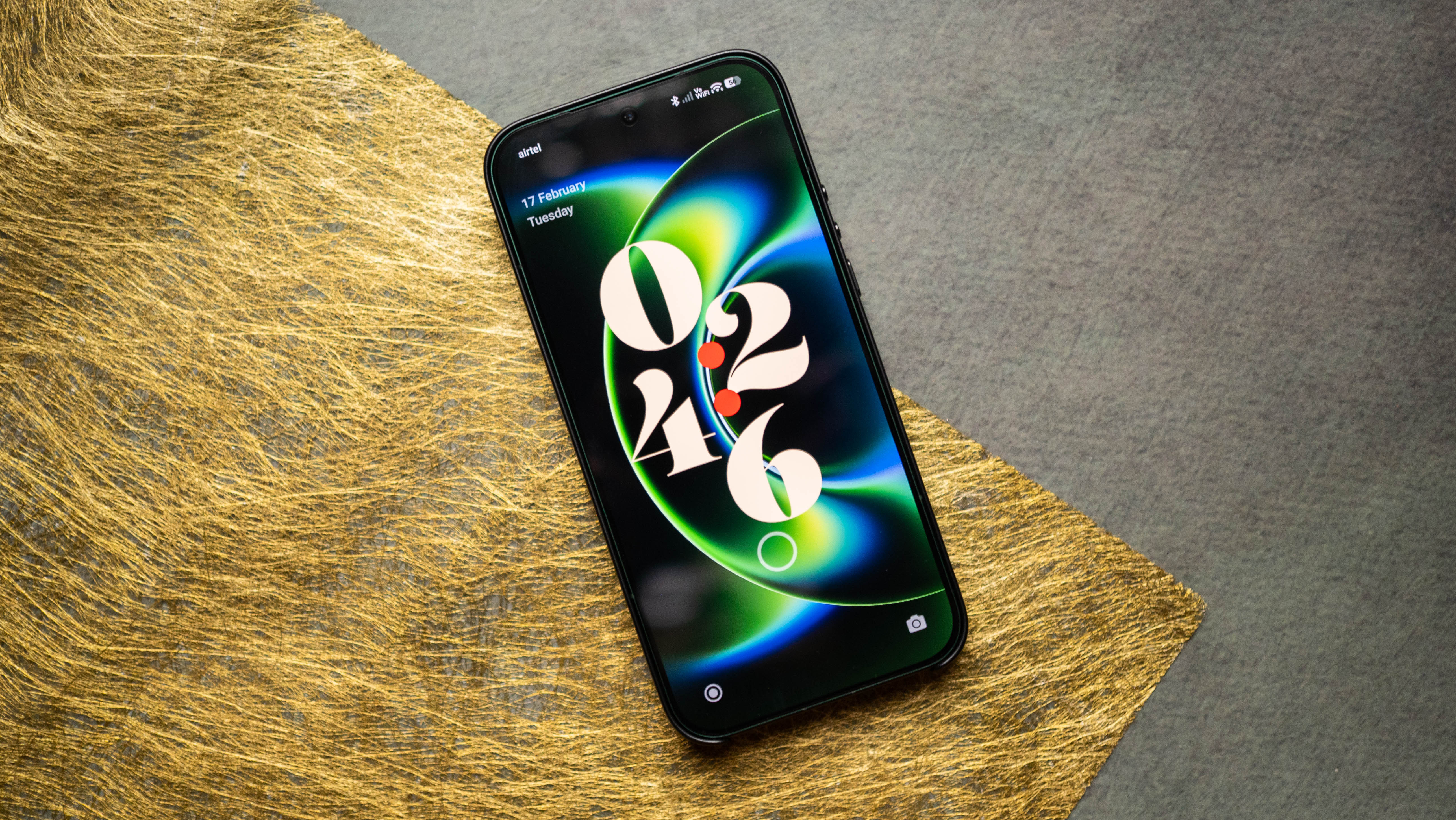
Industry analysts note that this blend of localized hardware filtering and contextual software triggers reflects a broader industry shift toward proactive, ambient security. As smartphones increasingly double as primary financial hubs, identification wallets, and corporate terminals, the physical vulnerability of glowing glass screens has become a major target for both hardware manufacturers and privacy advocates.
The Evolution of Mobile Privacy: A Brief Timeline
The journey toward integrated privacy displays has been gradual, marked by years of reliance on aftermarket accessories. For over a decade, consumers seeking confidentiality relied on third-party plastic or tempered glass privacy screen protectors. While somewhat effective at blocking side angles, these accessories frequently introduced unwanted visual artifacts, such as graininess, moiré patterns, reduced touch sensitivity, and a permanent reduction in display brightness.
As organic light-emitting diode (OLED) technology matured, manufacturers began exploring software-based solutions, such as dimming notifications or utilizing facial recognition to hide message contents when an unauthorized face was detected looking at the screen. However, these software measures did little to stop bystanders from reading static text, browsing histories, or photo galleries.
The definitive turning point arrived with the commercialization of microscopic louver layers and specialized pixel-steering matrices integrated directly into the display manufacturing process. Samsung’s introduction of the Privacy Display on the Galaxy S26 Ultra marked the first major commercial breakthrough for this hardware-level approach. Now, with Xiaomi’s upcoming release of the 18 Pro, the technology is moving past initial exclusivity and establishing itself as a competitive battleground for the Android flagship market.
Market Implications and the Upcoming Launch Timeline
The timing of Xiaomi’s announcement is strategically significant. The Xiaomi 18 series is scheduled for an official product launch event in just a few days, generating immense anticipation across global tech communities. By detailing the smart privacy display ahead of the keynote, Xiaomi is effectively setting high expectations for the device’s display capabilities, challenging consumers to reevaluate what they expect from modern mobile hardware.
Market researchers suggest that features addressing everyday practical concerns—such as security, durability, and battery efficiency—tend to resonate strongly with high-end consumers. While headline-grabbing specifications like raw processor benchmarks and multi-megapixel camera arrays remain vital for marketing campaigns, functional innovations like the smart privacy display offer tangible, day-to-day utility that can influence purchasing decisions.
If Xiaomi’s implementation performs as advertised in real-world testing—delivering robust lateral privacy without sacrificing primary viewing brightness—it could force other major smartphone manufacturers to accelerate their own developments in directional display technology. Competitors who lack native hardware privacy solutions may find themselves at a distinct disadvantage as consumer awareness surrounding digital and physical data exposure continues to grow.
As the official launch date approaches, attention will inevitably shift toward hands-on evaluations to test the true efficacy of the Xiaomi 18 Pro’s privacy filtering, verify its battery consumption impact, and assess the responsiveness of its software triggers. For now, Xiaomi has successfully set the stage for what promises to be one of the most closely watched flagship releases of the year, signaling that the future of mobile display technology is as much about what people cannot see as it is about what they can.