Emergency Sos Via Satellite Is Now Available For Iphone Users In Japan
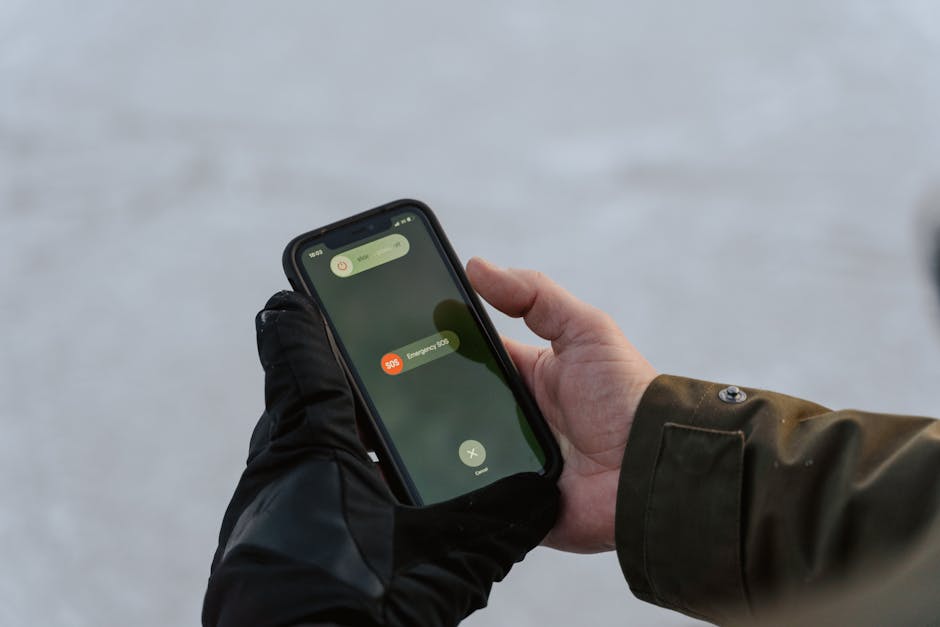
Emergency SOS via Satellite Now Available for iPhone Users in Japan: Enhanced Safety for Remote Exploration
The groundbreaking Emergency SOS via Satellite feature, previously launched in select countries, has officially been activated for iPhone users in Japan. This significant expansion brings a vital layer of safety to individuals venturing into areas with no cellular or Wi-Fi coverage. For the millions of iPhone owners in Japan, whether they are avid hikers traversing remote mountain ranges, campers exploring secluded coastlines, or simply individuals who find themselves in emergency situations far from conventional communication networks, this technology represents a substantial advancement in personal safety. The service allows users to send text messages to emergency services even when outside of cellular and Wi-Fi range, by connecting their iPhone directly to a satellite. This connectivity, previously the exclusive domain of specialized satellite phones, is now accessible directly from a familiar device, democratizing emergency communication in previously underserved areas. The implications for outdoor enthusiasts, remote workers, and anyone who prioritizes preparedness are profound. Japan, with its diverse and often rugged topography, including extensive mountain ranges, vast coastlines, and remote island chains, presents numerous scenarios where cellular coverage can be unreliable or non-existent. This rollout directly addresses those vulnerabilities, offering a critical lifeline in critical situations.
The core functionality of Emergency SOS via Satellite is its ability to leverage existing iPhone hardware, specifically the advanced antenna system within the iPhone 14 and later models, to establish a direct connection with a constellation of low-earth orbit satellites. When a user initiates an SOS request, and cellular and Wi-Fi signals are unavailable, their iPhone automatically prompts them to use the satellite service. The interface is designed for simplicity and efficiency, guiding the user through a series of questions to gather essential information about their emergency, such as the nature of the incident, potential injuries, and the number of people involved. This streamlined questioning process is crucial in high-stress situations, ensuring that vital data is transmitted quickly and accurately. The iPhone then uses this information to compress the message and send it to a relay center staffed by trained Apple specialists who can then contact the appropriate emergency services. The user is also provided with real-time feedback on their connection status, indicating when they are successfully connected and when their message has been sent. This feedback loop is essential for user reassurance and confirmation during a critical event. The system is not designed for everyday communication but is specifically optimized for transmitting short, concise emergency messages. The speed and reliability of these messages are paramount, and Apple has invested heavily in ensuring the system can function effectively even with limited bandwidth.
To facilitate this satellite communication, Apple has partnered with Globalstar, a leading provider of mobile satellite communications. Globalstar’s existing satellite network, which already provides voice and data services, has been integrated with Apple’s software and hardware to enable this emergency service. The iPhone’s sophisticated internal compass and advanced algorithms are instrumental in helping the user locate and point their device towards the satellite. The on-screen interface provides clear visual cues and haptic feedback to guide the user in achieving the optimal alignment for a stable connection. This process is designed to be intuitive, even for users with no prior experience with satellite communication. The system is engineered to work in a variety of environments, though clear skies are generally recommended for the best performance. Obstructions such as dense forest canopies or deep canyons can potentially impede the signal, but the system is designed to be resilient and will continue to attempt connection as the user moves or adjusts their device. The reliance on a robust satellite network is a testament to the technological ingenuity behind this feature, bridging the gap between terrestrial limitations and the need for universal emergency access.
The activation of Emergency SOS via Satellite in Japan is particularly relevant given the country’s geographical characteristics. Japan is an archipelago nation with a significant portion of its landmass covered by mountains. Outdoor activities like hiking, climbing, and camping are immensely popular, and these activities often take place in remote areas where mobile signals are notoriously weak or absent. For instance, the Japanese Alps, Hokkaido’s wilderness, and the numerous national parks scattered across the country present ample opportunities for users to find themselves outside of cellular coverage. Coastal areas, especially on smaller islands or remote stretches of coastline, also pose similar challenges. In such scenarios, a fall, an unexpected weather event, or a medical emergency can quickly escalate if immediate communication is impossible. This new feature provides a critical safety net, enabling individuals to alert authorities and receive assistance even when isolated. The peace of mind this offers to adventurers and their families is invaluable. Furthermore, Japan’s vulnerability to natural disasters, such as earthquakes and typhoons, can lead to widespread communication disruptions. In the aftermath of such events, when terrestrial infrastructure may be damaged, the ability to communicate via satellite could be lifesaving, allowing individuals to report their status or request help when conventional communication channels are down.
The service is free for users of iPhone 14 and later models for an initial period of two years from the activation date. This generous introductory period makes the technology accessible and encourages widespread adoption, allowing users to experience its benefits without immediate financial burden. While the long-term pricing structure has not yet been fully detailed, the initial free offering underscores Apple’s commitment to user safety. This also aligns with the broader trend of technology companies prioritizing safety features within their ecosystems. The integration of this functionality directly into the iPhone eliminates the need for separate, often expensive, satellite communication devices, making emergency preparedness more attainable for a wider segment of the population. Users do not need to purchase any additional hardware or subscribe to separate satellite plans to utilize this feature, provided they have a compatible iPhone model. The activation is handled through a simple software update, ensuring that existing users can benefit from this enhancement seamlessly.
Initiating an Emergency SOS via Satellite message involves a straightforward process. When an iPhone detects that the user is in an emergency situation and has no cellular or Wi-Fi signal, it will automatically present an option to "Emergency SOS via Satellite." Tapping this option will launch a guided questionnaire. This questionnaire is designed to be brief and efficient, asking critical questions such as "What is happening?", "Who needs help?", and "Are there any injuries?". The answers are then relayed to emergency responders. The system also allows users to share their location, medical ID, and battery life with emergency services, providing them with crucial context for a rapid and effective response. The user is continuously updated on the status of their message transmission. If the initial attempt to connect to a satellite is unsuccessful, the iPhone will guide the user to move to a different location or reorient their device to find a clearer view of the sky. This interactive guidance is key to ensuring the message can be sent.
It is important to understand the limitations and best practices for using Emergency SOS via Satellite. The service is intended strictly for genuine emergencies. Misuse of the service can tie up vital resources and prevent individuals in true need from receiving assistance. The system is optimized for transmitting concise text messages, not for casual conversation or data transfer. Users should be aware that direct sunlight and clear skies provide the best conditions for satellite connectivity. Dense foliage, deep canyons, and enclosed spaces can obstruct the signal. Users should also ensure their iPhone is sufficiently charged, as maintaining a satellite connection can consume battery power. Regular software updates for the iPhone are crucial, as they often include enhancements and optimizations for the Emergency SOS via Satellite feature. By understanding these nuances, iPhone users in Japan can maximize the effectiveness of this life-saving technology. The accessibility of this service empowers individuals to explore Japan’s natural beauty with a greater sense of security, knowing that help is potentially just a satellite connection away.


