Apple Unveils iOS 26.5 and iPadOS 26.5, Bringing End-to-End Encrypted RCS Messaging and Enhanced Maps Features

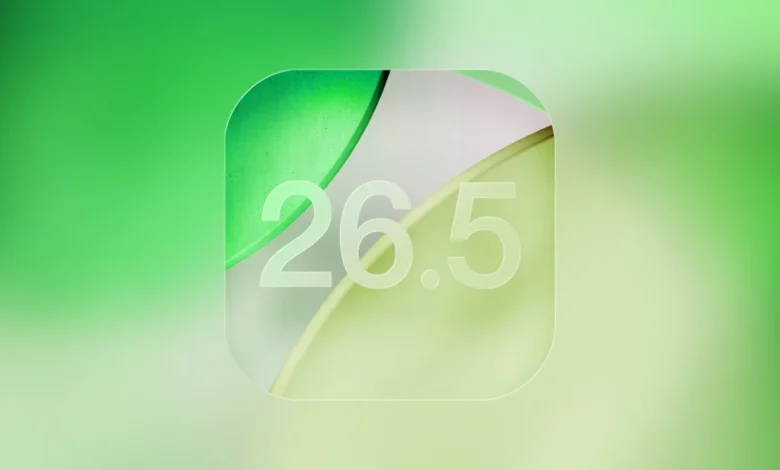
Cupertino, California – Apple today released iOS 26.5 and iPadOS 26.5, the latest iterations of its flagship mobile and tablet operating systems, marking a significant step in cross-platform messaging security and evolving its mapping service. The updates, made available on Monday, May 11, 2026, at 10:06 am PDT, introduce end-to-end encryption (E2EE) for Rich Communication Services (RCS) messages exchanged between iPhone and Android users, alongside new features in the Maps application and a celebratory Pride Luminance wallpaper. This release follows nearly two months after the previous update, iOS 26.4 and iPadOS 26.4, and is anticipated to be one of the final feature-rich updates before the highly anticipated unveiling of iOS 27 and iPadOS 27 at next month’s Worldwide Developers Conference (WWDC).
Users with eligible iPhones and iPads can download the new software over-the-air by navigating to Settings > General > Software Update. In a continued effort to support a wider range of its device ecosystem, Apple also simultaneously rolled out iOS 16.7.16 and iOS 18.7.9 for older iPhone models that are no longer capable of running the latest iOS 26 software, ensuring critical security patches and minor improvements are accessible across its diverse user base.
A New Era for Cross-Platform Messaging: End-to-End Encrypted RCS
The most impactful feature of iOS 26.5 is undoubtedly the introduction of end-to-end encryption for RCS messages, currently in beta. This enhancement addresses a long-standing disparity in messaging security and functionality between iPhone and Android devices. For years, conversations between iPhones and Android phones have largely defaulted to the SMS/MMS standard, a decades-old protocol lacking modern features like high-resolution media sharing, read receipts, typing indicators, and, crucially, robust encryption. While Apple’s proprietary iMessage offered these advanced capabilities and E2EE for iPhone-to-iPhone communications, cross-platform interactions remained vulnerable and feature-limited.
RCS, or Rich Communication Services, is a modern messaging protocol designed to replace SMS and MMS, offering a significantly richer and more secure experience akin to popular internet-based messaging apps. Its adoption by Apple marks a pivotal moment, signaling a move towards greater interoperability and a more unified messaging experience across the mobile landscape. The addition of E2EE to RCS messages means that data exchanged between an iPhone and an Android device, when both parties and their respective carriers support the feature, will be encrypted from the sender’s device to the recipient’s device, preventing third parties, including carriers and Apple itself, from accessing the content of those messages. This brings the privacy standard of cross-platform messaging much closer to the benchmark set by iMessage. Encrypted RCS messages will be identifiable by a small lock symbol, mirroring the visual cue used in iMessage to denote E2EE.
The rollout of E2EE for RCS is described as a gradual process, dependent on carrier support. This staggered implementation means that not all users will gain access to the encrypted feature immediately upon updating to iOS 26.5, but it lays the foundational groundwork for a more secure messaging future. This strategic shift by Apple follows years of public pressure, particularly from Google, which has been a vocal advocate for Apple’s adoption of RCS. While Apple initially resisted, citing concerns about security and user experience compared to iMessage, the evolving regulatory landscape, particularly in regions like the European Union, which is increasingly scrutinizing dominant digital gatekeepers, may have played a role in accelerating this decision. The move is expected to significantly enhance user privacy and communication quality for millions globally, mitigating the "green bubble" stigma and fostering a more seamless digital interaction environment.
Maps App Evolves with New Features and Monetization Avenues
Beyond messaging, iOS 26.5 and iPadOS 26.5 also bring notable updates to the Apple Maps application, enhancing discovery and laying the groundwork for future monetization. A new "Suggested Places" section has been integrated into Maps, offering users personalized recommendations for points of interest. These suggestions are dynamically generated based on a user’s current location, historical search patterns, and trending nearby locations, aiming to provide a more intuitive and useful exploration experience. This feature leverages Apple’s extensive location data and machine learning capabilities to anticipate user needs and highlight relevant establishments or attractions.
In a significant strategic development, the updates also include the underlying infrastructure for advertisements within the Maps app, a feature Apple has confirmed will be rolled out more broadly this summer. This move represents an expansion of Apple’s advertising business, which has been steadily growing across its various services. While details on the specific ad formats and targeting mechanisms are yet to be fully disclosed, the integration of ads into Maps is expected to create new revenue streams for Apple by offering businesses a direct avenue to reach users based on their location and search intent. This approach is not uncommon among major mapping services, with Google Maps having integrated advertising for several years. The challenge for Apple will be to introduce these advertisements in a manner that is both effective for advertisers and minimally disruptive to the user experience, maintaining the clean aesthetic often associated with its software. This strategic decision highlights the increasing importance of service revenue for Apple’s overall financial performance, complementing its hardware sales.
Aesthetic Refinements and System Underpinnings
For users looking to personalize their devices, iOS 26.5 introduces a new "Pride Luminance" wallpaper. This vibrant addition dynamically refracts a spectrum of colors, designed to match the previously released Pride Luminance Apple Watch face and Apple Watch band. This inclusion reinforces Apple’s consistent support for the LGBTQ+ community, aligning its software aesthetics with its broader corporate values and product ecosystem. Such thematic releases are a regular part of Apple’s software update cycle, often coinciding with cultural events or social initiatives.
The updates for iPadOS 26.5 are largely synchronous with their iOS counterparts, ensuring a consistent experience across Apple’s mobile and tablet devices. Both updates also include general performance enhancements, bug fixes, and security improvements, which are standard components of any software release. Apple’s detailed release notes explicitly mention that the update includes these enhancements and advises users to consult dedicated support pages for information on security content and potential impacts on performance and battery life. It’s a standard disclaimer, acknowledging that new features and system optimizations can sometimes alter a device’s operational characteristics.
The Release Cycle and Future Outlook
The release of iOS 26.5 and iPadOS 26.5 comes approximately two months after the 26.4 versions were made public on March 24, 2026. This timing is typical for minor point releases in Apple’s annual software cycle, which often include incremental features and bug fixes following a major generational launch. The development cycle for 26.5 saw several beta versions released to developers, including a second beta on April 13, 2026, and a Release Candidate (RC) version a week prior to the public launch, allowing for extensive testing and refinement. The relatively minor scope of new features in 26.5, particularly compared to major annual releases, is indicative of Apple’s strategic shift in focus.
As noted in the article, this update is likely to be one of the last feature-adding releases for the iOS 26 and iPadOS 26 generations. Apple’s development teams are now heavily concentrated on the upcoming iOS 27 and iPadOS 27, which are slated for a grand preview at the company’s annual Worldwide Developers Conference (WWDC) next month, traditionally held in early June. Industry analysts and enthusiasts widely anticipate that iOS 27 will introduce significant advancements, potentially including deeper integration of artificial intelligence across the operating system, further refinements to the user interface, and new capabilities that leverage Apple’s latest hardware innovations. The foundation laid by iOS 26.5, particularly in areas like messaging interoperability and enhanced mapping, will likely serve as a springboard for these future developments.
Official Release Notes Summary
Apple’s official release notes accompanying the 26.5 updates highlight the key enhancements:
- End-to-end encrypted RCS messaging (beta): Available in Messages with supported carriers, rolling out over time. Apple directs users to a support page (support.apple.com/109526) for more details.
- Pride Luminance wallpaper: A new dynamic wallpaper that refracts a spectrum of colors, available for download.
- Suggested Places in Maps: Displays recommendations based on what’s trending nearby and recent searches.
The release notes also contain important disclaimers:
- "For information on the security content of Apple software updates, please visit: support.apple.com/100100"
- "Some features may not be available in all regions or on all iPhone models. To learn more, please visit: apple.com/ios/feature-availability/"
- "Software updates, like this one, add new features and improvements that may affect performance and/or battery life. To learn more, please visit: support.apple.com/125039"
These disclaimers underscore Apple’s commitment to transparency regarding security, feature availability variations, and the potential, albeit often minor, impact of software updates on device performance and battery longevity.
Broader Implications for Users and the Industry
The release of iOS 26.5 carries significant implications for both Apple users and the broader mobile industry. For consumers, the advent of E2EE for RCS messages means a tangible improvement in privacy and functionality when communicating with Android users. This reduces the "walled garden" effect often associated with Apple’s ecosystem, fostering more secure and feature-rich cross-platform interactions. While iMessage remains Apple’s premium messaging service, offering unique integrations and a fully controlled experience, the move to encrypt RCS demonstrates a pragmatic response to evolving industry standards and user demands for universal privacy.
The integration of advertising into Apple Maps, while a clear business decision aimed at diversifying revenue, will be closely watched by users and privacy advocates. Apple has historically positioned itself as a champion of user privacy, and the implementation of ads will need to carefully balance monetization with user experience and data protection principles. The success of this strategy will depend on how seamlessly and respectfully ads are integrated, and how transparent Apple is about the data used for targeting.
In the grander scheme, iOS 26.5 serves as a bridge between the current generation of Apple’s mobile software and the innovations expected in iOS 27. It showcases Apple’s continuous effort to refine existing services, address user feedback, and adapt to the dynamic technological landscape, all while maintaining its core commitment to security, user experience, and a robust, evolving ecosystem. The coming months, particularly with WWDC on the horizon, promise further insights into Apple’s long-term vision for its software platforms.