Apple Inc Readies New Ipads And M3 Macbook Air To Combat Sales Slump
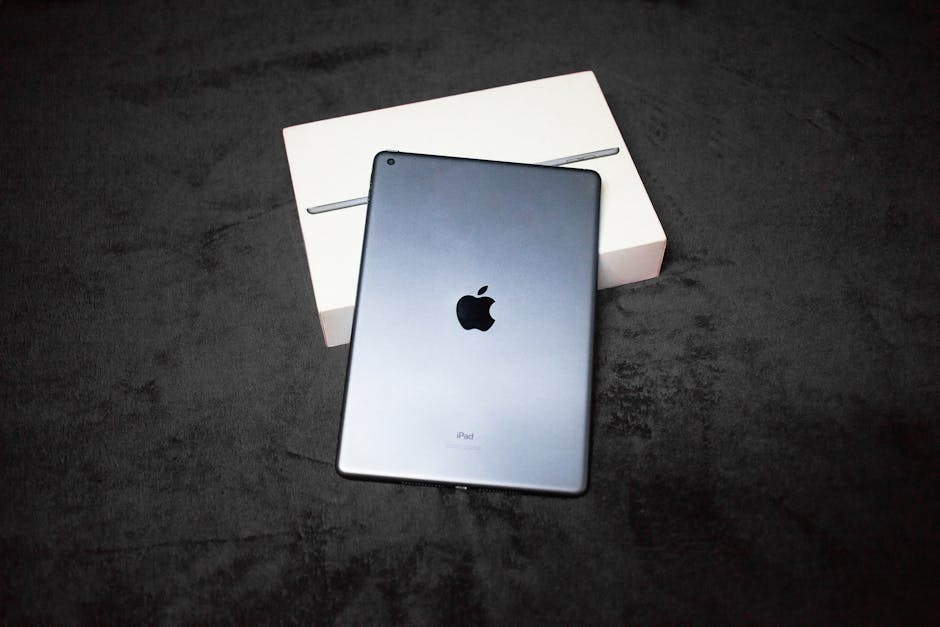
Apple Inc. Readies New iPads and M3 MacBook Air to Combat Sales Slump
Apple Inc. is poised to unveil a suite of significant product updates, including new iPad models and the M3 chip-equipped MacBook Air, in a strategic maneuver designed to address a recent downturn in sales. This refresh cycle, anticipated to launch in the coming months, targets key segments of Apple’s hardware ecosystem, aiming to reinvigorate consumer and professional demand. The iPad lineup, a cornerstone of Apple’s tablet market dominance, is expected to receive substantial upgrades across multiple tiers, from the entry-level model to the professional-grade Pro versions. Simultaneously, the popular MacBook Air, now set to feature Apple’s proprietary M3 silicon, is anticipated to offer enhanced performance and efficiency, further solidifying its appeal to students, mobile professionals, and general consumers seeking a powerful yet portable computing experience. This proactive product development comes at a critical juncture for Apple, as the company navigates a challenging global economic environment and increasing competition in both the tablet and laptop markets. The success of these new launches will be crucial in determining Apple’s ability to regain sales momentum and maintain its market leadership in the fiscal quarters ahead.
The anticipated iPad refresh is multi-faceted, with significant overhauls planned for both the standard iPad and the iPad Air. The base model iPad is slated to receive a design update, potentially adopting a larger screen size and a USB-C port, mirroring the standardization seen across other Apple devices. This would represent a notable departure from its long-standing Lightning connector and a move towards greater interoperability. Furthermore, rumors suggest an upgrade to the processor, likely incorporating a more capable A-series chip to enhance performance for everyday tasks, productivity applications, and content consumption. The iPad Air, a mid-tier offering balancing price and performance, is also expected to benefit from a significant internal upgrade. The M2 chip, currently powering the iPad Pro, is a strong contender for the next-generation iPad Air, offering a substantial leap in processing power and graphics capabilities. This would position the Air as a more compelling alternative for users who previously found the Pro models financially out of reach but still required more horsepower than the standard iPad could offer. The integration of the M2 chip would also bring enhanced support for advanced features like external display connectivity and more demanding creative workflows.
The flagship iPad Pro models are also due for an update, with speculation centering on the adoption of Apple’s M3 silicon. This would be a pivotal moment for the iPad Pro, bringing it closer to parity with its MacBook counterparts in terms of raw processing power and efficiency. The M3 chip, built on an advanced manufacturing process, promises significant performance gains and improved power management, which would translate into longer battery life and the ability to handle even more intensive professional workloads, such as high-resolution video editing, 3D rendering, and complex software development. Beyond the chip, the iPad Pro is rumored to feature a notable display technology upgrade. OLED panels are widely expected, which would deliver superior contrast ratios, deeper blacks, and more vibrant colors compared to the current Liquid Retina XDR displays. This would further enhance the visual experience for content creators and media consumers, making the iPad Pro an even more attractive device for tasks where visual fidelity is paramount. The design is also expected to see subtle refinements, potentially with thinner bezels and a lighter overall profile. The integration of these advancements aims to solidify the iPad Pro’s position as a true laptop replacement for many users, blurring the lines between tablet and portable computer.
The MacBook Air, a perennial bestseller and a benchmark for thin-and-light laptops, is on the cusp of its own M3 silicon integration. This update is critical for maintaining the Air’s competitive edge in a market increasingly flooded with capable ultrabooks from various manufacturers. The M3 chip, building upon the architectural improvements of its predecessors, will offer a noticeable boost in CPU and GPU performance, enabling faster application loading, smoother multitasking, and improved handling of graphics-intensive tasks. For students, the M3 MacBook Air will mean faster project completion and more responsive performance for educational software. For mobile professionals, it translates to quicker data processing, more efficient workflow, and extended battery life, a crucial factor for those frequently on the go. The M3 chip’s enhanced neural engine will also accelerate machine learning tasks, benefiting users of AI-powered applications and features. Beyond the silicon, the MacBook Air is expected to retain its signature design – slim, lightweight, and fanless – ensuring its renowned portability and quiet operation. Incremental design tweaks, such as slightly thinner bezels or minor adjustments to the chassis, are possible but the core aesthetic is likely to remain consistent, as it has proven to be highly popular with consumers.
The current sales slump experienced by Apple, particularly in its Mac and iPad divisions, is a significant factor driving the urgency behind these product launches. Recent financial reports have indicated a deceleration in growth, and in some instances, a decline in hardware revenue, a stark contrast to the company’s historical performance. Several macroeconomic factors are at play, including global inflation, rising interest rates, and a general slowdown in consumer spending on discretionary items. Furthermore, the post-pandemic boom in device sales, fueled by remote work and online learning, has naturally subsided, leading to a normalization of demand. Competition also plays a role. In the tablet market, Android-powered devices from Samsung and other manufacturers continue to offer compelling alternatives, often at lower price points. In the laptop segment, the rise of Windows-based ultrabooks with competitive performance and features, coupled with strong offerings from companies like Dell, HP, and Lenovo, presents a constant challenge to Apple’s market share. The M3 MacBook Air and the refreshed iPad lineup are therefore not just incremental updates; they represent a strategic effort to recapture market interest and stimulate demand in a more challenging environment.
The strategic importance of these product launches cannot be overstated for Apple’s overall financial health. The Mac and iPad divisions, while not as large as the iPhone segment, are nonetheless vital contributors to Apple’s revenue and profitability. A strong performance from these new devices is crucial for offsetting any potential slowdowns in other product categories and for maintaining investor confidence. The introduction of M3 chips across a wider range of Macs, starting with the MacBook Air, is a key step in Apple’s silicon transition strategy. This transition has been a major success, providing Apple with greater control over its hardware and software integration, as well as significant performance and efficiency advantages. The M3 chip, in particular, is expected to further widen this gap, offering a compelling reason for users to upgrade their existing machines. For the iPad, the aim is to continue its evolution from a consumption device to a true productivity tool, appealing to a broader audience of professionals and creatives who can leverage its versatility and the power of Apple’s ecosystem. The success of these product refreshes will be closely monitored as a bellwether for Apple’s ability to innovate and adapt in a dynamic technological landscape.
The marketing and messaging around these new products will be crucial in their reception. Apple is known for its effective marketing campaigns that highlight the key benefits and user experiences. For the new iPads, expect a focus on their versatility for creativity, productivity, and entertainment, emphasizing how they can seamlessly integrate into users’ digital lives. The M3 MacBook Air will likely be promoted for its blend of power, portability, and efficiency, targeting students and professionals who demand reliable performance without compromising on mobility. Apple’s ecosystem integration will also be a key selling point, showcasing how the new iPads and MacBooks work in harmony with other Apple devices like the iPhone and Apple Watch, offering a cohesive and intuitive user experience. The company will aim to highlight the tangible benefits of the M3 chip – faster speeds, longer battery life, and enhanced capabilities – to encourage upgrades from older models. The introduction of OLED technology in the iPad Pro will also be a significant marketing angle, emphasizing the superior visual quality for demanding applications and media consumption.
Looking beyond the immediate sales impact, these launches also serve to reinforce Apple’s commitment to innovation and its long-term product roadmap. The continued development and integration of its custom silicon are central to Apple’s strategy, allowing it to differentiate its products and deliver unique user experiences. The expansion of M3 chips into more mainstream devices like the MacBook Air signals a commitment to bringing its most advanced technology to a broader customer base. Similarly, the push for more advanced display technologies and processing power in the iPad lineup demonstrates Apple’s ambition to push the boundaries of what a tablet can achieve, positioning it as a serious contender in the professional computing space. The success of these refreshed product lines will not only influence Apple’s short-term financial performance but also its ability to maintain its premium brand image and its position as a leader in the technology industry. The competitive landscape is constantly evolving, and Apple’s ability to consistently deliver compelling new products is paramount to its sustained success. The forthcoming releases are therefore not just about combating a current sales slump but about shaping the future of personal computing and reaffirming Apple’s place at the forefront of technological advancement.


