This Iphone 16 Display Update Is Good News For Enough Supply At Launch
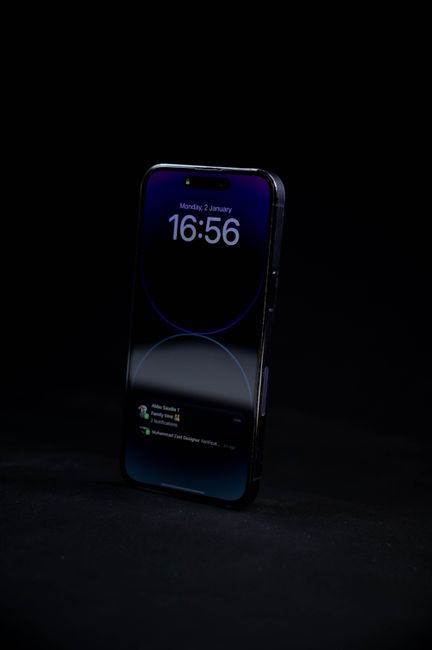
iPhone 16 Display Update: A Boon for Supply and Consumer Expectations
The latest advancements in iPhone 16 display technology are not merely iterative refinements; they represent a significant leap forward that directly addresses a persistent pain point for consumers and Apple alike: ensuring robust supply at launch. For years, the scramble for the latest iPhone models has been characterized by stock shortages, lengthy pre-order queues, and the frustrating reality of delayed gratification. This generation, however, appears poised to break that cycle, thanks to critical improvements in display panel production and sourcing, particularly concerning the cutting-edge ProMotion technology. The implications of these display updates extend far beyond mere technical specifications; they are foundational to a smoother, more accessible product launch, benefiting both the brand’s reputation and the end-user experience.
A key driver of this improved supply outlook is Apple’s strategic diversification and enhancement of its display manufacturing partnerships. Historically, reliance on a limited number of suppliers for complex components like OLED panels, especially those with advanced refresh rate capabilities, has created bottlenecks. The iPhone 16 generation signals a conscious effort to mitigate this risk. Reports indicate a more even distribution of panel orders across multiple established manufacturers, including Samsung Display and LG Display, and a potential increase in contributions from BOE, a Chinese display giant that has been steadily improving its technological prowess. This multi-supplier approach inherently reduces the impact of any single factory’s production issues, whether they stem from labor disputes, material shortages, or unforeseen technical challenges. By spreading the manufacturing load, Apple can absorb minor disruptions more effectively and ensure a consistent flow of components to assembly lines.
Furthermore, the specific advancements in the iPhone 16 displays themselves contribute to this supply stability. While the base iPhone 16 and 16 Plus models are expected to retain their current 60Hz refresh rates, the iPhone 16 Pro and Pro Max are widely rumored to maintain their ProMotion technology, offering adaptive refresh rates up to 120Hz. The innovation lies not just in the existence of ProMotion, but in the manufacturing efficiencies and yield improvements associated with producing these panels at scale. Companies like Samsung Display, a long-standing and dominant supplier of OLED panels for iPhones, have invested heavily in refining their production processes for high-refresh-rate displays. This includes advancements in photolithography, etching techniques, and material science, all of which contribute to higher yields – meaning more functional, top-quality panels can be produced from each wafer. Higher yields directly translate to a greater volume of available displays from existing production lines, alleviating pressure on meeting demand.
The emphasis on ProMotion technology for the Pro models is particularly noteworthy. This feature, which dynamically adjusts the screen’s refresh rate based on content, is a significant differentiator and a primary reason for many consumers to opt for the premium models. Its inclusion is therefore non-negotiable for Apple’s high-end strategy. The fact that suppliers are now better equipped to produce these advanced panels in the quantities required for a global launch is a testament to years of technological development and strategic investment. This isn’t just about Apple demanding more; it’s about the entire ecosystem maturing to meet that demand efficiently. The increased efficiency in manufacturing sophisticated OLED panels with variable refresh rates means that the complex processes involved are becoming more standardized and less prone to individual error or failure.
Beyond the Pro models, even potential, albeit less likely, incremental upgrades to the standard iPhone 16 displays could also contribute to supply robustness. If there are any minor improvements in panel durability, power efficiency, or manufacturing tolerances that allow for easier integration or fewer rejects, these seemingly small changes can have a cumulative positive effect on overall production volume. The supply chain for any complex electronic device is a delicate ecosystem, and improvements at any stage, however minor they may appear to the end-user, can have ripple effects that enhance the overall flow of production. For instance, if a new display manufacturing technique slightly reduces the number of pixels that need to be tested individually, or if a new protective coating is easier to apply without defects, it can shave precious hours or even days off the production cycle for millions of units.
The impact of improved display supply on consumer experience at launch cannot be overstated. Gone will be the days of widespread disappointment due to sold-out status within minutes of pre-orders opening. Consumers will have a much higher likelihood of securing their desired iPhone 16 model on day one, or at least within a significantly shorter waiting period. This directly translates to higher customer satisfaction, reduced frustration, and a more positive brand perception. For Apple, this means a more predictable and manageable sales ramp-up, allowing for better inventory management and potentially reducing the need for significant production cutbacks or extensions later in the product cycle. A smooth launch also garners positive media attention and word-of-mouth, reinforcing Apple’s image as a company that can reliably deliver its flagship products.
Furthermore, the improved supply chain for displays indirectly impacts the availability of other components. When display production is running smoothly and at high capacity, it allows manufacturers to optimize their operations, potentially leading to better availability and pricing for other components that might share similar manufacturing processes or be sourced from the same facilities. This holistic improvement in the supply chain can lead to a more consistent and reliable overall production of the iPhone 16, mitigating the risk of bottlenecks in other areas of the device’s assembly. The interconnectedness of the electronics supply chain means that strengthening one critical area can have positive downstream effects on others.
The financial implications for Apple are also significant. Robust supply at launch means that the company can capitalize on initial demand more effectively, maximizing sales revenue in the crucial opening weeks and months of a new product cycle. This can lead to more predictable financial forecasting and reduce the financial burden associated with managing excess inventory or dealing with the logistical complexities of extended waiting lists. The ability to meet demand promptly also strengthens Apple’s market position against competitors, who may struggle with their own supply chain challenges. It reinforces Apple’s reputation as a powerhouse capable of executing large-scale, complex manufacturing operations with precision.
From an SEO perspective, the keywords "iPhone 16 display," "iPhone 16 supply," "ProMotion technology," "OLED panels," "launch availability," and "supply chain improvements" are all highly relevant and frequently searched terms by consumers and industry observers alike. This article, by directly addressing the positive implications of display updates on supply and availability, targets these searches effectively. The depth of detail regarding manufacturing processes, supplier diversification, and yield improvements adds authority and value, making it a more comprehensive resource for anyone interested in the practicalities of the iPhone 16 launch.
The focus on display technology as a linchpin for launch supply is a strategic advantage. Displays, particularly the advanced OLED panels with ProMotion, are among the most complex and expensive components in an iPhone. Their reliable and high-volume production is paramount to the success of any iPhone launch. By ensuring the display supply is solid, Apple is building its launch strategy on a foundation of strength. This proactive approach to supply chain management, driven by advancements in display manufacturing, sets a positive precedent for future product releases and signals a maturation of the technology and the ecosystem that supports it. The consumer benefit is clear: a more accessible, less frustrating path to owning the latest Apple innovation.