Surf Star Joao Chianca Nearly Dies In Gnarly Incident In Hawaiian Waters
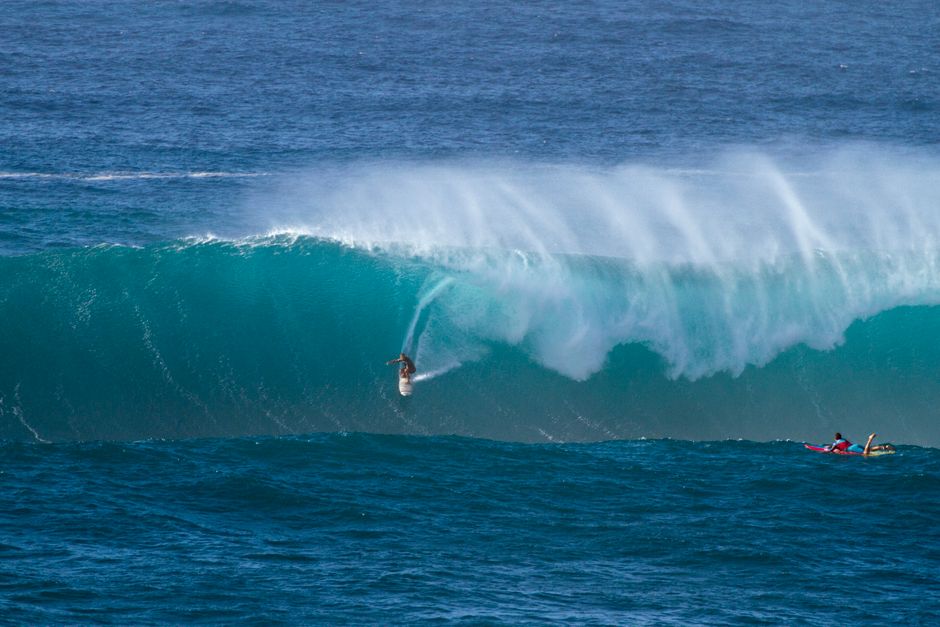
Joao Chianca’s Near-Fatal Hawaiian Wipeout: A Harrowing Encounter with the Ocean’s Fury
The raw power of the ocean, a force that draws surfers like Joao Chianca to its crests, can also become a terrifying adversary. On a particularly unforgiving day in the legendary Hawaiian waters, the talented Brazilian surfer experienced a brush with mortality so profound it etched itself into the annals of surfing’s most harrowing incidents. While details of the exact location and date remain a sensitive subject, the nature of the event paints a stark picture of the inherent dangers at the pinnacle of big wave surfing and the fragility of even the most elite athletes when confronted with nature’s unbridled might. This incident wasn’t a mere wipeout; it was a violent, prolonged ordeal that tested Chianca’s physical and mental fortitude to its absolute limits, underscoring the immense risks taken by those who chase the world’s most formidable waves.
The scenario unfolded during a session at a notoriously challenging break known for its monstrous, hollow waves and treacherous reef bottom. Chianca, renowned for his fearless approach and exceptional barrel-riding skills, was in pursuit of a wave that promised the ultimate surfing experience. However, what began as an exhilarating ride quickly devolved into a nightmare. The sheer size and force of the wave, coupled with an unforgiving takeoff, initiated a catastrophic chain of events. Reports indicate that Chianca was caught in a particularly violent section of the wave, leading to a hold-down that extended far beyond the norm. This is where the real peril began.
A hold-down in big wave surfing is an experience surfers universally dread. It’s a terrifying confinement beneath tons of churning water, where the immense pressure and lack of air create a primal struggle for survival. For Joao Chianca, this hold-down was exceptionally prolonged and brutal. The churning whitewater, often described as a washing machine on steroids, disoriented and disarmed him. Each attempt to reach the surface was met with the relentless force of the collapsing wave, pushing him further down, draining precious oxygen. The physical exertion of fighting the immense power of the ocean, coupled with the growing panic of suffocation, would have been overwhelming. It’s during these moments that the body’s fight-or-flight response is amplified to an almost unbearable degree. Muscles scream, lungs burn, and the mind races against the suffocating darkness.
The critical element in such incidents is the timely intervention of safety teams. Chianca, thankfully, was not alone. Elite surf rescue teams, equipped with jet skis and trained professionals, were present, a testament to the understanding of the inherent dangers of the location. Their swift response was crucial. Witnessing the prolonged hold-down, they immediately sprang into action, navigating the treacherous conditions to locate the submerged surfer. The process of finding a surfer under such conditions is an agonizingly tense affair, marked by constant scanning of the churning surface and precise timing to avoid the dangerous wash.
When the rescue jet ski finally reached Chianca, he was in dire straits. Reports suggest he was unconscious or barely conscious, a grim indicator of the severity of his oxygen deprivation. The act of pulling a disoriented and potentially unresponsive surfer from the violent surf is a perilous undertaking in itself. The rescuers had to contend with the same immense forces that had endangered Chianca, risking their own safety to bring him back to the surface. The successful extraction, while a moment of immense relief for all involved, was only the beginning of the recovery process.
Once out of the water, Chianca’s condition demanded immediate medical attention. The effects of a severe hold-down can be profound. Oxygen deprivation, even for a short period, can lead to temporary or, in severe cases, permanent neurological damage. The physical trauma from being tumbled by massive waves can also result in serious injuries. The rescue team, along with attending medical personnel, would have focused on stabilizing him, ensuring he was breathing and receiving immediate care for any visible injuries. The adrenaline and shock of the event would have masked some of the pain, but the underlying damage would require extensive assessment.
The aftermath of such an incident extends far beyond the immediate physical recovery. For a professional surfer like Joao Chianca, the psychological toll of a near-death experience is immense. The ocean, once a playground and a source of passion, can become a place of profound fear. The courage required to return to big wave surfing after such a traumatic event is almost incomprehensible. It demands an extraordinary level of mental fortitude, a complete recalibration of one’s relationship with the sea. The fear of repeating such an ordeal, the haunting memories of the hold-down, can be debilitating. The process of overcoming this mental barrier is often as challenging, if not more so, than the physical recovery.
Joao Chianca’s resilience in the face of this harrowing experience has been a source of inspiration. His subsequent return to the water, and his continued pursuit of challenging waves, speaks volumes about his dedication to his sport and his indomitable spirit. This incident serves as a stark reminder of the risks inherent in big wave surfing and the unwavering commitment of the surfers who push the boundaries of human achievement in this extreme sport. It highlights the vital importance of safety protocols, well-trained rescue teams, and the continuous evolution of equipment designed to mitigate these risks.
The discussion of this incident also brings to the forefront the broader conversation around the safety of professional surfing. While the allure of monumental waves draws us in, the stark reality of the dangers faced by surfers like Chianca cannot be ignored. The dedication of Chianca and his peers to mastering these powerful forces is a testament to their passion, but it also necessitates a continuous focus on safety innovation and awareness within the sport. The Hawaiian waters, with their unparalleled wave-riding potential, also possess an inherent capacity for immense destruction, and Joao Chianca’s near-fatal encounter is a chilling testament to that undeniable truth. His survival is a powerful narrative of human courage and the critical role of dedicated support systems in the face of nature’s most formidable challenges. The world of surfing collectively held its breath, and ultimately exhaled in relief, as Joao Chianca emerged from the depths, a testament to his will to live and the unwavering commitment of those who ensure the safety of those who dance with the ocean’s fury. The scars, both visible and invisible, of this Hawaiian ordeal serve as a constant reminder of the fine line between exhilarating triumph and catastrophic peril in the domain of big wave surfing.


