California Condors Barely Escaped Extinction Decades Ago Avian Flu Could Change That 260
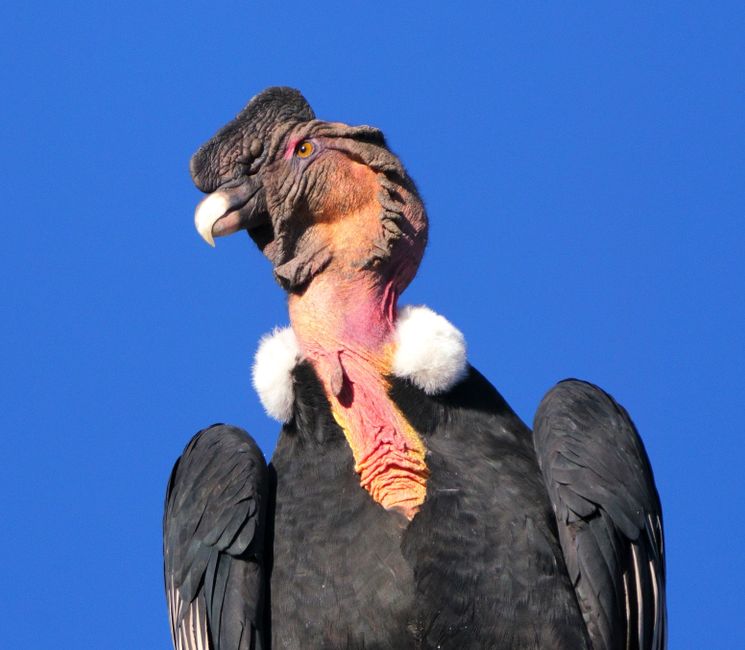
California Condors: A New Avian Flu Threat to a Species Pulled Back From the Brink
Decades ago, the California condor (Gymnogyps californianus) teetered on the precipice of oblivion, its numbers dwindling to a mere 22 individuals in the wild. A monumental conservation effort, involving captive breeding and meticulous reintroduction programs, has slowly and painstakingly resurrected this iconic species, allowing their wings to once again grace the skies of California, Arizona, and Utah. However, a new and potentially devastating threat has emerged in the form of highly pathogenic avian influenza (HPAI), a viral disease that has wreaked havoc on bird populations globally. The potential for HPAI to decimate the recovering California condor population, which remains critically endangered, presents a grave new challenge to conservationists and underscores the fragility of even the most successful recovery stories. This article will explore the history of California condor conservation, the devastating impact of avian influenza on wild bird populations, the specific vulnerabilities of the condor to this disease, and the urgent measures being implemented and considered to protect these magnificent birds from this unprecedented threat.
The plight of the California condor in the latter half of the 20th century was a stark illustration of human impact on the environment. Habitat loss due to development, lead poisoning from ingesting ammunition fragments in carcasses, and direct persecution led to a catastrophic decline. By 1982, the decision was made to capture the last remaining wild condors and initiate an intensive captive breeding program. This bold move, though controversial at the time, proved to be the species’ salvation. The program, managed by organizations like the San Diego Zoo Safari Park and the Los Angeles Zoo, carefully bred condors in captivity, ensuring genetic diversity and preparing them for eventual release back into the wild. The first successful reintroduction began in 1992, and since then, the wild population has grown to over 300 individuals, with a total population of nearly 500 when considering captive birds. This recovery is widely hailed as one of conservation’s greatest success stories, a testament to dedicated scientific research, public support, and unwavering commitment.
However, the specter of disease has always loomed large over endangered species, particularly those with small, concentrated populations. The recent and widespread outbreaks of HPAI, particularly the H5N1 strain, have demonstrated its devastating potential across a vast array of avian species, from domestic poultry to wild waterfowl, raptors, and scavengers. HPAI is a highly contagious and often lethal viral infection that can spread rapidly through bird populations. Symptoms can include respiratory distress, neurological signs, and sudden death. While some species exhibit higher resistance or asymptomatic infection, others, particularly those with limited genetic diversity or a history of population stress, are highly susceptible. The virus is shed through feces, saliva, and nasal secretions, allowing for rapid transmission through direct contact, contaminated environments, and ingestion of infected materials.
The California condor, despite its remarkable recovery, faces a unique set of vulnerabilities to HPAI. As obligate scavengers, condors rely on consuming carcasses of deceased animals for sustenance. This feeding strategy places them at an increased risk of exposure to pathogens present in carrion, including HPAI. If a carcass is contaminated with the virus, a condor consuming it could become infected. Furthermore, their relatively small wild population, while growing, is still concentrated in specific geographic areas, facilitating potential rapid spread of the disease if it gains a foothold. The fact that they are large, long-lived birds means that any mortality event can have a significant impact on the overall population trajectory. Moreover, the ongoing reintroduction efforts mean that many condors are still monitored and managed closely, making outbreaks highly visible and immediately concerning.
The first confirmed case of HPAI in a California condor was reported in 2022 in Arizona, a devastating blow to the conservation community. This single confirmed death, followed by further confirmed cases and suspected exposures in subsequent months, highlighted the very real and present danger that avian flu poses to the species. The incident prompted immediate investigation and increased surveillance by wildlife health officials and conservation biologists. The discovery sent shockwaves through the organizations responsible for condor recovery, triggering a reassessment of existing emergency protocols and the development of new strategies to mitigate the risk. The presence of HPAI within the condor population necessitates a multi-pronged approach to prevention, detection, and response, involving a coordinated effort between federal and state wildlife agencies, zoos, and research institutions.
Preventing the introduction of HPAI into condor populations is the primary line of defense. This involves stringent biosecurity measures at captive breeding facilities, preventing contact between captive birds and wild populations. For wild condors, efforts focus on reducing their exposure to the virus. This includes monitoring known HPAI hotspots in wild bird populations and, where feasible, temporarily altering condor feeding sites or supplementing food sources to steer them away from areas with high viral shedding. Public awareness campaigns are also crucial, educating hunters and the general public about responsible carcass disposal and the signs of HPAI in wild birds to minimize the potential for indirect transmission.
Detection and rapid response are critical if HPAI does breach the defenses. Enhanced surveillance programs are in place to monitor wild condor health, looking for signs of illness or unusual mortality. This includes regular visual surveys of known condor foraging areas and swift investigation of any reported deaths. Genetic testing of dead or sick birds is vital to confirm HPAI presence and strain. If an outbreak is detected, response teams are prepared to implement containment measures. This could involve temporarily removing affected birds from the wild for treatment or supportive care in specialized facilities, implementing localized quarantines, and conducting more intensive carcass removal in affected areas to reduce the viral load.
The management of infected condors presents significant challenges. Treating HPAI in wild, free-flying birds is exceedingly difficult, if not impossible. The focus is often on supportive care for those that can be safely captured and brought into intensive care, but the survival rates can be low. For the critically endangered California condor, every individual is precious, and the decision to intervene is a complex one, weighing the potential benefit of treatment against the risks of capture and handling stress. Research into potential antiviral treatments for condors, while still in its nascent stages, offers a glimmer of hope for future interventions.
Furthermore, genetic management within the condor population is a crucial long-term consideration. While the captive breeding program has fostered genetic diversity, understanding the genetic susceptibility of different condor lineages to HPAI could inform future breeding and reintroduction strategies. Identifying individuals with potentially higher resilience or understanding the genetic factors that might confer resistance could play a role in bolstering the species’ ability to withstand future disease threats. This advanced genetic understanding is a complex undertaking, requiring extensive genomic research and careful analysis.
The ongoing threat of HPAI underscores the dynamic and often unpredictable nature of conservation. Success in bringing a species back from the brink does not guarantee its long-term survival; it merely provides a window of opportunity to address existing and emerging threats. The California condor’s recovery is a remarkable achievement, but the current challenge posed by avian influenza serves as a stark reminder that conservation efforts must be adaptive, innovative, and continually vigilant. The fate of this magnificent scavenger hinges on the continued collaboration of scientists, conservationists, policymakers, and the public, working together to navigate this new and formidable obstacle. The lessons learned from this unfolding crisis will undoubtedly inform future conservation strategies for other endangered species facing similar biological threats. The resilience of the California condor, and indeed the success of conservation as a whole, will be tested by its ability to adapt to and overcome challenges like the persistent and evolving threat of avian influenza. The future of the California condor, a symbol of wilderness and a testament to human dedication, depends on a proactive and robust response to this avian flu pandemic.