Mastering Meta: A Comprehensive Guide to Optimal Facebook Ad Dimensions and Specifications for Peak Performance


In the dynamic realm of digital advertising, the meticulous adherence to technical specifications is as crucial as the creative brilliance of a campaign. For businesses and marketers leveraging Meta’s expansive ecosystem, understanding and implementing the correct Facebook ad sizes and formats is not merely a technicality but a fundamental pillar of strategic success. This guide provides an in-depth exploration of the optimal dimensions, aspect ratios, and file requirements across various Meta placements, offering a critical roadmap for maximizing campaign effectiveness and ensuring a seamless user experience.

The Evolving Landscape of Digital Advertising on Meta Platforms
Facebook, now a cornerstone of the Meta family of applications, has consistently evolved its platform to accommodate diverse content formats and user consumption habits. From its early days as a desktop-centric social network, Facebook has transformed into a mobile-first powerhouse, with a significant majority of its over 3 billion monthly active users accessing the platform via smartphones. This shift has profoundly influenced ad design, necessitating flexible yet precise guidelines to ensure content renders optimally across an array of devices and placements, including the News Feed, Stories, Reels, Marketplace, and various extensions through the Audience Network. The underlying rationale for these detailed specifications is two-fold: to preserve the platform’s user experience by preventing distorted or poorly displayed ads, and to empower advertisers with the tools to create highly engaging and effective campaigns that resonate with their target audiences.

The Indispensable Role of Ad Specifications in Campaign Success
The seemingly minor details of pixel dimensions, aspect ratios, and file types carry significant weight in the ultimate performance of an advertising campaign. Incorrectly sized or formatted ads can lead to a cascade of negative outcomes: images may appear pixelated or stretched, videos could be cropped awkwardly, and crucial calls-to-action might be obscured by interface elements. Such visual imperfections not only detract from the professional appearance of a brand but also severely impair user engagement, leading to lower click-through rates (CTRs), reduced conversions, and ultimately, wasted advertising spend. Meta’s algorithms are designed to favor high-quality content that adheres to its guidelines, meaning properly formatted ads are more likely to receive broader distribution and achieve better performance metrics. Adhering to these guidelines is, therefore, a direct investment in campaign efficiency and brand integrity.
A Detailed Overview of Facebook Ad Sizes Across Placements
To navigate Meta’s diverse advertising inventory, a clear understanding of each placement’s specific requirements is essential. The following outlines the recommended sizes and specifications for popular ad formats:
Facebook Feed Ad Sizes
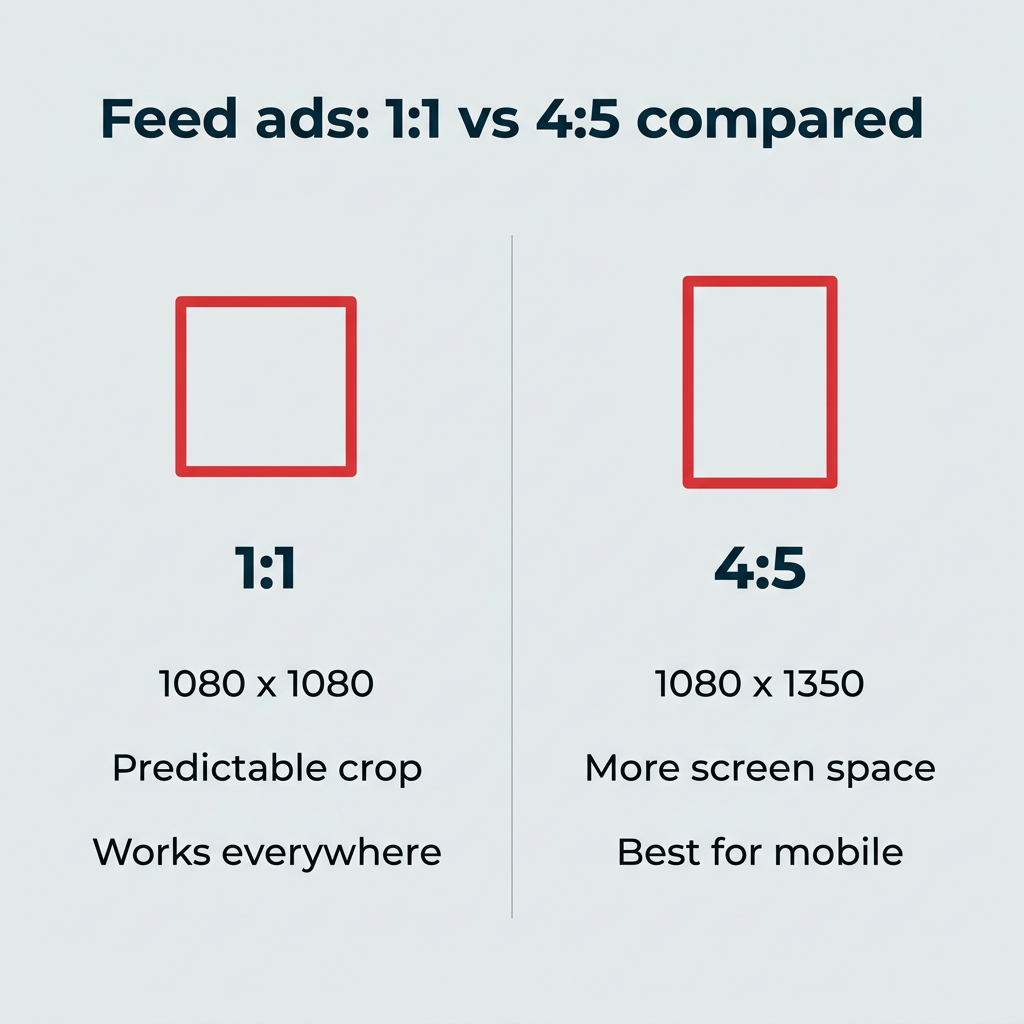
The News Feed remains the most prominent placement for Facebook advertising, serving as the primary content stream for users. Ads here can be single images, videos, or carousels. Given that approximately 81.8% of Facebook users access the platform exclusively via mobile devices, optimizing for mobile feed visibility is paramount.

- Feed Image Ads:
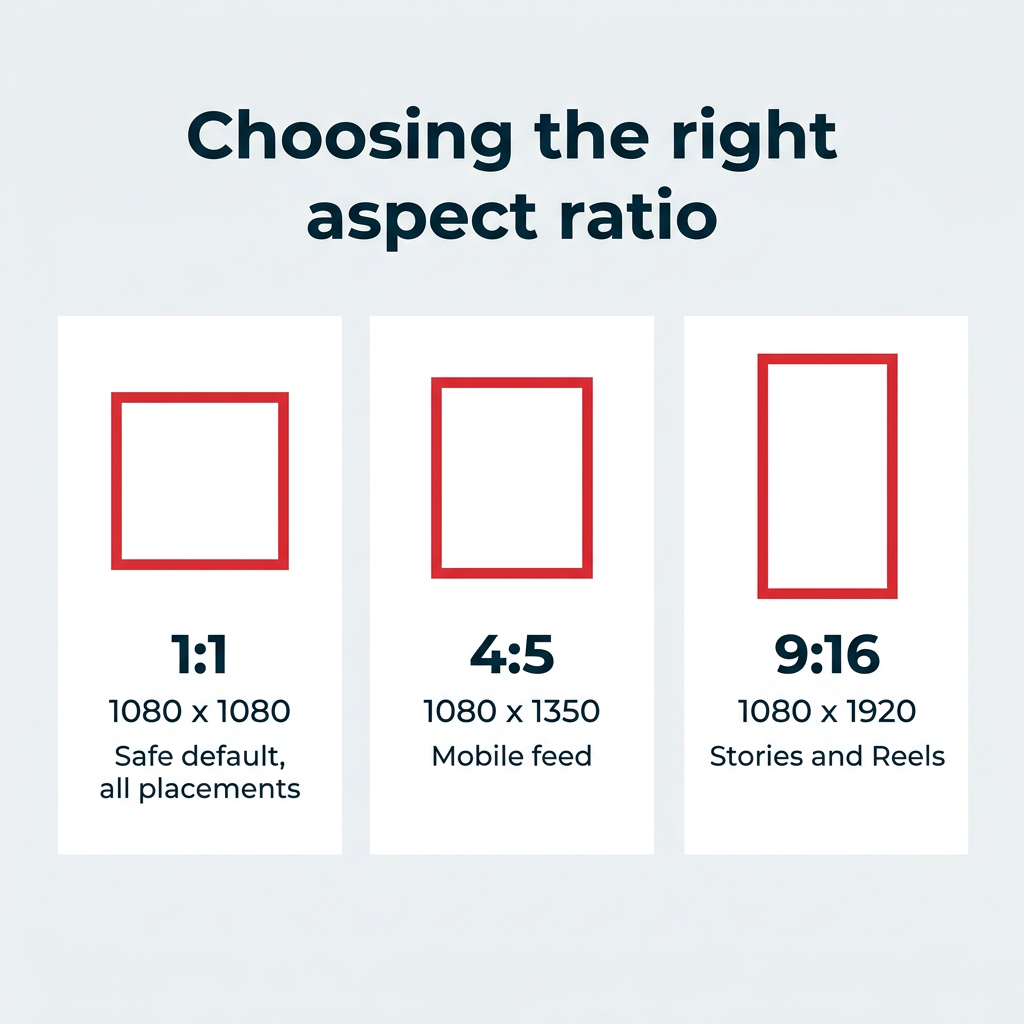
- Recommended Size: 1440 x 1440 pixels (for 1:1 aspect ratio) or 1440 x 1800 pixels (for 4:5 aspect ratio).
- Aspect Ratio: 1:1 (square) or 4:5 (vertical). The 4:5 ratio is often preferred for mobile feeds as it occupies more screen real estate, increasing visibility.
- File Types: PNG, JPG.
- Maximum File Size: 30MB.
- Text: Up to 125 characters for primary text; headline up to 40 characters; link description up to 30 characters.
- Feed Video Ads:
- Recommended Size: 1440 x 1440 pixels (for 1:1 aspect ratio) or 1440 x 1800 pixels (for 4:5 aspect ratio).
- Aspect Ratio: 1:1 or 4:5.
- File Types: MP4, MOV, GIF.
- Maximum File Size: 4GB.
- Video Length: 1 second to 241 minutes.
- Resolution: At least 1080 x 1080 pixels.
Facebook Carousel Ad Sizes
Carousel ads are highly versatile, allowing advertisers to showcase between two and ten images, videos, or a combination, each with its own link. They are effective for product catalogs, storytelling, or highlighting multiple features.
- Recommended Size: 1080 x 1080 pixels or larger.
- Aspect Ratio: 1:1 (square) for most placements. A 4:5 ratio is also supported for Advantage+ catalog-only carousels.
- File Types: PNG, JPG (for images); MP4, MOV, GIF (for videos).
- Maximum File Size: 30MB (image), 4GB (video).
- Cards: 2 to 10 cards.
- Text: Primary text up to 125 characters; headline up to 40 characters; link description up to 20 characters.
Facebook Stories Ad Sizes
Stories ads offer an immersive, full-screen vertical experience, appearing between organic user stories. They are designed for quick, engaging content.

- Recommended Size: 1440 x 2560 pixels.
- Aspect Ratio: 9:16 (full vertical).
- File Types: PNG, JPG (for images); MP4, MOV, GIF (for videos).
- Maximum File Size: 30MB (image), 4GB (video).
- Video Length: 1 to 60 seconds (video ads play for 10 seconds at a time; image ads display for 5 seconds).
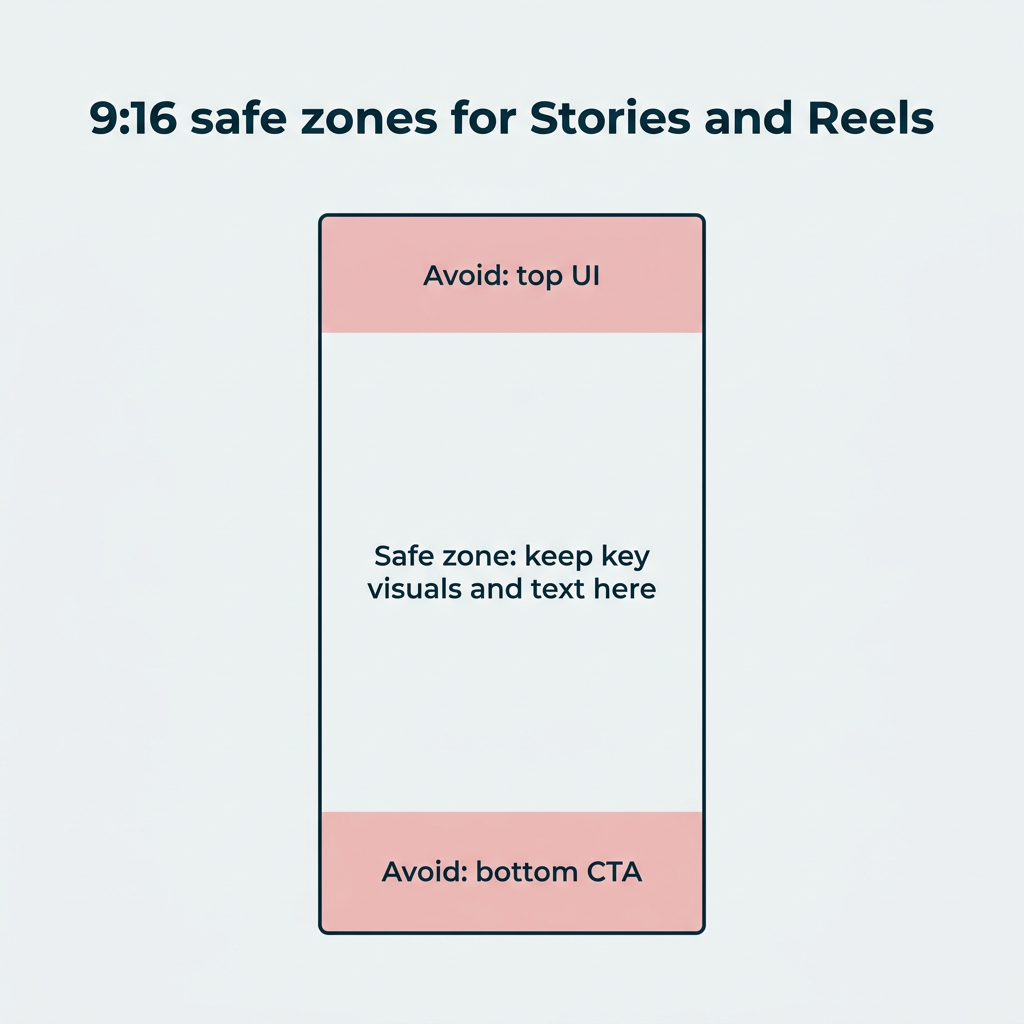
- Safe Zone: Key visuals and call-to-action buttons should be placed within the central 1080 x 1420 pixel area to avoid being obscured by UI elements at the top and bottom of the screen.
Facebook Reels Ad Sizes
Mirroring the success of short-form video platforms, Facebook Reels provide another dynamic avenue for advertising. Ads can be integrated directly between organic Reels or appear as image overlays.

- Reels Video Ads:
- Recommended Size: 1440 x 2560 pixels.
- Aspect Ratio: 9:16.
- File Types: MP4, MOV, GIF.
- Maximum File Size: 4GB.
- Video Length: 1 second to 90 seconds.
- Safe Zone: As with Stories, ensure critical content is within the 1080 x 1420 pixel safe zone.
- Reels Image Overlay Ads:
- Recommended Size: 1080 x 1080 pixels or larger.
- Aspect Ratio: 1.91:1 to 1:1. These appear as small banners at the bottom of organic Reels.
- File Types: PNG, JPG.
- Maximum File Size: 30MB.
Facebook In-Stream Video Ad Sizes
In-stream video ads are strategically placed within other video content on Facebook, including live streams. They can be skippable or non-skippable, influencing user interaction.

- Recommended Size: 1080 x 1080 pixels or larger.
- Aspect Ratio: 16:9 (horizontal) or 1:1 (square).
- File Types: MP4, MOV, GIF.
- Maximum File Size: 4GB.
- Video Length: 5 to 60 seconds.
- Resolution: At least 1080 x 1080 pixels.
Facebook Collection Ad Sizes
Collection ads are specifically designed for e-commerce, linking directly to an Advantage+ product catalog. They present a main image or video followed by several product images, leading to an "Instant Experience" full-screen mobile storefront upon tap.

- Feed Collection Ads:
- Recommended Size: 1080 x 1080 pixels or larger for product images.
- Aspect Ratio: 1:1 for product images.
- File Types: PNG, JPG (images); MP4, MOV, GIF (video for primary visual).
- Maximum File Size: 30MB (image), 4GB (video).
- Reels and Video Collection Ads:
- Recommended Size: 1440 x 2560 pixels for the main video. Product images are automatically generated from the catalog.
- Aspect Ratio: 9:16 for the main video.
- File Types: MP4, MOV, GIF for the main video.
Facebook Marketplace Ad Sizes
Marketplace ads are image-only formats shown within the Marketplace tab, but also utilize Meta’s Advantage+ placement algorithm to appear in other relevant feeds. They are highly conversion-focused, targeting users actively seeking products.

- Recommended Size: 1080 x 1080 pixels or larger.
- Aspect Ratio: 1:1.
- File Types: PNG, JPG.
- Maximum File Size: 30MB.
Additional Facebook Ad Placements
Beyond the primary feeds, Meta offers several niche placements that can extend reach and cater to specific objectives.

- Facebook Right-Column Ad Sizes:
- Recommended Size: 1080 x 1080 pixels or larger.
- Aspect Ratio: 1:1.
- File Types: PNG, JPG.
- Maximum File Size: 30MB.
- Note: Desktop-only placement, best for brand awareness or traffic. Text on image is generally discouraged due to small size.
- Facebook Search Results Ad Sizes:
- Recommended Size: 1080 x 1080 pixels or larger.
- Aspect Ratio: 1:1.
- File Types: PNG, JPG (images); MP4, MOV, GIF (videos).
- Maximum File Size: 30MB (image), 4GB (video).
- Note: Highly effective for intent-based targeting, appearing when users search for related terms.
- Facebook Business Explore Ad Sizes:
- Recommended Size: 1080 x 1080 pixels or larger.
- Aspect Ratio: 1.91:1 to 1:1.
- File Types: PNG, JPG (images); MP4, MOV, GIF (videos).
- Maximum File Size: 30MB (image), 4GB (video).
- Note: Mobile-only, appears when users explore businesses within a specific category.
- Audience Network Ad Sizes:
- Audience Network Banner: 320 x 50 pixels (banner aspect ratio). File types: PNG, JPG; Max size: 30MB.
- Audience Network Interstitial: 320 x 480 pixels (9:16) or 480 x 320 pixels (16:9). File types: PNG, JPG (images); MP4, MOV (videos); Max size: 30MB (image), 4GB (video).
- Note: Extends ads to third-party apps and websites, offering broader reach.
Universal Guidelines and Strategic Implications
Beyond placement-specific dimensions, several overarching guidelines apply to most Facebook (Meta) ads:

- Meta vs. Facebook Ad Sizes: There is no distinction; both terms refer to the same specifications as Facebook is a product within the Meta family.
- The 20% Text Rule: While Meta no longer strictly enforces a limit on the amount of text on an image, ads with less text on the visual creative tend to perform better and receive broader delivery. This recommendation underscores Meta’s preference for visually driven, less cluttered advertisements.
- File Size Limits: A consistent maximum of 30MB for image files and 4GB for video files across virtually all placements. Exceeding these limits will result in rejection or compression, compromising quality.
- Aspect Ratio Flexibility: While 1:1 (square) is often the safest universal choice due to its predictable cropping across various placements, 4:5 for mobile feed ads and 9:16 for full-screen vertical formats like Stories and Reels are superior for maximizing screen presence and engagement within their native environments.
Strategic Implications for Advertisers
For advertisers, a deep understanding of these specifications offers several critical advantages:

- Optimized Performance: Correctly sized and formatted ads are inherently more visually appealing, leading to higher engagement rates (likes, comments, shares), improved CTRs, and better conversion metrics. This directly translates to a more efficient use of advertising budget and a stronger return on investment (ROI).
- Enhanced Brand Perception: Professional and polished ad creatives reflect positively on the brand, conveying attention to detail and a commitment to quality. Conversely, poorly formatted ads can diminish brand credibility.
- Algorithmic Advantage: Meta’s advertising algorithms are designed to prioritize and reward high-quality, relevant content. Ads that adhere to technical specifications are more likely to be favored by these algorithms, leading to better ad delivery and reduced costs.
- Streamlined Campaign Management: By preparing assets according to guidelines from the outset, advertisers can avoid last-minute adjustments, rejections, and delays, ensuring smoother campaign launches and ongoing management.
- Cross-Platform Consistency: While specific dimensions vary, understanding the underlying principles (e.g., mobile-first design, safe zones) allows advertisers to create a cohesive brand presence across Meta’s diverse app family.
Conclusion
In an increasingly competitive digital landscape, the mastery of Meta’s advertising specifications is not a mere technical footnote but a strategic imperative. The ongoing evolution of Meta’s platforms, characterized by new formats and user behaviors, necessitates continuous vigilance from advertisers to stay abreast of the latest guidelines. By meticulously adhering to recommended ad dimensions, aspect ratios, and file requirements, businesses can ensure their campaigns are not only visually compelling but also optimally positioned for maximum reach, engagement, and conversion. This proactive approach transforms technical constraints into powerful tools for achieving unparalleled success in the expansive world of Meta advertising.