Sri Lanka Workers Defy Strike Ban To Protest Imf Bailout Plan 115824
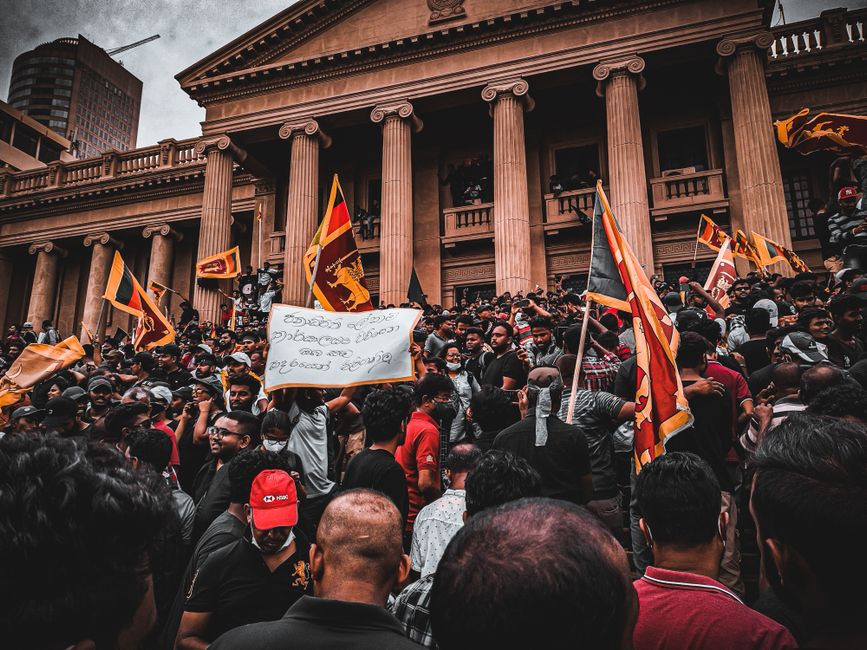
Sri Lanka Workers Defy Strike Ban to Protest IMF Bailout Plan
On the 24th of May, 2023, a significant act of civil disobedience unfolded in Sri Lanka as workers across various sectors defiantly took to the streets, disregarding an official ban on strikes, to voice their strong opposition to the International Monetary Fund (IMF) bailout package. This widespread industrial action, involving thousands of laborers, trade union leaders, and concerned citizens, signaled a deep-seated distrust of the government’s economic policies and a palpable fear of the austerity measures anticipated to accompany the IMF’s financial lifeline. The protests were not isolated incidents but rather a coordinated wave of dissent, demonstrating a unified front against what many perceive as an imposed economic agenda detrimental to the livelihoods of ordinary Sri Lankans. The strike ban, enacted by the government in an attempt to maintain stability and reassure international lenders, proved largely ineffective against the determined resolve of the populace.
The core of the workers’ grievances lies in the stringent conditions attached to the IMF’s Extended Fund Facility (EFF) program. While the IMF presents the bailout as a necessary step to stabilize Sri Lanka’s crippled economy, ravaged by years of mismanagement and the devastating impact of the COVID-19 pandemic, trade unions and labor organizations argue that the proposed reforms will disproportionately burden the working class. Key among their concerns are the potential for significant cuts to public sector employment, reductions in social welfare programs, increased taxation, and the privatization of state-owned enterprises. These measures, they contend, will lead to widespread unemployment, diminished access to essential services, and a further erosion of living standards for a population already grappling with record-high inflation and a severe cost of living crisis. The sentiment is that while the IMF aims to address macro-economic imbalances, the human cost of these adjustments is being overlooked or deliberately ignored by the ruling elite.
The decision to ban strikes, officially termed "essential services" disruptions, was met with immediate condemnation from labor rights advocates and opposition parties. They argued that such a prohibition fundamentally undermined the democratic right to protest and express dissent, a right that is enshrined in the Sri Lankan constitution. The government’s justification centered on the argument that maintaining uninterrupted services was crucial for economic recovery and to demonstrate to the IMF and other creditors that Sri Lanka was committed to implementing the necessary reforms. However, for the protesting workers, this rationale rang hollow. They saw the ban as a tool to silence opposition and push through unpopular policies without genuine consultation or consideration for the welfare of the people they represent. The defiance of this ban, therefore, was not merely an act of protest; it was a reclaiming of their voices and a powerful assertion of their agency in shaping the nation’s economic destiny.
Trade unions played a pivotal role in organizing and mobilizing the protests. Representatives from sectors ranging from banking and healthcare to transportation and education united under a common banner of opposition. They held press conferences, issued statements, and strategically coordinated their actions to maximize impact. The leadership of these unions emphasized that their protest was not against economic assistance itself but against the neoliberal prescriptions offered by the IMF, which they believe exacerbate existing inequalities. They called for alternative solutions that would prioritize job security, social protection, and a more equitable distribution of wealth. The interconnectedness of various labor unions underscored the broad-based nature of the discontent, indicating that this was not a fringe movement but a significant segment of the Sri Lankan workforce united in their concerns.
The protests manifested in various forms across the island. In major cities like Colombo, thousands of workers participated in marches and demonstrations, chanting slogans and carrying placards that clearly articulated their opposition to the IMF deal. In some instances, workers engaged in work stoppages within their respective institutions, causing temporary disruptions to services. The striking workers also made efforts to engage with the public, disseminating information about the potential repercussions of the IMF bailout and garnering broader support for their cause. Social media platforms were also utilized effectively to share images, videos, and testimonies, amplifying their message and connecting with a wider audience, both domestically and internationally. The strategic use of diverse protest methods aimed to maintain pressure on the government while minimizing undue hardship on the general populace.
The government’s response to the protests has been a mixture of reassurance and stern warnings. While some officials have acknowledged the concerns of the workers, they have simultaneously reiterated the necessity of the IMF program for economic salvation. Security forces were reportedly deployed to monitor the demonstrations, and there were reports of some minor scuffles, though large-scale violence was largely averted. The government’s stance suggests a commitment to proceeding with the IMF-backed reforms, regardless of the domestic opposition. This approach has further fueled the anger and frustration of the protesting workers, who feel their legitimate concerns are being dismissed. The government’s focus on appeasing international financial institutions appears to be taking precedence over addressing the immediate anxieties of its own citizens.
Economic analysts have offered diverse perspectives on the situation. Some economists argue that the IMF bailout, with its accompanying structural reforms, is indeed the only viable path to steer Sri Lanka away from economic collapse. They point to the country’s unsustainable debt levels and the need for fiscal discipline, arguing that the proposed measures, while painful in the short term, are essential for long-term stability and growth. These analysts often highlight the risks of continued economic stagnation and further debt accumulation if the bailout is rejected or significantly delayed. They also emphasize that the IMF program often comes with technical assistance and support for implementing reforms effectively, which could be beneficial for the country’s institutional capacity.
Conversely, other economists and social commentators echo the sentiments of the protesting workers, warning of the potential for social unrest and increased poverty if the austerity measures are implemented without adequate social safety nets. They advocate for a more people-centric approach to economic recovery, one that prioritizes job creation, equitable income distribution, and investment in human capital. These critics often question the fairness of imposing the burden of economic adjustment on the most vulnerable segments of society, arguing that the wealthy and powerful should also bear a greater responsibility. They might propose alternative debt restructuring models or domestic resource mobilization strategies that could lessen the reliance on external conditionalities.
The IMF’s official position, as articulated by its representatives, is that the bailout package is designed to help Sri Lanka restore macroeconomic stability and debt sustainability. They maintain that the program requires the government to implement a set of reforms aimed at strengthening public finances, improving governance, and fostering inclusive growth. The IMF typically emphasizes that the specific details of the reforms are determined in consultation with the borrowing country, although the overall framework is guided by the Fund’s lending policies and economic principles. They often express empathy for the challenges faced by the population but stress that difficult decisions are often necessary to address deep-seated economic problems.
The long-term implications of this widespread protest are significant. It has exposed the deep divisions within Sri Lankan society regarding economic policy and the role of international financial institutions. The government now faces a considerable challenge in balancing the demands of the IMF with the vocal opposition of its workforce. The sustainability of any economic recovery plan will likely depend on its ability to garner domestic buy-in and address the legitimate concerns of the people. Failure to do so could lead to continued social unrest, further political instability, and a prolonged period of economic hardship. The workers’ defiance has set a precedent, demonstrating that popular resistance can challenge even government-imposed restrictions when fundamental livelihoods are at stake.
Furthermore, the protests highlight the global debate surrounding the efficacy and equity of IMF-led structural adjustment programs. Critics of the IMF often point to historical examples where such programs have led to increased poverty and social inequality in developing nations. The Sri Lankan case provides a contemporary illustration of these ongoing concerns, prompting a re-evaluation of the conditionality attached to international financial assistance and the need for greater emphasis on social impact assessments and inclusive development strategies. The workers’ organized defiance sends a clear message that economic policies, however well-intentioned from a macro-economic perspective, must be designed and implemented with the direct input and well-being of the people at their forefront. The international community will be closely watching how Sri Lanka navigates this critical juncture, as the outcomes will have broader implications for debt management and economic governance in similar vulnerable economies. The success of the IMF bailout, and indeed Sri Lanka’s recovery, will be inextricably linked to its ability to bridge the gap between technocratic economic imperatives and the lived realities of its citizens.


