From Pitch to Programming How to Build Your Own Football Game with Godot Engine Amid EA Sports FC Release Anticipation

The annual cycle of football simulation video games is reaching its peak as the EA Sports FC 27 release date is widely believed to be set for September 25, bringing the next iteration of Electronic Arts’ massive franchise to the PlayStation 4, PlayStation 5, Xbox One, Xbox Series X/S, Nintendo Switch, and the much-anticipated Switch 2. While the release of a new EA Sports title remains a global event for millions of players, the lead-up to this year’s installment is characterized by a growing sense of fatigue among the community regarding technical bugs, stagnant gameplay mechanics, and the increasingly aggressive implementation of microtransactions within the Ultimate Team ecosystem. This dissatisfaction has opened a unique window for aspiring developers and enthusiasts to transition from being passive consumers of sports simulations to active creators, utilizing powerful open-source tools to build their own digital football experiences.
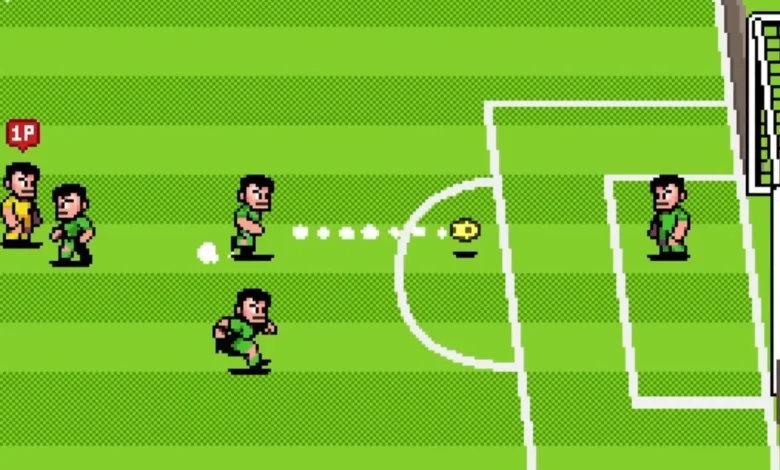
The emergence of the Godot Engine as a primary alternative to industry giants like Unity and Unreal Engine has revolutionized the landscape for indie developers. As a free and open-source platform, Godot has seen a surge in adoption following controversial licensing changes in other engines, positioning itself as a community-driven powerhouse for 2D and 3D game design. For those looking to challenge the status quo of football gaming or simply learn the intricacies of game physics and logic, a comprehensive new educational resource has surfaced. GameDev Tavern, a prominent voice in the indie development space, has released a free, 12-hour intensive course on YouTube specifically designed to guide users through the creation of an arcade-style soccer game from the ground up.
The Evolution of Football Simulators and the Current Market Gap
For over three decades, the football gaming market was defined by the rivalry between Electronic Arts’ FIFA series and Konami’s Pro Evolution Soccer (PES). However, recent years have seen a dramatic shift in this landscape. Following the high-profile split between EA and the FIFA governing body, EA rebranded its flagship series to EA Sports FC. While the first rebranded title, EA Sports FC 24, maintained strong commercial performance, it faced significant criticism for legacy bugs that have persisted for years. Concurrently, Konami’s transition to the free-to-play eFootball model was met with a lukewarm reception, leaving a void for players seeking the tight, responsive gameplay of classic arcade titles like Sensible Soccer or International Superstar Soccer.
The September 25 release window for the next EA installment follows the company’s traditional autumn launch schedule, strategically timed to coincide with the start of major European league seasons. Yet, the high entry price and the "pay-to-win" mechanics of modern sports titles have driven a segment of the audience toward the indie scene. This is where the Godot Engine offers a compelling proposition: the ability to create a customized, bug-free, and microtransaction-free football game without the overhead of expensive licensing fees.
Technical Deep Dive: Building a Soccer Simulator in 12 Hours
The tutorial series provided by GameDev Tavern is structured to demystify the complexities of sports game development, which is often considered one of the most difficult genres due to the unpredictable nature of ball physics and the requirement for complex artificial intelligence. The course is divided into 24 digestible 30-minute modules, allowing learners to progress from a blank project to a fully functional game in approximately 12 hours of study time.
The curriculum begins with the fundamental setup of the Godot environment, introducing users to the engine’s node-based architecture. Unlike other engines that rely on complex component systems, Godot uses a hierarchical scene structure that is particularly intuitive for beginners. The initial phases of the course focus on basic movement mechanics, ensuring that player controllers feel responsive—a critical factor in the success of any sports game.
As the tutorial progresses, it tackles more advanced concepts such as scalable state machines. In game development, a state machine allows a character (or the ball) to transition between different behaviors, such as "idle," "dribbling," "shooting," or "tackling." By making these machines scalable, developers can easily add new moves, such as bicycle kicks or diving headers, without breaking the existing codebase.
One of the most significant hurdles in football game design is the implementation of AI. The GameDev Tavern course devotes several episodes to AI-driven steering behaviors and decision-making processes. This involves programming non-player characters (NPCs) to understand spatial positioning, anticipate ball trajectories, and make tactical decisions based on the proximity of opponents. Furthermore, the course utilizes shaders—specialized programs that run on the GPU—to handle visual customization, such as dynamically changing player skin colors and jersey patterns, allowing for a diverse range of squads.
Data Management and UI Design
Beyond the action on the pitch, a successful football game requires robust systems for managing team data and presenting information to the player. The tutorial instructs developers on how to generate squads using JSON (JavaScript Object Notation) data. This approach is standard in the industry, as it allows developers to store player statistics, names, and attributes in external files that can be easily updated or modified without re-coding the entire game.
User Interface (UI) and User Experience (UX) design are also prioritized. A sports game relies heavily on its HUD (Heads-Up Display) to communicate match time, scores, and player stamina. The course guides users through the creation of these elements, ensuring that the final product has the professional polish associated with commercial releases. To further lower the barrier to entry, all necessary assets, including 3D models and textures, are provided for free via GitHub. This allows students to focus entirely on the logic and design aspects of development rather than getting bogged down in asset creation.
The Broader Impact of Open-Source Game Development
The rise of Godot and the availability of high-quality, free education reflect a broader trend: the democratization of game development. Historically, creating a sports simulator required a massive team and proprietary technology. Today, an individual with a standard laptop and an internet connection can produce a playable prototype that rivals the core mechanics of billion-dollar franchises.
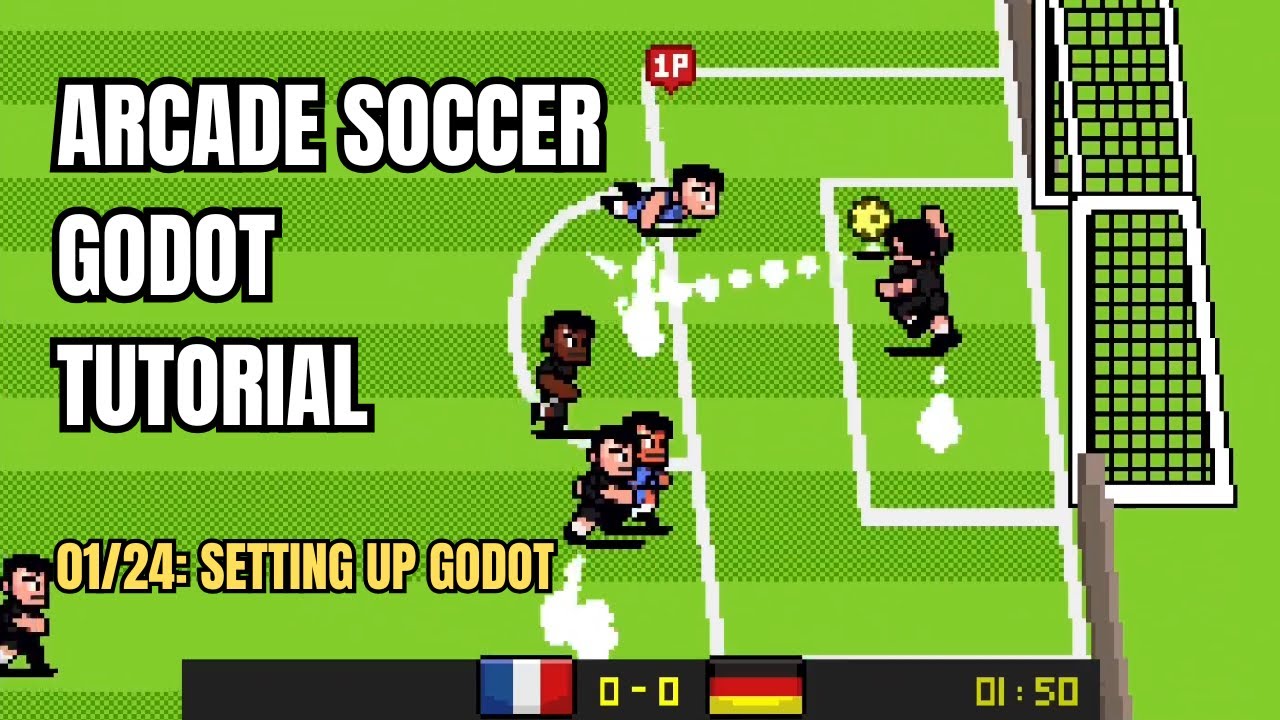
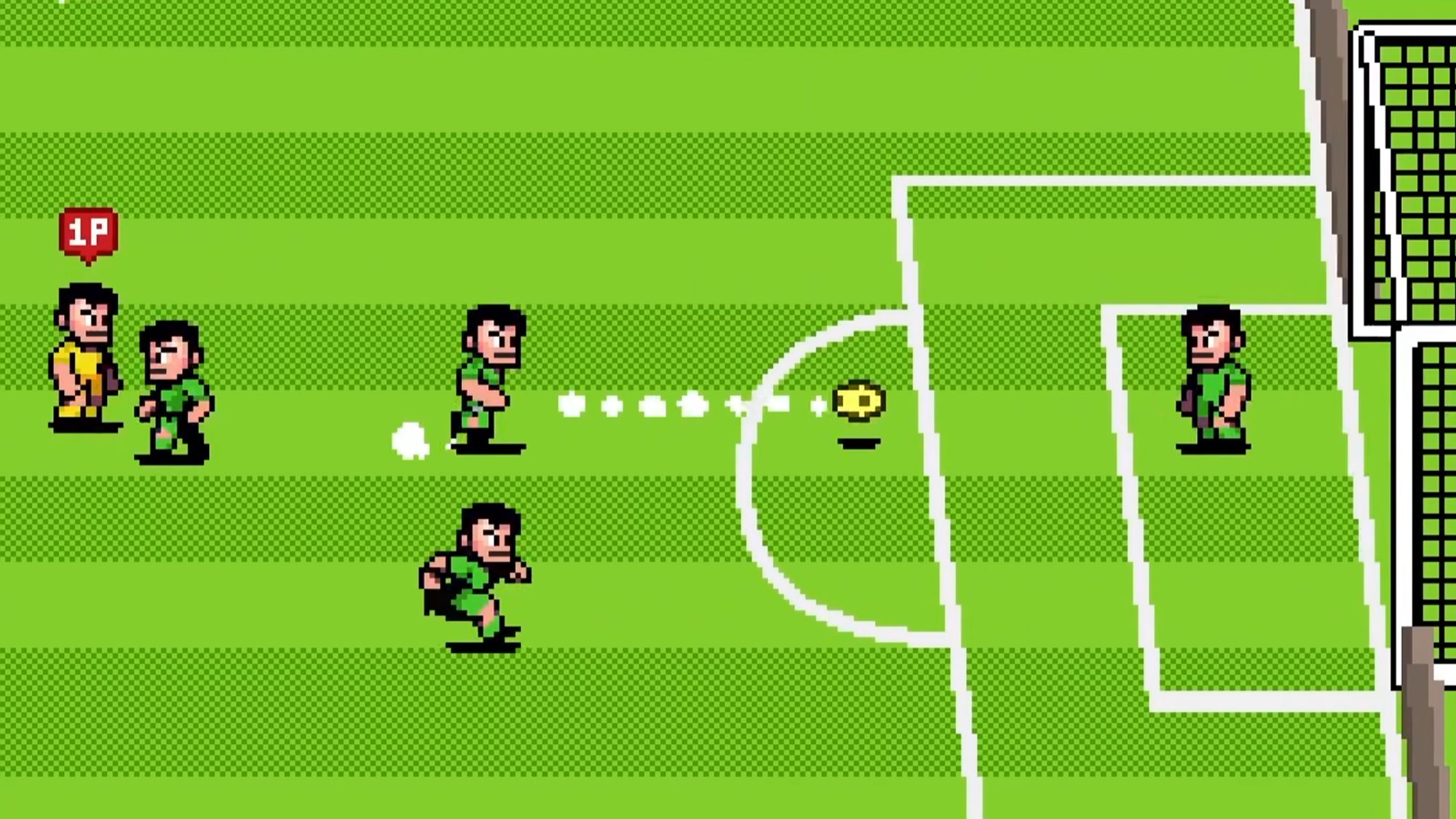
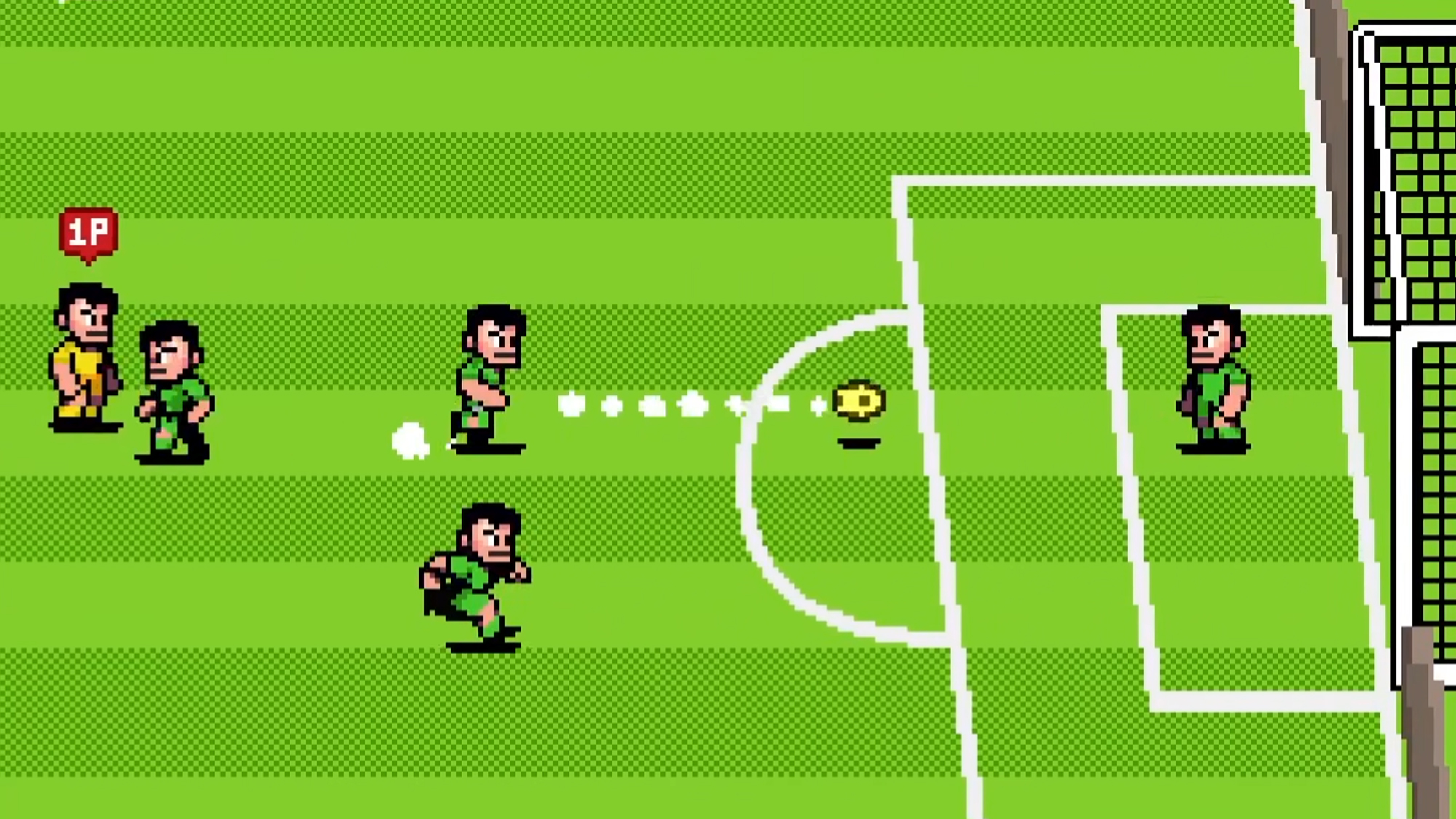
Industry analysts suggest that this democratization could lead to a "long tail" of niche sports games. While EA Sports FC will likely continue to dominate the "sim-realism" market due to its exclusive licensing of teams like Real Madrid, Manchester City, and Liverpool, indie developers are free to experiment with creative art styles and innovative gameplay loops. The "Super Soccer" project, which serves as the final product of the Godot tutorial, is currently playable on Itch.io, a popular platform for indie titles. This serves as a proof of concept that the tools are ready for prime time.
Future Implications for the Gaming Industry
The timing of this educational push is notable. With Argentina having recently faced Spain in high-stakes international competition, global interest in football is at a fever pitch. This cultural momentum often translates into a spike in game sales and, increasingly, a spike in interest regarding how these games are made.
The implications for Electronic Arts and other major publishers are twofold. First, the increasing competency of indie developers raises the baseline expectation for quality. If a single developer can create a smooth-playing arcade soccer game in their spare time, the tolerance for bugs in a $70 AAA title will continue to diminish. Second, as more players understand the "under the hood" mechanics of these games, there is likely to be a greater push for transparency regarding algorithmic difficulty adjustments and the mathematics behind loot boxes.
For the aspiring developer, the message is clear: the tools of production are no longer guarded by gatekeepers. The Godot Engine, supported by community resources like GameDev Tavern, provides a legitimate pathway into the industry. Whether one aims to build a commercial competitor to EA Sports FC or simply wants to create a personalized game to play with friends, the barrier to entry has never been lower. As September 25 approaches, many gamers will undoubtedly be lining up for the latest EA release, but a growing number may instead be sitting down at their desks, opening Godot, and beginning the journey of coding their own version of the beautiful game.