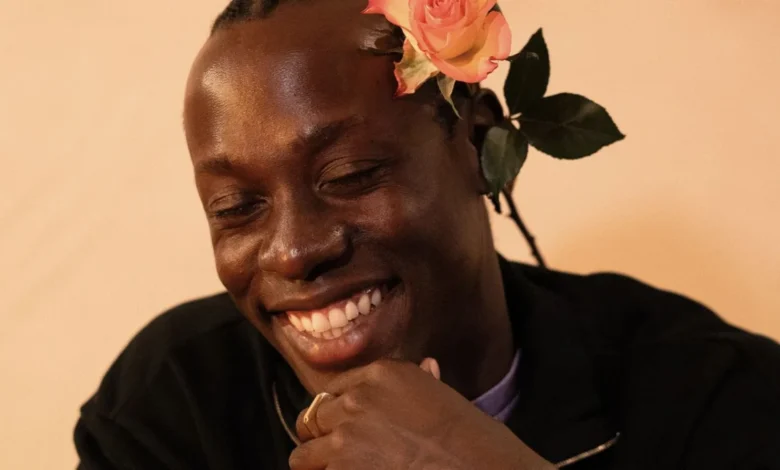
The landscape of digital content creation is undergoing a significant transformation as audiences increasingly pivot away from high-conflict "rage-bait" toward more mindful, optimistic narratives. At the forefront of this movement is David Larbi, a poet and content creator whose work has transitioned from the niche literary circles of Substack to a massive global audience on TikTok and Instagram. Larbi, who recently celebrated the success of his Sunday Times Bestselling book, Frequently Happy, recently shared insights into his creative process and the philosophy of digital optimism at the Adobe Creator Live event. This gathering, hosted by the software giant Adobe, serves as a focal point for the "Creator Economy," an industry now valued at an estimated $250 billion and projected to nearly double in the coming years.
The Evolution of a Digital Poet
David Larbi’s journey into the public eye was not a linear progression but rather a shift in personal philosophy regarding the relationship between an author and their work. Originally, Larbi sought to maintain a degree of anonymity, preferring that his audience interact with his literature without the influence of his personal identity. This traditional approach to authorship mirrors the "death of the author" theory, where the creator’s intent and personality are secondary to the reader’s interpretation. However, as the digital landscape evolved to prioritize authenticity and "face-to-camera" engagement, Larbi found that his work resonated more deeply when he became personally present within it.
During his session at Adobe Creator Live, Larbi noted that his transition to video platforms like TikTok and Instagram was a catalyst for personal growth. He described the process of becoming "intertwined" with his work as a form of self-acceptance. In the contemporary creator economy, "relatability" is a primary currency. For Larbi, this meant moving beyond the written word on a screen to sharing his voice and likeness, a move that allowed his audience to feel a more direct, human connection to his messages of hope and joy.
The Turning Point: Viral Vulnerability
The chronology of Larbi’s rise to prominence includes a pivotal moment on TikTok involving a poem titled "I Believe in You." At the time, Larbi considered himself outside the primary demographic of the platform, which was then dominated by younger Gen Z users. The poem, which Larbi describes as a "lesson to myself" regarding the maintenance of happiness, was posted with a sense of trepidation.
The author recounted feeling that he had "over-shared" or been "too vulnerable," a common anxiety among creators who produce personal or emotional work. However, the response was overwhelmingly positive. The video went viral overnight, garnering thousands of comments from individuals who found solace in his words. This event served as a proof of concept for Larbi’s brand of content: there was a significant, underserved market for sincerity and emotional support in a digital environment often characterized by cynicism.
Navigating the Negativity Bias in Social Media
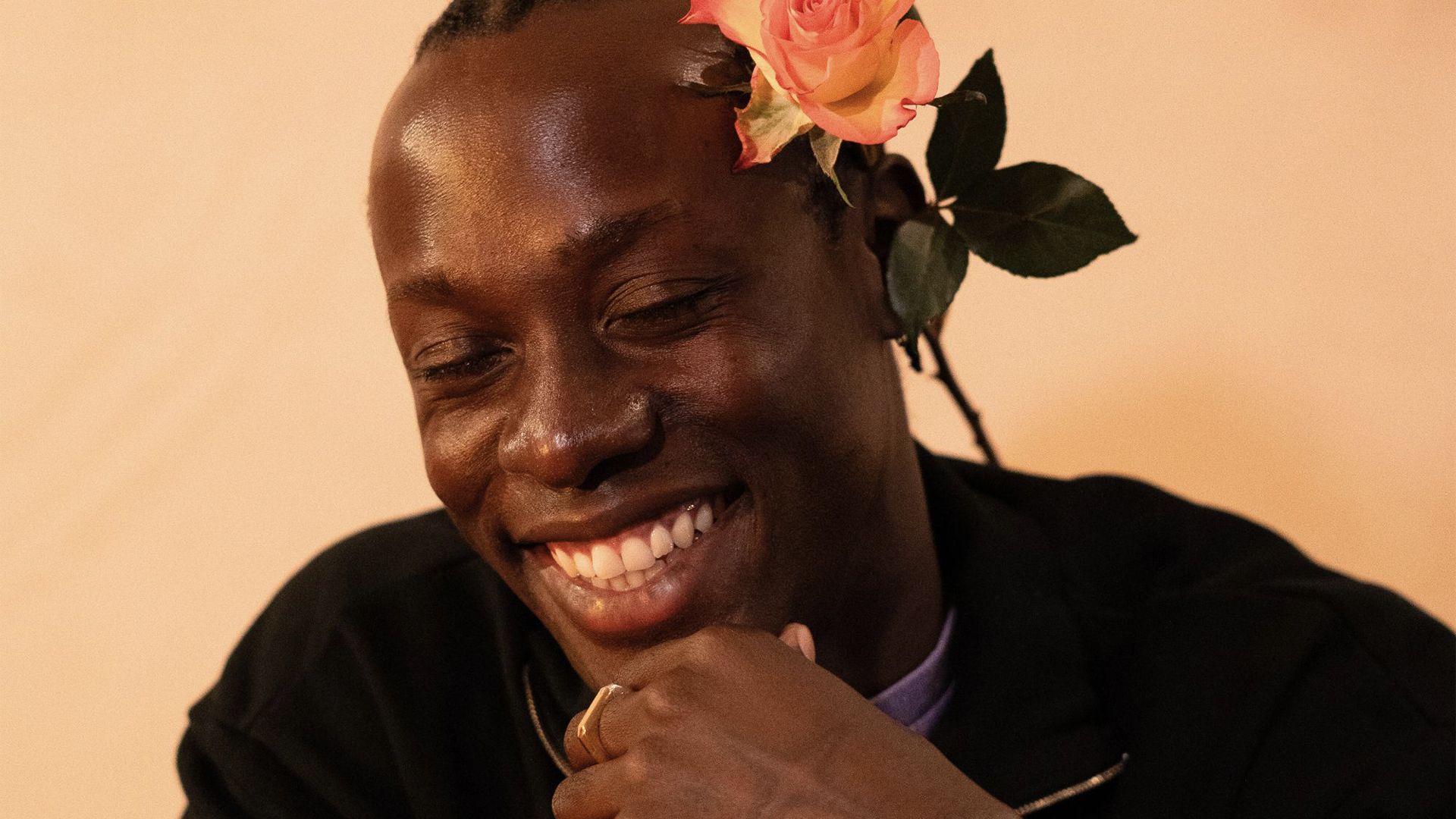
One of the most pressing challenges for creators like Larbi is the inherent "negativity bias" of social media algorithms and human psychology. Psychological research suggests that negative stimuli have a more significant impact on the human brain than positive ones. Larbi addressed this during his interview, acknowledging that "negativity cuts more deeply" and requires active effort to heal.
In the context of 2024 and 2025 digital trends, the term "toxic positivity" has often been used to criticize content that ignores systemic issues or genuine suffering in favor of a "just be happy" mantra. Larbi, however, distinguishes his work from this trend. He views optimism not as a denial of reality, but as a "conscious practice" and a necessary reminder of the purpose behind human struggle. His philosophy suggests that without the pursuit of joy and connection, the "fighting and pushing through" of daily life lacks a meaningful objective.
Industry Context: Adobe and the Creator Economy
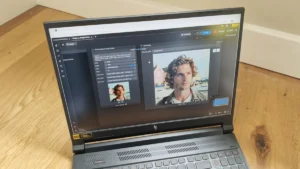
The venue for Larbi’s recent insights, Adobe Creator Live, highlights the growing institutional support for independent creators. Adobe has pivoted its business model to focus heavily on the "solopreneur" and the social media influencer, recognizing that these individuals now require professional-grade tools to compete in a saturated market.
Data from the 2023 Adobe "Future of Creativity" report indicates that creators who share original content daily report higher levels of life satisfaction, yet they also face significant risks of burnout. Events like Creator Live are designed to provide these creators with both the technical skills (using AI-integrated tools like Adobe Express and Firefly) and the community support necessary to sustain long-term careers. Larbi’s presence at such an event underscores the shift of poetry from a "starving artist" endeavor to a commercially viable and technologically integrated profession.
The Impact of Physical Connection in a Digital World
Despite his massive online following, which exceeds one million across various platforms, Larbi emphasizes the necessity of offline experiences. He highlighted a common pitfall in the creator economy: the dehumanization of metrics. When a creator views their audience solely through "views," "likes," and "shares," the individual human experience behind those numbers is often lost.
Larbi’s recent book tour for Frequently Happy provided a necessary counterweight to digital abstraction. He noted that while 100 "likes" might feel like a failure in the context of viral algorithms, speaking to 100 people in a physical room would be a daunting and significant event. The act of meeting readers who had spent time with his book—a slower, more deliberate form of media consumption than a 15-second scroll—reaffirmed his commitment to his craft. This sentiment aligns with a broader trend in the creator industry toward "hybrid" success, where digital reach is leveraged to build traditional assets like best-selling books, speaking engagements, and physical communities.
Supporting Data and Market Trends
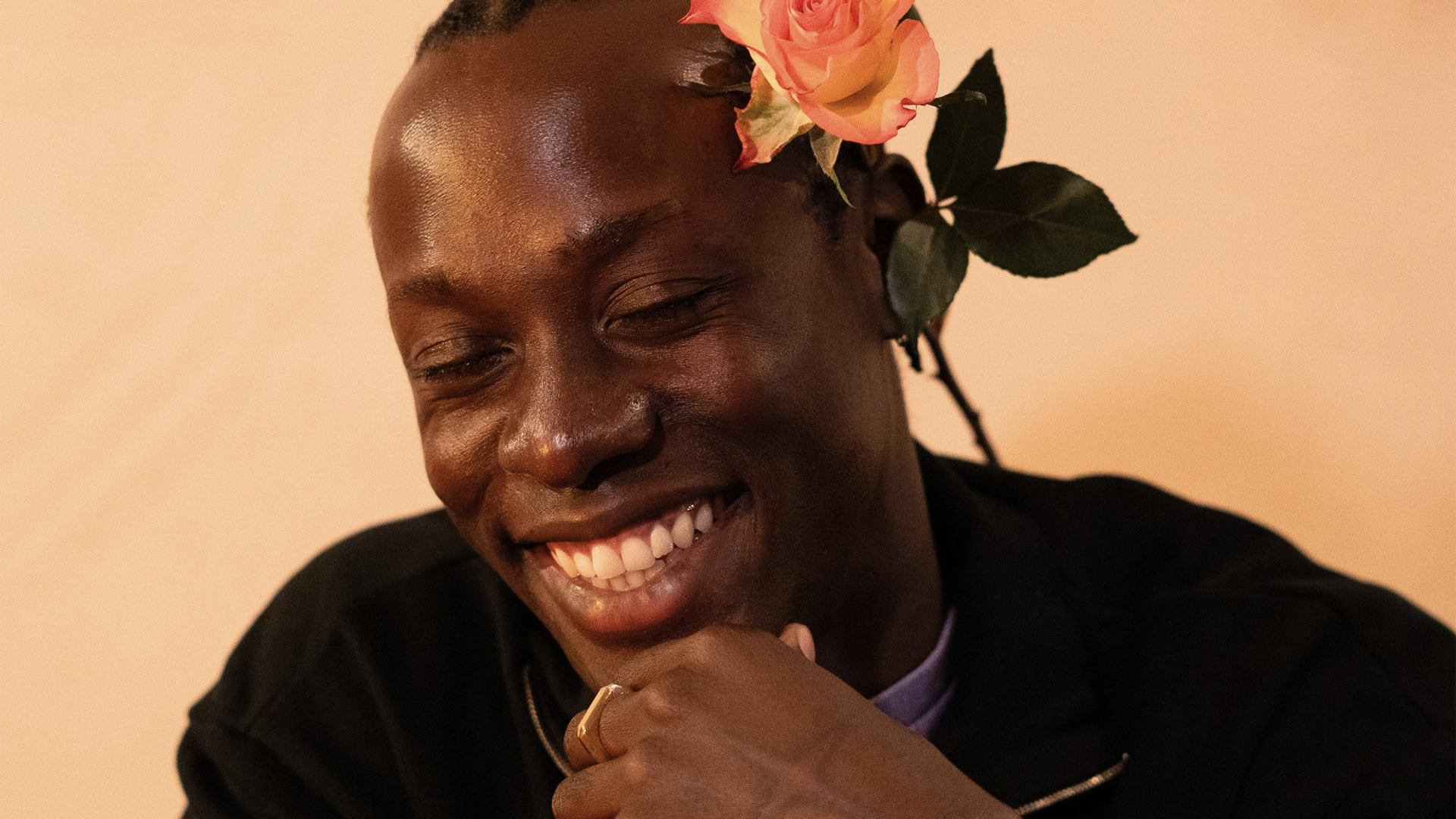
The success of creators like David Larbi is supported by several key market trends:
- The Growth of "Instapoetry" and Social Poetry: Since the mid-2010s, poetry has seen a resurgence in sales, largely driven by social media. According to Nielsen BookScan, poetry sales have grown consistently, with younger readers (ages 13–24) making up a significant portion of the buyers.
- Substack’s Expansion: Substack, where Larbi first encountered his audience, has reported that there are now over 35 million active subscriptions on the platform, with top creators earning six and seven-figure incomes. This platform allows for a deeper, "long-form" connection that complements the "short-form" reach of TikTok.
- Mental Health and Digital Consumption: A 2023 study published in the Journal of Media Psychology found that "prosocial" and "inspiring" social media content can significantly improve the mood of users, acting as a buffer against the negative effects of social comparison.
Broader Implications for the Future of Content
David Larbi’s approach suggests a maturing of the creator economy. As the initial novelty of social media fades, users are becoming more discerning about the "emotional calories" they consume. The transition from "rage-bait" to "hope-bait" represents a shift toward content that provides utility—not just in the form of information, but in the form of emotional regulation and mindfulness.
For the publishing and design industries, Larbi’s success offers a blueprint for how traditional media can integrate with digital personas. His book, Frequently Happy, is not merely a collection of text but an extension of a brand built on trust and vulnerability. This "community-first" publishing model reduces the risk for traditional publishers, as the author brings a pre-vetted, highly engaged audience to the table.
Conclusion and Actionable Mindfulness
As the interview at Adobe Creator Live concluded, Larbi offered a simple, actionable piece of advice for those looking to improve their mental well-being in an increasingly digital world: "Write down three things that made you happy today. Do them again tomorrow."
This directive encapsulates Larbi’s broader mission. By documenting "mindful moments," he encourages his audience to move from passive consumption to active participation in their own happiness. In a world of complex algorithms and shifting digital landscapes, Larbi’s enduring appeal lies in his return to the fundamental human needs for connection, hope, and the recognition of joy in the everyday. His trajectory from an anonymous writer to a Sunday Times Bestseller and a leading voice at Adobe Creator Live serves as a testament to the power of optimism as a professional and personal strategy in the modern age.