Record Store Day and the Resurgence of Analog Audio: A Comprehensive Look at the Vinyl Revival and Its Impact on the Music Industry

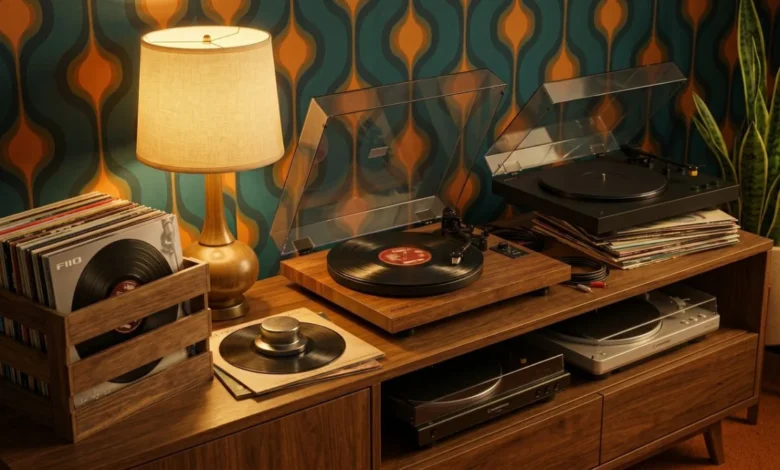
The annual celebration known as Record Store Day has evolved from a niche gathering of independent retailers into a global cultural phenomenon that signals a significant shift in consumer behavior within the music industry. While the digital revolution once threatened to render physical media obsolete, the contemporary landscape reveals a starkly different reality. For many listeners, the convenience of digital streaming services—governed by algorithms and instant accessibility—has begun to lose its luster, replaced by a growing desire for the tactile, intentional experience of analog audio. This transition is not merely a product of nostalgia but is rooted in a technical appreciation for sound quality, the aesthetic value of physical ownership, and a broader movement toward "intentional listening."
The Evolution of Record Store Day: From Concept to Global Phenomenon
Record Store Day (RSD) was officially founded in 2007 during a meeting of independent record store owners and employees in Baltimore, Maryland. The inaugural event took place on April 19, 2008, with Metallica famously kicking off the festivities at Rasputin Music in Mountain View, California. The primary objective was to celebrate the unique culture of independent record stores and to provide a platform for these small businesses to compete in an increasingly digital marketplace.
Over the past decade and a half, the event has expanded to include thousands of participating stores across every continent except Antarctica. The day is characterized by the release of exclusive, limited-edition vinyl records, ranging from reissues of classic albums to debut recordings from emerging artists. These releases are distributed solely to independent shops, creating a "treasure hunt" atmosphere that draws massive crowds and generates significant one-day revenue for small retailers.
The chronology of the vinyl revival is closely tied to the success of RSD. In the early 2000s, vinyl sales were a negligible fraction of the market, often relegated to second-hand bins and DJ specialty shops. However, by 2010, a clear upward trend began to emerge. The 2020s have seen this trend reach unprecedented heights, with vinyl records outselling compact discs for the first time in decades, a milestone that underscores the permanence of the analog resurgence.
Statistical Analysis: The Market Growth of Physical Media
The data supporting the vinyl revival is robust and consistently positive. According to the Recording Industry Association of America (RIAA) 2023 Year-End Music Industry Revenue Report, vinyl records experienced their 17th consecutive year of growth. Revenue from vinyl records grew by 10% to $1.4 billion, accounting for 71% of all physical format revenues. For the second time since 1987, vinyl records outsold CDs in units, with 43 million LPs sold compared to 37 million CDs.
In the United Kingdom, the British Phonographic Industry (BPI) reported similar trends, noting that vinyl sales reached their highest level since 1990. This growth is not confined to older demographics seeking to relive their youth; consumer research indicates that Gen Z and Millennial buyers are driving a significant portion of the demand. These younger consumers cite "tangibility" and "album art" as primary motivators for their purchases, viewing records as both functional audio media and collectible pieces of art.
The economic implications for independent retailers are profound. For many stores, Record Store Day accounts for a substantial percentage of their annual profit. The influx of foot traffic often leads to the sale of not only the exclusive RSD titles but also "back-catalog" records, turntables, and accessories.
The Technical Merit of Analog Sound: Beyond the Tactile Experience
The resurgence of vinyl is frequently attributed to the "warmth" of the sound, a term often used by audiophiles to describe the harmonic characteristics of analog playback. Unlike digital audio, which samples a sound wave at discrete intervals (quantization), a vinyl record is a continuous representation of the original waveform. The needle, or stylus, travels through the physical grooves of the record, converting mechanical vibrations into electrical signals that are then amplified.
This process introduces subtle distortions that many listeners find more pleasing to the ear than the clinical precision of high-bitrate digital files. Furthermore, the physical limitations of the vinyl format often require a different approach to mastering. To prevent the needle from jumping out of the groove, engineers must manage dynamic range and low-end frequencies carefully, often resulting in a master that avoids the "loudness wars" prevalent in digital streaming, where tracks are heavily compressed to sound as loud as possible.
The move toward "intentional listening" is a direct response to the "hollow" feeling of streaming mentioned by many enthusiasts. Streaming is often a passive experience—background music for other activities. In contrast, playing a vinyl record requires an active commitment. One must select the album, clean the surface, carefully lower the tonearm, and manually flip the disc halfway through. This ritual forces the listener to engage with the music as a primary activity rather than an incidental one.
Equipment Accessibility: Bridging the Gap from Entry-Level to Audiophile
As the popularity of vinyl has grown, the market for playback equipment has expanded to accommodate a wide range of budgets. For newcomers, entry-level "all-in-one" systems or budget turntable and speaker combos can be found for as little as $50 to $100. While these systems provide an accessible entry point, they often lack the precision components required to preserve the longevity of the records.
For those seeking a more authentic high-fidelity experience, the "budget audiophile" category has seen significant innovation. Manufacturers now offer high-quality, belt-driven turntables with adjustable counterweights and replaceable cartridges starting around the $200 to $300 price point. When paired with dedicated audiophile headphones—which can start as low as $77 for studio-grade open-back models—the difference in clarity and soundstage becomes immediately apparent.
At the highest end of the spectrum, the audiophile world offers equipment that can cost tens of thousands of dollars, featuring vacuum tube amplification, precision-machined platters, and exotic materials designed to eliminate every trace of resonance and interference. This tier of the market emphasizes the "sculptural beauty" of the turntable as a piece of engineering excellence, mirroring the artistic value of the music it plays.
Industry Responses and Supply Chain Challenges
The massive surge in demand for vinyl has not been without its challenges. The global infrastructure for vinyl pressing was largely dismantled in the 1990s and early 2000s as the industry shifted toward CDs and later digital downloads. Consequently, the remaining pressing plants have faced significant backlogs. Major label releases from high-profile artists can sometimes monopolize pressing capacity, leading to delays for independent artists and smaller labels.
In response, new pressing plants have begun to open across North America and Europe, utilizing modern technology to improve efficiency and reduce the environmental impact of production. Industry leaders, including the founders of Record Store Day, have called for a balanced approach that ensures independent artists have equal access to manufacturing resources.
Official statements from organizations like the BPI emphasize the importance of physical media in a balanced ecosystem. "Vinyl is no longer a niche interest; it is a vital pillar of the music economy," stated a BPI spokesperson in a recent industry briefing. Labels have also responded by investing in high-quality packaging, gatefold jackets, and colored vinyl variants to enhance the value proposition for consumers.
Broader Impact: The Cultural Sustainability of the Analog Trend
The implications of the vinyl revival extend beyond retail statistics. It represents a broader cultural pushback against the "ephemeralization" of media. In an era where digital licenses can be revoked and content can disappear from streaming platforms overnight, physical ownership provides a sense of permanence and security.
Furthermore, the record store remains a vital community hub. These spaces foster discovery and social interaction in a way that an algorithm cannot. The expertise of a store clerk or the serendipity of finding a rare pressing in a "new arrivals" bin contributes to a musical education that is tactile and communal.
As we look toward the future, the sustainability of the vinyl trend seems assured, provided the industry can address environmental concerns regarding PVC production and carbon footprints in shipping. The "cool factor" of vinyl, combined with its technical and ritualistic advantages, has cemented its place as more than just a passing fad. Record Store Day serves as the annual focal point for this movement, reminding the public that music is not just data to be consumed, but an experience to be felt, held, and cherished.
In conclusion, the shift from the "hollow" experience of streaming to the "scratchy elegance" of vinyl is a multifaceted trend driven by economic, technical, and psychological factors. Whether a listener is starting with a $50 setup or investing in high-end audiophile gear, the goal remains the same: a deeper, more meaningful connection to the art of sound. Record Store Day stands as a testament to the enduring power of physical media in a digital age, ensuring that the needle will continue to hit the groove for generations to come.