India’s Private Space Sector Achieves Historic Milestone with Skyroot Aerospace’s Vikram-1 Orbital Debut

In a landmark achievement for India’s burgeoning private space industry, Skyroot Aerospace successfully conducted the debut flight of its Vikram-1 rocket, marking the nation’s first fully commercial satellite launcher to reach orbit. Hailed as a "grand success" by Indian space officials, the mission on Saturday saw the rocket achieve an on-target climb into a 280-mile-high (450-kilometer) orbit after lifting off from the Satish Dhawan Space Center on Sriharikota Island, a prominent spaceport nestled in the Bay of Bengal. This pivotal launch not only signifies a monumental leap for Skyroot Aerospace but also heralds a new era for India’s strategic vision in the global commercial space market.
The Maiden Flight: A Technical Triumph
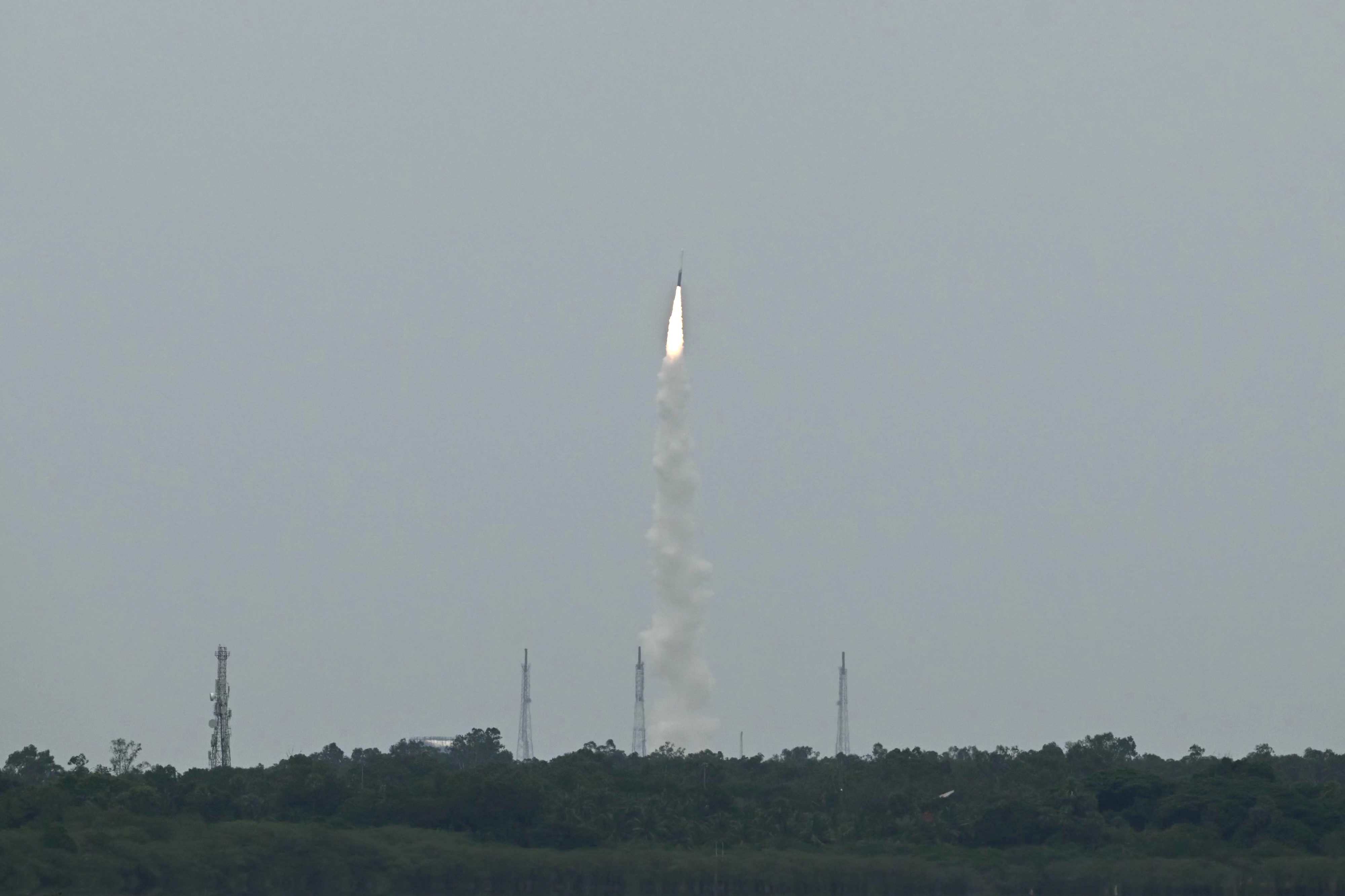
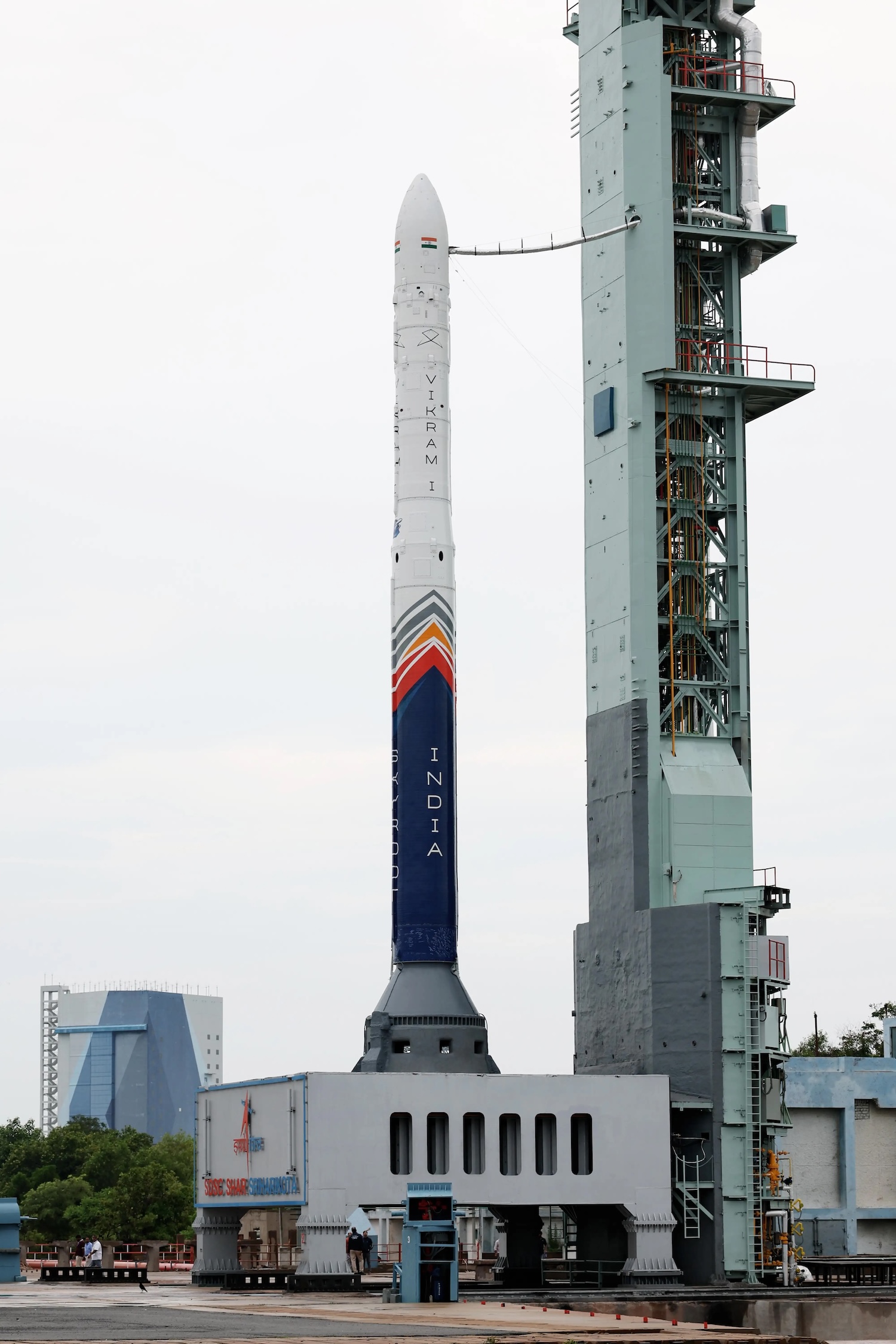
The Vikram-1, named in honor of Dr. Vikram Sarabhai, widely regarded as the father of the Indian space program, embarked on its historic journey at 1:35 am EDT (06:35 UTC) on Saturday, corresponding to midday at the launch site along India’s southeastern coast. The launch experienced a brief delay of over half an hour due to a last-minute technical issue, a common occurrence in the complex world of rocket launches. However, the ground teams efficiently resolved the anomaly, allowing the countdown to resume and culminate in the command for the ignition of Vikram-1’s solid-fueled first-stage booster, propelling the rocket majestically off the launch pad.
The flight proceeded with remarkable precision, a testament to years of meticulous design, engineering, and testing. The rocket’s ascent involved the sequential firing of three solid-fueled rocket motors, each contributing to the vehicle’s rapid acceleration through the atmosphere and into the vacuum of space. Following the successful separation of these stages, a small liquid-fueled fourth stage ignited, delivering the crucial final push to achieve orbital velocity, approximately 17,000 mph (about 27,350 km/h). Live feeds from onboard cameras provided breathtaking views of each critical phase of the launch sequence, offering real-time confirmation of the mission’s progress.
A minor anomaly was observed during the separation of the rocket’s third stage from its fourth stage, where the spent third-stage motor appeared to remain in close proximity to the fourth stage for a brief period, rather than immediately backing away. Despite this, the fourth stage executed its mission flawlessly. Its 3D-printed engine performed as expected, successfully inserting the payload into an orbit approximately 280 miles (450 kilometers) high at an inclination of 60 degrees to the equator. This orbital parameter was remarkably close to pre-flight predictions made by Skyroot Aerospace, underscoring the accuracy of their trajectory planning and execution. Subsequent confirmation from U.S. military tracking data further validated the rocket’s successful arrival in orbit, solidifying the mission’s "grand success" status.
Vikram-1: India’s Flagship Small Satellite Launcher
The Vikram-1 rocket represents a significant entry into the increasingly competitive small satellite launch market. Standing approximately 72 feet (22 meters) tall, this modest-sized launcher is designed to place payloads of up to 770 pounds (350 kilograms) into low-Earth orbit. This capability positions Vikram-1 as a direct competitor to established players in the small-lift category, notably Rocket Lab’s Electron vehicle, which is currently recognized as the world’s most successful dedicated small satellite launcher. While slightly larger than Electron, Vikram-1’s design emphasizes efficiency and cost-effectiveness for deploying constellations of CubeSats and other small payloads.
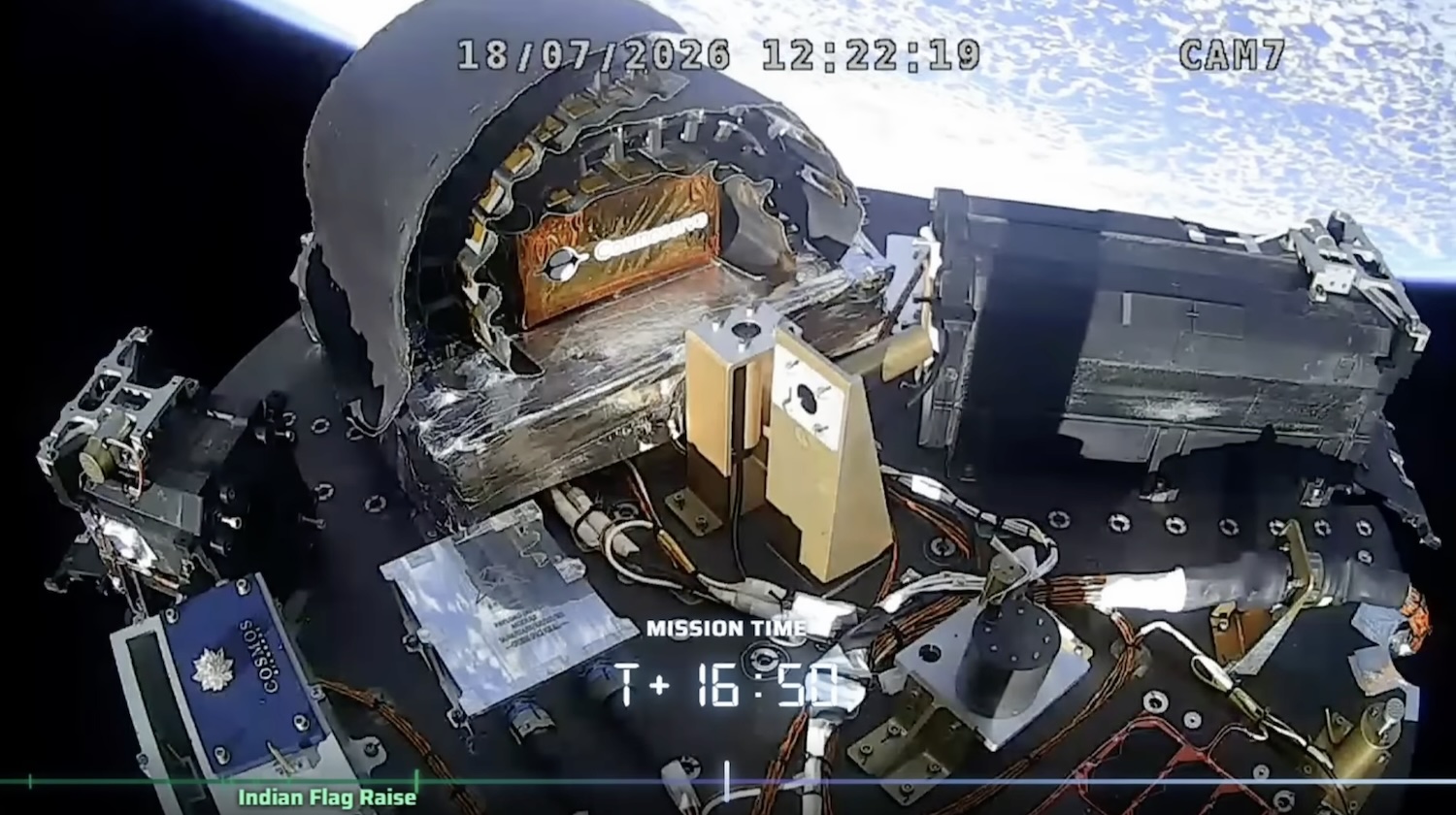
Constructed primarily from lightweight carbon composite materials and featuring a distinctive blue and white livery, Vikram-1 embodies modern aerospace engineering principles aimed at maximizing performance while minimizing mass. The use of 3D-printed components, particularly in the fourth-stage engine, highlights Skyroot’s adoption of advanced manufacturing techniques to streamline production and enhance reliability. The mission’s payload deck successfully deployed two small CubeSats and carried several other payloads that remained attached to the upper stage for further data collection, demonstrating the vehicle’s versatility for various mission profiles.
Defying the Odds: A Remarkable First Attempt
The success of Vikram-1’s maiden orbital flight is particularly noteworthy given the historically challenging nature of first-time launches for new private orbital-class rockets. The space industry is replete with examples of initial attempts ending in failure. SpaceX, now a dominant force in space launch, famously required four attempts before its Falcon 1 rocket successfully reached orbit in 2008. Similarly, Rocket Lab’s Electron did not achieve orbit on its inaugural launch in 2017. Even seasoned players like Blue Origin, despite their experience with numerous suborbital New Shepard flights, faced immense technical hurdles with the debut of their heavy-lift New Glenn rocket, though it eventually succeeded on its first orbital attempt in 2025.
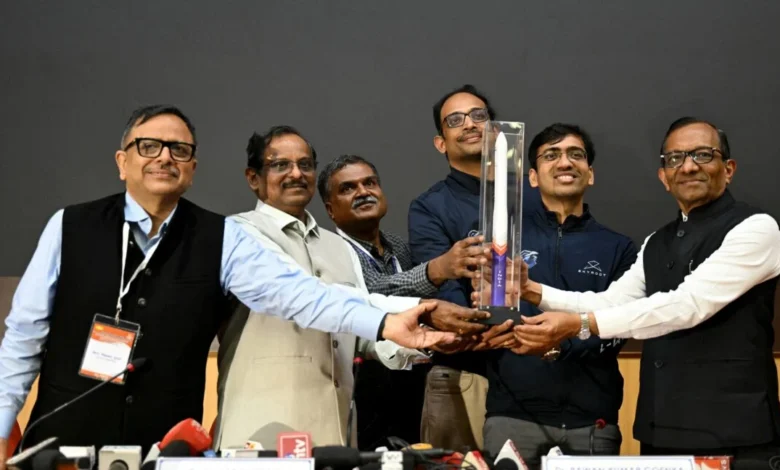
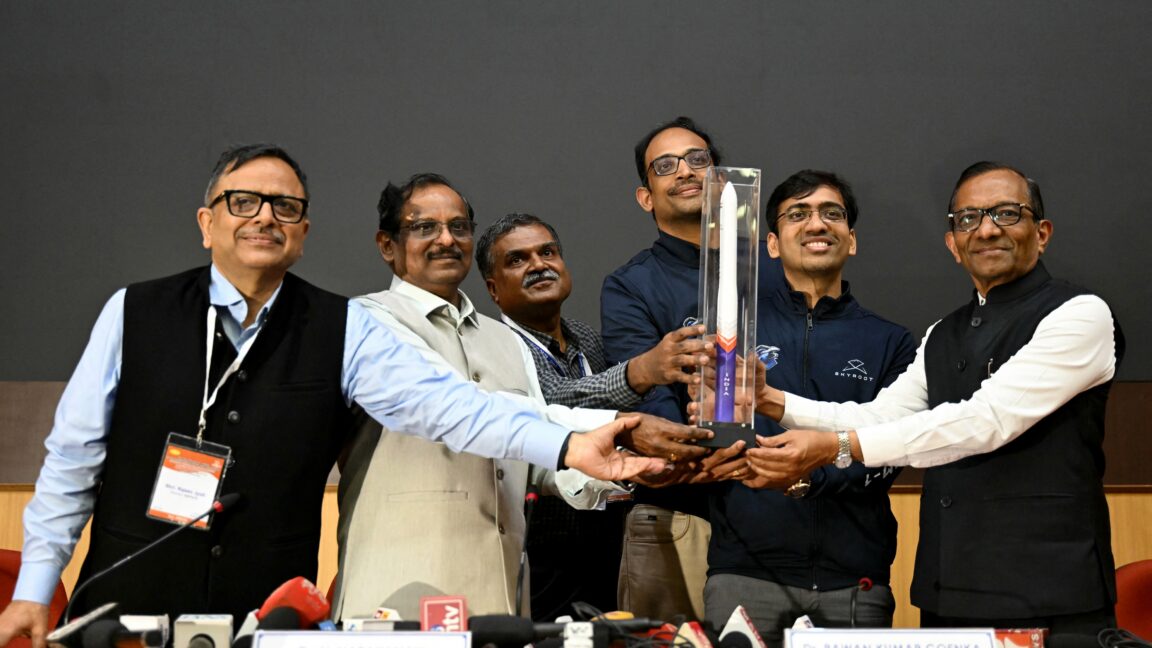
Pawan Kumar Chandana, Skyroot’s co-founder and CEO, encapsulated the sentiment of astonishment and triumph, stating, "We achieved one of the biggest milestones ever in India’s space sector—the first private orbital rocket reaching orbit on the very first attempt. It still feels like a dream, and you all made this dream happen." He further elaborated on the improbable nature of their success, confessing, "On the first attempt, reaching orbit, I never thought it was possible." This candid admission underscores the immense technical and operational challenges overcome by Skyroot’s relatively young team. "Skyroot’s team made it possible. A big, big, big shoutout to this phenomenal team, which made it happen. In fact, this launch was nothing short of a suspense movie," Chandana added, reflecting the high stakes and dramatic culmination of their efforts.
Skyroot officials had initially set modest goals for the Vikram-1’s maiden flight. In their pre-launch press kit, the company stated that the primary objective was merely to achieve a successful liftoff, clear the launch tower, and gather maximum data during ascent. Pawan Goenka, chairman of IN-SPACe (Indian National Space Promotion and Authorization Centre), a government organization established in 2020 to foster India’s commercial space industry, reinforced this conservative approach. "The mission objective was only to lift off and clear the tower," Goenka remarked. "That was only about 100 meters, but what we went to was 450 kilometers, and it also released all the satellites that were supposed to release. So the mission was absolutely perfect." The fact that the mission not only cleared the tower but also flawlessly inserted payloads into orbit speaks volumes about the team’s capabilities and the robust design of the Vikram-1.
The Architect of Ambition: Skyroot Aerospace’s Journey
Skyroot Aerospace was founded in 2018 by Pawan Kumar Chandana and Naga Bharath Daka, both former engineers from the Indian Space Research Organisation (ISRO). Their vision was to democratize access to space by providing reliable, affordable, and responsive launch services for small satellites. The company’s strategy initially focused on developing solid-fueled launchers, which Chandana described as optimizing for the lowest development time and the lowest cost per launch. This allowed them to "get to an orbital launch vehicle in a few years," a rapid pace in an industry where development cycles often span decades.
Prior to the Vikram-1 orbital debut, Skyroot successfully demonstrated its capabilities with the suborbital Vikram-S rocket in November 2022. This precursor flight reached an altitude of nearly 300,000 feet (90 kilometers), providing invaluable data and experience that directly informed the development and refinement of Vikram-1. This iterative approach, starting with a simpler suborbital test, allowed the company to validate key technologies and operational procedures before attempting the more complex orbital mission.
Skyroot’s rapid ascent in the space sector has been fueled by significant financial backing. The company has, to date, raised approximately $160 million in capital, propelling its valuation to an impressive $1.1 billion, earning it unicorn status. This substantial investment has enabled Skyroot to expand its operations significantly, now employing over 1,000 individuals, predominantly based at its headquarters in Hyderabad. The youthful demographic of its workforce, with an average age of 28, highlights the vibrant and innovative spirit driving India’s private space sector.
ISRO’s Guiding Hand: Fostering Private Innovation
The success of Skyroot Aerospace is not merely a triumph of private enterprise but also a powerful illustration of India’s evolving space policy. For decades, ISRO was the sole custodian of India’s space endeavors, achieving remarkable feats like the Mars Orbiter Mission and Chandrayaan lunar probes. However, recognizing the immense potential of private sector innovation and the need to scale up India’s presence in the global space market, the Indian government initiated significant reforms to liberalize the space sector.
A pivotal development in this liberalization was the establishment of IN-SPACe (Indian National Space Promotion and Authorization Centre) in 2020. This autonomous government organization was created to promote, enable, and regulate private sector participation in India’s space activities. Its mandate includes providing access to ISRO facilities, expertise, and technologies, thereby leveling the playing field for startups and established private companies.
ISRO actively supported Skyroot’s venture, offering "handholding and support" throughout the development and launch phases. This included providing access to critical infrastructure such as solid rocket motor casting and test facilities at ISRO’s Sriharikota spaceport. Crucially, ISRO also granted Skyroot permission to launch Vikram-1 from one of its two active launch pads, a privilege that underscores the depth of collaboration between the state agency and the private startup. This symbiotic relationship, where ISRO acts as a facilitator and mentor, is a cornerstone of India’s strategy to expand its space economy.
Prime Minister Modi’s Vision: Supercharging India’s Space Industry
The successful launch of Vikram-1 aligns perfectly with the ambitious vision articulated by Prime Minister Narendra Modi. Under his leadership, the Indian government has actively sought to supercharge the country’s space industry, aiming to significantly increase its annual launch total from an average of about five launches per year to an ambitious 50 before the end of the decade. This aggressive target necessitates robust private sector participation to complement ISRO’s established capabilities.
Prime Minister Modi personally congratulated Chandana and the entire Skyroot team after Saturday’s launch, underscoring the national significance of the achievement. In a statement, Modi declared, "This is a defining moment in India’s space journey. The growing participation of our private sector is opening new frontiers and accelerating innovation. This achievement will encourage countless youngsters to dream bigger and innovate fearlessly." His words reflect a broader national strategy to foster a culture of innovation and entrepreneurship, leveraging the space sector as a catalyst for technological advancement and economic growth.
India has indeed demonstrated a robust and capable space program, with government-developed rockets like the Polar Satellite Launch Vehicle (PSLV) and the larger LVM3 (formerly GSLV Mk III) regularly attracting commercial customers from around the world. India also made history in 2023 by becoming the fourth country to successfully land a spacecraft on the Moon with its Chandrayaan-3 mission, and is actively developing its human-rated Gaganyaan crew capsule to fly astronauts to low-Earth orbit. The entry of private players like Skyroot is expected to further diversify and enhance India’s offerings in the global space market, providing dedicated and responsive launch services for a wide array of customers.
Beyond Vikram-1: Skyroot’s Ambitious Roadmap
While the Vikram-1 represents a monumental achievement, it is merely the first step in Skyroot Aerospace’s ambitious long-term roadmap. The company plans to introduce enhanced versions of its Vikram series of rockets. The immediate future includes the Vikram-1U, an upgraded variant designed to haul heavier payloads through the incorporation of additional strap-on solid rocket boosters. This incremental improvement strategy allows Skyroot to gradually expand its launch capabilities without undertaking entirely new designs.
Looking further ahead, Skyroot envisions the Vikram-2, a more powerful launch vehicle that will debut a cryogenic upper stage. This advanced propulsion system will enable Vikram-2 to reach a payload capacity of 2,000 pounds (900 kilograms) to low-Earth orbit, significantly broadening the range of missions it can support. The initial purpose of the entire Vikram rocket family, as articulated by Skyroot officials in the press kit for Saturday’s mission, is to "deliver dedicated and responsive launch services for small satellites," catering to the growing demand for flexible and on-demand access to space.
Beyond these immediate iterations, Skyroot harbors even loftier ambitions. In an interview conducted prior to the Vikram-1 launch, CEO Pawan Kumar Chandana shared his long-term aspiration for Skyroot to develop larger, liquid-fueled, fully reusable rockets. His ultimate vision includes achieving a "daily cadence" of launches from multiple countries, a goal that mirrors the aspirations of global space giants like SpaceX. Realizing such an audacious dream will undoubtedly require substantial additional funding and sustained technological breakthroughs, but Saturday’s successful launch has undeniably provided Skyroot with the foundational credibility and momentum needed to pursue these grand objectives.
Global Implications: India’s Growing Role in Commercial Space
The successful orbital debut of Vikram-1 immediately elevates Skyroot Aerospace to a prominent position within the global private space sector. This achievement places the company on a plane above any other space startup in India and, indeed, in most countries outside of the United States and China, which have historically dominated private space ventures. It underscores India’s emergence not just as a space-faring nation, but as a significant player in the commercialization of space.
This breakthrough will have profound implications for India’s economic landscape. The growth of a vibrant private space industry is expected to create high-skill jobs, stimulate technological innovation across various sectors, and attract further domestic and international investment. It also positions India as a more competitive alternative in the global launch services market, offering diverse options for satellite operators seeking reliable and cost-effective access to orbit.
Strategically, increased private sector participation reduces India’s reliance on foreign launch providers and enhances its indigenous capabilities in critical space technologies. This dual-use potential, where commercial innovation can also serve national security interests, strengthens India’s overall strategic autonomy in space.
As Chandana proudly declared after the launch, "This is a 100 percent designed in India rocket, a 100 percent made in India rocket, built by 100 percent Indian people, for India and for the world. This was a historic moment for India, but also a very proud moment for the global space sector because the world needs more access to space." This statement encapsulates the national pride and the global impact of Skyroot’s achievement.
The Road Ahead
With the resounding success of its maiden orbital mission, Skyroot Aerospace is poised for rapid expansion. Chandana has indicated that a second Vikram-1 launch could potentially occur before the end of the year, demonstrating the company’s intent to move quickly from development to operational launches. However, the path ahead is not without challenges. Sustaining a high launch cadence, securing a steady stream of customers, navigating the complexities of international regulations, and continuing to innovate while managing costs will be critical for Skyroot’s long-term success.
Nevertheless, the Vikram-1 mission has indelibly marked a turning point for India. It has showcased the nation’s capacity to foster a dynamic private space industry, capable of not only competing but also excelling on the global stage. This success will undoubtedly inspire a new generation of entrepreneurs and engineers, reinforcing India’s commitment to becoming a leading force in the ever-expanding cosmos.