The Evolution of Digital Strategy Key Marketing Trends Shaping the Global E-commerce Landscape in 2024

The global marketing sector is currently undergoing a period of profound transformation, mirroring the rapid technological shifts and changing consumer behaviors within the e-commerce industry. As major influential brands and specialized agencies propose new promotional concepts, the traditional boundaries of advertising are being redrawn. In recent years, marketing has transitioned from a one-way broadcasting model to a dynamic system based on social interaction, driven largely by the proliferation of social media and short-form video content. This shift has necessitated a significant increase in online marketing investments, as brands strive to reach consumers at the precise moment of intent across a multitude of digital channels. The convergence of artificial intelligence, sustainability, and immersive technology is no longer a distant prospect but a present reality that defines the competitive landscape for businesses worldwide.
The Rise of Responsible Artificial Intelligence
As artificial intelligence (AI) becomes deeply embedded in the marketing toolkit, the focus has shifted from mere automation to "Responsible AI." This paradigm refers to the ethical, transparent, and socially responsible deployment of AI technologies. The primary objective is to ensure that machine learning algorithms do not perpetuate biases and that consumer data is handled with the highest degree of integrity.
Industry analysts note that the implementation of Responsible AI involves several key principles, including algorithmic accountability and data privacy. With the implementation of the EU AI Act and similar global regulations, companies are now required to be more transparent about how their models function. For marketers, this means using AI not just to predict consumer behavior, but to do so in a way that respects the "Right to Explanation" for the end-user. According to recent industry surveys, nearly 80% of consumers are more likely to trust a brand that is transparent about how it uses AI to personalize their shopping experience.
Furthermore, Responsible AI facilitates a more equitable digital ecosystem. By actively auditing algorithms for bias, brands can ensure that their promotional offers and content recommendations reach a diverse audience without exclusion. This ethical approach is becoming a significant brand differentiator, as modern consumers increasingly align their spending with companies that demonstrate a commitment to social ethics.
Sustainability as a Strategic Marketing Pillar
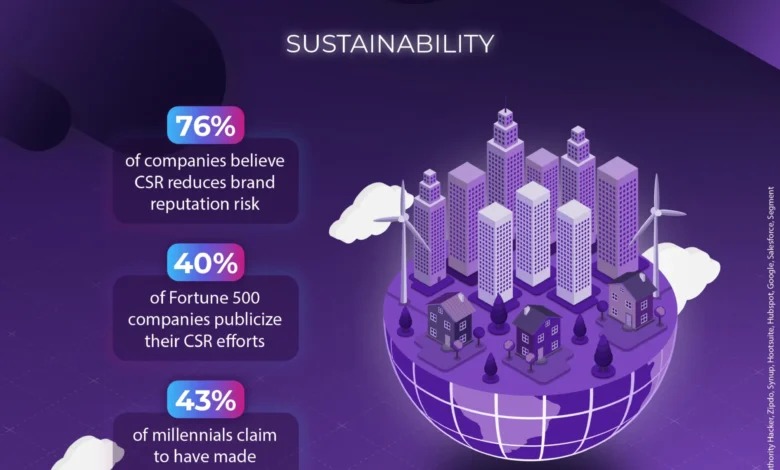
In the context of modern digital marketing, sustainability has evolved from a niche concern to a core component of brand strategy. The integration of environmental, social, and governance (ESG) principles into marketing efforts is a direct response to a consumer base that is increasingly environmentally conscious. Research indicates that over 70% of Gen Z and Millennial consumers prefer to purchase from brands that prioritize sustainability.
Companies are now leveraging digital channels—including social media, corporate blogs, and high-production promotional videos—to showcase their eco-friendly initiatives. However, the modern consumer is wary of "greenwashing." To counter this, businesses are turning to technology for traceability and transparency. Blockchain technology is being utilized to provide a digital ledger of a product’s journey, allowing consumers to verify the origin and sustainable credentials of their purchases.
Digital influencers are also playing a pivotal role in this transition. By collaborating with influencers who are genuinely aligned with sustainable values, brands can reach wider audiences with an authentic voice. Additionally, mobile applications and interactive online tools are being developed to provide real-time data on the carbon footprint of specific products, empowering consumers to make informed, responsible decisions at the point of sale.

The Shift Toward Conversational and Semantic Search
The methodology of how consumers find information online is shifting from static keyword searches to intuitive, conversational interactions. This trend is driven by the widespread adoption of smart assistants such as Siri, Google Assistant, and Alexa. Consequently, marketers are being forced to rethink their Search Engine Optimization (SEO) strategies to account for natural language processing (NLP).
Voice search allows users to articulate queries in a way that mimics human conversation. Instead of typing "best running shoes," a user is more likely to ask, "What are the best running shoes for marathon training on a budget?" This necessitates a transition toward semantic search optimization, where the focus is on the intent and context of the query rather than just specific keywords.
The development of sophisticated AI means that smart assistants can now understand the nuance of context and anticipate user needs based on past behavior. For businesses, this means that content must be structured to answer specific questions directly. The rise of "Zero-Click" searches—where the user gets the answer directly on the search engine results page—means that brands must optimize for featured snippets and voice-activated responses to remain visible in a crowded digital marketplace.
The Dominance of Short-Form and Immersive Content
Video content has solidified its position as the most effective tool for capturing consumer attention. Two specific sub-trends have emerged: the dominance of short-form video on platforms like TikTok and Instagram Reels, and the rise of immersive, interactive media.

Short-form videos, often ranging from 15 to 60 seconds, cater to the shrinking attention spans of digital natives. These clips rely on storytelling, humor, and high-impact visuals to engage viewers instantly. For e-commerce brands, these platforms offer a unique opportunity for social commerce, where products can be purchased directly through the video interface.
Simultaneously, immersive technologies like Augmented Reality (AR) and Virtual Reality (VR) are transforming the "try-before-you-buy" experience. Retailers in the fashion and beauty sectors are increasingly deploying AR tools that allow customers to virtually try on clothing or makeup using their smartphone cameras. These interactive experiences not only increase engagement but have been shown to reduce return rates by providing a more accurate representation of the product before the transaction is completed.
Hyper-Personalization through Data Analytics
Hyper-personalization represents the pinnacle of data-driven marketing. Unlike traditional personalization, which might simply include a customer’s name in an email, hyper-personalization uses AI and machine learning to analyze massive datasets in real-time. This allows brands to deliver highly specific content, product recommendations, and offers tailored to the individual’s current context and past behavior.
This strategy relies on segmenting customers based on granular criteria, such as browsing history, time spent on specific pages, and even the device being used. By delivering the right message at the right time, companies can significantly enhance the customer journey. However, this trend exists in a delicate balance with data privacy. As third-party cookies are phased out, brands are shifting their focus to "first-party data"—information collected directly from their own audience through interactions and loyalty programs.

A Chronology of Marketing Evolution
To understand the current state of marketing, it is essential to view it through a chronological lens of the last two decades:
- 2000-2010: The Digital Dawn. Marketing moved from print and television to search engine marketing (SEM) and basic email campaigns.
- 2010-2015: The Social Media Explosion. The rise of Facebook and Twitter introduced the concept of two-way communication between brands and consumers.
- 2015-2020: The Mobile-First Era. With the ubiquity of smartphones, marketing became location-aware and app-centric.
- 2020-2023: The Pandemic Acceleration. Global lockdowns forced a rapid migration to e-commerce, making digital presence a matter of survival for all businesses.
- 2024 and Beyond: The Intelligence Era. Marketing is now defined by the integration of Generative AI, ethical data usage, and the "humanization" of digital interactions through conversational interfaces.
Broader Impact and Industry Implications
The implications of these trends are far-reaching. For small and medium-sized enterprises (SMEs), the democratization of AI tools means they can now compete with larger corporations in terms of personalization and customer service. However, the "digital divide" remains a concern, as companies that fail to invest in these emerging technologies risk becoming obsolete.
Industry leaders and Chief Marketing Officers (CMOs) are increasingly shifting budgets away from traditional media toward "Performance Marketing" and "Brand Purpose" initiatives. The consensus among market analysts is that the future of marketing lies in the ability to balance high-tech efficiency with a "high-touch" human element.
Furthermore, the emphasis on sustainability and responsible AI suggests a broader shift in the role of corporations in society. Marketing is no longer just about selling a product; it is about communicating a brand’s contribution to a better world. As we move further into the decade, the brands that succeed will be those that view technology not as an end in itself, but as a means to build deeper, more meaningful, and more ethical connections with their customers.

In conclusion, the marketing trends of 2024 represent a sophisticated blend of technological innovation and human-centric values. From the ethical implementation of AI to the interactive nature of AR and the conversational shift in search, the industry is moving toward a more integrated, transparent, and engaging future. Businesses must remain agile, continuously adapting their strategies to meet the evolving expectations of a global, digitally-savvy consumer base.