The Next Generation of Apple’s Most Affordable Laptop: What to Expect from the MacBook Neo 2


Apple’s introduction of the all-new MacBook Neo earlier this year has proven to be a resounding success, quickly establishing itself as a pivotal product in the company’s computing lineup, targeting the crucial segment of affordable yet powerful laptops. Its robust demand, which reportedly exceeded initial supply chain expectations, underscores its immediate resonance with consumers. As the current model continues to capture market share, attention is already turning to its successor, the MacBook Neo 2, with several credible reports outlining significant upgrades and a strategic evolution for Apple’s entry-level notebook.
The Genesis of the MacBook Neo: A Strategic Market Entry
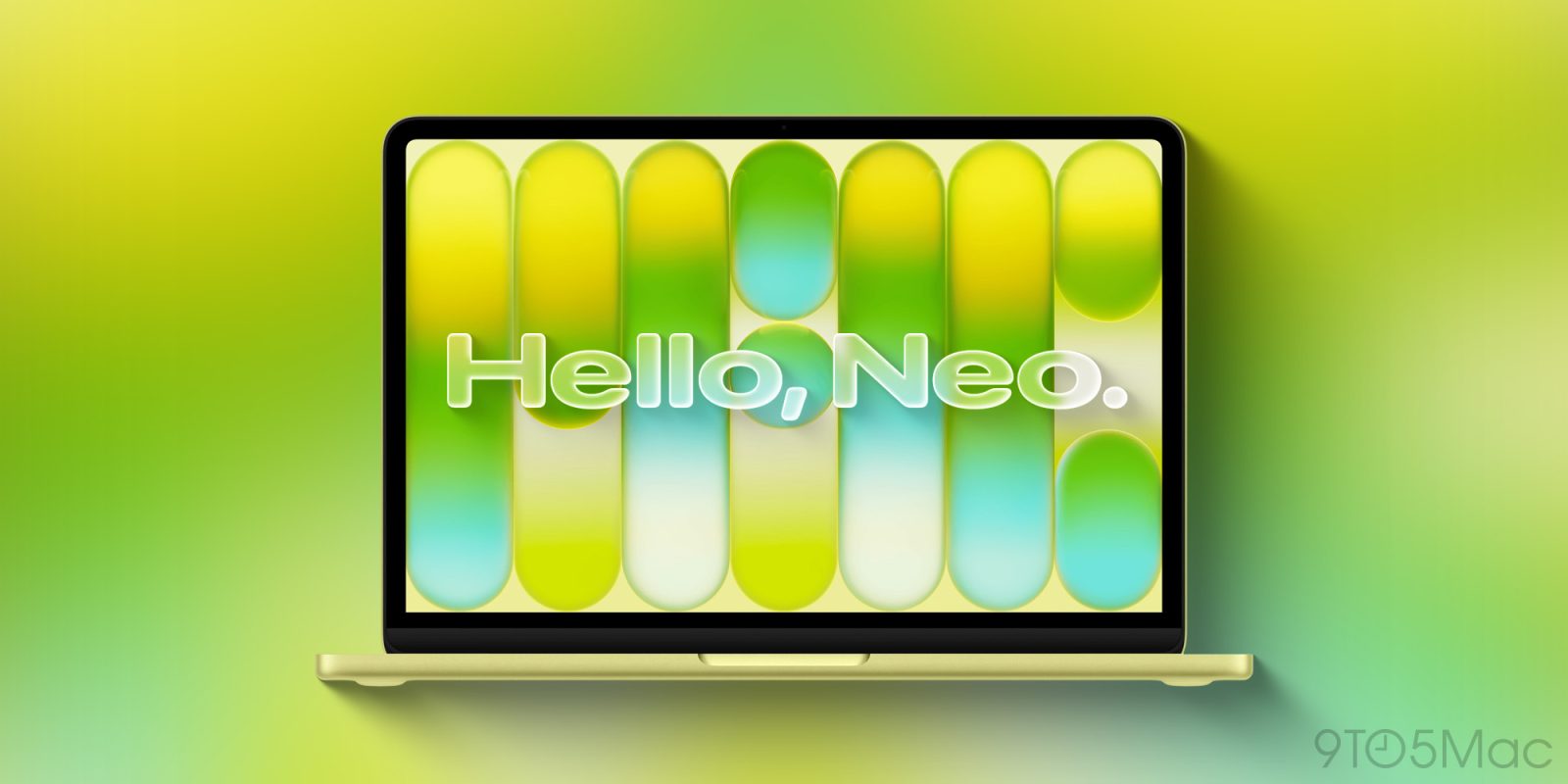
The original MacBook Neo, launched in March of the current year, was conceived to address a specific void in Apple’s Mac portfolio: a truly accessible laptop that didn’t compromise on the core Apple experience. Positioned beneath the MacBook Air, it offered a compelling blend of portability, design, and performance, leveraging Apple’s internally designed A-series silicon, traditionally found in iPhones and iPads. This strategic move allowed Apple to offer a lower price point while maintaining tight integration between hardware and software, a hallmark of its ecosystem. The immediate consumer response, characterized by robust sales and subsequent reports of supply chain strain in April, confirmed Apple’s successful identification of this market opportunity. The MacBook Neo quickly became a favorite among students, budget-conscious professionals, and users seeking a secondary, highly portable device. Its vibrant color options—citrus, blush, indigo, and silver—further differentiated it, harking back to Apple’s playful design philosophy seen in products like the original iMac G3 and the M1 iMacs.
Anticipated Enhancements: MacBook Neo 2 Features
The upcoming MacBook Neo 2 is poised to build upon this strong foundation, with a focus on enhanced performance, increased memory, and the integration of advanced artificial intelligence capabilities. These upgrades are designed to future-proof the device and broaden its appeal, maintaining its position as a competitive offering in the entry-level laptop segment.

A New Core: The A19 Pro Chip
At the heart of the MacBook Neo 2 will be the next-generation A19 Pro chip, a significant leap from the A18 Pro powering the current model. The A18 Pro, borrowed from the flagship iPhone 16 Pro, offered commendable performance for its class. However, the A19 Pro is expected to deliver substantial gains across the board. According to a comprehensive report from Bloomberg, the A19 Pro is projected to offer a 10-15% increase in both single-core and multi-core CPU performance compared to its predecessor. This incremental yet meaningful boost will translate into snappier application launches, smoother multitasking, and more efficient handling of everyday computing tasks.
The most notable improvement, however, is anticipated in the graphical processing unit (GPU) performance. Benchmarks suggest an impressive boost of up to 40% for the A19 Pro’s GPU. This significant leap is attributed to a key architectural enhancement: the integration of Neural Accelerators directly into every GPU core. This design choice underscores Apple’s increasing emphasis on on-device machine learning and artificial intelligence capabilities, allowing the GPU to handle complex AI workloads with unprecedented efficiency. For users, this means not only enhanced visual fidelity in demanding applications and light gaming but also a more responsive experience with AI-driven features like photo and video editing, and advanced computational tasks.
The A19 Pro chip is not exclusive to the MacBook Neo 2; it is also slated to power Apple’s flagship smartphones, the iPhone 17 Pro and the iPhone Air. This strategy of leveraging its most advanced mobile silicon in its most affordable laptop highlights Apple’s confidence in the A-series chips’ versatility and power efficiency, enabling a consistent high-performance experience across its diverse product ecosystem.
However, in a move to optimize cost and product differentiation, Apple is expected to utilize a "binned" version of the A19 Pro chip for the MacBook Neo 2. As reported by industry analyst Tim Culpan, while the A19 Pro in the iPhone 17 Pro will likely feature a 6-core GPU, the MacBook Neo 2 variant will probably come equipped with a 5-core GPU. This common manufacturing practice allows Apple to maximize yield from its chip production lines and segment its product offerings effectively. For the target demographic of the MacBook Neo, the difference between a 5-core and 6-core GPU is expected to be negligible in real-world usage, primarily impacting highly demanding graphical tasks that are typically handled by higher-tier MacBook Pro models with M-series chips. The decision reflects a balanced approach to performance and affordability, ensuring the Neo 2 remains competitively priced while still offering a substantial upgrade.
Elevated Multitasking: More Memory
One of the few compromises of the current MacBook Neo, aimed at achieving its aggressive price point, was its 8GB of unified memory (RAM). While Apple’s highly optimized macOS and its silicon architecture allow 8GB to perform more efficiently than 8GB on many Windows machines, it still represented a bottleneck for users engaged in heavy multitasking or running memory-intensive applications. The rest of Apple’s contemporary Mac lineup, including the MacBook Air and MacBook Pro, generally starts with 16GB of RAM.
For the next-generation MacBook Neo, Apple is addressing this limitation. While it won’t jump directly to 16GB, the MacBook Neo 2 is expected to offer 12GB of unified memory. This 50% increase in RAM, facilitated by the A19 Pro chip’s memory controller, is a significant enhancement. As highlighted in a review of the current model, 8GB of RAM, while adequate for basic tasks, could be a limiting factor for power users. The bump to 12GB will substantially improve multitasking capabilities, allow more browser tabs to remain active without reloading, and enhance the performance of professional applications that benefit from greater memory allocation. Crucially, this memory upgrade is also a prerequisite for unlocking some of the advanced AI features planned for the device, ensuring a more fluid and responsive user experience.
Intelligent Interaction: New AI Features
The combination of the more powerful A19 Pro chip and the increased 12GB of RAM is not merely about raw performance; it is a foundational upgrade that will unlock a suite of advanced artificial intelligence capabilities for the MacBook Neo 2. These features are based on Apple’s more powerful on-device AI model, which was prominently announced at the annual Worldwide Developers Conference (WWDC) earlier this year.
This new AI model represents a significant step forward in how users interact with their devices. It is expected to enable a substantially more accurate and nuanced dictation experience, allowing users to convert speech to text with greater precision and fewer errors. Furthermore, it will introduce new options for customizing the Siri voice, potentially offering a more personalized and natural interaction with Apple’s virtual assistant. The emphasis on "on-device" AI is particularly significant, as it means these sophisticated tasks are processed locally on the device rather than relying heavily on cloud servers. This approach offers several benefits, including enhanced privacy (as data doesn’t leave the device), faster response times, and the ability to function even without an internet connection. The current MacBook Neo, with its A18 Pro chip and 8GB of RAM, lacks the computational headroom and memory bandwidth required to support these advanced on-device AI features, making them a compelling differentiator for the upcoming model.
Evolving Aesthetics: New Colors

The current MacBook Neo has been praised for its array of "fun colors," a design choice that adds personality and appeals to a broader demographic beyond traditional professional users. This strategy has been a successful differentiator in the laptop market. Bloomberg‘s report indicates that Apple plans to "periodically" update the MacBook Neo with new color options. While specific details on which colors will debut with the next-generation MacBook Neo are not yet available, this suggests a dynamic approach to its aesthetic. Apple often refreshes color palettes to align with current trends or to introduce seasonal variations, as seen with its iPhone and iPad lines. We might see the introduction of new vibrant hues, or perhaps a refinement of existing ones, ensuring the MacBook Neo 2 continues to stand out visually in the market. This strategy not only keeps the product line fresh but also allows for targeted marketing to different consumer segments based on their style preferences.
Timeline and Release Expectations
The current MacBook Neo made its debut in March of this year, quickly establishing its presence. Looking ahead, the A19 Pro-powered version of the machine, the MacBook Neo 2, is slated for a release sometime in 2027, according to reports from Tim Culpan. This timeline suggests an approximately two-year refresh cycle for the MacBook Neo line, aligning with Apple’s typical product development cadence for significant architectural upgrades to its silicon and corresponding hardware. A 2027 release would allow ample time for the A19 Pro chip to mature in production, following its debut in the iPhone 17 Pro, and for Apple to fine-tune the integration of the new memory and AI capabilities into macOS. This also provides current MacBook Neo owners a reasonable upgrade path, ensuring their devices remain relevant for a substantial period.
Broader Implications and Market Impact
The anticipated upgrades to the MacBook Neo 2 underscore Apple’s commitment to strengthening its presence across all segments of the personal computing market. By infusing its most affordable laptop with advanced silicon, increased memory, and cutting-edge AI capabilities, Apple is effectively narrowing the performance gap between its entry-level offerings and its more premium devices.
Competitive Landscape: The MacBook Neo 2, with its enhanced specifications, will further solidify Apple’s competitive edge against Chromebooks and entry-level Windows laptops. While Chromebooks excel in simplicity and cloud integration, and Windows laptops offer vast customization, the MacBook Neo 2 will provide a compelling alternative with its superior on-device performance, robust ecosystem, and premium build quality at a highly competitive price point. The integration of powerful on-device AI, a feature often reserved for higher-end machines, will give the Neo 2 a distinct advantage in terms of user experience and future-proofing.

Ecosystem Synergy: The continued use of A-series chips in the MacBook Neo line highlights Apple’s broader strategy of unified silicon architecture. This common foundation across iPhones, iPads, and entry-level Macs simplifies development for third-party developers and ensures seamless integration and hand-off features within the Apple ecosystem. The A19 Pro, a derivative of the chips powering the latest iPhones, means that applications and workflows optimized for mobile devices can run with exceptional efficiency on the MacBook Neo 2, blurring the lines between different product categories.
Supply Chain Management: The initial success and subsequent supply chain challenges of the first MacBook Neo will undoubtedly inform Apple’s production planning for the Neo 2. Learning from the demand exceeding expectations, Apple is likely to scale up its manufacturing partnerships and component procurement to ensure a smoother launch and more consistent availability for the 2027 release. This proactive approach will be critical to capitalize on the anticipated high demand for the upgraded model.
Consumer Value Proposition: For consumers, the MacBook Neo 2 represents an even more attractive proposition. The combination of a significantly faster chip, more memory, and sophisticated AI features packed into Apple’s most affordable laptop ensures exceptional value. It will empower users to tackle more demanding tasks, enjoy a smoother and more intelligent computing experience, and benefit from the longevity and support associated with Apple products. The periodic color updates also mean that the device can retain its fresh appeal over time, catering to evolving aesthetic preferences.
In conclusion, the MacBook Neo 2 is shaping up to be more than just an incremental update. It signifies a strategic evolution for Apple’s entry into the affordable laptop market, leveraging the company’s strengths in silicon design, software integration, and user experience. With a powerful new chip, increased memory, and advanced AI capabilities, the MacBook Neo 2 is poised to not only maintain but expand its predecessor’s success, further cementing its role as a crucial gateway into the Apple ecosystem for a broad spectrum of users.