Apple Enters the Foldable Market With the iPhone Duo Alongside the iPhone 18 Pro Series at Annual September Hardware Showcase

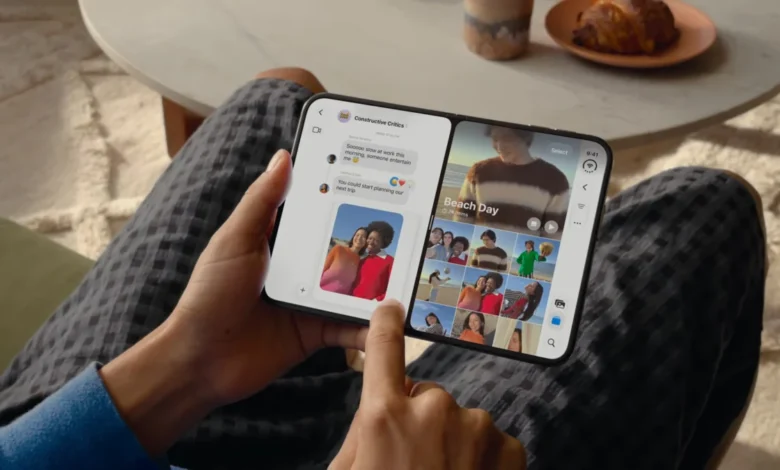
Apple has officially entered the foldable smartphone market, taking the wraps off its long-rumored folding device at its annual September hardware event. Named the iPhone Duo, the device represents the culmination of years of industry speculation and engineering development. Alongside the groundbreaking foldable, Apple also unveiled the iPhone 18 Pro and iPhone 18 Pro Max, signaling a significant shift in its flagship mobile strategy by omitting a standard base-model iPhone 18 release for the cycle.
The launch event highlighted not only Apple’s hardware innovations but also a series of distinct design and engineering choices that challenge existing paradigms in the mobile sector. While Apple has historically adopted features pioneered by Android competitors, the introduction of the iPhone Duo and the iPhone 18 Pro lineup introduces several advanced hardware and software integrations that industry analysts suggest could influence the broader smartphone ecosystem.
The Evolution of Apple’s Foldable Strategy and Chronology of Rumors
The journey to the iPhone Duo has been characterized by years of supply chain reports, patent filings, and shifting market expectations. Industry analysts first began projecting an Apple foldable device as early as 2018, shortly after competitors like Samsung and Royole introduced the first commercially available folding screens. Over the subsequent eight years, the timeline was marked by persistent delays attributed to Apple’s strict durability standards, challenges regarding screen creases, and the need to develop software robust enough to support dual-screen multitasking.
During this extended development period, the Android foldable market matured significantly. Competitors refined their hardware through multiple generations, transitioning from thick, experimental prototypes to slim, pocketable devices equipped with sophisticated hinge mechanisms and multi-window software interfaces. By the time Apple officially announced the iPhone Duo in September, the global foldable market accounted for a small but rapidly growing percentage of total smartphone shipments, dominated primarily by Samsung, Google, and various Chinese manufacturers such as Honor and Motorola.
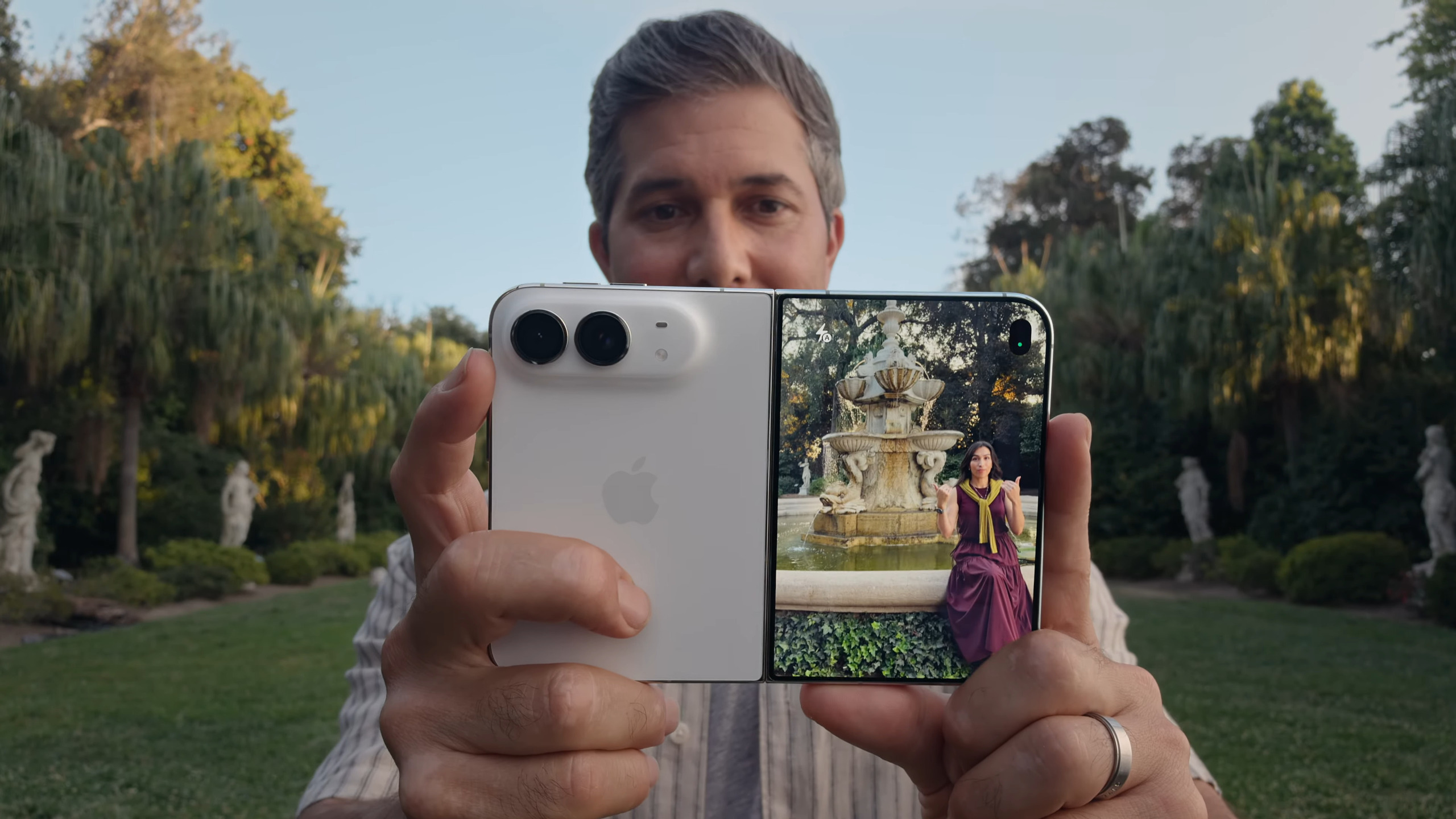
By bypassing a standard base model for the iPhone 18 generation and focusing engineering resources on the Pro tier and the new foldable category, Apple has signaled that its primary growth vectors lie in ultra-premium and specialized form factors.
Engineering the iPhone Duo: Hardware Innovations and Display Technology
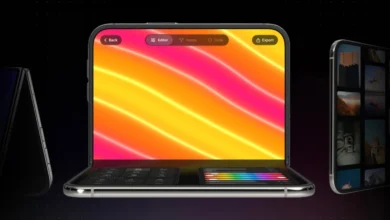
The iPhone Duo addresses one of the most persistent aesthetic and functional challenges of foldable devices: the visible and tactile screen crease. While the iPhone Duo retains a central crease on its inner display, Apple has implemented a matte, nano-texture surface coating to minimize its visibility.
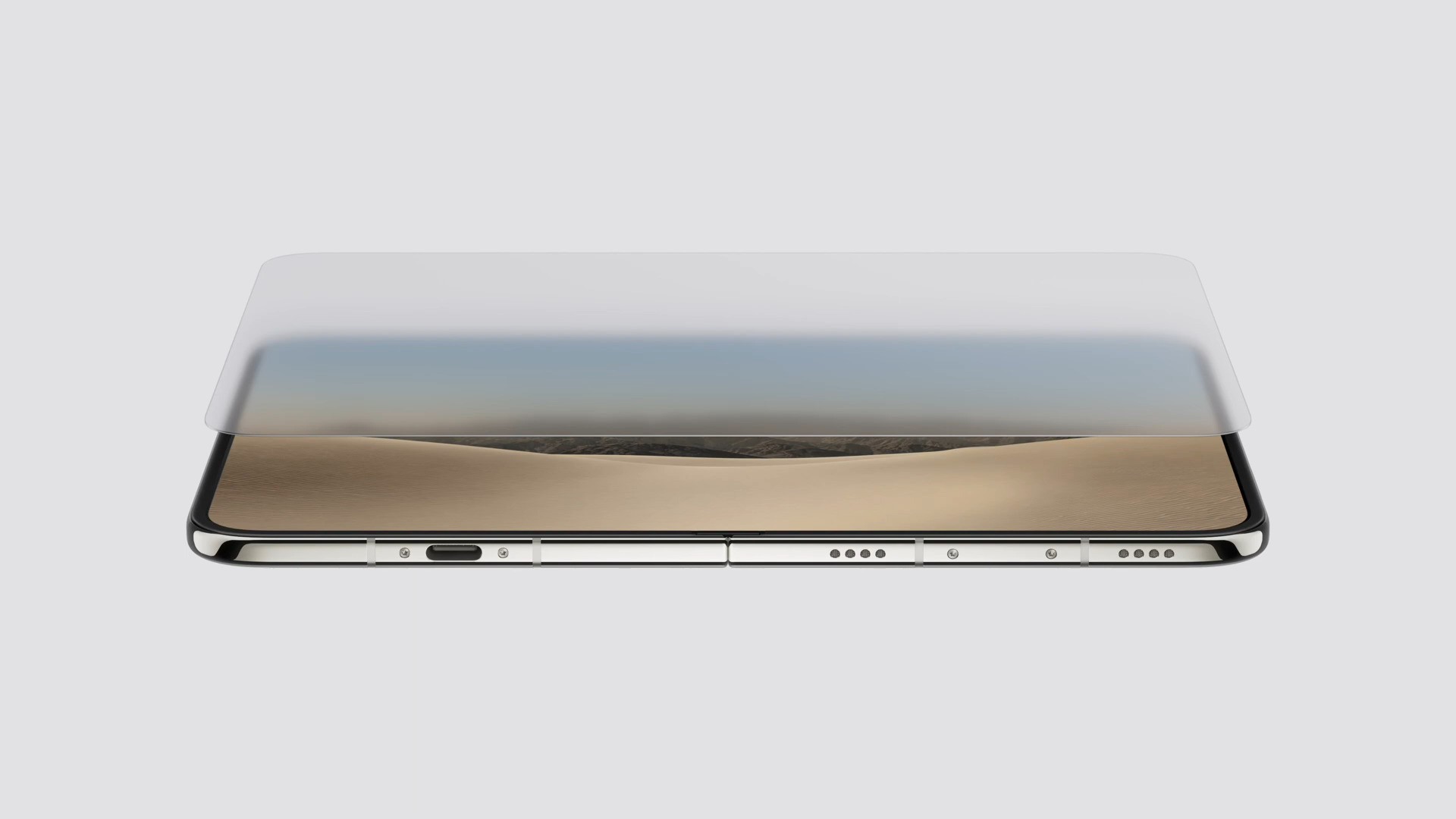
Unlike the glossy plastic or ultra-thin glass (UTG) coverings traditionally used on Android foldables—such as the Samsung Galaxy Z Fold series—the nano-texture finish scatters ambient light. This significantly reduces glare, reflections, and fingerprint smudges. According to Apple engineers, this matte surface does not compromise structural integrity, allowing the inner display to maintain full support for Apple Pencil input. By mitigating light reflections, the nano-texture coating effectively conceals the crease under normal viewing conditions.
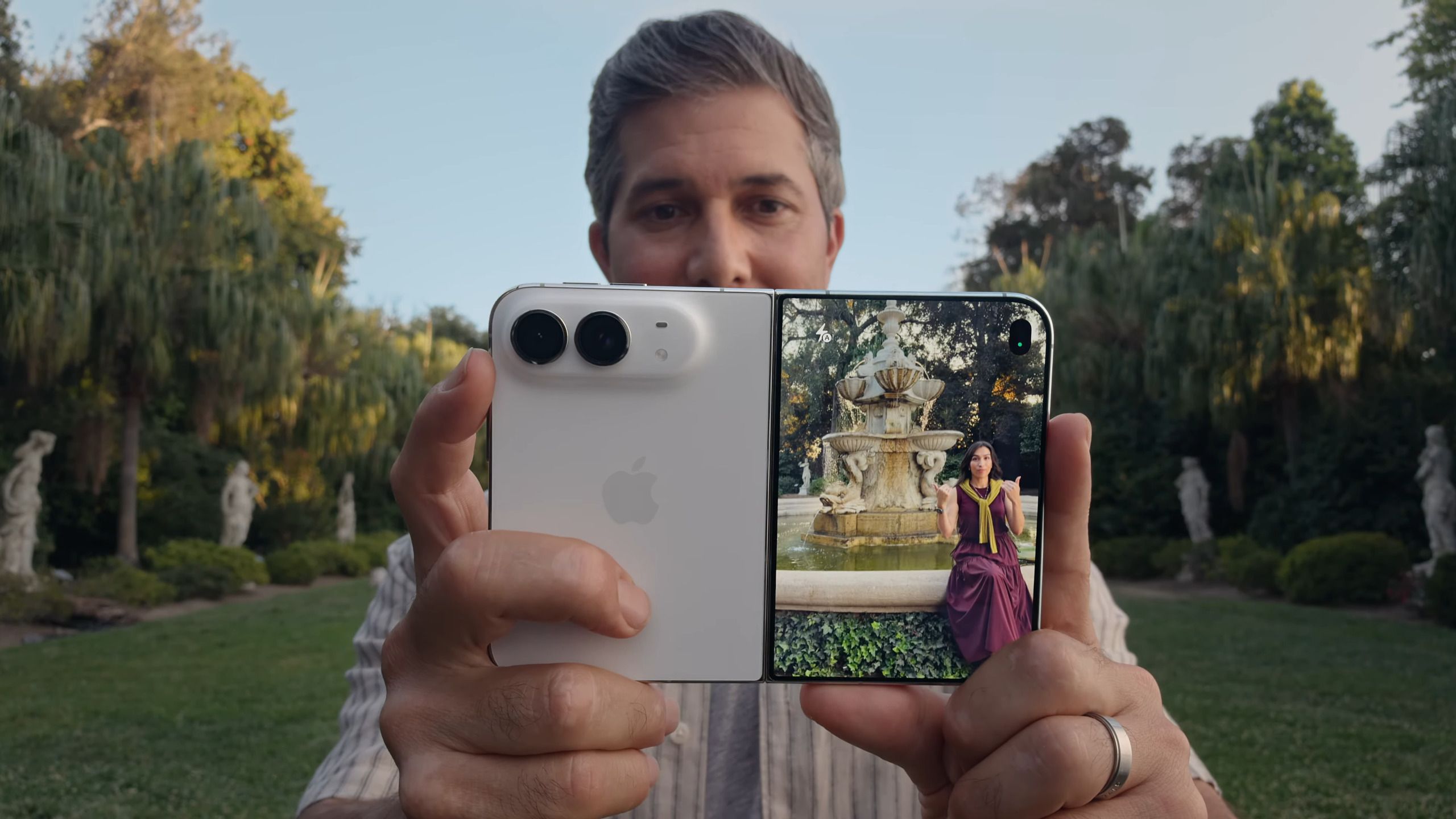
Another notable hardware inclusion on the iPhone Duo is the integration of an under-display camera (UDC) on the inner folding screen. While early iterations of foldable phones from other manufacturers experimented with under-display cameras, many subsequently reverted to traditional hole-punch designs to maximize front-facing camera clarity. Apple’s new UDC supports 1080p video recording at 30 and 60 frames per second, tailored specifically for video conferencing and media consumption, thereby preserving an uninterrupted, immersive canvas when the device is fully unfolded.
Furthermore, the iPhone Duo incorporates robust durability standards, featuring an IP68 dust and water resistance rating, Qi2 wireless charging compatibility, and an advanced vapor chamber cooling system designed to manage thermal output during intensive multitasking sessions on the A20 Pro processor.

Advanced Camera Engineering in the iPhone 18 Pro
In addition to the foldable release, the iPhone 18 Pro and iPhone 18 Pro Max introduced significant upgrades to mobile imaging technology, headlined by a mechanical variable aperture system on the primary 48-megapixel shooter.
Utilizing an assembly of six laser-cut mechanical blades, the primary camera lens can physically transition between an aperture range of f/1.8 and f/4.0. This hardware-level adjustment allows a single camera sensor to mimic the optical depth-of-field control traditionally associated with dedicated digital single-lens reflex (DSLR) and mirrorless cameras. Users can manually control the aperture, shutter speed, and white balance directly through the updated Pro camera interface, aided by a real-time exposure histogram.

Industry analysts note that while variable aperture technology previously existed in select mobile devices years prior—most notably in early Huawei flagship models—its modern implementation by Apple brings the feature back into the mainstream spotlight, potentially spurring a renewed push for optical innovation across the Android ecosystem.
Ecosystem Integration: iPhone Handoff and Software Architecture
To support the simultaneous use of multiple devices within a single user account, Apple introduced a carrier-backed feature designated as iPhone Handoff. Developed in partnership with major telecommunications providers—initially launching with T-Mobile in the United States—the service allows a single phone number and primary eSIM profile to be shared across two iPhones simultaneously.
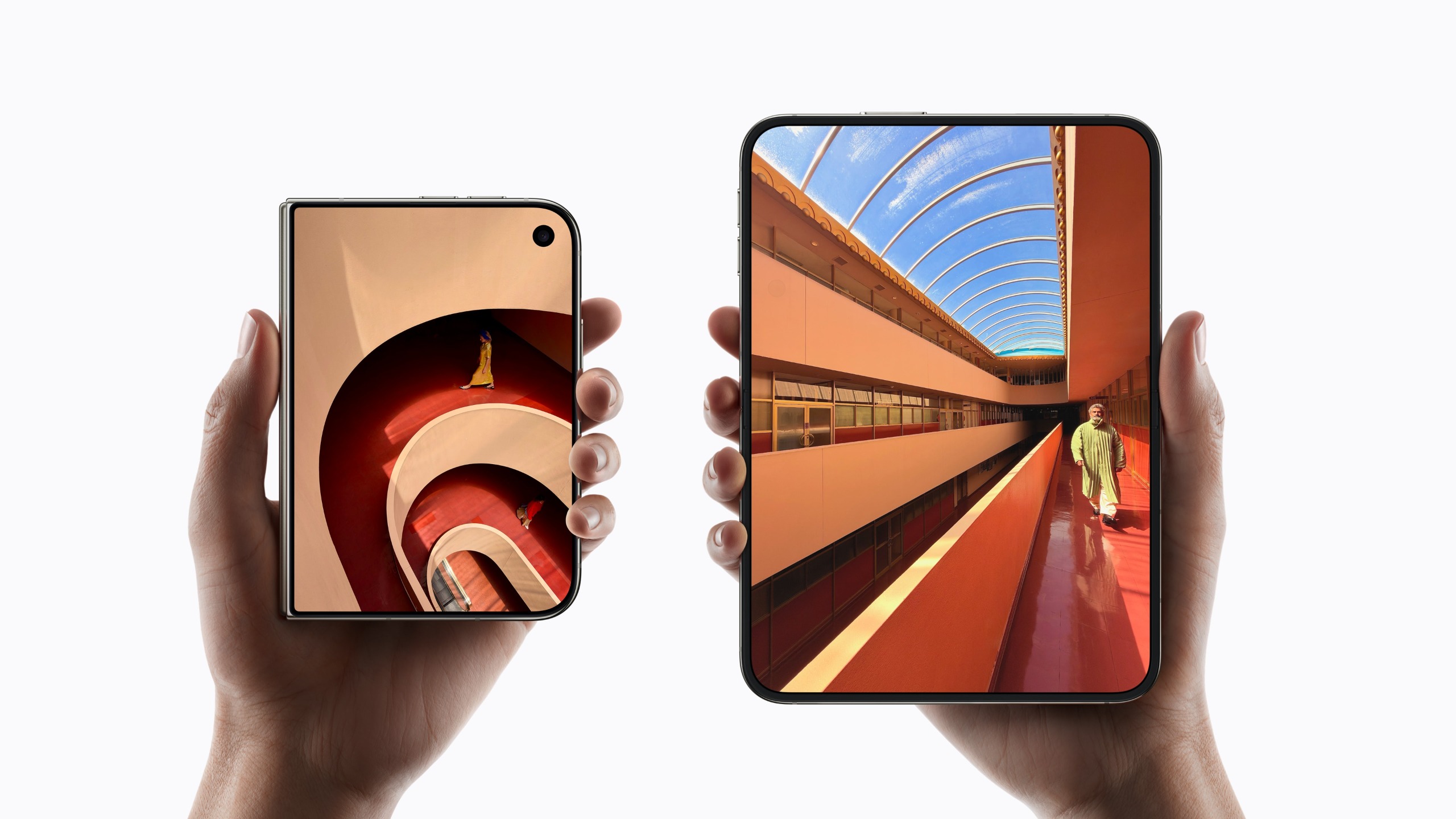
By configuring a secondary eSIM profile on a companion device, users can seamlessly transition between a standard iPhone and the iPhone Duo without manually swapping SIM cards or forwarding calls. This functionality caters to power users who utilize different form factors depending on their immediate operational context, though carriers have indicated that the service will incur an additional monthly access fee comparable to smartwatch data plans.
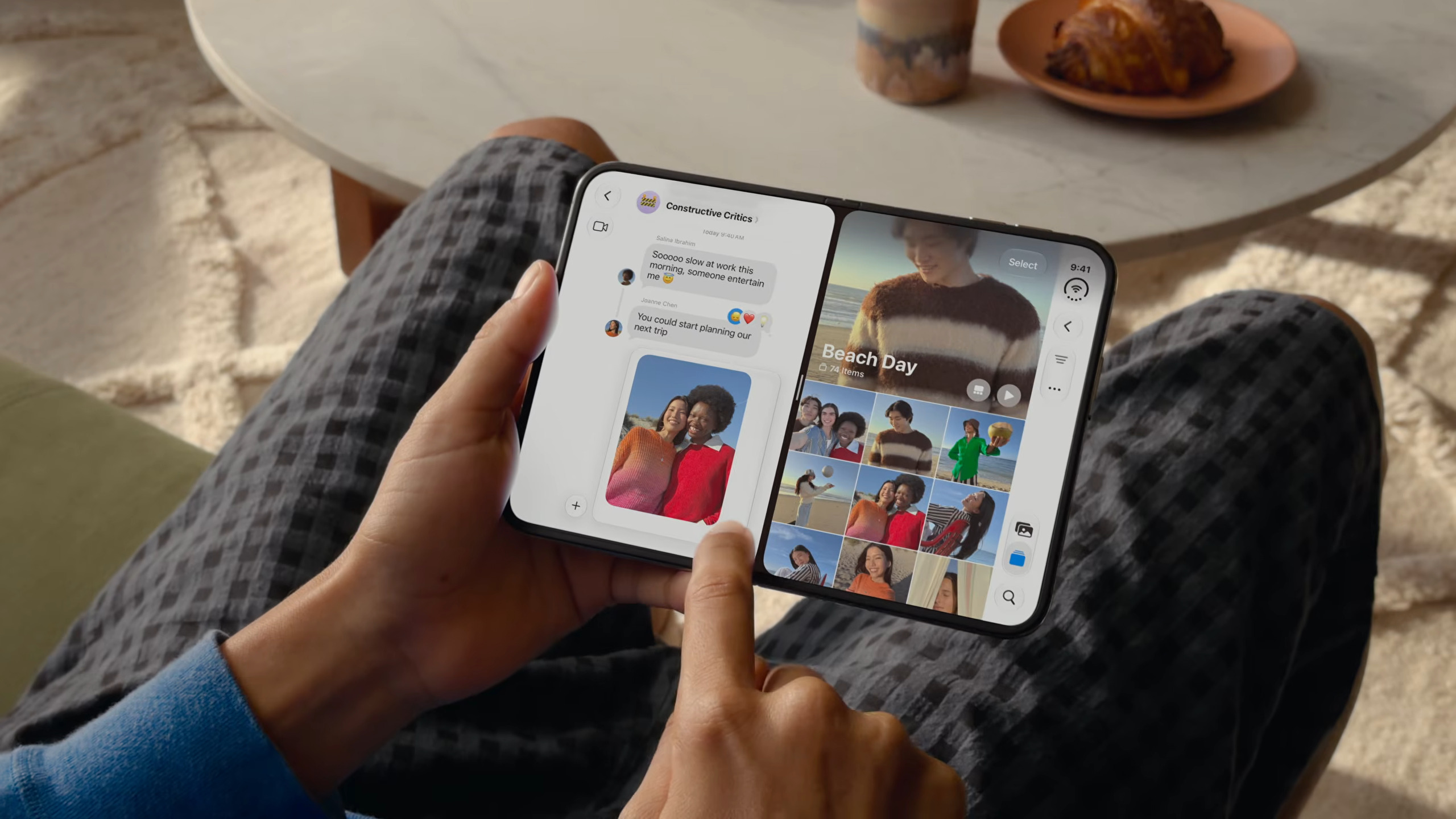
On the software front, the iPhone Duo operates on specialized adaptations designed for folding form factors. The user interface features dynamic animations, such as a cover screen blur-and-dissolve transition that transforms the lock screen into the expanded desktop view when opened. Multitasking features include split-screen views, flexible window management, and an optimized dock that leverages the expanded vertical real estate of the inner display.
Market Implications and Competitive Landscape
The launch of the iPhone Duo and the iPhone 18 Pro series is expected to accelerate competition within the premium smartphone market. By consolidating features that were previously fragmented across various Android competitors—such as stylus support, water resistance, advanced thermal management, and anti-reflective display coatings—into a single flagship hardware ecosystem, Apple has set a new benchmark for device versatility.
Competitors in the Android ecosystem face mounting pressure to respond to these advancements. While individual Android foldables have historically led in specific categories—such as Honor’s ultra-thin chassis designs or Motorola’s stylus integration—no single Android device currently combines all of the structural, optical, and software features introduced in Apple’s latest hardware cycle.
As consumer adoption of folding screens continues to scale, the success of the iPhone Duo will likely validate the long-term viability of the form factor for mainstream consumers, prompting subsequent hardware iterations and feature adoptions across the entire mobile technology industry.