Gemini Spark, Google’s Advanced AI Personal Agent, Expands Rollout to AI Pro Subscribers in the U.S., Promising Enhanced Automation and Productivity.

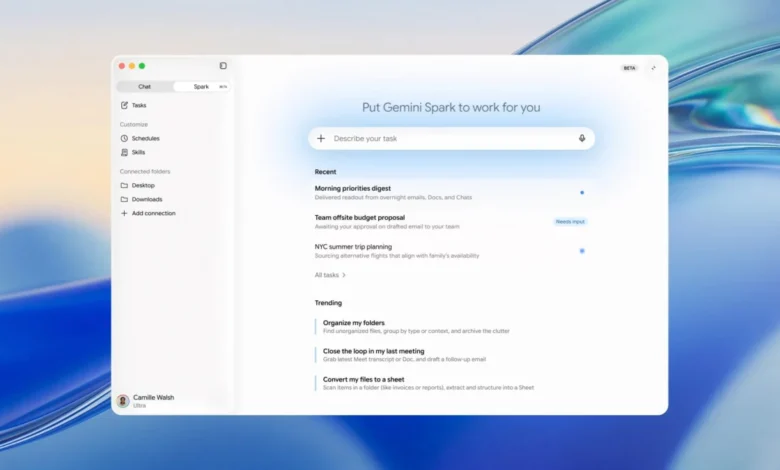
Google’s ambitious personal AI agent, Gemini Spark, is now extending its reach to Google AI Pro subscribers across the United States, marking a significant step in the company’s strategy to integrate advanced artificial intelligence into everyday digital workflows. Following its initial launch in May with AI Ultra capabilities, this phased rollout aims to equip users with a sophisticated tool designed to automate complex tasks, streamline digital interactions, and enhance overall productivity. The company has indicated that availability for AI Pro members in other countries will follow "soon," signaling a broader international expansion plan for its cutting-edge AI assistant.
The Vision Behind Gemini Spark: A New Era of Personal AI
Gemini Spark represents a pivotal evolution in Google’s approach to artificial intelligence, moving beyond reactive voice assistants to a proactive, autonomous agent capable of orchestrating multi-step processes. Its introduction underscores Google’s commitment to leading the charge in the generative AI space, competing directly with offerings from other tech giants like OpenAI and Microsoft. The underlying philosophy behind Spark is to empower users by offloading repetitive, time-consuming digital chores, thereby freeing up cognitive load for more creative, strategic, and personal endeavors. This aligns with a broader industry trend towards "agentic AI," where intelligent systems don’t just answer questions but actively perform tasks and achieve goals on behalf of the user.
For years, Google Assistant provided basic commands and information retrieval. Gemini Spark, however, elevates this concept dramatically. It’s not merely a conversational interface but a digital delegate that can interpret high-level goals and break them down into actionable steps, executing them across various applications and services. This leap from simple command execution to complex workflow automation positions Spark as a critical tool in the emerging landscape of AI-powered personal and professional productivity.
Unpacking Spark’s Core Capabilities: Connected Apps, Skills, and Schedules
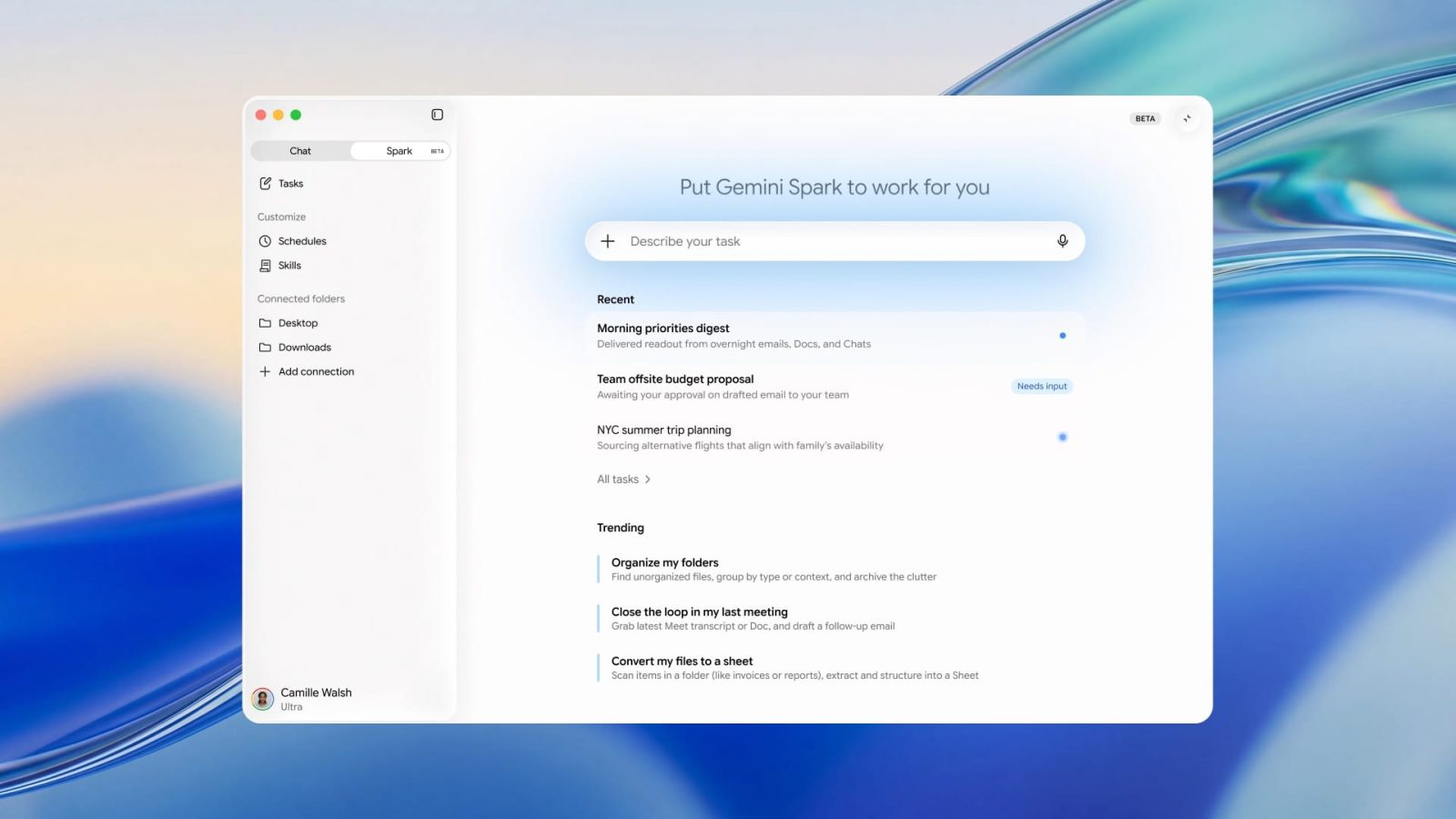
At its heart, Gemini Spark is engineered to automate intricate tasks by leveraging a suite of interconnected tools and intelligent mechanisms. Its operational framework is built upon several key pillars: Connected Apps, Personal Intelligence, a remote web browser with code execution capabilities, conversational interfaces, a "Canvas" for collaborative ideation, and location awareness. This comprehensive toolkit allows Spark to operate across diverse digital environments, mimicking human-like interaction with various platforms.
-
Connected Apps: Google Workspace and Beyond: A cornerstone of Spark’s utility is its deep integration with Google’s ecosystem, particularly Google Workspace. This connection allows Spark to interact seamlessly with applications such as Gmail, Calendar, Docs, Sheets, Slides, Drive, Keep, and Tasks. Beyond Workspace, Spark’s ability to utilize Google Search and a remote web browser means it can access and process information from the broader internet, expanding its functional scope significantly. The system’s "Personal Intelligence" component further refines its capabilities by learning user preferences and historical data, making its automations increasingly tailored and efficient over time.
-
The Power of Skills: Reusable Intelligence: A novel concept introduced with Spark is "Skills." These are essentially pre-defined, reusable instructions enriched with additional context that allow the AI to perform specific actions efficiently. For instance, a "Skill" could be configured to "Summarize daily news from preferred sources," or "Draft a preliminary response to client inquiries based on historical data." This modular approach to task execution means users can build a library of personalized automations, reducing the need to repeatedly define similar tasks. Skills can range from simple data extraction to complex document generation or email management.

-
Automated Workflows with Schedules: Complementing Skills are "Schedules," which enable automated triggers based on specific conditions or timeframes. A user might set a Schedule for a "Skill" to activate "every Monday morning at 9 AM," or "whenever a new email from a specific sender arrives." This allows for true background automation, where Spark can proactively manage aspects of a user’s digital life without constant human oversight. Examples include daily report generation, weekly meeting agenda preparation, or automated data synchronization across platforms. The combination of Skills and Schedules empowers users to construct sophisticated, intelligent agents tailored to their unique needs and workflows.
-
Task Management and Usage Limits: Google has designed Spark to manage multiple simultaneous operations, allowing users to "have up to 15 tasks running at a given time." This capacity underscores its robust backend infrastructure. However, like other Gemini services, Spark operates under compute-based usage limits. These limits are designed to ensure fair resource allocation and prevent potential system overload, while still providing ample processing power for typical user demands. Users are informed about these limits, promoting responsible and efficient use of the AI agent.
Chronology of Development and Expansion
The journey of Gemini Spark from its conceptualization to its current rollout highlights Google’s iterative development process and strategic vision for AI.
-
Initial Launch and Early Adopters: Gemini Spark was first introduced in May, bundled with Google’s premium AI Ultra offering. This initial phase allowed early adopters, often power users and developers, to explore its capabilities and provide crucial feedback. The "AI Ultra" tier likely served as a testing ground, allowing Google to refine Spark’s algorithms, optimize its performance, and iron out initial kinks before a broader release.
-
Key Enhancements and Workspace Integration: Since its debut, Google has actively expanded Spark’s functionalities. A significant focus has been placed on enhancing its integration with Google Workspace. This continuous development has resulted in particularly robust updates to how Spark interacts with productivity applications, transforming it into a formidable tool for business and personal organization. These updates have likely included improvements in natural language understanding, more sophisticated action planning, and better error handling within complex multi-application workflows.
-
Seamless Integration with macOS: A notable development in Spark’s ecosystem is the introduction of a dedicated macOS application. This app extends Spark’s capabilities to Apple’s desktop environment, allowing users to initiate tasks, such as browsing local files or interacting with desktop applications, directly from their phone. This cross-device compatibility underscores Google’s ambition to make Spark an omnipresent and universally accessible assistant, bridging the gap between mobile and desktop computing environments for a seamless user experience. The macOS app integration further cements Spark’s utility for professionals and individuals operating across diverse technological platforms.
Deep Dive into Workspace Integration: Transforming Productivity
The deep integration with Google Workspace applications is arguably where Gemini Spark demonstrates its most immediate and tangible value. By connecting directly with essential productivity tools, Spark can automate a wide array of tasks that previously required manual intervention, potentially revolutionizing how individuals and teams manage their digital work.
-
Calendar Management: Spark can intelligently manage schedules, responding to meeting invitations, suggesting optimal times for new appointments based on existing commitments, and even proactively sending reminders. For instance, a user could ask Spark to "Find a 30-minute slot next week for a meeting with John and Sarah about Project Alpha," and Spark would check their calendars, propose options, and even draft the invitation.
-
Gmail Organization and Communication: Within Gmail, Spark can perform advanced email management. This includes drafting replies, summarizing lengthy email threads, categorizing incoming mail, flagging important messages, and even scheduling follow-ups. Imagine instructing Spark to "Summarize all unread emails from the ‘Client X’ folder and draft a consolidated update for my manager."
-
Collaborative Document Handling (Docs, Sheets, Slides, Drive): Spark’s ability to interact with Docs, Sheets, and Slides is particularly powerful for content creation and data analysis. It can assist in drafting documents, generating data visualizations in Sheets, or preparing presentation slides based on provided information. For example, a user might ask Spark to "Create a presentation outline for the Q3 marketing review, pulling key performance indicators from the Q3 Sales Report in Drive." It’s important to note, however, that to edit shared documents, spreadsheets, and presentations, users will need to review and explicitly confirm Gemini Spark’s planned edits, ensuring human oversight over collaborative content.
-
Note-Taking with Google Keep: For ideation and information capture, Spark can seamlessly integrate with Google Keep. Users can instruct Spark to "Create a new note with action items from today’s meeting," or "Organize my existing Keep notes by project." This helps maintain an organized repository of thoughts, tasks, and reminders.
-
Streamlined Task Management: Spark’s integration with Google Tasks allows for robust task creation, prioritization, and management. It can add new tasks based on email content, set deadlines, and even reorganize existing task lists. A user might say, "Add ‘Follow up with marketing team on campaign results’ to my high-priority tasks for tomorrow."
-
Important Considerations: Confirmation and Privacy: Google has implemented crucial safeguards regarding Spark’s interactions with sensitive data and collaborative work. The requirement for users to "review and confirm Gemini Spark’s planned edits" for shared documents underscores a commitment to maintaining user control and preventing unintended alterations. Similarly, while Gemini can perform bulk actions on private tasks in Google Tasks without explicit confirmation, users are strongly advised to "review your request before you submit or manage directly in Google Tasks." This highlights the balance between automation efficiency and the need for user accountability and data privacy, especially when the AI is granted significant operational autonomy.
Industry Reactions and Strategic Positioning
The expansion of Gemini Spark is being closely watched by industry analysts and competitors alike, as it represents a significant move in the escalating AI agent race.
-
Google’s Executive Perspective (Inferred): While specific executive statements on this particular rollout are pending, Google’s leadership has consistently emphasized the transformative potential of generative AI. Kent Walker, President of Global Affairs at Google, has often spoken about AI’s role in augmenting human capabilities and solving complex problems. It can be inferred that Google views Spark as a key product embodying this vision, aiming to make advanced AI accessible and practical for everyday users, thereby solidifying its position as a leader in the AI-first era. The focus on integrating Spark deeply into the Google ecosystem is a strategic move to leverage its existing user base and data infrastructure.

-
Analyst Insights on the AI Agent Market (Inferred): Industry analysts anticipate that AI agents like Gemini Spark will redefine personal and professional productivity tools. "The shift from conversational AI to autonomous agents capable of executing multi-step workflows marks a new frontier in human-computer interaction," notes Dr. Evelyn Reed, a lead AI analyst at Tech Insights Group. "Google’s deep integration with Workspace gives Spark a significant advantage in the enterprise and productivity sectors. The key will be user adoption and trust, especially concerning data privacy and the accuracy of automated tasks." Analysts also highlight the competitive pressure from rivals like Microsoft’s Copilot and various independent AI agent startups, all vying for market share in this burgeoning segment. The success of Spark will depend not only on its technical capabilities but also on its ability to offer a seamless, secure, and genuinely value-adding experience that differentiates it from competing solutions.
Broader Implications: The Future of Work and Digital Interaction
The widespread adoption of AI agents like Gemini Spark carries profound implications for the future of work, digital literacy, and the very nature of human-computer interaction.
-
Redefining Productivity and Workflow Automation: Gemini Spark promises a paradigm shift in personal and professional productivity. By automating mundane, repetitive tasks, it enables users to reclaim significant amounts of time, redirecting their efforts towards creative problem-solving, strategic planning, and interpersonal engagement. This could lead to a substantial increase in efficiency across various industries, from administrative roles to highly specialized technical positions. The concept of "delegating" tasks to an AI agent, rather than performing them manually, becomes a core competency for the modern workforce.
-
Navigating Ethical and Privacy Dimensions: As AI agents gain more autonomy and access to personal and professional data, ethical considerations surrounding data privacy, security, and accountability become paramount. Google’s implementation of explicit confirmation steps for shared document edits and warnings for bulk task actions demonstrates an awareness of these concerns. However, the broader societal implications of AI making decisions or taking actions on behalf of individuals will require ongoing discussion, robust regulatory frameworks, and continuous advancements in AI safety and transparency. Users will need to develop a new level of digital literacy, understanding not just how to use these tools, but how to oversee and audit their actions.
-
The Competitive Horizon of AI Agents: Gemini Spark’s rollout intensifies the competition in the AI agent market. Companies are racing to develop the most capable, reliable, and user-friendly autonomous agents. This competition is expected to drive rapid innovation, leading to more sophisticated features, better integrations, and enhanced security measures. The battle for market leadership will likely be determined by which platform can offer the most seamless and trustworthy integration into users’ daily digital lives.
-
Future Trajectories for Gemini Spark: Looking ahead, the potential for Gemini Spark is vast. Future enhancements could include deeper multimodal capabilities, allowing Spark to interpret and generate not just text but also images, audio, and video in its automated workflows. Expanded integration with third-party applications and services beyond Google’s ecosystem could further amplify its utility. As AI models become more sophisticated, Spark might also develop enhanced predictive capabilities, proactively identifying needs and suggesting solutions before explicit user prompts. The ongoing evolution of "Skills" and "Schedules" will likely lead to a marketplace of shareable, customizable automations, fostering a community of users who can benefit from collective intelligence.
In conclusion, the broader rollout of Gemini Spark to Google AI Pro subscribers in the U.S. marks a pivotal moment in the advancement of personal AI. By offering a sophisticated agent capable of automating complex tasks across a deeply integrated ecosystem, Google is not just enhancing productivity; it is redefining the very nature of digital interaction and setting a new benchmark for intelligent assistance in the age of artificial intelligence. Its success will undoubtedly shape the trajectory of AI development and adoption for years to come.