Bose Unveils New Noise-Cancelling Wired Earbuds with USB-C Connectivity Aimed at Audiophiles and Professionals

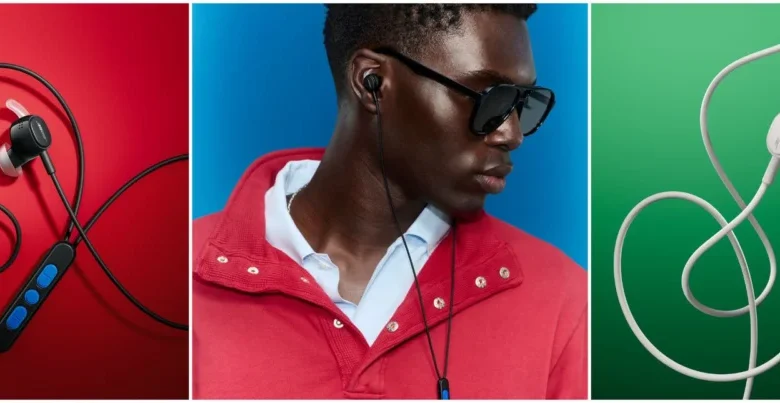
Audio technology giant Bose has officially entered a largely overlooked niche in the modern consumer electronics market with the announcement of its new Noise-Cancelling Wired Earbuds. Designed to bridge the gap between traditional wired fidelity and modern acoustic engineering, the new product arrives as a direct response to a persistent consumer demand: high-end active noise cancellation (ANC) paired with the reliability, zero-latency performance, and plug-and-play convenience of a physical cable.
Priced at $99 in the United States, the newly unveiled earbuds represent a strategic pivot for a market that has spent the better part of the last decade aggressively eliminating the 3.5mm headphone jack and pushing consumers toward battery-dependent Bluetooth alternatives. By leveraging direct USB-C connectivity, Bose aims to capture a distinct demographic of commuters, remote workers, and mobile professionals who prioritize uninterrupted audio streams, lossless playback capabilities, and freedom from the constant burden of battery maintenance.
The Return of the Wire: Main Facts and Product Specifications
The newly announced Bose Noise-Cancelling Wired Earbuds connect directly to smartphones, tablets, laptops, and other host devices via a standard USB-C interface. Because they draw power directly from the host device, the earbuds do not feature an internal battery, entirely eliminating the need for charging cases or power cables. Furthermore, the hardware operates without the requirement of a companion smartphone application, allowing for immediate functionality upon plugging the device in.
At the core of the acoustic architecture is Bose’s proprietary SoundDesign digital signal processing (DSP) technology. This proprietary processing suite is engineered to deliver crisp, clear audio reproduction alongside support for high-resolution, lossless audio playback. The hardware officially supports the USB Audio Class 2 protocol, empowering the earbuds to accept varying source input sample and bit rates, while the playback output is securely fixed at 24-bit/48kHz.
In addition to fidelity, the integration of a wired connection inherently solves the latency issues that often plague wireless Bluetooth peripherals, making these earbuds particularly attractive for tasks such as mobile gaming, video editing, and real-time virtual conference calls.
Advanced Noise Cancellation and Multi-Mode Listening
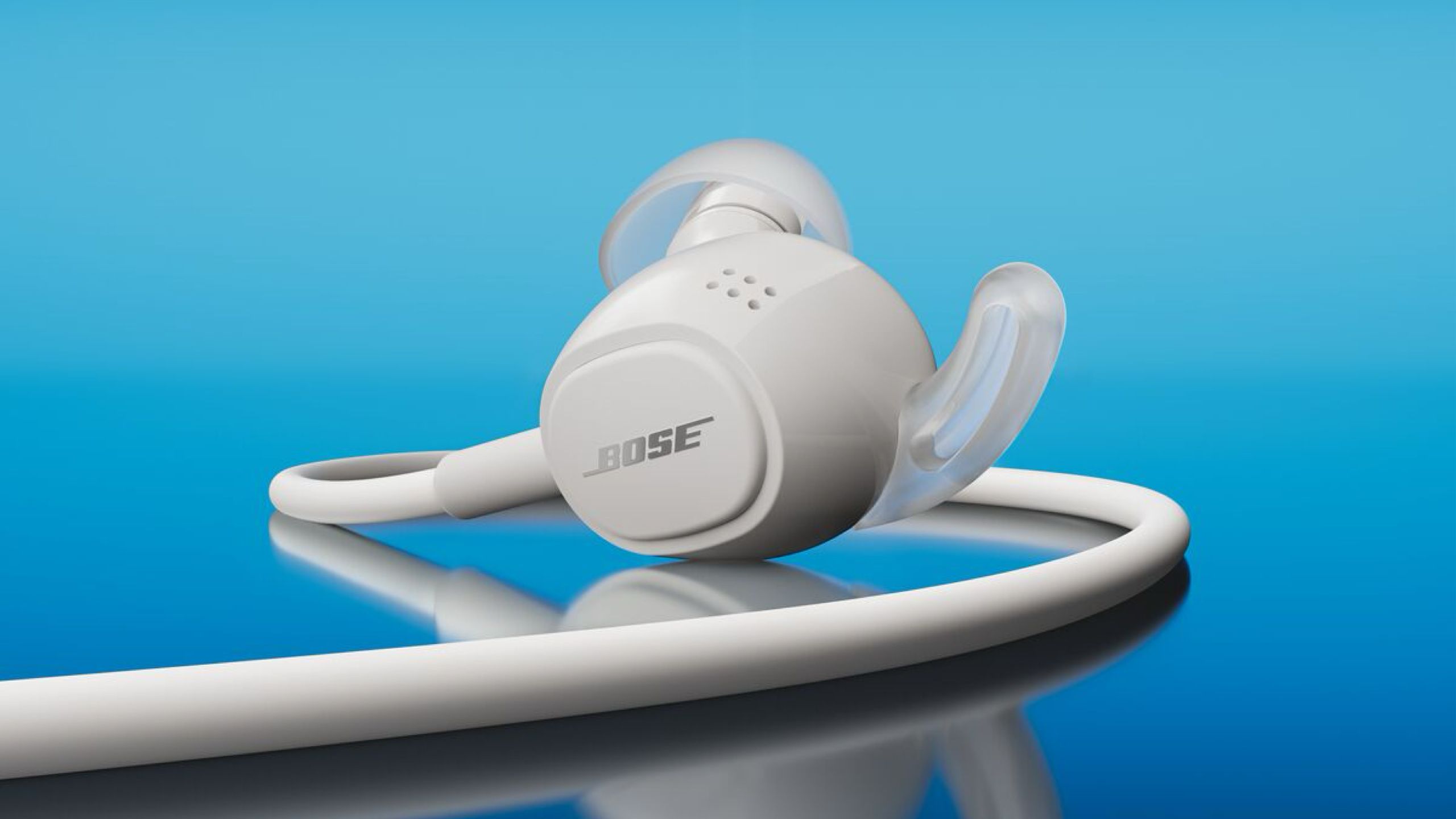
Despite utilizing a wired tether, the earbuds do not compromise on modern acoustic isolation features. Bose has incorporated dedicated external microphones mounted on the rear of each earbud housing. These sensors continuously monitor ambient environmental sounds, feeding real-time data into the DSP to actively neutralize unwanted background noise.
To manage these capabilities in various environments, the earbuds feature a physical, inline remote control module. This tactile controller allows users to manage media playback, adjust volume levels, handle incoming telephone calls, and toggle swiftly between three distinct listening modes:
- Quiet Mode: Deploys maximum active noise cancellation to suppress environmental distractions, such as airplane engines, public transit hums, and office chatter.
- Aware Mode: Utilizes pass-through technology to blend external ambient sounds into the audio stream, ensuring users remain aware of their surroundings when walking on busy streets.
- ANC Off: Deactivates all electronic noise processing for a traditional passive listening experience.
For physical comfort and durability, the earbuds are equipped with soft silicone ear tips designed to create a secure acoustic seal. Additionally, the hardware carries an IPX4 water-resistance rating, offering protection against sweat, rain, and accidental splashes during daily commutes or workouts.
Background Context and Industry Evolution
The launch of wired earbuds with active noise cancellation marks a fascinating turn in the trajectory of the personal audio market. Over the past eight years, major smartphone manufacturers—led by Apple, Samsung, and Google—systematically removed the traditional 3.5mm headphone jack from their flagship devices. This hardware shift was designed to incentivize the adoption of true wireless stereo (TWS) Bluetooth earbuds.
While TWS earbuds achieved massive commercial success due to their untethered convenience, they introduced a new set of compromises. Battery degradation over a two-to-three-year lifespan, Bluetooth signal interference in densely populated urban areas, audio latency during video playback, and the compression artifacts of wireless codecs remained constant pain points for audiophiles and power users.
While budget-friendly USB-C earbuds have quietly populated online marketplaces for years, major premium audio brands largely ignored the segment, focusing their research and development budgets almost exclusively on Bluetooth ecosystems. By stepping into this void, Bose is validating a persistent consumer sub-culture that refuses to abandon wires, offering them premium features that were previously exclusive to high-end wireless flagships.
Pricing, Color Options, and Global Availability
Bose has confirmed that the Noise-Cancelling Wired Earbuds will retail for $99. Pre-orders for the device opened immediately following the product announcement, available directly through the official Bose website as well as major retail partners such as Best Buy.
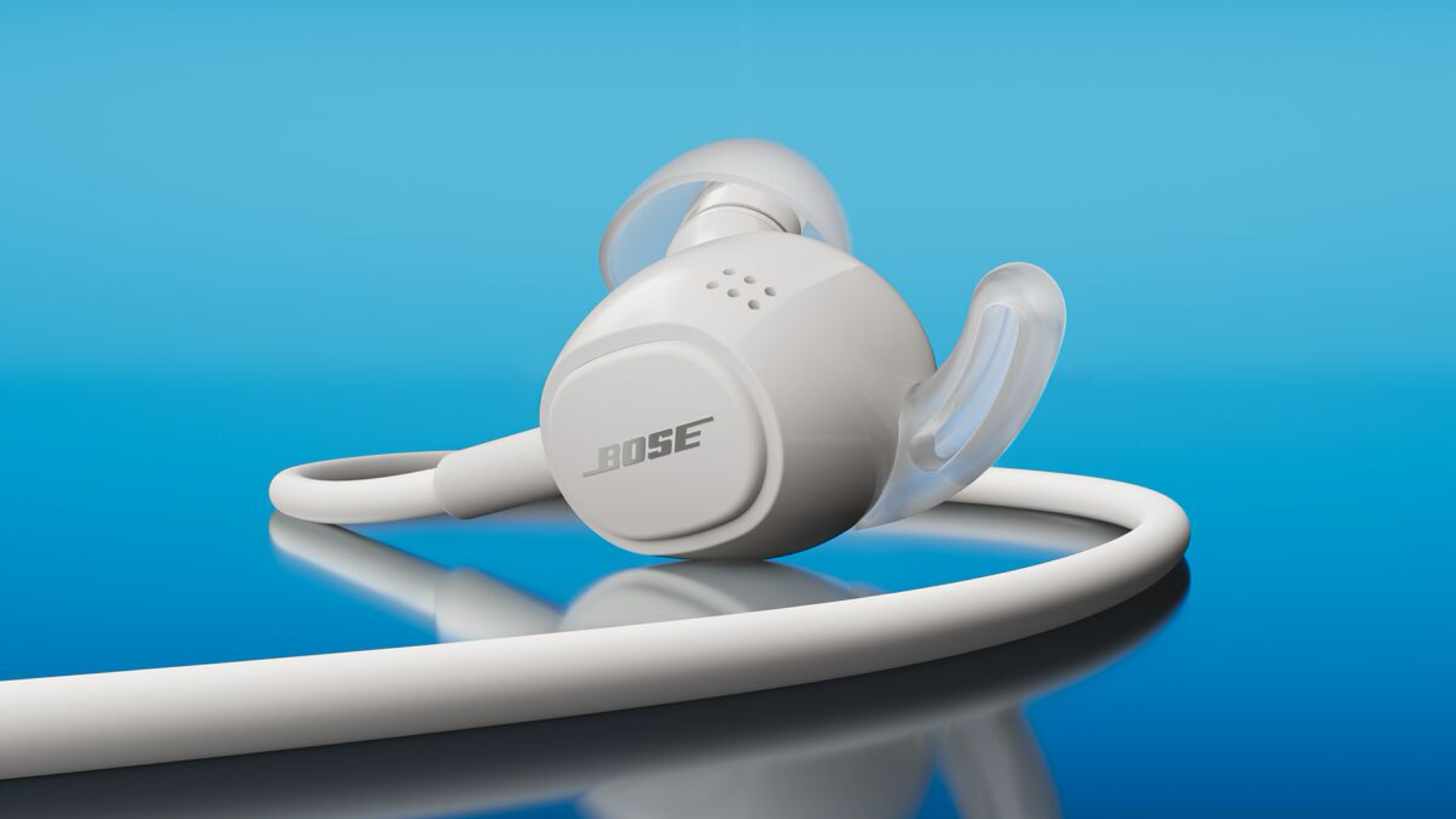
The earbuds will launch in three distinct colorways to match varied consumer aesthetic preferences: a classic Black, a sophisticated White Smoke, and a vibrant, limited-edition Dewdrop Mint variant. Official shipping and in-store availability are scheduled to commence globally on October 15.
Market Implications and Future Outlook
Industry analysts suggest that Bose’s strategic introduction of a premium wired product could stimulate a wider trend across the consumer audio landscape. As consumers increasingly experience "battery fatigue"—the cognitive load of managing charging cycles for phones, watches, laptops, and now multiple pairs of wireless headphones—products that offer zero-maintenance utility hold renewed appeal.
Furthermore, remote and hybrid work models have cemented the demand for reliable, plug-and-play communication tools. Professionals participating in hours of continuous video conferences value hardware that will not unexpectedly disconnect due to a drained battery or suffer from Bluetooth pairing failures.
Whether competitors will follow Bose’s lead and reintroduce high-end wired peripherals remains to be seen. However, by targeting the intersection of lossless fidelity, active noise cancellation, and battery-free operation at a sub-$100 price point, Bose has carved out a compelling proposition that addresses the unserved needs of a loyal segment of the audio market.