The Essential Guide to Building a Future-Proof SEO Tech Stack for Small Businesses

The landscape of Search Engine Optimization (SEO) tools for small businesses is vast, presenting both opportunities and significant challenges for those operating with finite resources and strict budgets. The critical task for these enterprises is to identify a technological ecosystem that not only supports their competitive aspirations in organic search but also aligns seamlessly with their financial and operational constraints. This strategic selection is not merely an operational decision but a foundational element for sustained digital growth in an increasingly competitive online environment.
The Crucial Role of SEO for Small Businesses
In today’s digital-first economy, a strong online presence is paramount for small businesses. Organic search, driven by effective SEO, consistently emerges as a leading marketing channel. According to HubSpot’s State of Marketing report, a substantial 50% of small businesses consider their website, blog, and SEO as their most leveraged marketing channel. This highlights the indispensable role of organic visibility in driving customer acquisition and revenue. Unlike paid advertising, which ceases to deliver results once the budget is depleted, a well-executed SEO strategy yields compounding returns, building long-term authority and traffic.

The implication of neglecting SEO is significant: lost market share, reduced brand visibility, and an inability to compete with larger entities that often have dedicated marketing departments and substantial budgets. For small businesses, where every marketing dollar counts, investing in the right SEO tools translates directly into a higher return on investment (ROI) and a more sustainable growth trajectory. This guide aims to demystify the process, offering a clear framework for selecting tools that fit specific business goals, budget, and team capabilities.
Navigating the Landscape: Criteria for Tool Selection
Choosing the optimal SEO software is not a one-size-fits-all endeavor. Instead, small business decision-makers must establish clear criteria to guide their procurement process. A structured approach ensures that chosen tools deliver measurable results and integrate effectively into existing workflows.
-
Growth Goals Alignment: The primary determinant for any tool selection should be its alignment with immediate and long-term growth objectives. A business launching its inaugural website will prioritize foundational auditing and keyword research tools, whereas an established enterprise aiming to scale content production will focus on advanced content optimization and backlink analysis.
- Launching a New Website: Prioritize auditing tools to establish a baseline and identify initial growth opportunities.
- Boosting Organic Conversions: Focus on robust keyword research and content optimization platforms.
- Addressing Ranking Declines: Technical SEO audit tools become critical for diagnosing and rectifying issues.
- Local Market Dominance: Specialized local SEO and Google Business Profile management tools are essential.
- Proving ROI: Analytics and comprehensive reporting tools are vital for demonstrating value to stakeholders.
-
Tool Category Match and Consolidation: SEO encompasses multiple pillars: on-page, technical, off-page (backlinking), and increasingly, Answer Engine Optimization (AEO). Each pillar traditionally has its own suite of specialist tools. For small businesses, identifying tools that offer overlapping functionalities across multiple categories can be a cost-effective strategy. Consolidating tools into a single platform or a tightly integrated stack can reduce costs and streamline workflows. Key categories include:
- Keyword Research
- Technical SEO & Site Auditing
- Content Optimization
- Backlink Research & Outreach
- Rank Tracking
- Local SEO
- Analytics & Reporting
-
Ease of Use and Integration: The most powerful tool is useless if the team cannot easily integrate it into their daily operations or lacks the expertise to leverage its features. Look for platforms with intuitive user interfaces, comprehensive training resources, and seamless integration capabilities with existing marketing and CRM systems. Tools that offer direct integration with platforms like Google Analytics, Google Search Console, and customer relationship management (CRM) systems like HubSpot can dramatically enhance efficiency and data cohesion.
-
Budgetary Considerations: Budget constraints often dictate initial tool choices. While free tools offer an excellent starting point for learning the basics and gathering initial data, they typically come with limitations that can hinder scaling efforts.
- Starting Out / Learning: Free tools like Google Keyword Planner or HubSpot Website Grader are ideal.
- Needing Advanced Data / Features: Paid solutions become necessary when free tools’ limitations impede growth, or when guided recommendations and deeper insights are required.
- Managing Multiple Assets: Businesses with numerous pages, products, or locations will find paid tools invaluable for managing complexity.
- CRM/Lead Data Integration: For a holistic view of marketing performance tied to revenue, paid platforms offering CRM integration are essential.
Before committing to new tools, it is prudent to review the existing tech stack for any overlapping functionalities to avoid redundant subscriptions.
The Evolution of SEO Tools and the SMB Challenge
The journey of SEO has been marked by continuous evolution. From the early days of keyword stuffing and directory submissions, the field has matured into a complex discipline requiring sophisticated analysis and strategic content development. Google’s algorithms, such as BERT, MUM, and the recent helpful content updates, have pushed SEO professionals to focus on user intent, content quality, and comprehensive technical foundations. This increased complexity has directly fueled the demand for more advanced tools. Small businesses, in particular, face the challenge of keeping pace with these changes without the luxury of large in-house teams or unlimited budgets. The right tools bridge this gap, democratizing access to powerful insights previously reserved for enterprise-level operations.
Essential Free SEO Tools: A Starting Point
For small businesses embarking on their SEO journey or operating with minimal budgets, a suite of free tools provides an excellent foundation. While they may lack the advanced features of their paid counterparts, they offer crucial insights and functionalities.
- Google Search Console (Free): Indispensable for all businesses, GSC provides direct performance data from Google, including search queries, indexing status, and site health reports. It’s the most accurate source for understanding how your site performs in Google Search.
- Google Analytics 4 (Free): A foundational analytics platform, GA4 tracks user behavior on your website, offering insights into traffic sources, engagement, and conversion paths. Essential for understanding how organic visitors interact with your content.
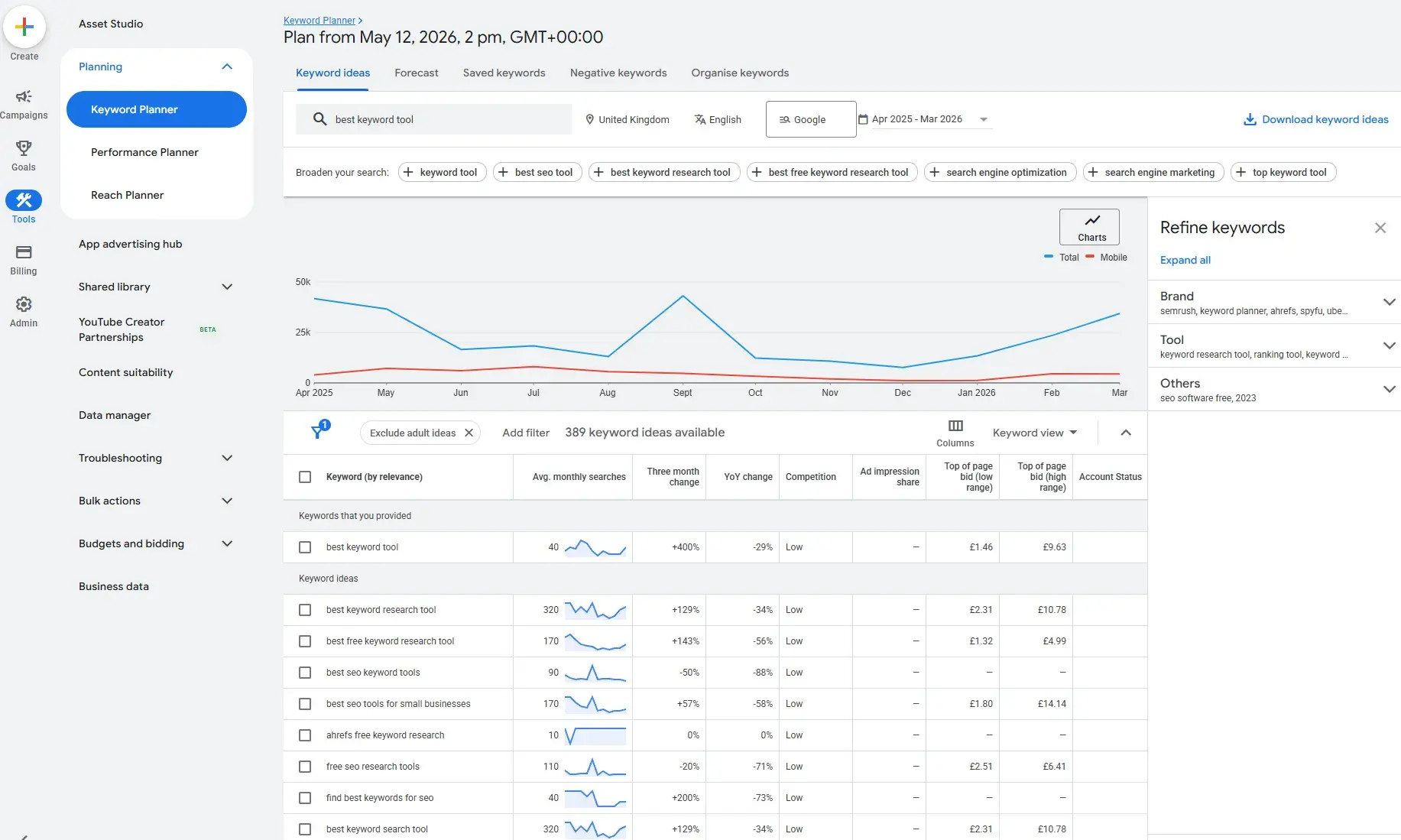
- Google Keyword Planner (Free with Google Ads account): Offers keyword ideas, search volume ranges, and competition data. While primarily for paid search, its keyword insights are highly transferable to SEO strategy.
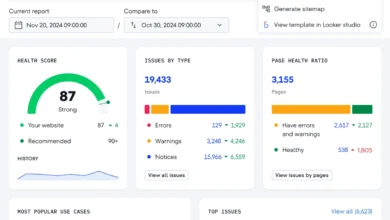
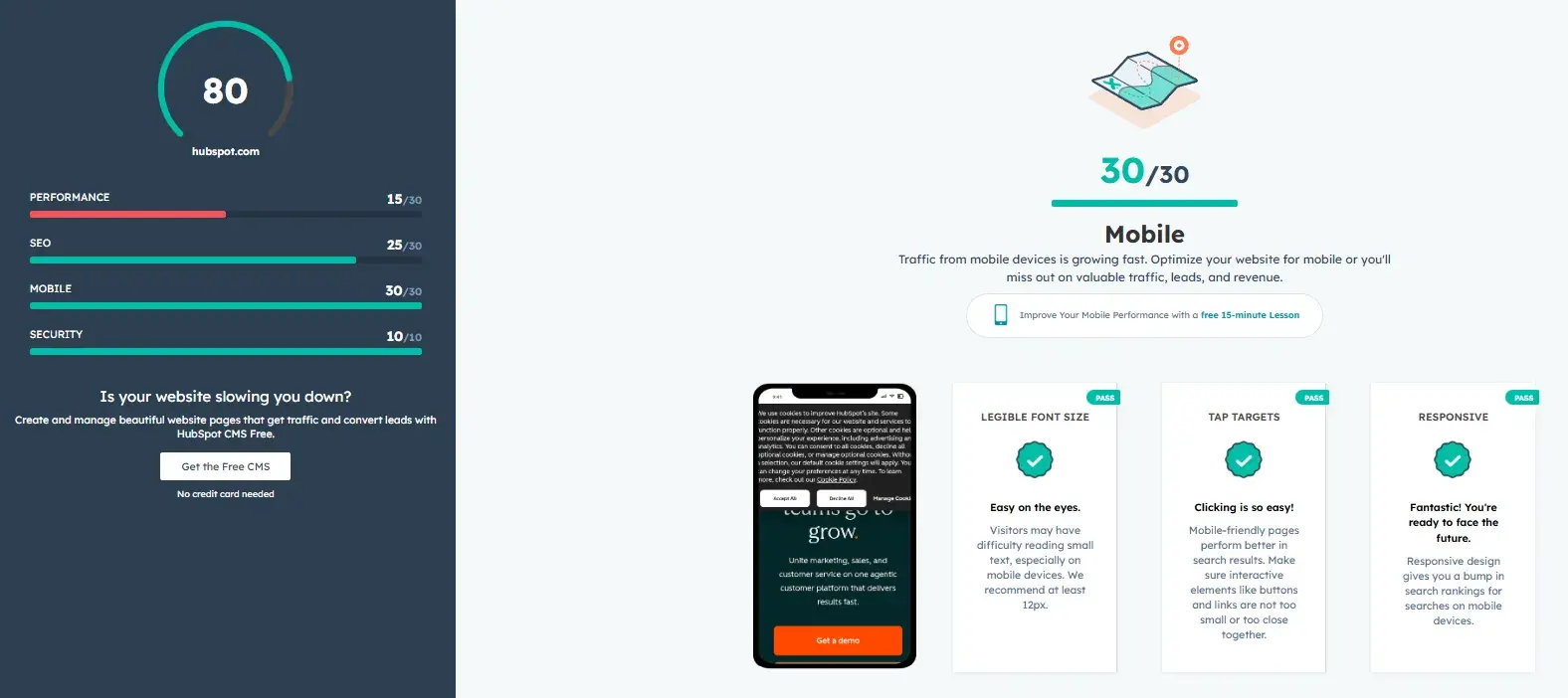
- HubSpot Website Grader (Free): Provides a quick, jargon-free technical audit of your website, scoring performance, SEO, mobile readiness, and security with actionable recommendations.
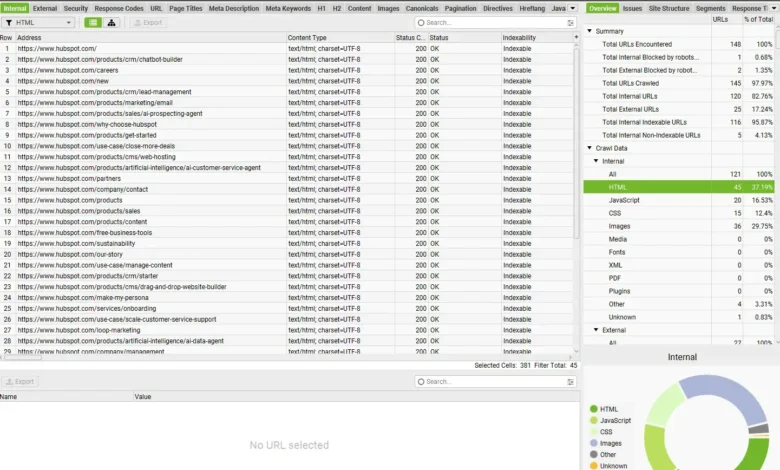
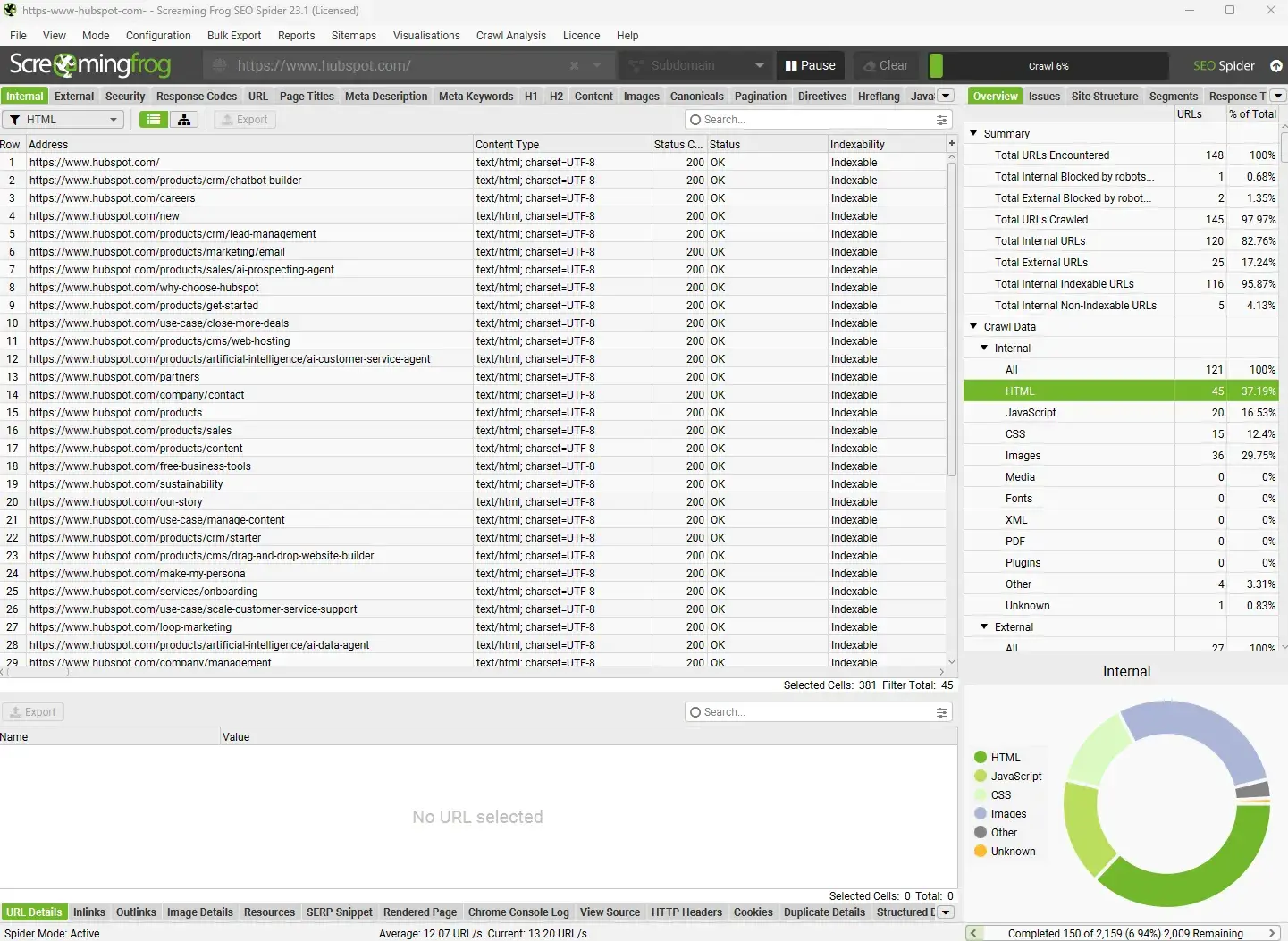
- Screaming Frog SEO Spider (Free up to 500 URLs): A powerful desktop crawler that identifies technical SEO issues like broken links, duplicate content, and metadata problems. Requires some technical expertise.
- Looker Studio (formerly Google Data Studio) (Free): A robust data visualization tool that can pull data from various sources (GA4, GSC) to create shareable, real-time reports and dashboards.
When to Scale Up: Recognizing the Need for Paid Solutions
While free tools are excellent for getting started, they inevitably reach their limitations as a business grows and SEO strategies become more sophisticated. Recognizing these tipping points is crucial for timely upgrades.
- Data Volume and Depth: Free tools often restrict the amount of data accessible or offer less granular insights (e.g., search volume ranges instead of exact figures). When in-depth competitive analysis, extensive keyword research, or detailed backlink profiles are needed, paid tools become essential.
- Automation and Efficiency: Manual data compilation from multiple free sources becomes time-consuming as operations scale. Paid all-in-one platforms automate many tasks, saving valuable time for lean teams.
- Guided Recommendations: Many paid tools offer AI-powered suggestions, prioritized action lists, and guided workflows, which are invaluable for teams lacking deep SEO expertise.
- Competitor Analysis: Free tools provide minimal competitive intelligence. Paid platforms excel at dissecting competitor strategies, identifying their top keywords, content, and backlink sources.
- Advanced Reporting: While Looker Studio is free, the ability to integrate SEO data directly with CRM and revenue data, as offered by platforms like HubSpot Marketing Hub, provides a level of attribution critical for justifying SEO spend to stakeholders.
- Multi-location or Large-scale Management: Managing SEO for numerous pages, products, or geographical locations quickly overwhelms free tools, necessitating the centralized control and scalable features of paid software.
Deep Dive: Categorizing Must-Have SEO Software
Building an intentional tech stack requires understanding the specialized functionalities of tools within each SEO category.
Keyword Research Tools
Keyword research is the bedrock of any SEO strategy, revealing audience intent and search opportunities.
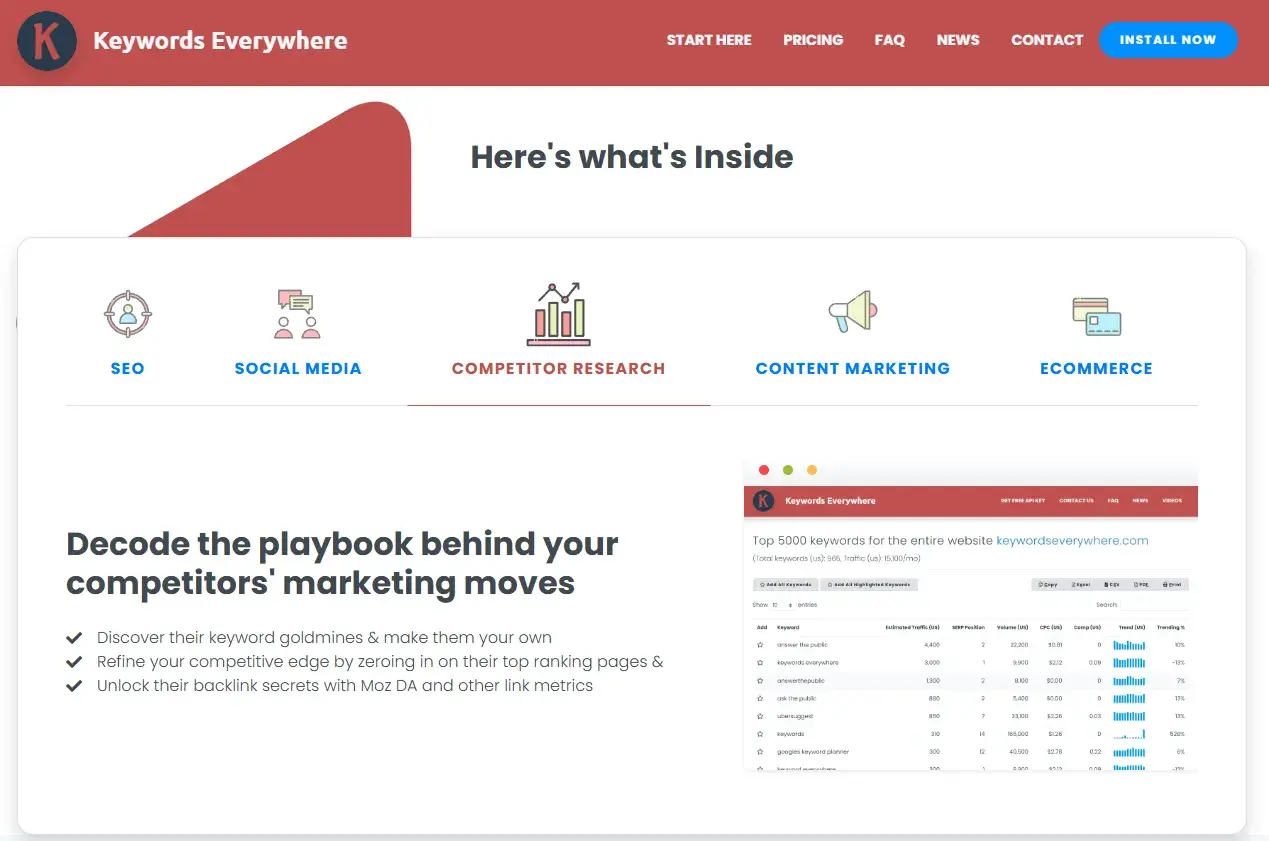
- Keywords Everywhere (Paid, starts $7/month): A lightweight browser extension that overlays keyword data directly onto Google SERPs. Excellent for quick insights during daily browsing. Upgrade immediately if daily keyword insights are a priority.
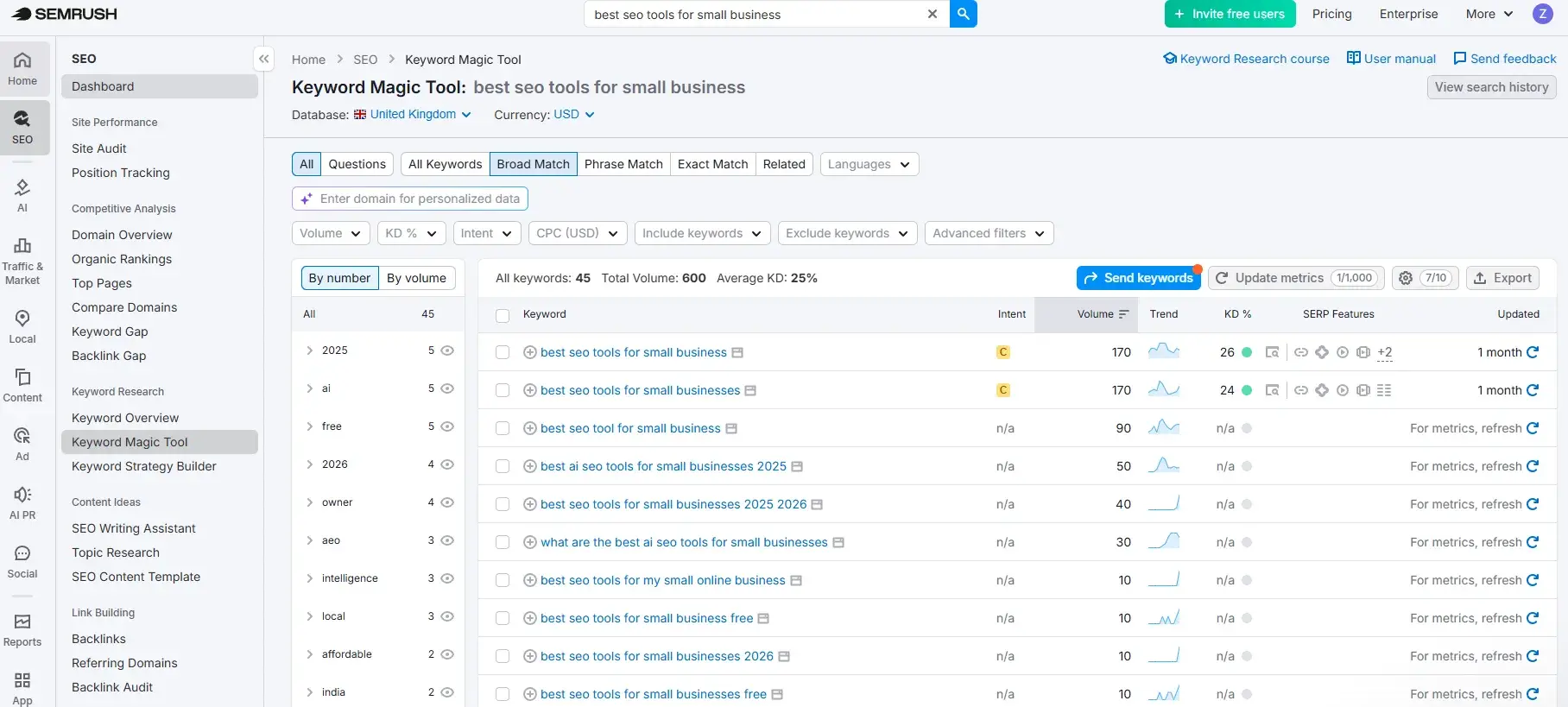
- Semrush (Free version, paid from $139/month): A comprehensive platform offering extensive keyword databases, competitor analysis, and advanced filtering (e.g., intent). Upgrade when needing multiple SEO tools, competitive analysis, or keyword tracking.
Technical SEO and Site Audit Tools
These tools diagnose the structural health of a website, catching issues that can silently suppress rankings.
- HubSpot Website Grader (Free): Provides a simple, actionable snapshot of site health, ideal for initial audits. No upgrade required for this specific tool; transition to deeper crawlers as complexity increases.
- Screaming Frog SEO Spider (Free up to 500 URLs, paid $279/year): A desktop-based crawler for detailed technical audits. Upgrade if regularly crawling sites over 500 URLs or integrating with GA/GSC. Requires technical proficiency.
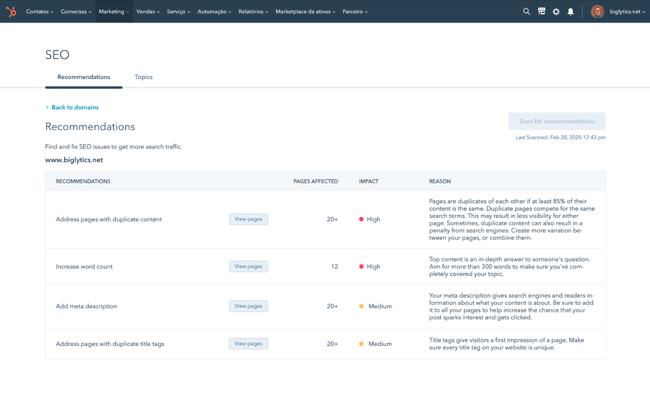
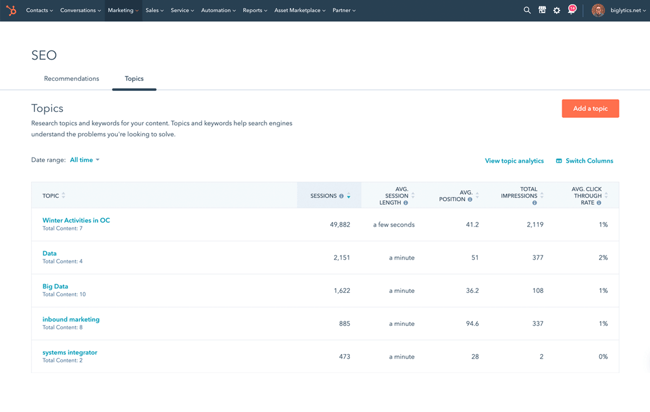
- HubSpot SEO Recommendations (Included in Marketing Hub, free version available): Built into HubSpot’s platform, it surfaces technical recommendations with clear explanations and prioritization. Upgrade with Marketing Hub when replacing multiple marketing tools or needing guided technical SEO workflows.
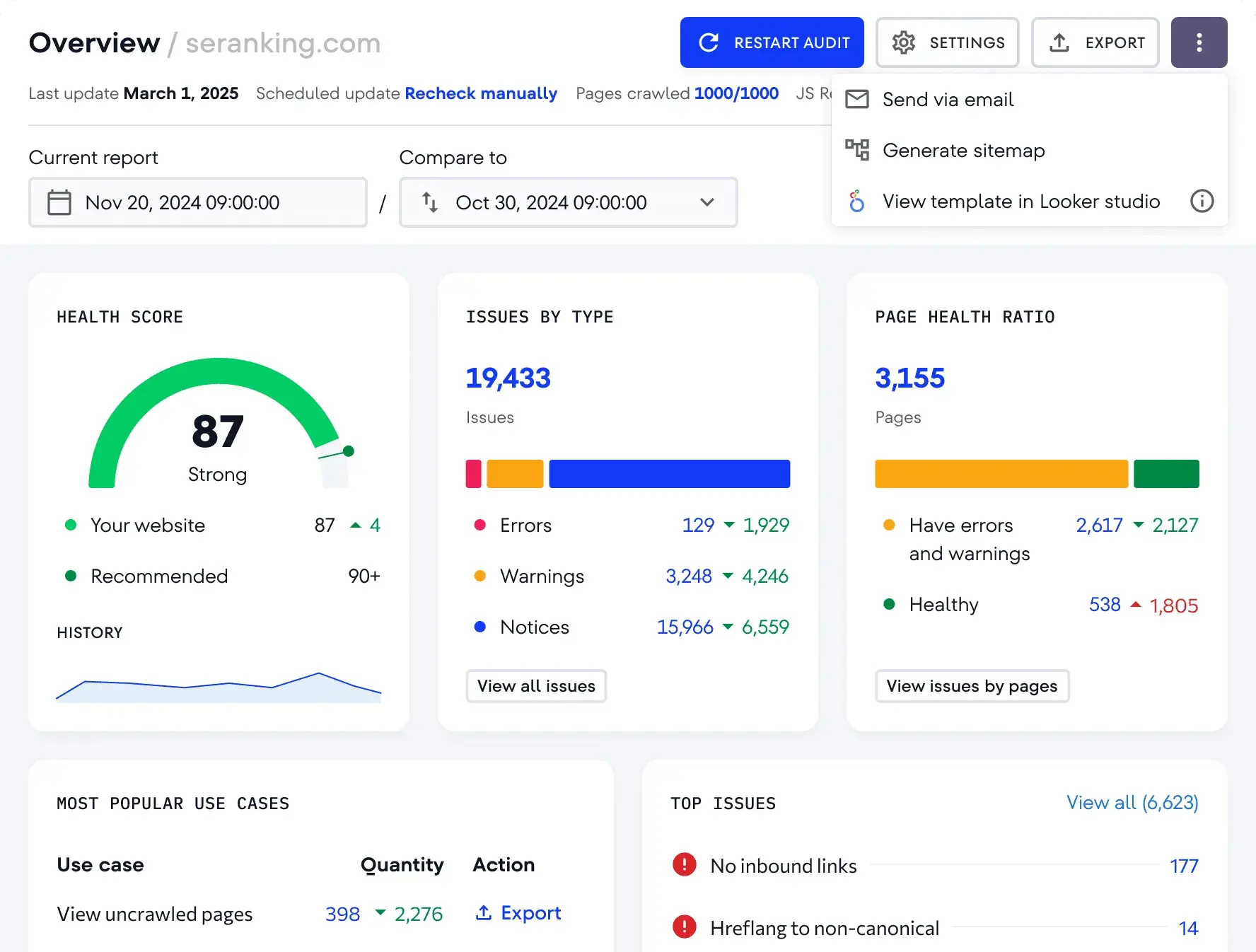
- SE Ranking (Paid, starts $103/month): An all-in-one platform with robust site auditing, grouping issues by severity. Upgrade when managing multiple domains, scaling SEO operations, or needing white-label reporting.
Content Optimization and On-Page Tools
These tools enhance content relevance and coverage, ensuring it ranks effectively.
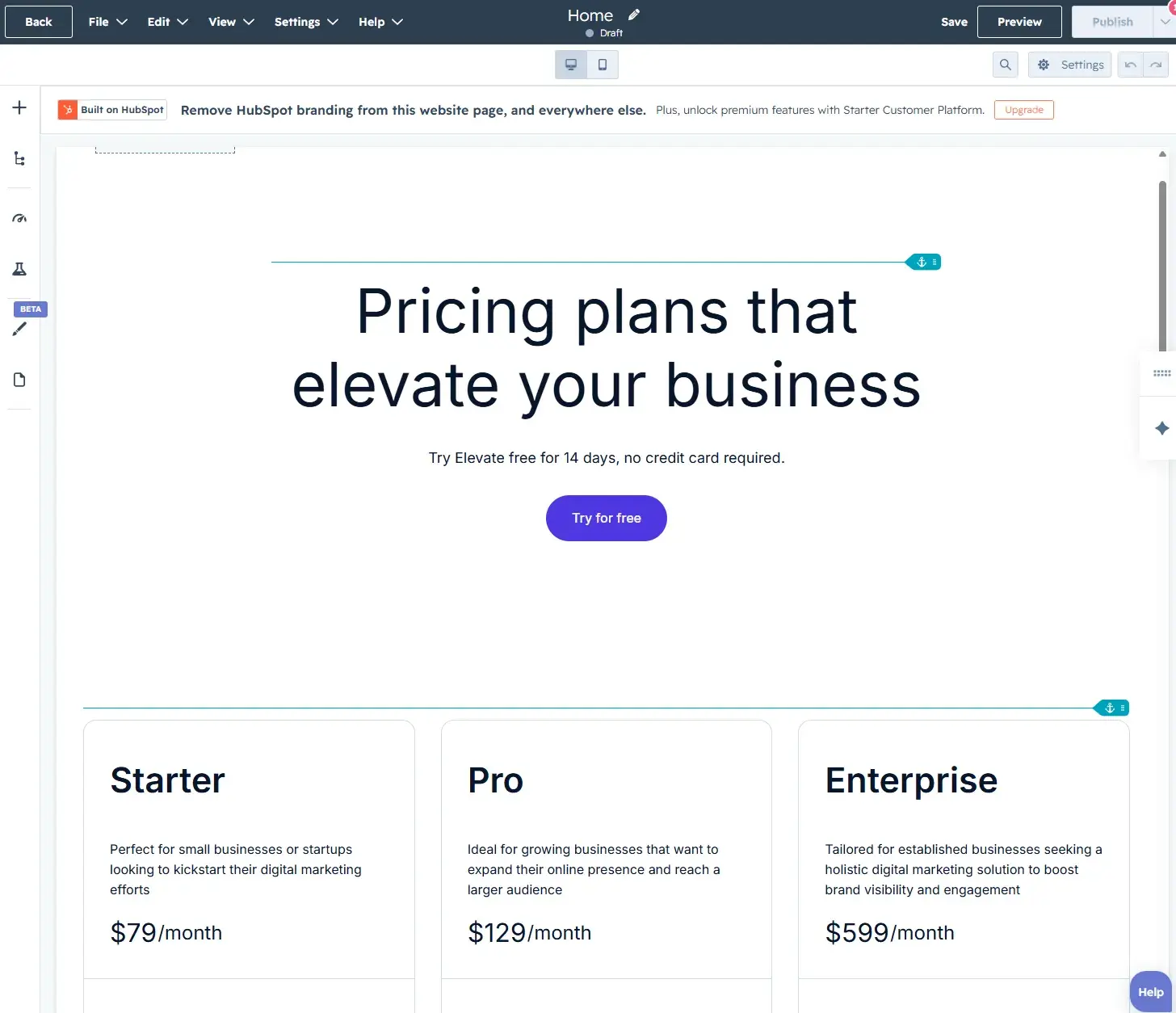
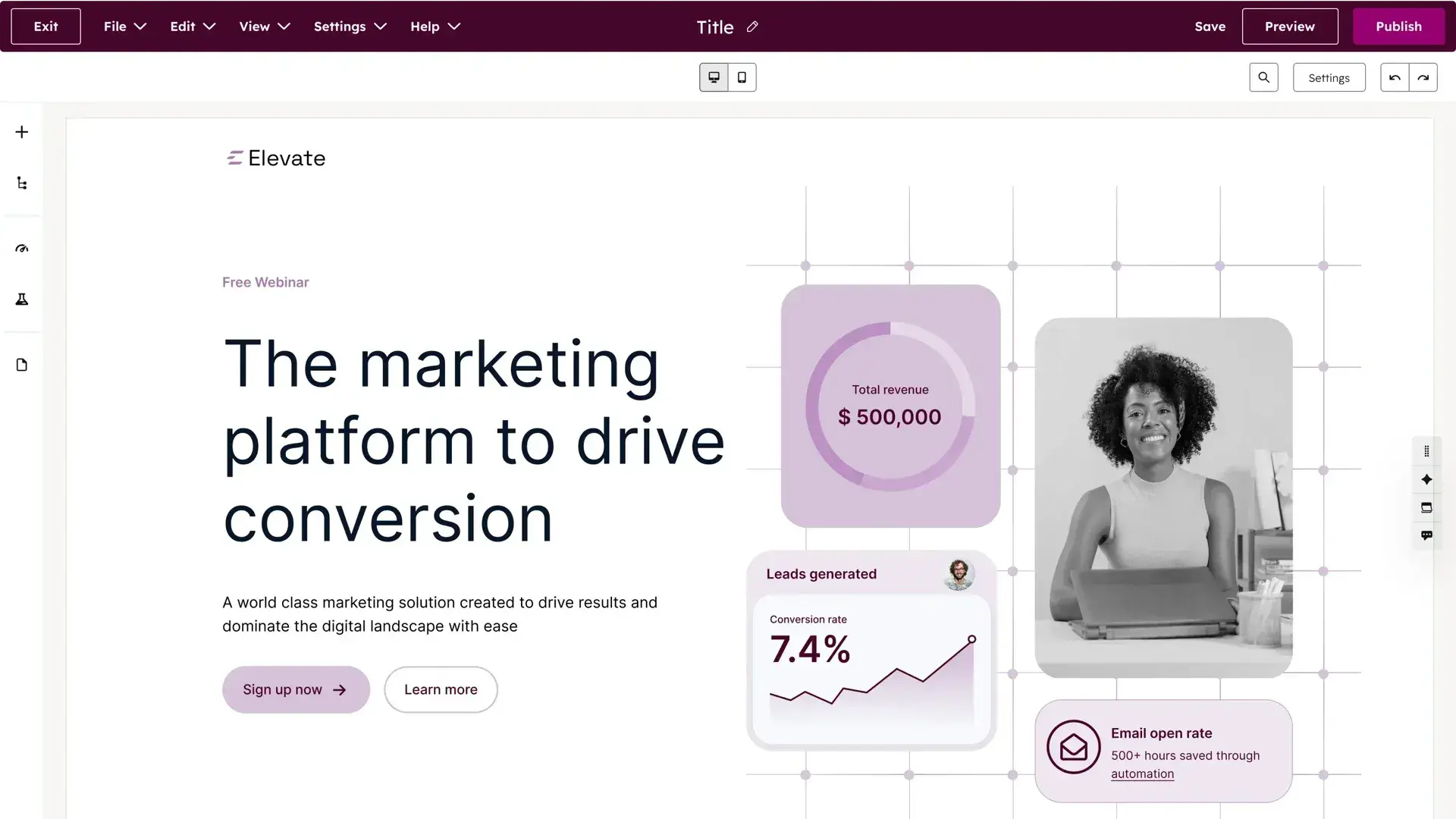
- HubSpot Content Hub (Free version, paid from $20/month): A complete content solution unifying creation, optimization, and performance tracking, integrated with CRM. Offers AI content creation tools and topic cluster analysis. Upgrade when publishing regularly and needing lead/revenue attribution and AI tools.
- HubSpot SEO Performance Analysis (Included in Marketing Hub Pro/Enterprise): Connects Google Search Console data directly to HubSpot content and CRM, offering live views of content performance and topic cluster insights. Upgrade the broader HubSpot package when merging SEO, CRM, reporting, and content workflows.
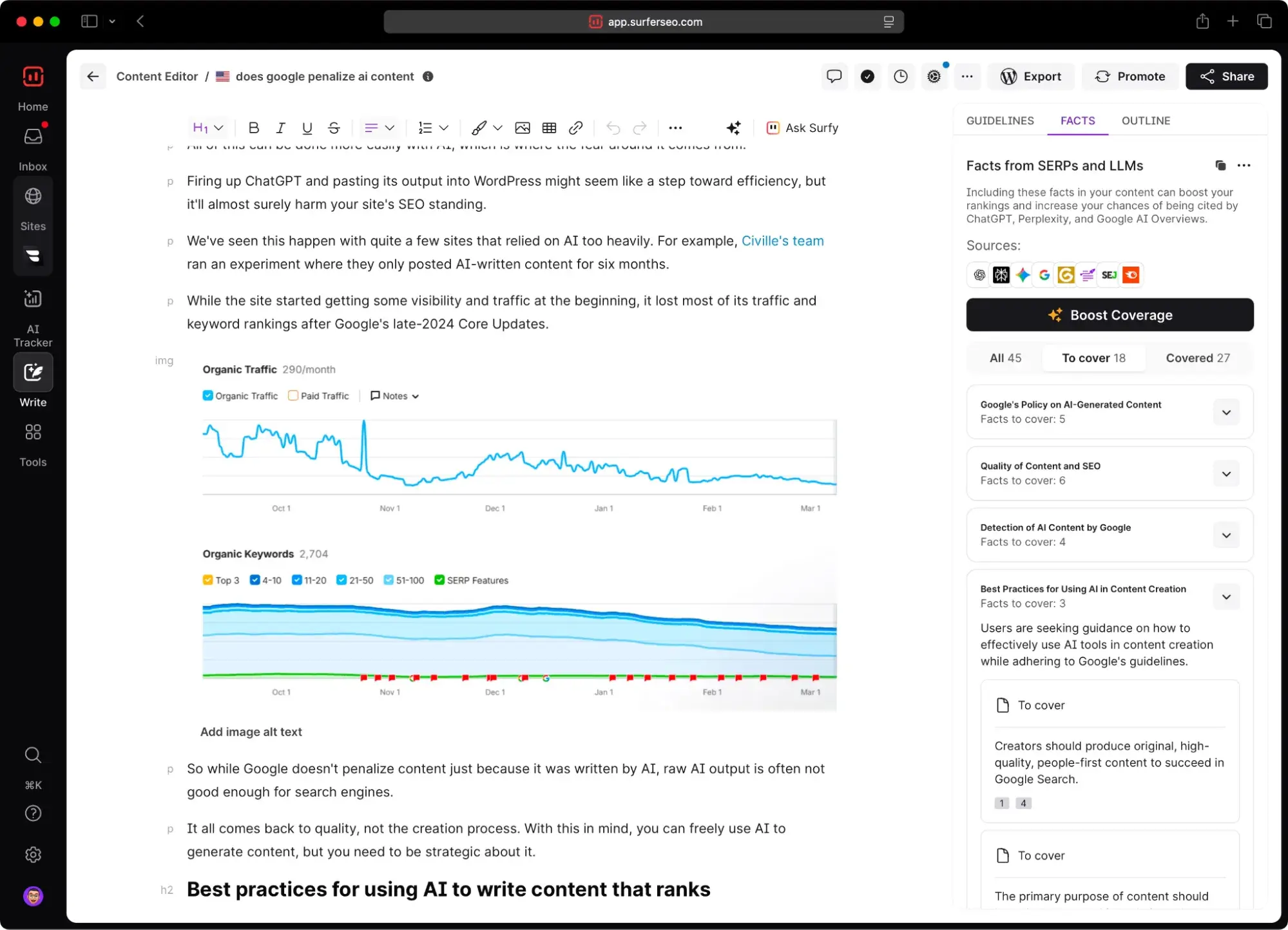
- Surfer SEO (Paid, starts $99/month): Analyzes top-ranking pages for a keyword to provide data-driven content recommendations (word count, keyword density, NLP terms). Upgrade if content teams produce SEO content regularly and need data-driven writing guidance.
Backlink Research and Outreach Tools
Essential for understanding link profiles, identifying new link opportunities, and monitoring competitors.
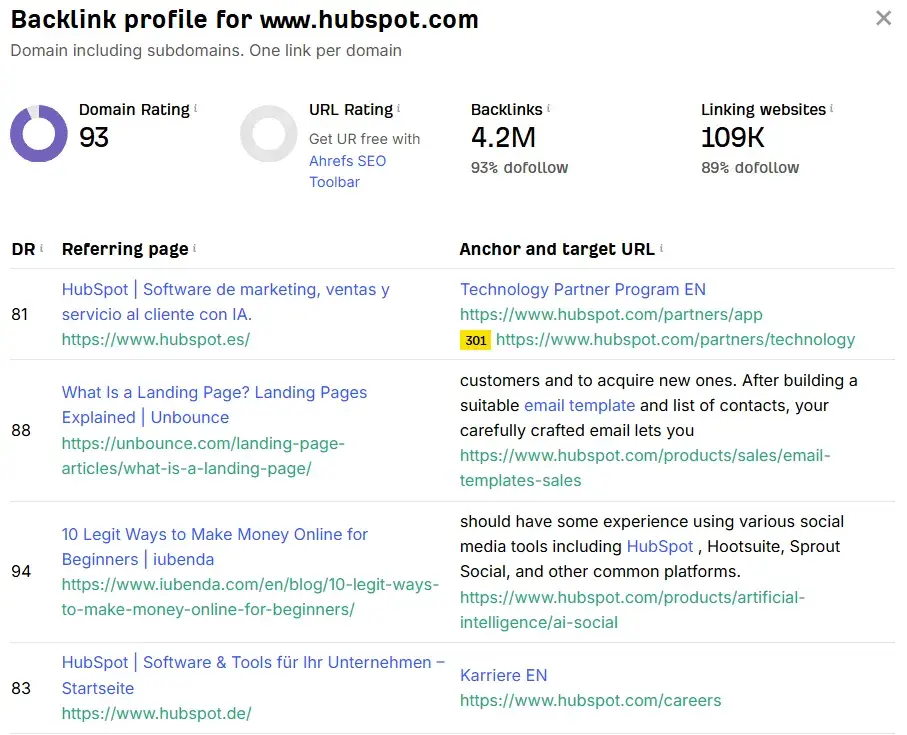
- Ahrefs (Free backlink checker, paid Starter from $29/month, full from $129/month): Known for one of the largest and most frequently updated link databases. Provides deep competitive link intelligence. Upgrade when actively pursuing scalable link building and needing deep backlink data.
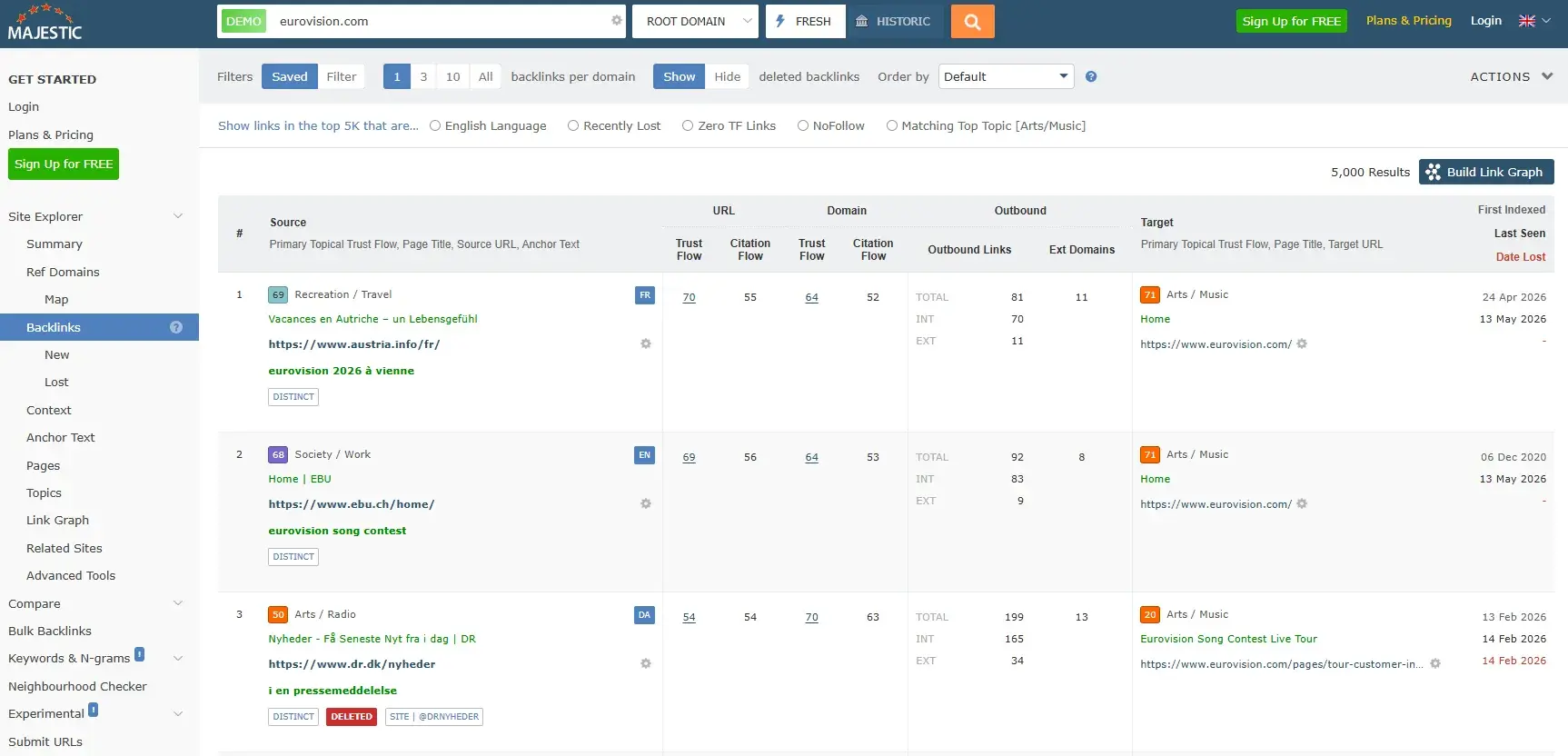
- Majestic (Paid, starts $49.99/month): A specialist backlink tool focusing on granular link analysis and quality scoring. Upgrade when analyzing competitor link profiles at scale or integrating backlink data into workflows.
Rank Tracking Tools
Measure position changes for target keywords over time, providing visibility into what’s working.
- Google Search Console (Free): Provides first-party ranking and performance data directly from Google. Essential for all businesses. No upgrade needed, but supplement with dedicated tools for daily monitoring.
- SERPWatcher by Mangools (Paid, starts $37.70/month): A dedicated, affordable rank tracker with daily position updates and trend visualization. Upgrade as soon as consistently tracking multiple keywords over time.
- HubSpot AEO (Standalone $50/month or included in Marketing Hub Pro/Enterprise): Evaluates brand visibility in AI search results, tracking presence in AI Overviews, prompt tracking, and sentiment analysis. Upgrade when monitoring visibility in AI search engines and needing CRM-powered prompt suggestions.
Local SEO Tools
Support listings, reviews, and local search visibility for businesses targeting local customers.
- BrightLocal (Paid, starts $29/month): A dedicated local SEO platform offering citation management, review monitoring, and local rank tracking. Upgrade when managing reviews/listings across multiple locations.
- Nightwatch (Paid, starts €79/month, free Chrome extension): Offers highly granular local rank tracking and a search simulator for localized SERP review. Upgrade when tracking many keywords across multiple geographic locations simultaneously. (Remember to establish a Google Business Profile, a free essential for all local businesses.)
Analytics and Reporting Tools
Connect traffic and content performance to leads, pipeline, and revenue, demonstrating SEO’s true worth.
- Google Analytics 4 (Free): The standard for website analytics, tracking user behavior. No upgrade needed for most small businesses.
- Looker Studio (Free): A free data visualization tool for creating shareable dashboards from various data sources. No upgrade needed unless moving to enterprise BI systems.
- HubSpot Marketing Hub Analytics (Free version, paid Starter from $20/month, Pro from $890/month): Connects page visits to individual contacts, showing their journey from first touchpoint to closed revenue. Offers full-funnel attribution. Upgrade when needing full-funnel attribution and consolidated marketing analytics tied to CRM data.
The Rise of AEO: Adapting to AI Search
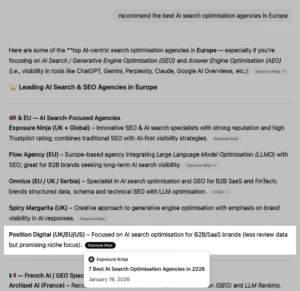
The emergence of AI-powered search experiences like Google AI Overviews, ChatGPT, and Perplexity AI introduces a new dimension to search marketing: Answer Engine Optimization (AEO). AEO focuses on optimizing content to be accurately surfaced, summarized, and cited by these AI tools. Unlike traditional SEO, which primarily targets rankings and clicks, AEO emphasizes visibility within generated answers.
To measure answer engine visibility, businesses must monitor metrics such as branded mentions, AI citations, query coverage, and presence within AI Overviews. Tools like HubSpot AEO are designed to help marketers track their content’s performance in these AI-driven environments, crucially integrating these insights with traditional SEO, CRM, and content reporting within a single platform. As AI search continues to evolve, adapting SEO tool stacks to measure both search engine rankings and answer engine presence will become increasingly critical for maintaining digital relevance and competitive advantage.
Building an SEO Tech Stack that Future-Proofs Small, Growing Businesses
The best SEO tools for small businesses empower teams to execute effective strategies, from connecting keyword performance to revenue to enhancing technical site health and optimizing content. However, the true value lies in building a tech stack that is not only effective now but also capable of scaling and adapting to future changes in the search landscape. This approach ensures long-term growth and prevents the need for costly, disruptive overhauls.
Whether opting for a comprehensive all-in-one platform or a curated selection of specialized tools, the core principle remains: choose tools that make SEO measurable, actionable, and adaptable. For businesses seeking to streamline their operations and future-proof their digital strategy, HubSpot’s integrated SEO Marketing Software and AEO tool offer a compelling solution. By covering both traditional and AI search visibility, coupled with content optimization, robust reporting, and deep CRM integration, these tools provide a unified platform guaranteed to support a business’s growth, even to an enterprise scale, mitigating workflow disruptions and unexpected costs down the line.
Related posts: