The Evolving Landscape of Digital Visibility: Differentiating and Integrating AEO and GEO Strategies

For a considerable period, marketers have often used the terms Answer Engine Optimization (AEO) and Generative Engine Optimization (GEO) interchangeably, leading to confusion within the rapidly evolving digital marketing landscape. However, understanding the distinct yet complementary roles of these two optimization strategies is critical for navigating modern search and content distribution. AEO primarily focuses on optimizing content to appear as direct answers in various search result formats, including answer boxes and voice search results, ensuring immediate information delivery. In contrast, GEO targets the nuanced challenge of earning brand citations and mentions within AI chatbot responses and generative summaries, aiming for authoritative inclusion in conversational AI interactions. This article will define these terms, explain their strategic differences, outline shared implementation tactics, detail measurement methodologies, and analyze their future implications for search visibility.
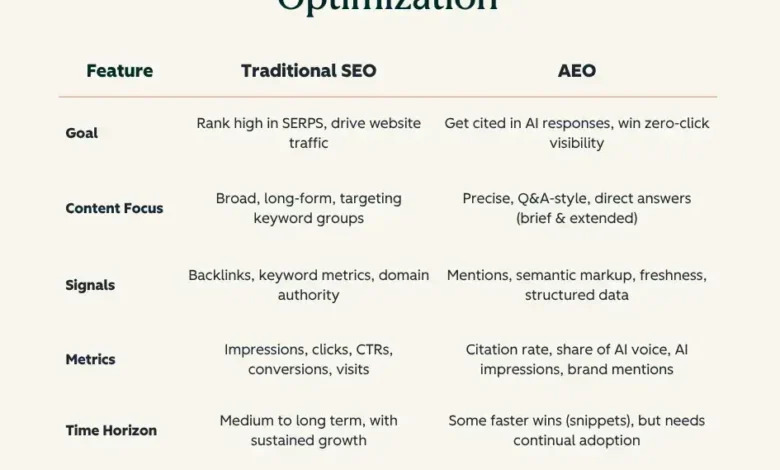
The advent of sophisticated AI models has fundamentally reshaped how users seek and consume information, moving beyond traditional "blue link" search results to more direct, synthesized answers and conversational interactions. This shift necessitates a refined approach to content optimization, extending the established principles of Search Engine Optimization (SEO) into specialized domains. While SEO remains the overarching strategy for earning rankings and organic traffic through relevance, backlinks, and technical performance, AEO and GEO represent crucial sub-disciplines tailored to the unique demands of AI-powered interfaces. Establishing a clear, unified understanding of these acronyms is not merely an academic exercise; it is essential for developing cohesive digital strategies that effectively reach audiences across all modern search touchpoints.
The Evolution of Search: From Keywords to Conversations
The journey of search engine optimization began with a focus on keywords and backlinks, aiming to rank websites higher in search engine results pages (SERPs). As search technology matured, Google introduced features like the Knowledge Graph, featured snippets, and "People Also Ask" sections, signaling a move towards providing direct answers within the SERPs themselves. This evolution laid the groundwork for AEO, as content creators began structuring information to be easily extractable and presentable as concise answers. Voice search, driven by digital assistants like Siri, Alexa, and Google Assistant, further amplified the need for AEO, as users increasingly expected spoken answers rather than lists of links.
The more recent explosion of generative AI, spearheaded by large language models (LLMs) like those powering ChatGPT, Google AI Overviews, and Perplexity, marked another paradigm shift. These generative engines synthesize information from multiple sources to create comprehensive summaries, often citing original sources directly within their responses. This new frontier necessitated GEO, a strategy designed to ensure brands are not only found but also authoritatively cited within these AI-generated narratives, even if the user never clicks through to the original website. The distinction is crucial: AEO aims for direct answers on traditional SERPs, while GEO strives for authoritative mentions within the AI-generated summaries and conversations.
AEO vs. GEO: A Strategic Delineation
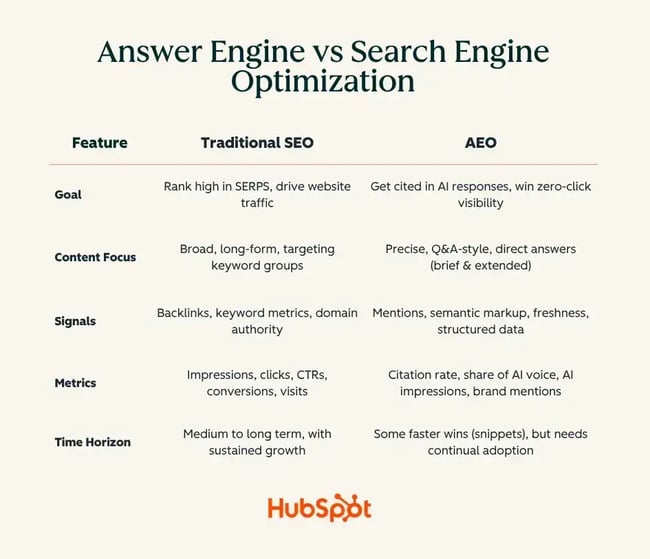
At its core, Answer Engine Optimization (AEO) is about delivering direct, unambiguous answers in response to user queries. Its primary goal is to help website content appear as immediate solutions in search results, often bypassing the need for a click to the full article. This manifests in formats such as featured snippets (where a summary of content is displayed at the top of Google’s search results), "People Also Ask" boxes, and concise AI short answers provided by search engines. To achieve AEO success, content must prioritize clarity, logical structure, and comprehensive coverage of user questions. It is particularly effective for high-intent, question-driven queries where users seek quick, factual information.
Generative Engine Optimization (GEO), on the other hand, is a strategy aimed at securing brand citations within AI-generated summaries and conversational AI platforms. The objective here is to have a brand, product, or service mentioned and endorsed by AI models in platforms like Google AI Overviews, ChatGPT, Perplexity, or Gemini. This often occurs without a direct click-through, meaning the brand gains visibility and credibility simply by being cited. GEO success hinges on establishing authority, ensuring clear entity definitions, and providing "quotable insights" that AI models can easily integrate into their summaries. It is most effective for research queries and informational discovery where users are seeking comprehensive overviews or comparisons.
To summarize the key differences:

- AEO (Answer Engine Optimization):
- Primary Goal: Deliver direct answers in search results.
- How It Shows Up: Featured snippets, People Also Ask, AI short answers.
- Optimizes For: Clarity, structured content, comprehensive question coverage.
- Best Use Case: High-intent, question-driven queries requiring immediate answers.
- GEO (Generative Engine Optimization):
- Primary Goal: Earn brand citations and mentions in AI-generated summaries.
- How It Shows Up: Google AI Overviews, ChatGPT, Perplexity, Gemini.
- Optimizes For: Authority, entity clarity, quotable insights, verifiable data.
- Best Use Case: Research queries and informational discovery where users seek synthesized information and recommendations.
- SEO (Search Engine Optimization):
- Primary Goal: Earn rankings and organic traffic to a website.
- How It Shows Up: Traditional "blue links" in search engine results.
- Optimizes For: Relevance, backlinks, technical performance, user experience.
- Best Use Case: Long-term acquisition, brand awareness, and sustained traffic growth across a broad range of queries.
While distinct, these three strategies are not mutually exclusive; they are increasingly interdependent. Effective SEO lays the foundational groundwork, while AEO and GEO build upon this to ensure comprehensive visibility in an AI-first search environment.
The Imperative for Dual Optimization: Why Brands Need Both
In today’s dynamic digital landscape, relying solely on traditional SEO is no longer sufficient. Both AEO and GEO have rapidly emerged as core marketing priorities, driven by a fundamental shift in consumer behavior. The HubSpot Consumer Trends Report highlights this trend, indicating that a significant 72% of surveyed consumers intend to rely more heavily on AI-powered search when making shopping decisions. This statistic alone underscores the necessity for brands to engage with both answer engines and generative engines proactively.
Industry experts emphasize that the integrated adoption of AEO and GEO is crucial for maintaining competitive relevance. As one leading marketing strategist noted, "Brands that fail to optimize for both direct answers and AI citations risk becoming invisible to a significant portion of their target audience. The customer journey now frequently begins with an AI interaction, not a website visit." This means that even if a user doesn’t click a link, a positive citation within an AI summary can significantly influence brand perception and future actions.
For businesses, this dual optimization ensures that their content is accessible and authoritative across the entire spectrum of modern search interactions. AEO makes sure a website’s content is structured for direct extraction and eligibility for answer boxes, while GEO works to ensure that when an AI model is queried for recommendations, comparisons, or comprehensive insights, the brand is reliably cited as a credible source. Without both, businesses face the risk of diminished visibility, missed lead generation opportunities, and a reduced capacity to shape their narrative within the influential AI sphere.
Strategic Pillars: Shared Tactics for AEO and GEO Success
While AEO and GEO serve different immediate goals, they are powered by a common set of foundational content and technical practices. Brands that excel in the AI-driven search environment are those that prioritize structured, answer-first content and maintain robust entity clarity across their digital presence. Five core tactics underpin success in both AEO and GEO:
-
Answer-First Content Structuring: This tactic dictates that content should immediately address a user’s primary question before delving into supporting details, examples, or broader context. Instead of embedding the key takeaway deep within a paragraph, the most crucial information should be surfaced upfront in a clear, concise, and easily scannable format. This approach, mirroring the "inverted pyramid" style long favored in journalism, makes content readily extractable by both answer engines and generative AI models. For example, if a section heading is "What is Answer Engine Optimization?", the very next sentence should provide a definitive, standalone answer, such as: "Answer Engine Optimization (AEO) is the practice of structuring content so search engines can extract direct, authoritative answers for featured snippets, AI summaries, and other answer-driven results." This directness caters not only to user readability but also to the algorithmic efficiency of AI systems.
-
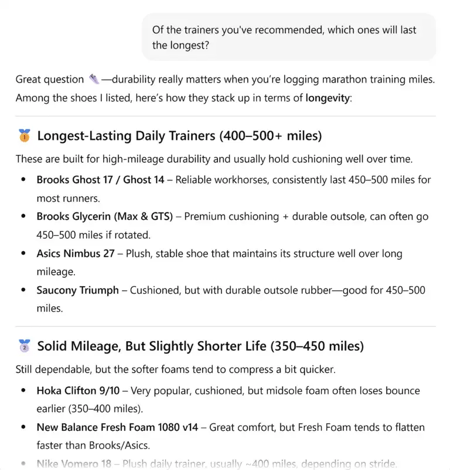
Entity Management and Consistency: An "entity" can be any distinct concept, person, place, or thing – including a brand, product, service, or specific feature. Entity management involves clearly defining these key entities and ensuring their consistent representation across all digital assets. This means maintaining uniform terminology, descriptions, and claims across a website, blog, product pages, documentation, press releases, and even external mentions. Consistent entity signals are vital for AI tools, which triangulate information from thousands of sources. If a product’s features are described differently across various platforms, AI models may struggle to accurately connect or verify the information, potentially leading to misrepresentation or omission in summaries. By presenting stable, unambiguous information, brands build trust with generative engines, increasing the likelihood of accurate citations. For instance, clearly stating the accepted lifespan of running shoes (e.g., "300-500 miles") and explaining the factors influencing it on a brand’s site, rather than allowing disparate user-generated content to dictate the narrative, helps AI systems confidently cite the brand’s authoritative data.
-
Quotable Insights and Data Passages: To be cited by generative AI, content must offer concise, authoritative statements or data points that can be easily "lifted" into summaries. These "quotable insights" might include statistics, expert definitions, clear recommendations, or summarized explanations. Such passages should be self-contained and free of ambiguity, allowing AI models to extract and cite them without needing extensive restructuring. Placing these insights immediately after the direct answer to a heading significantly increases their visibility to AI. This practice not only aids GEO by providing ready-made citations but also enhances AEO by making content more eligible for featured snippets and other direct answer formats. It also reinforces the E-E-A-T (Experience, Expertise, Authoritativeness, Trustworthiness) signals that search engines value.
-
Schema and Structured Markup Implementation: Schema markup, or structured data, is code added to website content that helps search engines understand its meaning and context. It converts plain text into machine-readable entities and relationships, clarifying what the content represents (e.g., a product, an FAQ, an author, a service). For AEO, schema is crucial as it significantly boosts a website’s eligibility for rich results, featured snippets, and other direct answer displays. For GEO, structured markup reinforces entity consistency, providing AI models with verified, unambiguous data points that strengthen their confidence in citing a brand. Essential schema types for B2B and other businesses include FAQPage, Product, Service, Organization, Person, and SameAs. Implementing schema is no longer optional; it’s a fundamental technical requirement for optimal AI search visibility.
-
Reinforcement Through Repetition: AI models do not simply take information at face value from a single source. They employ a "triangulation" method, looking for patterns, overlaps, and consistent assertions across multiple reputable sources to verify facts. Therefore, for a brand’s key facts, claims, or definitions to be adopted as authoritative by AI, they must be consistently repeated across a diverse range of credible platforms. This includes the brand’s own website, press releases, partner sites, industry publications, expert reviews, and even high-quality user-generated content. If a brand claims its product reduces downtime by 30%, but this claim is only found on its website, AI may treat it as unverified. However, if this claim is echoed by 10 independent, authoritative sources, AI models are far more likely to adopt it as truth and cite the brand accordingly. This strategic repetition, carefully managed across various channels, helps build the robust external validation that generative AI systems seek.
Measuring Impact in an AI-Driven World
Measuring the effectiveness of AEO and GEO necessitates a departure from traditional SEO metrics like keyword rankings and organic traffic alone. AI-driven search alters how users discover information and evaluate brands, requiring marketers to track new signals and outcomes.
-
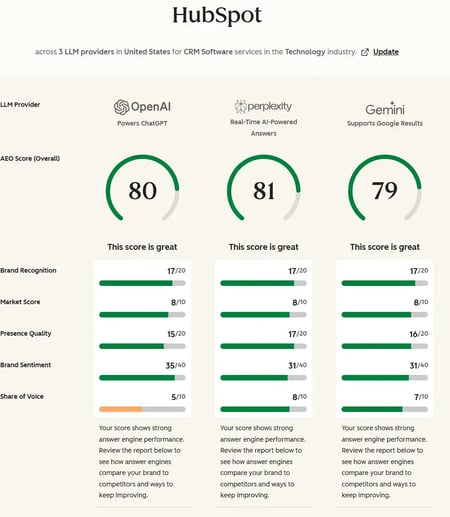
AI Visibility and Citation Coverage: This metric assesses how frequently a brand appears in generative search experiences such as Google AI Overviews, ChatGPT, Perplexity, and Gemini. Beyond mere presence, it also tracks the sentiment of these mentions (positive, neutral, negative) and the accuracy of the information cited. Tools like HubSpot’s AI Search Grader offer a comprehensive analysis, benchmarking a brand’s visibility across AI engines, highlighting pages earning citations, and identifying areas for improvement. Regular auditing of key topics and pages for appearance in AI summaries, direct answers, and accurate brand mentions is crucial.
-
Content Quality and Answer Readiness: This measures how well content adheres to the structural, clarity, and formatting requirements essential for AEO and GEO. Content must be easily extractable, thoroughly researched, consistent in its entity references, and structured in an answer-first manner. This metric evaluates whether content is written in a way that AI systems can confidently understand, reuse, and cite. Platforms like HubSpot Marketing Hub and Content Hub, with features like Breeze Content Assistant, facilitate the creation and monitoring of AEO-ready passages, FAQs, and structured updates, ensuring content is optimized for AI extraction. Regular content reviews should focus on clarity, conciseness, entity consistency, and the presence of quotable insights.
-
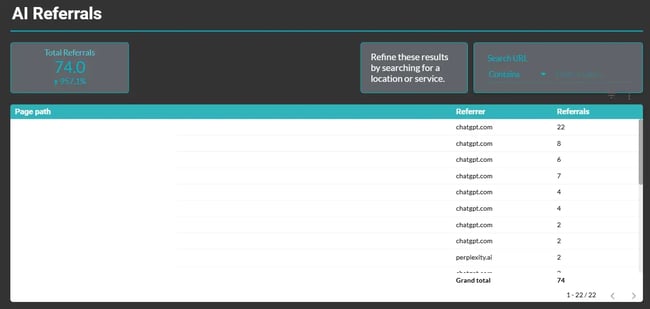
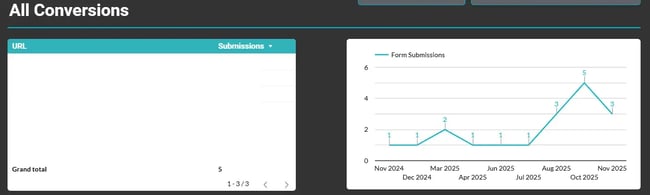
Conversions and Revenue Influenced by AEO/GEO: While direct clicks may decrease in an AI-first world, the influence of AI-powered search on conversions and revenue remains paramount. This metric tracks how AI-surfaced brand mentions contribute to the sales pipeline, whether through direct referrals from AI tools, increased brand searches following an AI interaction, or improved lead quality. Measuring behavior on site from sessions initiated by AI referrals (e.g., from ChatGPT or Perplexity, tracked via analytics platforms like Looker Studio) provides direct insight into conversion rates. However, it’s vital to acknowledge the "dark funnel" effect: many users may see a brand cited by AI, not click immediately, but return later via a different channel. Therefore, conversion analysis must also consider the broader impact on brand awareness, sentiment, and the overall sales cycle, not just direct attribution.
-
Lead Quality from AI-Influenced Discovery: AEO and GEO don’t just expand visibility; they can significantly enhance the quality of leads generated. When content appears in highly contextual AI answers or generative recommendations, the resulting traffic is often warmer, more targeted, and already primed with problem awareness. AI acts as an intent filter, meaning AI-sourced leads frequently exhibit stronger fit scores, higher qualification rates, and faster progression through the sales funnel. Marketers should track conversion rates, average deal sizes, and sales cycle lengths for leads influenced by AI discovery. Advanced tools like HubSpot’s lead scoring can be configured to compare the quality and velocity of AI-influenced leads against those from traditional organic search, providing tangible evidence of strategic success.
-
Page Performance and User Behavior (AI-Referred Sessions): Analyzing the performance of pages specifically identified as being cited or referenced by AI tools offers valuable insights. By monitoring sessions where the referrer is an AI platform, marketers can understand how visitors interact with the content after an AI-influenced discovery. Key metrics include bounce rate, average time on page, pages per session, and conversion rates for these specific user segments. High engagement metrics on AI-referred sessions indicate that the content is effectively meeting the user’s needs post-AI interaction. This data helps identify which pages are performing critical "heavy lifting" in the AI ecosystem and where further optimization—such as schema enhancements, content rewrites, or entity reinforcement—is most needed.
The Road Ahead: Future Trajectories for AEO and GEO
The landscape of AI search is still rapidly evolving, but several key trends are emerging that will define the next phase of AEO and GEO.
-
AI Discovery Will Become the New "Top of Funnel": As consumers increasingly initiate their research with conversational AI tools, the first impression of a brand may no longer be its homepage but rather what an AI model synthesizes about it. The HubSpot Consumer Trends Report’s finding that 72% of consumers plan to use AI-powered search more frequently for shopping underscores this monumental shift. Brands must adapt their mindset: AI presence, driven by comprehensive AEO and GEO strategies, is now the crucial initial touchpoint. This means optimizing for question coverage, robust schema, and broad content distribution across authoritative third-party sites is paramount to ensuring positive and accurate AI-driven introductions to the brand. For example, in a search for "best free CRM for small business," HubSpot might be recommended in Google AI Overviews, with the citation potentially linking to a third-party review site like Zapier, demonstrating the power of consistent brand messaging and external validation in AI environments.
-
The Search Industry Will Settle Down, But AI’s Importance Won’t Diminish: While the initial "hype cycle" surrounding generative AI may be plateauing, as suggested by industry experts, this does not diminish its long-term strategic importance. Data from sources like Datos’ State of Search Q3 2025 indicates that visits to AI tools, while growing, have begun to stabilize, capturing around 1.3% of all search activity. This stabilization suggests that the foundational principles of AEO and GEO, rather than chasing every fleeting AI feature, will become critical for sustained digital advantage. The industry will increasingly move from rapid experimentation to established best practices, integrating AI-driven optimization seamlessly into broader digital strategies.
-
SEO Teams Will Integrate AEO and GEO into Standard Reporting: The growing influence of AI means that AEO and GEO can no longer be treated as optional add-ons; they must become standard components of every SEO audit and reporting workflow. Just as traditional metrics like keyword rankings, backlinks, and Core Web Vitals are evaluated, so too must AI visibility, citation frequency, entity consistency, and AI-originating sessions. Ignoring these metrics represents a significant performance gap. Integrating AEO and GEO metrics into monthly reporting allows teams to quickly identify which pages are earning citations, which topics attract high-quality traffic, and where content or entity management needs refinement. This proactive approach ensures that brands remain competitive and adaptable in an AI-first search environment.
Conclusion: AEO and GEO as Essential Layers of Search Visibility
AEO and GEO are not merely emerging trends; they are now essential layers of brand visibility in an AI-first world. AEO secures direct answers, ensuring immediate information delivery, while GEO earns crucial brand citations within AI-generated summaries, influencing perception and trust. Together, these symbiotic strategies shape how potential customers discover brands, evaluate solutions, and ultimately make purchasing decisions.
Marketers who proactively adopt answer-first content, implement robust entity management, and ensure broad content distribution will be best positioned to dominate modern search. The immediate impact of AEO and GEO can be profound, driving warm, high-intent leads and transforming the sales pipeline. By prioritizing clarity, structured content, and citation-worthiness, brands can leverage AI models to amplify their distribution and reach, unlocking game-changing results in the evolving digital landscape. Tools like the HubSpot AI Search Grader and HubSpot’s comprehensive content and marketing platforms are designed to help marketers navigate this new era, enabling them to optimize their sites and measure their success across every modern search surface.