IOS 27 introduces a seamless tap-to-redeem feature for Apple gift cards via iPhone NFC integration

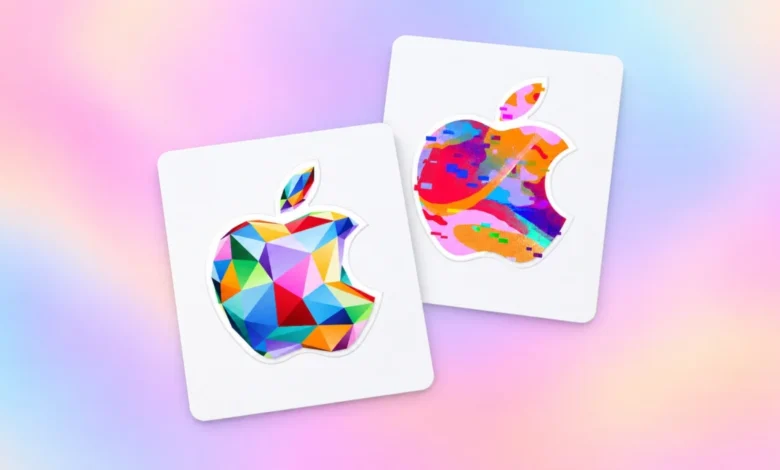
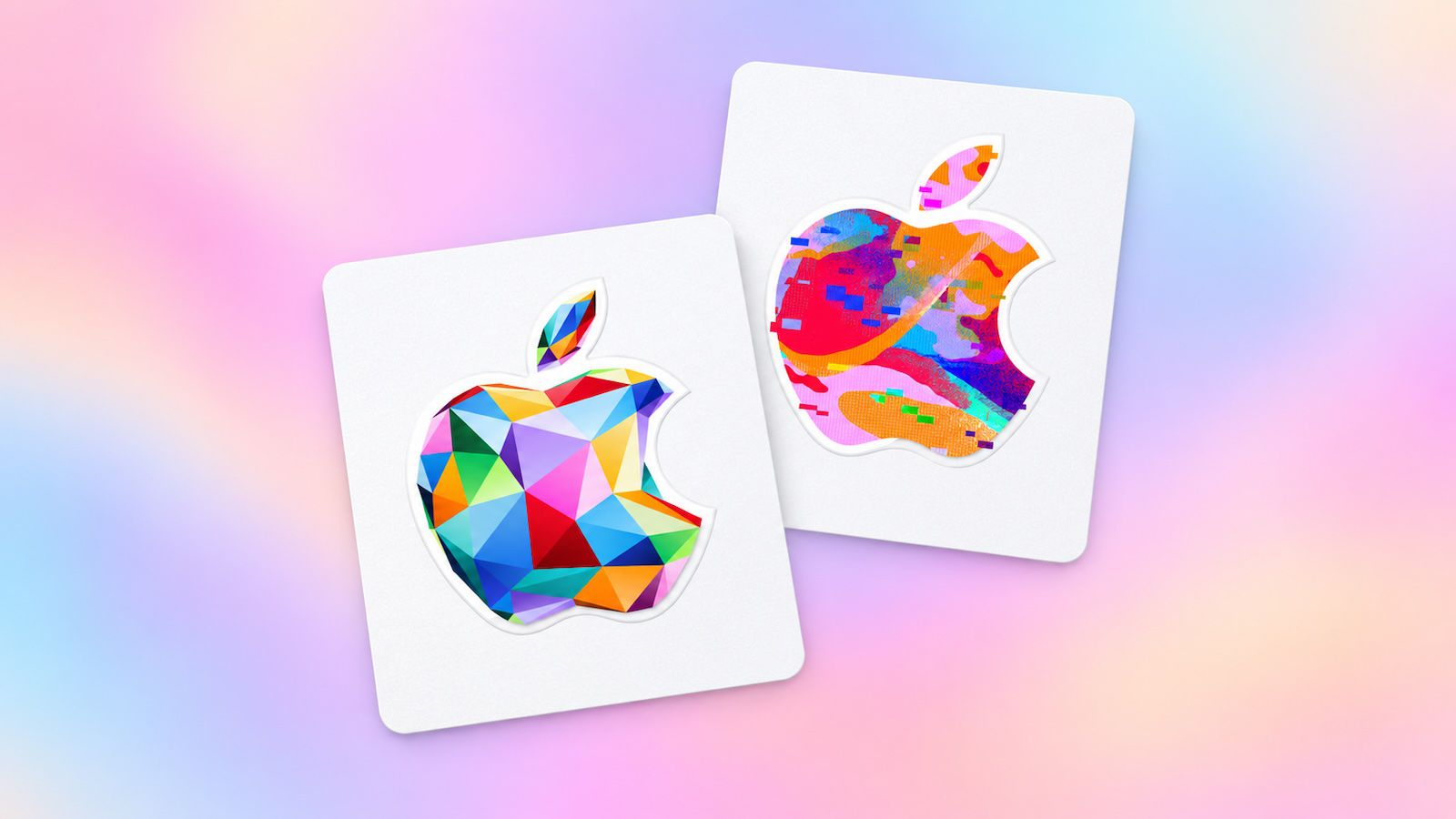
Apple is preparing to overhaul the gift card redemption process with the upcoming release of iOS 27, introducing a sophisticated Near Field Communication (NFC) authentication method. According to code discovered within the iOS 27 Release Candidate (RC), users will soon be able to redeem Apple gift cards simply by tapping them against the back of their iPhones. This transition from manual code entry to hardware-verified contactless redemption represents a significant shift in how Apple manages its digital ecosystem and security protocols.
The Mechanics of Contactless Redemption
The new functionality leverages the iPhone’s internal NFC reader to communicate with a secure chip embedded directly into physical Apple gift cards. This hardware-level verification ensures that the card being presented is both authentic and holds an unspent balance. By utilizing the same NFC technology that powers Apple Pay, the company aims to eliminate the friction and potential for human error associated with typing in long, alphanumeric strings.
As identified by MacRumors contributor Aaron Perris during an analysis of the iOS 27 RC, the redemption flow is designed with robust error-handling capabilities. The software includes specific interface prompts for instances where a card may have been compromised or previously processed. If an attempt is made to redeem a card that has been flagged in Apple’s database, the user will be met with clear status notifications, such as "this card has been blocked" or "cancelled." This specific design choice serves as a deterrent to fraud, providing immediate feedback to users who may have been targeted by gift card scams or unauthorized secondary market transactions.
Chronology of Development
The integration of NFC into gift card management has been a long-term goal for Apple, reflecting its broader strategy of integrating physical assets with digital security.
- June 2026: Apple officially unveiled the existence of iOS 27 at the Worldwide Developers Conference (WWDC), providing a high-level overview of hundreds of upcoming features. While the gift card feature was not highlighted in the main keynote, it remained part of the internal development roadmap.
- August 2026: Throughout the month, Apple released a series of public betas, progressively refining the Wallet and App Store integration layers required to support hardware-verified payments.
- September 9, 2026: The release of the iOS 27 Release Candidate (RC) confirmed the feature, with developers finding explicit strings of code detailing the NFC handshake protocol between the iPhone and the gift cards.
- September 2026 (Expected): The feature is slated to launch alongside the public release of iOS 27, coinciding with the debut of new hardware models, including the iPhone 18 series.
Security Implications and Fraud Prevention
Gift card fraud remains a pervasive issue in the retail and digital sectors. Scammers often use social engineering to trick victims into purchasing gift cards and providing the codes. By moving to a chip-based verification system, Apple is effectively introducing a "locked" state for physical cards that cannot be bypassed by merely copying a string of numbers.
The reliance on a secure chip suggests that future Apple gift cards will likely feature an NFC inlay, similar to those found in modern credit cards or transit passes. This hardware upgrade will enable a cryptographically secure handshake between the card and the iPhone’s Secure Element. For consumers, this means that even if a physical card is lost or stolen, it is useless to a third party without the specific hardware-to-hardware authentication that takes place during the redemption process. For Apple, this reduces the overhead of processing fraudulent claims and chargebacks, as the system can confirm exactly when and where a card was redeemed.
Broader Impact on the iOS Ecosystem
The introduction of this feature is part of a wider trend in iOS 27 to unify physical and digital interactions. This trend is further evidenced by other features debuting in the same cycle, such as the new "iPhone Handoff" functionality. Handoff allows users to fluidly switch between two iPhones using the same phone number, reflecting Apple’s focus on high-utility, low-friction experiences.
Furthermore, the integration aligns with the company’s recent efforts to refine the Camera app and hardware performance, as seen in the leaks regarding the iPhone 18 Pro. The common thread among these updates—Exposure scopes, Handoff, and NFC redemption—is the enhancement of the user’s "toolset." By making the iPhone a more versatile instrument for daily tasks, Apple continues to increase the value proposition of its ecosystem.
Industry Context and Retail Integration
While Apple has not yet released an official statement detailing the rollout of the physical cards themselves, the industry expectation is that the company will update its retail inventory in the coming months. Retailers that carry Apple gift cards will need to transition to these new, chip-enabled cards to support the NFC redemption feature.
Market analysts suggest that this shift could eventually eliminate the need for scratch-off panels entirely. If the NFC chip handles the authorization, the printed code becomes redundant. This would not only improve security but also reduce the cost of printing and protecting the scratch-off surface, which is a point of failure in current retail environments.
Analysis: A Shift in Authentication
The move toward hardware-based authentication for gift cards is a logical step in Apple’s security-first philosophy. Since the inception of the iPhone, Apple has consistently moved toward biometric and hardware-based identity verification. Adding gift cards to this ecosystem—which already includes transit cards, hotel keys, and identification documents—positions the iPhone as the central repository for all physical and digital tokens of value.
From an economic perspective, the reduction of fraud is the primary driver. Apple gift cards have frequently been the currency of choice for international scams due to the ease with which codes can be transmitted digitally. By requiring a physical tap, Apple creates a physical proximity requirement that is difficult for remote scammers to replicate. While this will not eliminate all forms of fraud, it adds a significant barrier to entry for bad actors.
Conclusion and Future Outlook
As Apple prepares for the final public release of iOS 27, the inclusion of tap-to-redeem gift cards serves as a case study in how the company iterates on existing technologies to improve user safety. By leveraging the existing NFC infrastructure of the iPhone, Apple is turning a standard retail product into a secure, authenticated digital asset.
Users should expect a transition period as retail partners update their stock. While the traditional code-entry method will likely remain available for legacy cards for the foreseeable future, the NFC-enabled process will eventually become the standard. As the iOS 27 ecosystem matures, it is likely that other retailers and services will observe this transition, potentially leading to a broader industry standard for secure, NFC-based gift card redemption.
The software update, arriving at a time of significant hardware innovation for the company, underscores Apple’s commitment to refining the minutiae of the user experience. Whether it is the granular control of camera exposure or the simplicity of tapping a card to add funds to an Apple ID, the focus remains on streamlining the intersection of human activity and digital technology. With the iOS 27 release, the iPhone once again cements its role not just as a communication device, but as a central authentication hub for the modern consumer.